


A family of polar and grizzly bear hybrids, or grolars, in Canada’s western Arctic — which all started with a “pretty strange” female polar bear — is “quite rare,” according to a new study.
Genetic Sequencing Sheds Light on Hybrid Bears

🔥 Would you like to save this?
We'll email this post to you, so you can come back to it later!
The research paper, published in the journal Conservation Genetics Resources, used a new tool to analyze samples from 371 polar bears and 440 grizzly bears across Canada, Alaska, and Greenland, collected between 1975 and 2015.
Limited Hybridization Detected

🔥 Would you like to save this?
We'll email this post to you, so you can come back to it later!
Ruth Rivkin, a postdoctoral research fellow at the University of Manitoba and one of the study’s authors, expected to find more hidden hybrids but discovered only eight known hybrids in the Northwest Territories.
Importance of Monitoring

🔥 Would you like to save this?
We'll email this post to you, so you can come back to it later!
Rivkin emphasized the importance of ongoing monitoring to detect potential increases in hybridization as grizzly and polar bear habitats overlap due to climate change.
Female Polar Bear ‘Famous’ for Producing Hybrids

🔥 Would you like to save this?
We'll email this post to you, so you can come back to it later!
A 2017 study found eight hybrid bears in the Inuvialuit Settlement Region, all part of the same family, starting with a female polar bear born in 1989.
Backcrossing with Grizzlies

🔥 Would you like to save this?
We'll email this post to you, so you can come back to it later!
This female polar bear, known as X15718, mated with two grizzly bears, producing four hybrid offspring. She continued this trend by mating again, leading to a second generation of hybrids.
The Role of Female Choice and Size

🔥 Would you like to save this?
We'll email this post to you, so you can come back to it later!
Rivkin noted that female polar bears have some choice in mates, but size can play a significant role if a male grizzly decides to mate.
Unique Characteristics of Hybrid Bears
🔥 Would you like to save this?
We'll email this post to you, so you can come back to it later!
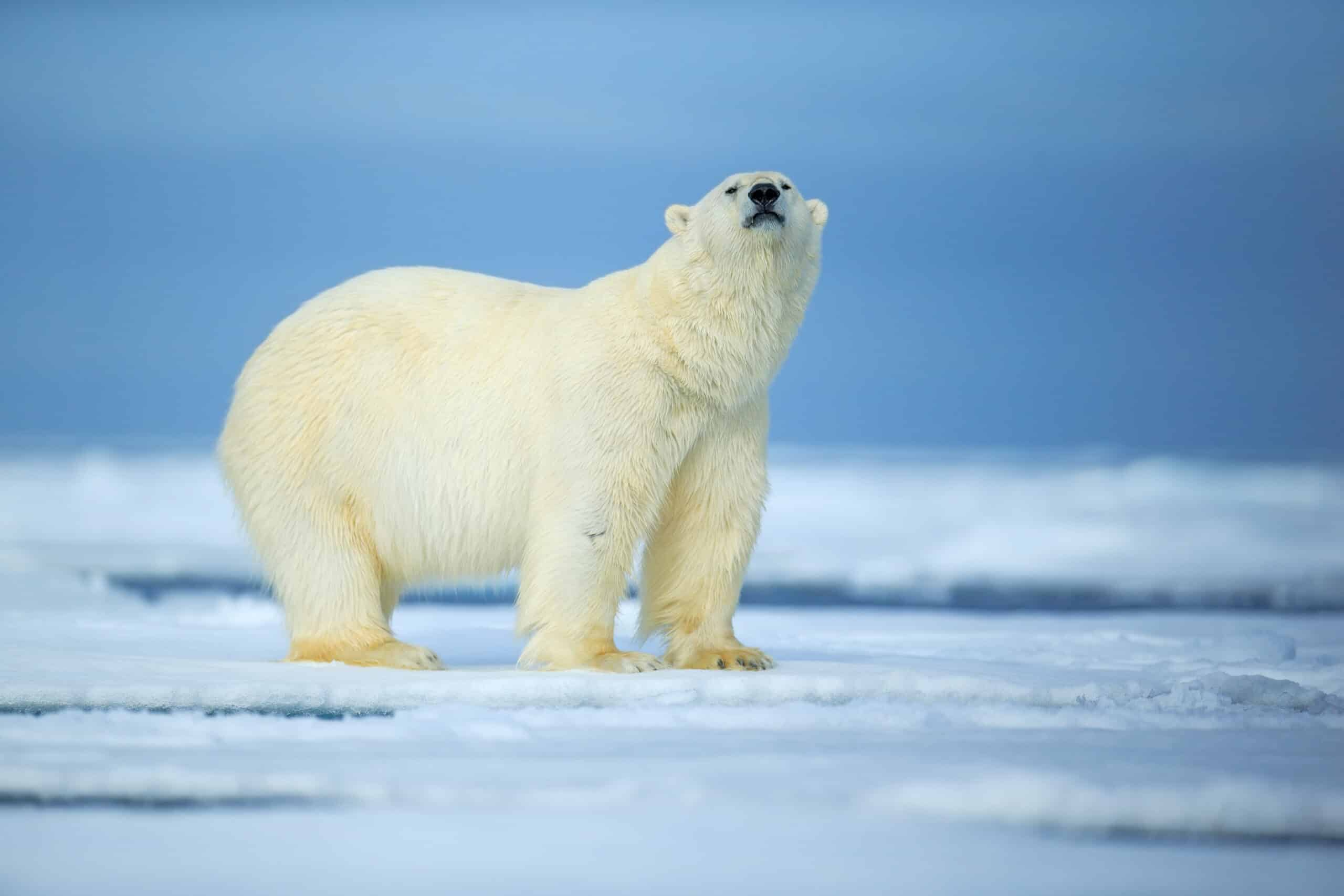
X15718 was observed to have longer claws, a brownish coat, dark circles around her eyes, and a brown stripe down her back — features typical of a hybrid.
Challenges for Second-Generation Hybrids

🔥 Would you like to save this?
We'll email this post to you, so you can come back to it later!
Second-generation hybrids, being mostly grizzly but raised as polar bears, would face challenges in their environment, particularly in hunting and camouflage.
Discovering Grolars in the Field
🔥 Would you like to save this?
We'll email this post to you, so you can come back to it later!
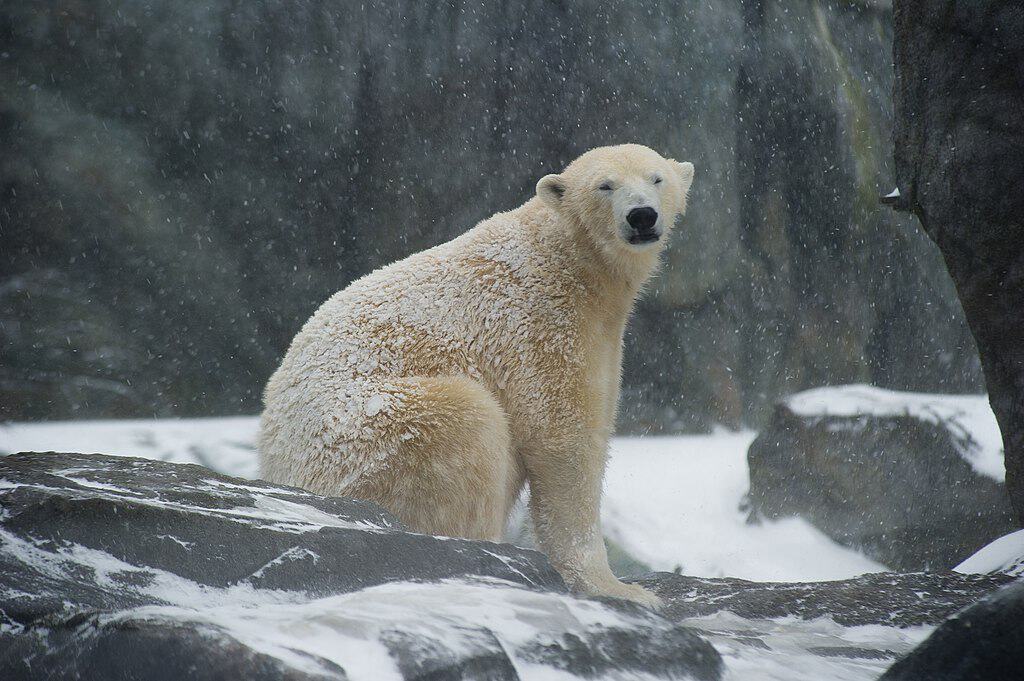
During a 2012 helicopter flight, researchers spotted a hybrid bear and its chocolate-colored cubs, providing clues to the ongoing hybridization.
Display in Yellowknife Gallery

🔥 Would you like to save this?
We'll email this post to you, so you can come back to it later!
Two known hybrids, harvested in 2012 and 2017, are now on display at the Nature’s North Wildlife Gallery in Yellowknife, showcasing the unique traits of these bears.
Genetic and Behavioral Differences

🔥 Would you like to save this?
We'll email this post to you, so you can come back to it later!
Grizzlies are omnivores and hibernate during winter, while polar bears are carnivores active during winter. These differences present significant survival challenges for hybrids.
Increasing Grizzly Presence on Sea Ice
🔥 Would you like to save this?
We'll email this post to you, so you can come back to it later!
Communities and researchers have observed an increase in grizzly bears venturing onto sea ice, suggesting a potential rise in future hybridization.
Potential for More Hybrids
While the recent study found only eight hybrids, there may be more hybrids not yet sampled or born in the past nine years.
Future Research and Monitoring

🔥 Would you like to save this?
We'll email this post to you, so you can come back to it later!
Rivkin hopes the new genetic sequencing chip will be used to test more bears, providing a quick, accurate, and relatively inexpensive method for future hybridization studies.
Implications for Conservation
The presence of hybrid bears in the Arctic raises questions about the impact of climate change on wildlife and the importance of conservation efforts to monitor and manage these unique populations.
What This Means for the Future

🔥 Would you like to save this?
We'll email this post to you, so you can come back to it later!
The study highlights the need for ongoing research and monitoring to understand the long-term implications of hybridization and to ensure the survival of both polar and grizzly bear species.

For any feedback please message Feedback@animalsaroundtheglobe.com
- 10 Facts onMiniature Teacup Poodles - November 4, 2026
- The 12 Ugliest-Looking Animals Ever - October 29, 2026
- The Secrets of the Adorable Baby Squirrels - October 14, 2026