

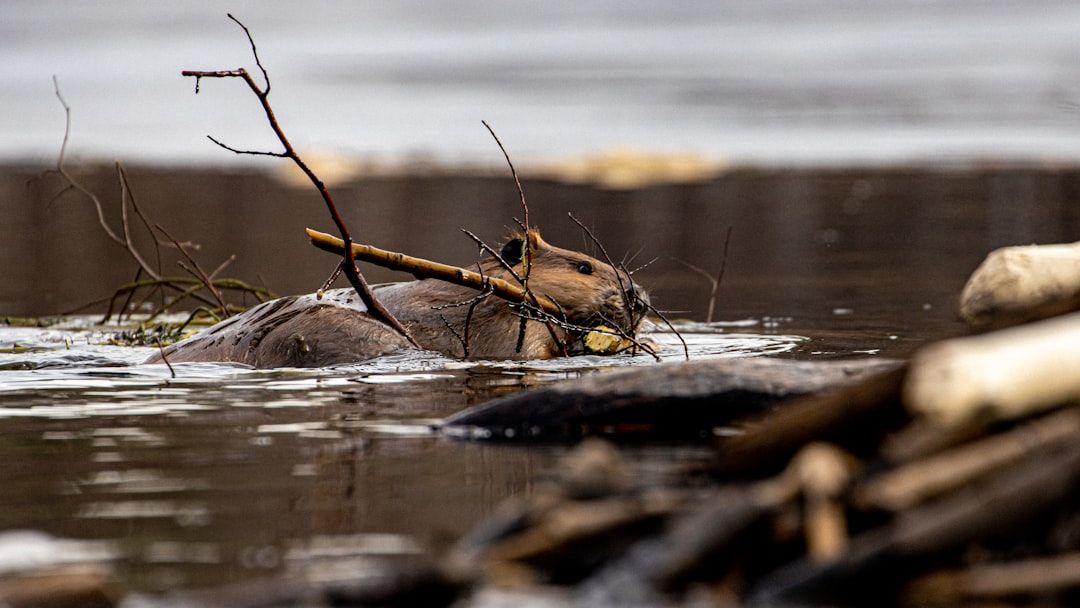
Beavers have been around for millions of years, quietly reshaping landscapes long before humans decided to build towns near rivers. Lately though, they’ve become a convenient scapegoat for flooding disasters across the Northern Hemisphere, and honestly, that narrative deserves a serious reality check.
The science on beavers and water is more nuanced than most headlines let on. Pinning blame on a semi-aquatic rodent for complex hydrological problems makes for a great story, but it makes for terrible policy. Let’s dive in.
The Beaver Comeback Nobody Planned For
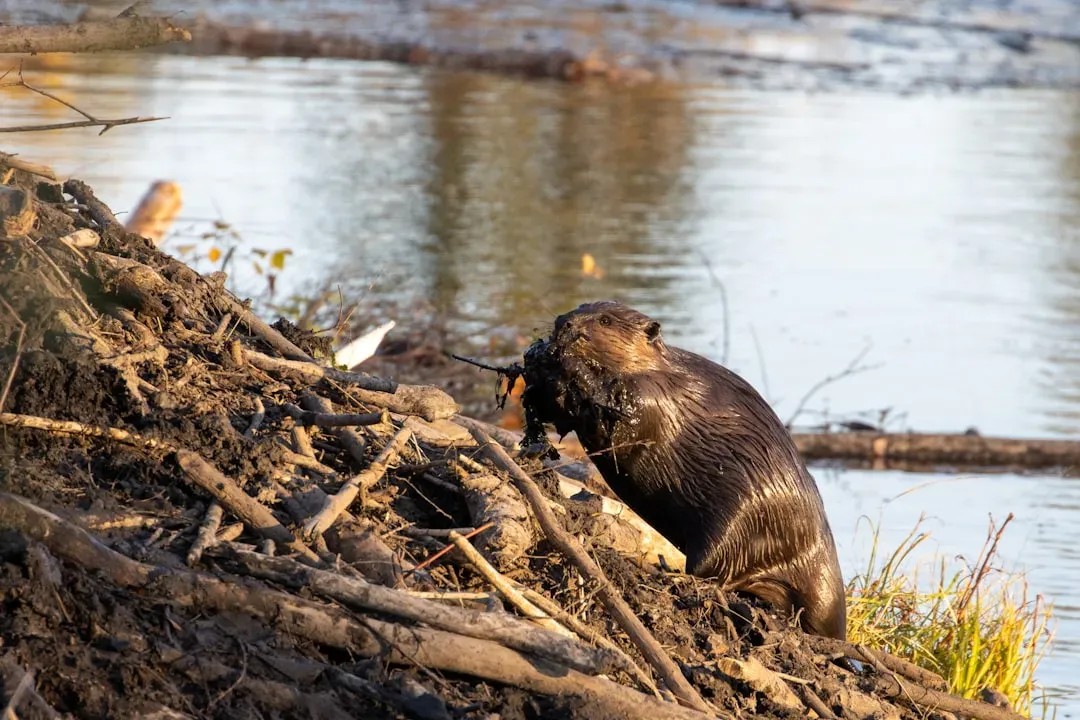
Here’s the thing about beavers: they were nearly wiped out across Europe and North America due to centuries of trapping for fur. Their populations have rebounded dramatically over recent decades, thanks to conservation efforts and legal protections. That comeback is genuinely one of the great wildlife recovery stories of the modern era.
With that comeback comes friction. As beavers reclaim historic territories, they inevitably interact with human infrastructure, agriculture, and drainage systems. Roads flood, culverts get blocked, and farmers find their fields underwater. So people get angry, and they want something to blame.
The problem is, the emotional logic of “beaver built dam, field flooded” skips over a mountain of ecological and hydrological complexity that researchers are only now beginning to fully map.
What Beavers Actually Do to Water Systems
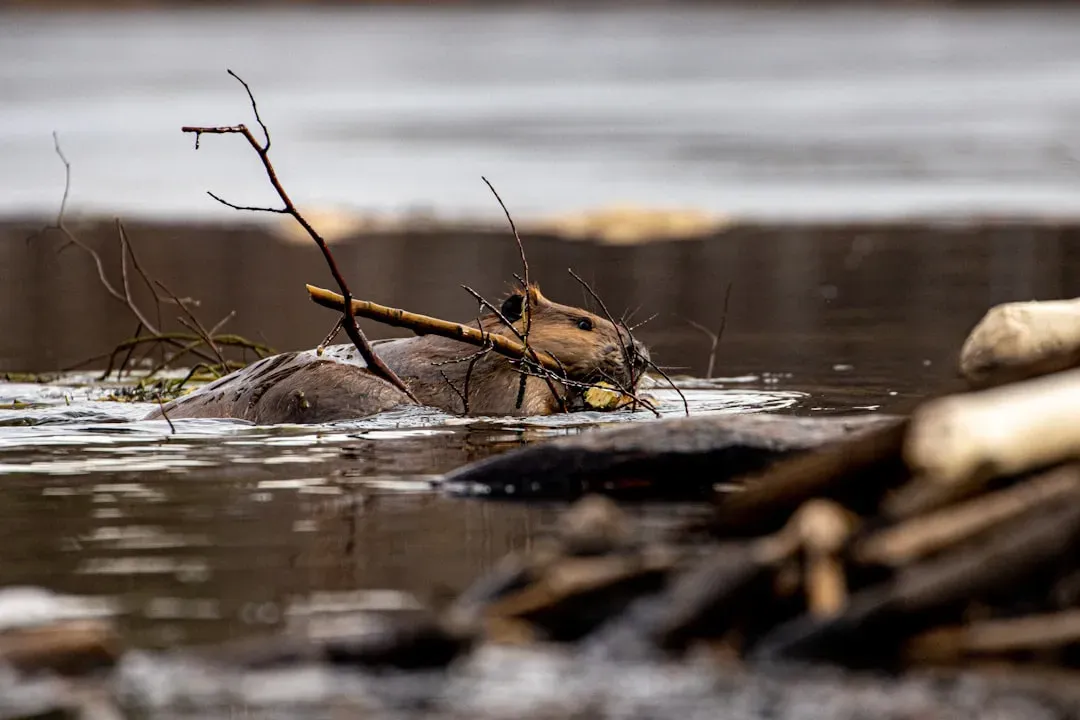
Beavers are, without exaggeration, one of the most powerful ecosystem engineers on the planet outside of humans themselves. Their dams slow water down, raise the water table, and create wetland habitats that support extraordinary biodiversity. Think of them as nature’s own flood management consultants, except they work for free.
The science consistently shows that beaver ponds increase water storage capacity in a watershed. They filter sediment and pollutants, recharge groundwater, and in many cases actually reduce downstream flooding by buffering peak flows during storms. That’s not a minor footnote. That’s a central finding repeated across dozens of peer-reviewed studies.
Where things get complicated is in the specific local context. A beaver dam on a small upland stream may behave very differently than one near a heavily engineered agricultural drainage channel. Blanket assumptions in either direction tend to fall apart under scrutiny.
The Problem with Political Scapegoating
Let’s be real: politicians love a tangible villain. Flooding is devastating, expensive, and politically toxic. When communities suffer flood damage, elected officials face enormous pressure to do something visible and fast. Ordering culls or removals of beaver populations looks decisive. It also tends to be deeply misguided.
Research highlighted by scientists studying this issue points out that removing beavers rarely solves flooding problems in any lasting way. Beavers are tenacious. They return, rebuild, and populations recover. The underlying drivers of flooding, including land use change, impermeable surfaces, degraded floodplains, and climate-driven extreme rainfall events, are left completely untouched.
This creates a policy loop that is almost comedically frustrating. Remove the beavers, flooding persists, blame the beavers again, repeat.
When Local Frustration Meets Incomplete Science
It’s genuinely hard not to feel for farmers and homeowners who wake up to waterlogged fields or flooded basements. Their frustration is completely legitimate. The emotional experience of watching your property disappear under water is not something data tables can easily address.
However, there is a critical difference between acknowledging that frustration and building policy around it without proper scientific grounding. Scientists working on this issue argue that localized flooding incidents linked to beaver activity are often conflated with much larger watershed-scale flooding events that beavers have nothing to do with.
Honest, credible science requires separating these cases rather than lumping every flood into the same beaver-shaped basket. That kind of careful attribution is difficult, unglamorous work, but it matters enormously when decisions about wildlife management are on the table.
Rewilding, Controversy, and the Bigger Picture
Beaver reintroduction has become a flashpoint in the broader rewilding debate, particularly in the United Kingdom and parts of continental Europe. Rewilding as a conservation philosophy advocates for restoring natural processes and reducing human micromanagement of landscapes. Beavers fit neatly into that vision, which is exactly why they attract so much pushback.
Critics of rewilding sometimes point to beaver-related flooding as proof that the whole enterprise is naive or reckless. Supporters counter that the evidence base for beavers as net ecological positives is strong, and that conflicts can be managed through thoughtful, site-specific interventions rather than population control.
I think the honest answer sits somewhere in the middle, but closer to the rewilding side of the argument. The data on beaver benefits is robust. The data supporting broad culls as a flood solution is, to put it gently, far thinner.
Better Solutions Are Already Out There
Here is something the scapegoating narrative conveniently ignores: there are proven, practical tools for coexisting with beavers while managing problem dams. Flow devices, sometimes called beaver deceivers, are pipe systems that can be installed through beaver dams to control water levels without destroying the dam or harming the animals.
These approaches have been used successfully across North America and are gaining traction in Europe. They are cheaper in the long run than repeated removal operations, and they preserve the ecological benefits that beaver ponds provide. Farmers can protect specific fields. Culverts can be modified. Roads can be designed with beaver activity in mind.
The gap between available solutions and actual policy implementation is not a scientific gap. It is a political and communication gap, and that is a far more solvable problem than most people realize.
What Good Science-Based Flood Policy Actually Looks Like
Researchers make the case that genuine flood resilience requires addressing root causes: floodplain restoration, reduced urban sprawl into flood-prone areas, wetland conservation, and nature-based solutions that work with hydrology rather than against it. Beavers, ironically, are part of that solution toolkit for many landscapes.
Dismissing them because of high-profile local conflicts is a bit like blaming umbrella manufacturers for rain. The causal relationship people assume is often reversed, or at least far more indirect than it appears. Scientific literacy in environmental policy has always been a challenge, but the cost of getting it wrong is rising as climate change intensifies the hydrological extremes we face.
Good policy starts with honest science, and honest science on beavers tells a story that is considerably more complicated and considerably more interesting than any headline suggests. The question worth sitting with is this: are we willing to do the harder work of understanding our landscapes, or will we keep looking for an easy animal to blame?
What do you think? Are we being too quick to condemn beavers, or do local communities deserve more weight in these decisions? Drop your thoughts in the comments.

- Beavers Are Nature’s Engineers, Creating Vital Habitats for Other Wildlife Species - July 21, 2026
- The Recovery of the California Condor Offers Hope for Other Critically Endangered Birds - July 21, 2026
- Bats Play a Crucial Role in Controlling Insect Populations Across the United States - July 21, 2026