

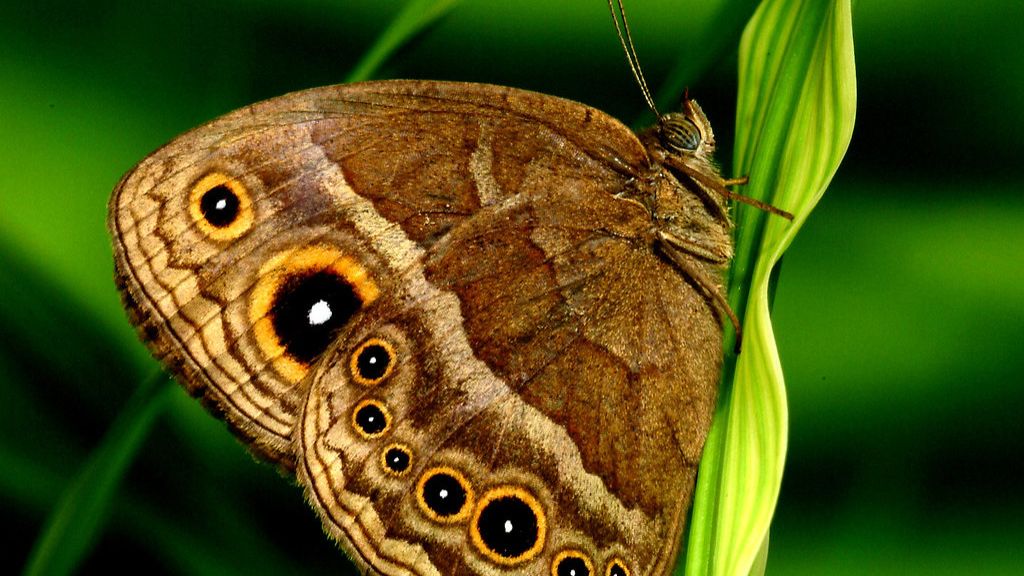
They share wings, they share flowers, they even share the same basic body plan. So why do we treat moths and butterflies as if they belong to entirely different worlds? Most people can tell you that butterflies are pretty and moths are the things eating your sweaters, but almost nobody can explain the actual biology behind what separates them.
Turns out, scientists have been quietly piecing together a fascinating answer to this question, and the findings are a lot more surprising than you’d expect. There’s evolutionary history, anatomical quirks, and some genuinely weird biological details hiding inside this seemingly simple question. Let’s dive in.
The Question That Scientists Finally Decided to Take Seriously
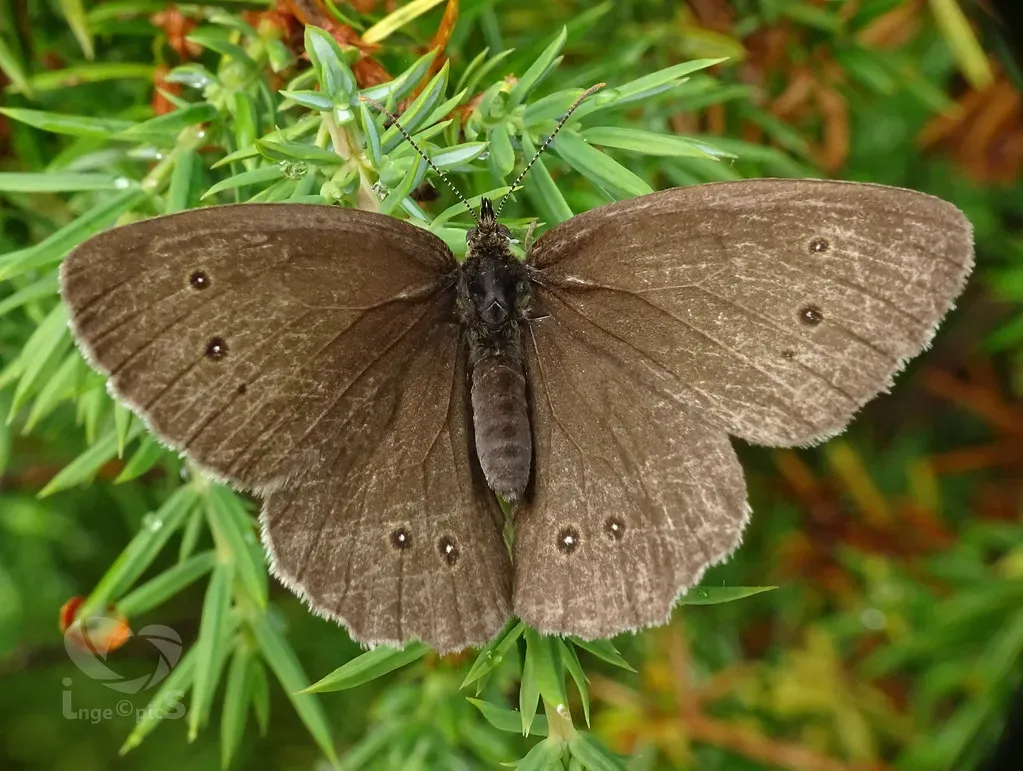
Here’s the thing: moths and butterflies belong to the same insect order, Lepidoptera, which contains well over one hundred and fifty thousand known species. For a long time, the informal distinction between “moths” and “butterflies” was treated almost like common knowledge, something every schoolchild learns but nobody really questions. Scientists have now pushed much harder on that assumption, and what they found reshapes how we think about these insects entirely.
Researchers recently laid out the clearest framework yet for understanding the biological differences between the two groups, and it goes far deeper than whether they fly by day or night. The distinction touches on evolutionary timelines spanning tens of millions of years, specific anatomical structures, and behavioral patterns that developed under very different environmental pressures. Honestly, it’s one of those cases where the more you dig, the more interesting it gets.
It All Starts With Evolution and Deep Time
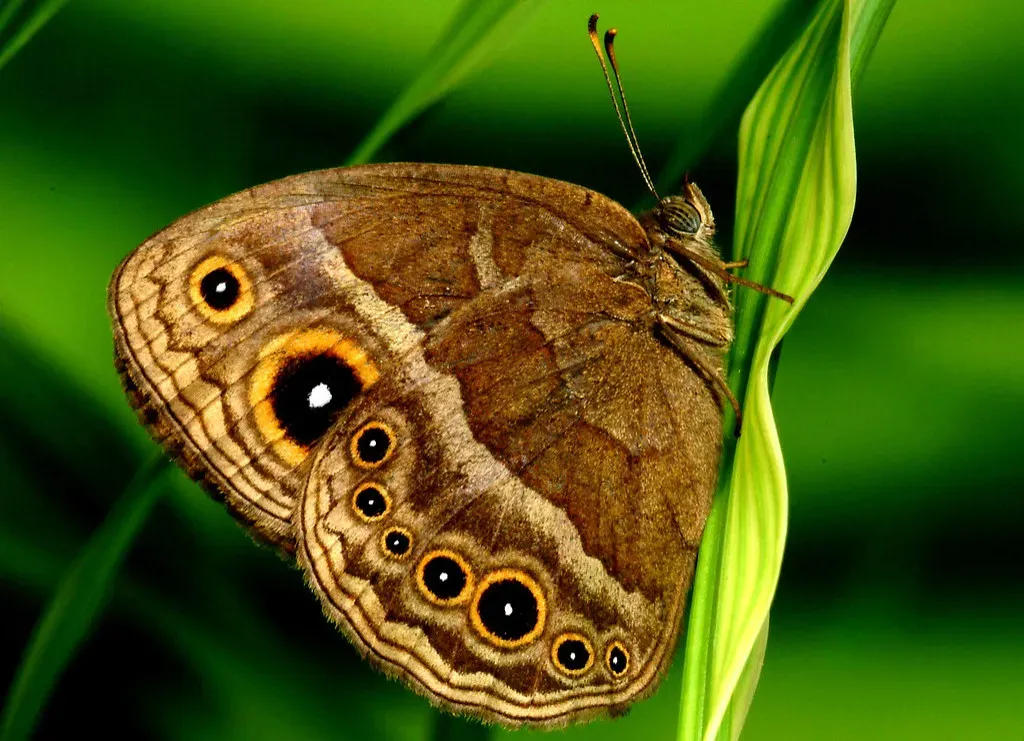
Butterflies didn’t just appear out of nowhere. They actually evolved from moths, which means moths came first by a significant margin. The ancestors of today’s butterflies branched off from the moth lineage roughly a hundred million years ago, during a period of explosive flowering plant diversity.
This is genuinely mind-bending when you sit with it for a moment. Think of butterflies as a specialized subgroup that carved out their own niche within a much older, much larger family. Moths aren’t primitive versions of butterflies. They’re the original model, still thriving in enormous diversity, with butterflies representing just one highly successful offshoot.
The Antennae Tell Almost the Whole Story
If you want a reliable, fast way to tell a moth from a butterfly, look at the antennae. Butterflies almost universally have slender antennae that end in a small clubbed tip, like a tiny drumstick at the end of a long stick. Moths, on the other hand, tend to have feathery or comb-like antennae that look like tiny ferns.
This difference isn’t cosmetic. The antenna structure is directly linked to how these insects sense their environment, find mates, and detect chemical signals in the air. A moth’s feathery antennae dramatically increase the surface area available for picking up scent particles, making them extraordinarily sensitive to odors even at incredibly low concentrations. Butterflies traded some of that chemical sensitivity for other adaptations suited to their daytime, visually oriented lifestyle.
Day Versus Night Is Real, But It’s More Complicated Than You Think
Yes, most butterflies are active during the day and most moths are active at night. That part of the popular knowledge is broadly correct. Butterflies depend on sunlight to regulate their body temperature, and they use color and UV signals in flowers to navigate. Their entire sensory and behavioral toolkit is built for a brightly lit world.
Moths evolved primarily as nocturnal creatures, which drove the development of those impressive antennae and also their famous attraction to artificial light, a behavior that still isn’t completely understood. However, here’s where it gets complicated: there are genuinely diurnal moths, meaning day-flying moths, that look remarkably like butterflies. Some of them are brilliantly colored and behave almost identically to butterflies in flight. The day-versus-night rule is a useful starting point, but it absolutely cannot be the final word.
Wing Resting Position and Body Structure Matter More Than Most People Realize
When a butterfly lands, it typically folds its wings upright, pressing them together above its body like two hands pressed in prayer. Moths, when at rest, tend to hold their wings flat and spread out to the sides, or folded tent-like along their bodies. This difference in resting posture is one of the more reliable visual clues even if the antennae are hard to see.
Body shape also plays a role. Moths often have thicker, fuzzier bodies compared to the slender, sleeker profiles of most butterflies. That fuzziness in moths serves a real thermal purpose since the dense scales and hairs help retain body heat during cooler nighttime hours. Butterflies, being day-fliers that warm up using sunlight, don’t need that same insulation. It’s a brilliant example of form following function.
The Pupal Stage Reveals a Hidden Structural Difference
Most people know that both moths and butterflies go through metamorphosis inside a pupal stage. What fewer people know is that the structures they build during this stage are fundamentally different. Butterflies form a chrysalis, which is a hardened casing formed directly from the outer layer of the pupa itself, no spinning required.
Moths, in contrast, typically spin a cocoon from silk they produce themselves, wrapping themselves in this protective layer before completing their transformation. The cocoon is actually a separate structure built around the pupa, not the pupa’s own skin. It’s a subtle distinction, but it’s one of those details that reveals just how separately these two groups have been traveling their evolutionary paths for millions of years.
Why This Distinction Actually Matters Beyond Trivia
I’ll admit, it’s tempting to file this away as interesting dinner party knowledge and move on. But the scientific community argues there’s real importance in understanding what separates moths and butterflies at a biological level. Moths are critical pollinators, especially for night-blooming plants, and many ecosystems depend on them in ways that are still being mapped.
Butterflies, because of their daytime visibility and sensitivity to environmental change, are frequently used as indicator species for ecosystem health. When butterfly populations decline, it often signals broader problems in plant communities, pesticide exposure, or habitat loss. Understanding the precise biological and evolutionary divide between these two groups helps scientists use each one more accurately as a tool for ecological monitoring. So this isn’t just about pretty wings. It’s about understanding the living systems that hold entire food webs together, which feels like about as important a reason as you could ask for.
Final Thoughts: A Division That’s Real, Messy, and Endlessly Fascinating
The split between moths and butterflies is one of those scientific questions that sounds simple until you pull the thread. The answer turns out to be layered, nuanced, and full of exceptions that make any clean definition frustratingly elusive. That’s not a failure of science. That’s exactly what makes biology so compelling.
Antennae, resting posture, pupal structures, evolutionary timing, and behavioral adaptations all contribute to the picture, but no single feature locks it down completely. The more researchers study Lepidoptera, the more apparent it becomes that nature rarely cares about the tidy categories we try to impose on it. Moths and butterflies are different, yes. But they’re also deeply, stubbornly connected in ways that keep scientists coming back for another look.
What do you think: does knowing the real science change how you see that moth fluttering at your porch light tonight? Drop your thoughts in the comments.

- Beavers Are Nature’s Engineers, Creating Vital Habitats for Other Wildlife Species - July 21, 2026
- The Recovery of the California Condor Offers Hope for Other Critically Endangered Birds - July 21, 2026
- Bats Play a Crucial Role in Controlling Insect Populations Across the United States - July 21, 2026