

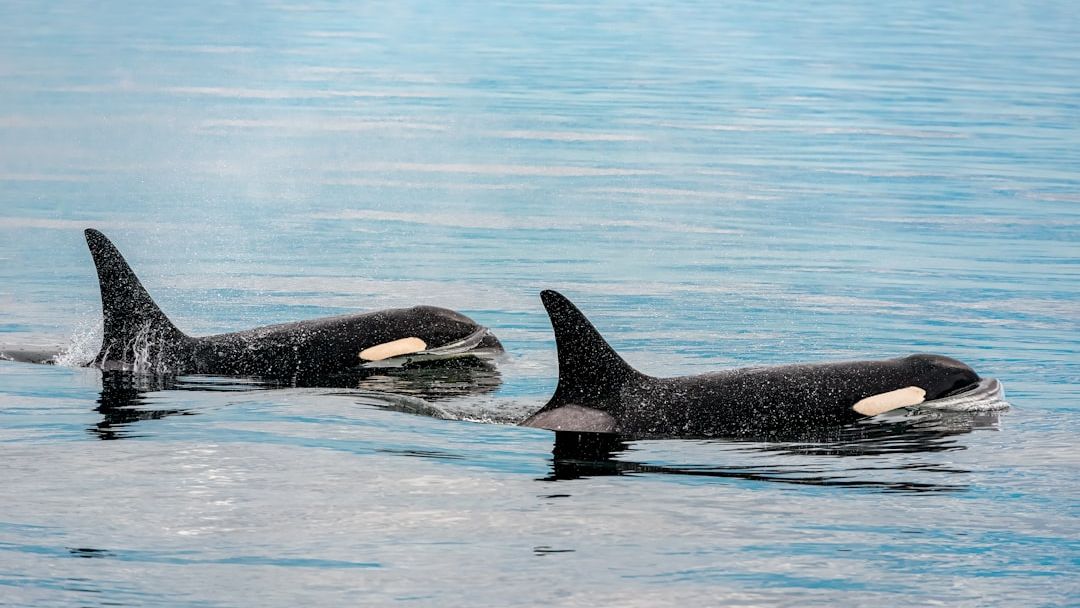
For years now, sailors off the coasts of Spain and Portugal have been sharing the same unnerving story: a group of orcas deliberately ramming, nudging, and in some cases sinking yachts. What sounded at first like a handful of bizarre incidents has grown into a recognizable pattern that experts can no longer dismiss as random. These aren’t rare, once-in-a-decade encounters; they’ve become frequent enough that some sailors openly dread the stretch of water around the Strait of Gibraltar.
What’s really shaken people is not just the damage to boats, but the sense that the whales know exactly what they’re doing. Videos show orcas targeting rudders again and again, almost like they’re disarming a ship. It feels coordinated, intentional, and a little bit eerie, like you’re watching a team sport you don’t understand. Now, a new study is suggesting something even more surprising: the orcas involved may actually share their own distinct way of “talking.”
The Study that Listened Closely to the Orcas behind the Attacks
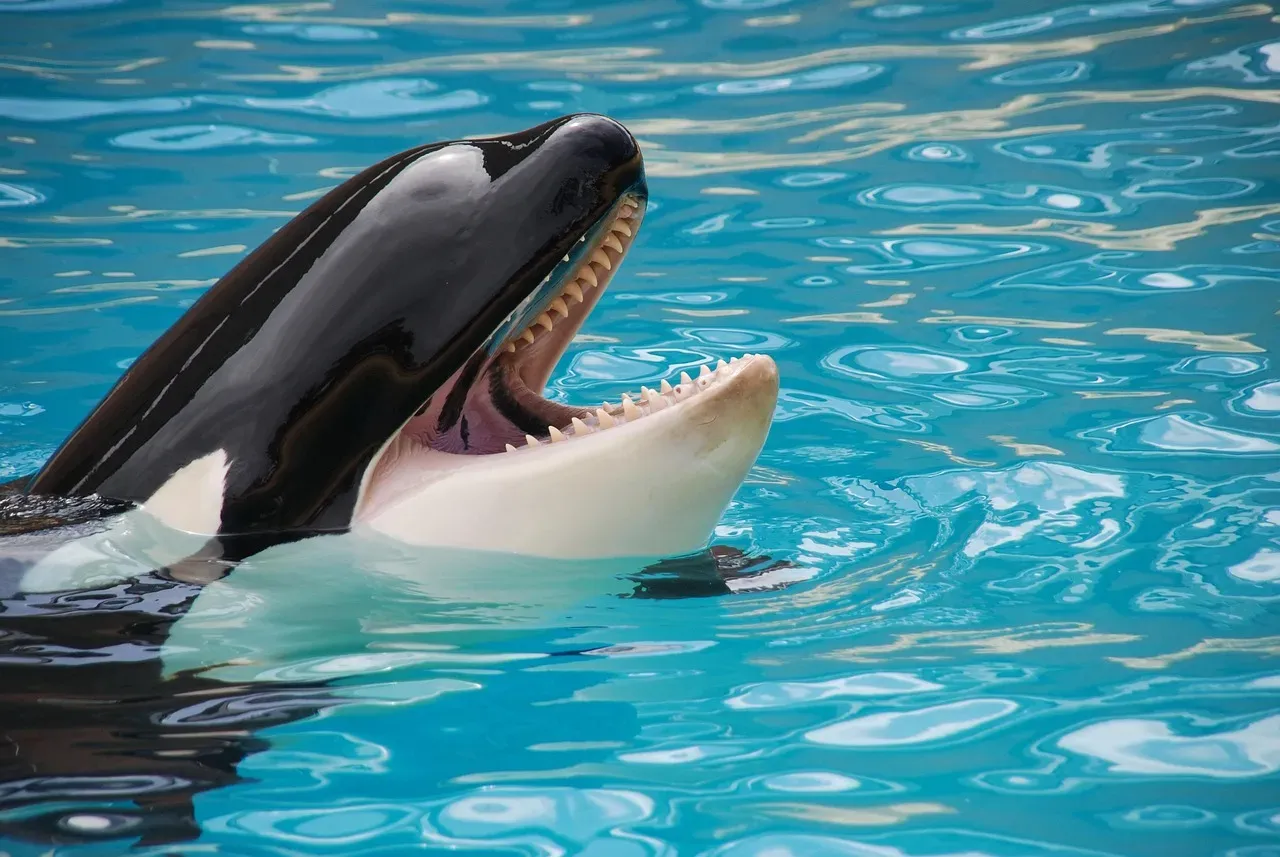
Researchers set out to answer a surprisingly basic question that nobody had nailed down yet: are these yacht-attacking orcas just random individuals, or are they part of a specific social group with its own culture? To find out, scientists recorded the calls of the orcas involved in the boat incidents, then compared them with calls from other orca groups in nearby waters. Instead of treating these whales like anonymous black-and-white torpedoes, the team treated them more like members of a tight-knit community with shared habits.
The analysis focused on patterns in the sounds, rather than just counting how often the orcas showed up. Over time, a clear acoustic fingerprint started to emerge. The orcas known for interacting with yachts weren’t just behaving in a similar way; they were vocalizing in a similar way too. That’s a strong hint that we’re not looking at a random crowd but a defined subgroup, bound together by sound, relationship, and possibly a shared history.
A Unique Dialect in the Yacht-attacking Orca Group
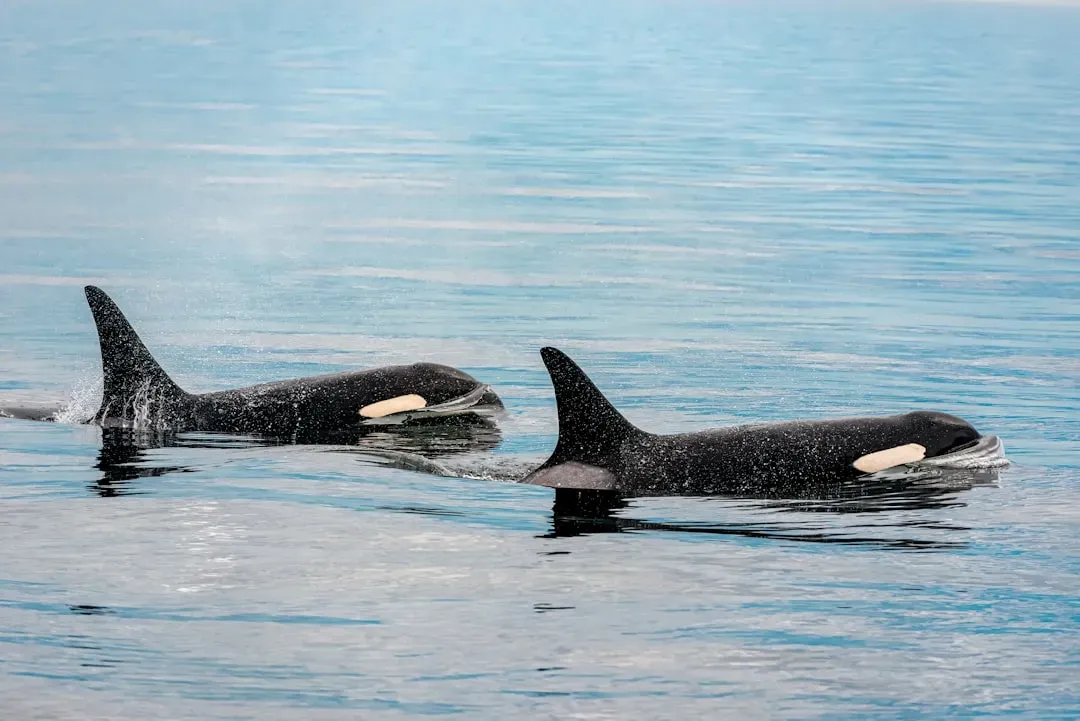
The standout finding is that these orcas appear to share a distinct dialect, a recognizable acoustic style that sets them apart from other orcas in the region. Their calls include repeated patterns, specific whistles, and pulsed sounds that researchers found consistently tied to this particular group. Just like human accents can instantly reveal where someone grew up, these whales seem to carry their group identity in their voices.
Orcas are already known for regional dialects passed down through generations, almost like family traditions in sound. The fact that this yacht-interacting group has its own dialect strengthens the idea that this is a socially cohesive clan, not just a mob of curious individuals. It also raises a more unsettling possibility: if the behavior of attacking or disabling boats is culturally shared, it could be spreading within this acoustic community the way a trend spreads through a friend group.
Are the Orcas Playing, Protesting, or Passing on a New Tradition?
One of the most hotly debated questions is why these orcas started targeting boats in the first place. Some scientists lean toward the idea of play behavior, noting that young orcas often experiment with objects in their environment, from kelp to buoys to fishing gear. Others suspect some form of negative past experience, where one or more whales were injured or disturbed by a vessel and that moment somehow seeded a lasting pattern of behavior. There’s no hard proof yet for any single explanation, which leaves a lot of room for interpretation.
What’s becoming harder to deny is that the behavior looks learned and shared, not random. When multiple whales focus on the same vulnerable part of a boat, and younger individuals seem to copy older ones, it feels less like chaos and more like a strange new tradition. In that sense, the yacht attacks start to look less like a glitch in nature and more like a cultural event inside this orca group. Whether that culture is rooted in curiosity, frustration, or something in between is still an open question.
How Sailors and Scientists are Responding on the Water
For the people sailing these waters, this phenomenon isn’t an abstract puzzle; it’s a practical, sometimes terrifying problem. Crews have reported feeling their boats shudder as orcas slam into the hull, hearing rudders crack, and watching water pour in while they call for rescue. Some sailing routes are now being adjusted, and authorities in Spain and Portugal have issued guidelines on what to do during an orca encounter, often advising crews to stop the engine, avoid shouting, and refrain from retaliating or trying to scare the animals away.
Scientists, meanwhile, are caught in a delicate balancing act: they want more data, but they don’t want to provoke more risky encounters. Many researchers argue that understanding the social identity and dialect of this group is essential to crafting any long-term response. If the whales are interacting with boats as part of a social behavior they share within a close-knit clan, then solutions will probably require more than just rerouting traffic or adding noise deterrents. They’ll require strategies that respect both the whales’ intelligence and their strong social bonds.
What this Dialect Discovery Reveals about Orca Culture
Finding a distinct dialect in this boat-interacting group helps confirm something that many marine biologists have been saying for years: orcas are not just big predators; they are cultural beings. They pass on hunting techniques, vocal patterns, and social behaviors the way humans pass on recipes, songs, and family stories. The yacht attacks might feel like a bizarre headline, but they sit within a larger picture of extremely social animals living in complex, learned systems of behavior.
To me, that’s both thrilling and uncomfortable. On one hand, it’s incredible to realize that we’re sharing the ocean with communities that have traditions and accents of their own. On the other hand, it forces us to admit that our boats aren’t just inert objects in their world; they’re part of their evolving culture, whether we like it or not. Ignoring that reality and treating these whales like mindless nuisances feels not only wrong but also strategically foolish.
A Personal Take: We’re not Just Observers in this Story
I remember the first time I read a sailor’s account of orcas breaking a rudder; the detail that stuck with me wasn’t the damage, but the calm precision in the description of the whales. They weren’t flailing or panicking; they seemed focused, coordinated, almost methodical. Hearing now that this specific group likely shares a distinct dialect only reinforces the sense that they are living out their own script, one that we’ve barged into without fully understanding. It’s unnerving to realize that, from their point of view, we might be the disruptive newcomers in an already crowded neighborhood.
My opinion is that we should stop trying to frame this solely as a problem to be solved and start treating it as a relationship that needs managing. These orcas are not going to suddenly forget their dialect or abandon their social bonds because we find them inconvenient. The more we learn, the clearer it becomes that we’re dealing with a community capable of learning, sharing, and adapting in ways uncomfortably similar to our own. In a world where we’ve reshaped so much of the planet, it’s strangely grounding to meet a wild intelligence that pushes back in its own language and on its own terms.

- Urban Coyotes Show Remarkable Adaptability, Learning to Thrive in City Environments - July 22, 2026
- Beavers Are Nature’s Engineers, Creating Vital Habitats for Other Wildlife Species - July 21, 2026
- The Recovery of the California Condor Offers Hope for Other Critically Endangered Birds - July 21, 2026