

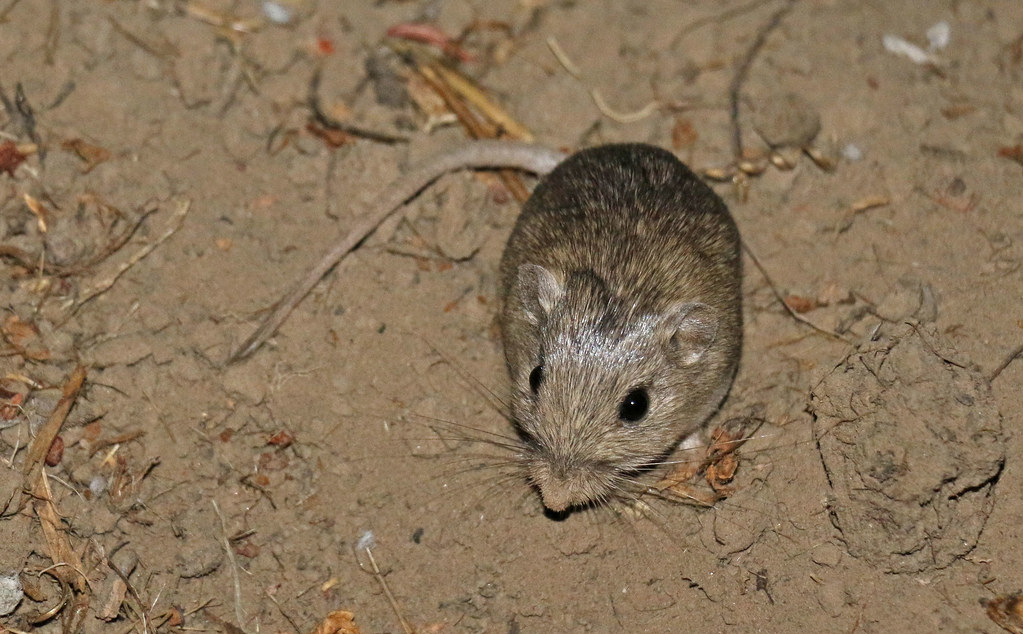
Southern California – The Pacific pocket mouse, one of the continent’s most critically endangered mammals, has surprised scientists with its capacity to adjust to shifting environmental conditions. Long feared extinct until its rediscovery three decades ago, this tiny rodent now faces mounting pressures from habitat destruction and rising temperatures. A recent genomic study reveals that it maintains crucial genetic variation tied to climate factors, offering a potential lifeline amid global warming.[1][2]
From Oblivion to Rediscovery
Researchers once believed the Pacific pocket mouse had vanished entirely. The species evaded detection for over 50 years before a small population surfaced in 1994 along the southern California coast.[1] This event marked a turning point for conservation efforts, as biologists rushed to protect the remaining individuals from immediate threats.
Habitat loss emerged as the primary culprit behind its decline. Urban development and invasive species further eroded the coastal dunes essential to its survival. Climate change compounded these issues, altering moisture levels and temperatures in ways that challenged the mouse’s existence.
Unlocking the Genome’s Secrets
A groundbreaking analysis of historical and modern genomes provided fresh insights into the mouse’s resilience. Scientists examined specimens collected across the past century, identifying patterns in genetic makeup.[1] Published in Science Advances on April 17, 2026, the study titled “Historical and contemporary genomes of an endangered rodent reveal shifts in environmentally associated genes” highlighted unexpected diversity.[3]
The team focused on regions of the DNA linked to environmental responses. They discovered 14 specific genes connected to adaptations for temperature and moisture variations. These findings stood out because many endangered species suffer from depleted gene pools, limiting their ability to evolve quickly.[1]
Tracking Adaptation in Real Time
Conservationists took the research further by monitoring a reintroduced population. Derived from a captive breeding program, these mice returned to a wild site with distinct climate conditions. Over time, the frequency of climate-related genetic variants shifted precisely as models predicted.[1]
This dynamic change indicated active adaptation at work. The Pacific pocket mouse demonstrated microevolutionary processes unfolding on human timescales. Such observations underscored the species’ potential to persist despite severe bottlenecks.
- Genomes from over a century of samples revealed persistent diversity.
- 14 genes tied directly to temperature tolerance.
- Moisture adaptation genes showed predicted shifts post-reintroduction.
- Reintroduced populations tracked for environmental gene frequency changes.
- Bottlenecks had not erased adaptive potential.
Challenges Persist for Survival
Despite these promising signs, the mouse remains North America’s most endangered rodent. Federal protections since 1994 have stabilized a few small populations, but numbers stay perilously low.[4] Ongoing habitat restoration efforts battle invasive plants and development pressures.
Climate projections add urgency. Drier conditions and hotter summers threaten the sandy burrows where the mouse forages at night. Conservation programs now incorporate genetic monitoring to bolster adaptive traits during breeding.
A Model for Global Conservation
The Pacific pocket mouse study extends beyond one species. It offers a blueprint for aiding others in a warming world. By prioritizing genetic diversity in reintroductions, managers can enhance resilience.[1]
Organizations like the San Diego Zoo Wildlife Alliance lead these initiatives. Their work emphasizes observational studies to guide interventions. As climates evolve, such strategies could prove vital for countless threatened animals.
Key Takeaways:
- The Pacific pocket mouse retains 14 genes for temperature and moisture adaptation despite near-extinction.[1]
- Reintroduced populations exhibit rapid genetic shifts matching new environments.
- Genomic analysis from century-old samples confirms ongoing evolutionary potential.
- Habitat loss and climate change remain top threats, demanding integrated conservation.
This rare mouse’s story highlights nature’s tenacity. Genetic tools now equip scientists to support adaptation, turning despair into cautious optimism. What steps should conservation take next to safeguard such species? Share your thoughts in the comments.

- Urban Coyotes Show Remarkable Adaptability, Learning to Thrive in City Environments - July 22, 2026
- Beavers Are Nature’s Engineers, Creating Vital Habitats for Other Wildlife Species - July 21, 2026
- The Recovery of the California Condor Offers Hope for Other Critically Endangered Birds - July 21, 2026