

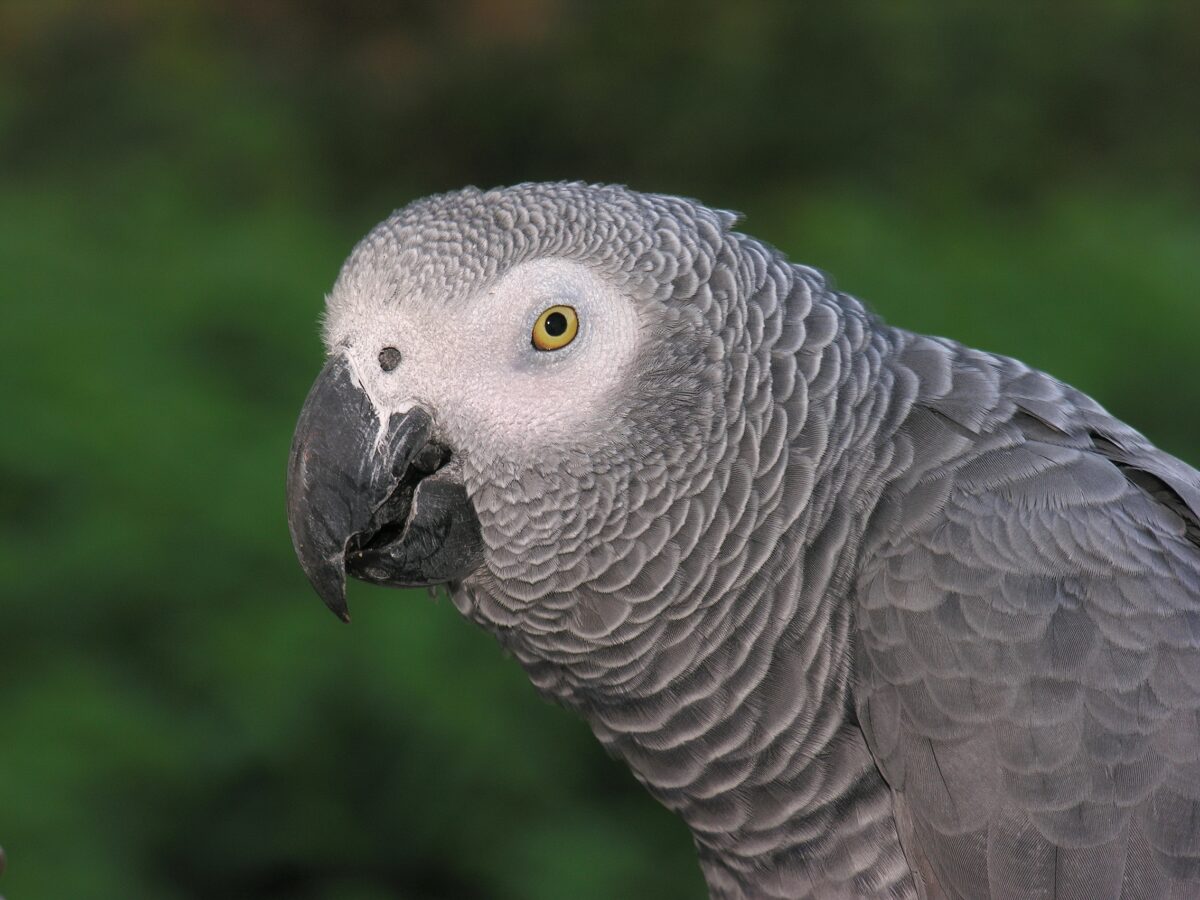
Researchers have discovered that captive parrots use distinct sounds as proper names to refer to particular people and animals, echoing how humans organize social bonds. A team led by biologists from U.S. institutions analyzed recordings from hundreds of pet parrots through a collaborative citizen science effort. The results, published recently, highlight both familiar and unexpected applications of these vocal labels.
A Fresh Look at Parrot Vocalizations
Parrots long have captivated observers with their ability to mimic human speech, but a new investigation delved deeper into whether these birds assign meaning to their imitations. Lauryn Benedict from the University of Northern Colorado spearheaded the effort alongside Christine Dahlin from the University of Pittsburgh at Johnstown and colleagues in Austria. They focused on parrots living in human households, where exposure to names provided a unique window into avian communication.
The study drew from the ManyParrots project, a global network gathering audio clips and owner surveys. This approach yielded data on over 889 parrots, allowing researchers to contextualize sounds within daily interactions. Such proximity to humans offered clearer insights than wild observations alone.
Unpacking the Research Methods
The team reviewed survey responses and scrutinized 413 audio clips submitted by parrot owners. Nearly half of participants shared examples of naming behavior, prompting a detailed review. From these, 88 instances stood out where parrots consistently linked specific sounds to individuals rather than broad groups like “people” or “dogs.”
Owners provided essential context, describing when and to whom the birds directed the calls. This helped confirm that parrots applied labels selectively – for example, using one sound exclusively for a particular family member. The methodology emphasized verifiable patterns over isolated mimicry.
Striking Parallels and Surprising Twists
Proper names streamline human social lives by pinpointing individuals amid groups, and parrots appear to leverage similar strategies. The birds correlated unique vocalizations with single targets, demonstrating precision akin to our own naming conventions. Yet, researchers noted deviations: parrots occasionally uttered their own assigned name to attract attention, a tactic uncommon in human discourse.
Christine Dahlin cautioned that direct equivalence to human names remains elusive. “We cannot conclude that they are analogous to human names both because animal signals are often so different and because we don’t understand the full intent behind the signals,” she stated. Still, the findings affirm parrots’ vocal flexibility. Dahlin added that the work “suggested that parrots do have the cognitive and vocal skills to use names in different ways, from communicating with people to even talking about someone who isn’t there.”
What This Means for Avian Intelligence
These observations build on evidence from wild animals, where signature calls aid group coordination. Parrots’ human-context advantage clarified intent, revealing cognitive depth often overlooked in mimicry-focused views. Variations emerged across species and individuals, sparking questions about evolutionary drivers.
The full study appeared in PLOS ONE, inviting further exploration. Future research might probe wild populations or neural underpinnings of labeling.
Key Takeaways
- Over 889 captive parrots contributed data via the ManyParrots project.
- 88 clips confirmed names tied to specific individuals, not categories.
- Parrots sometimes self-reference names for attention, diverging from human norms.
Parrots’ knack for personal naming underscores their sophisticated social toolkit, blurring lines between mimicry and meaningful dialogue. As studies like this evolve, they reshape our grasp of animal minds. What examples of clever parrot talk have you witnessed? Share in the comments.

- Urban Coyotes Show Remarkable Adaptability, Learning to Thrive in City Environments - July 22, 2026
- Beavers Are Nature’s Engineers, Creating Vital Habitats for Other Wildlife Species - July 21, 2026
- The Recovery of the California Condor Offers Hope for Other Critically Endangered Birds - July 21, 2026