

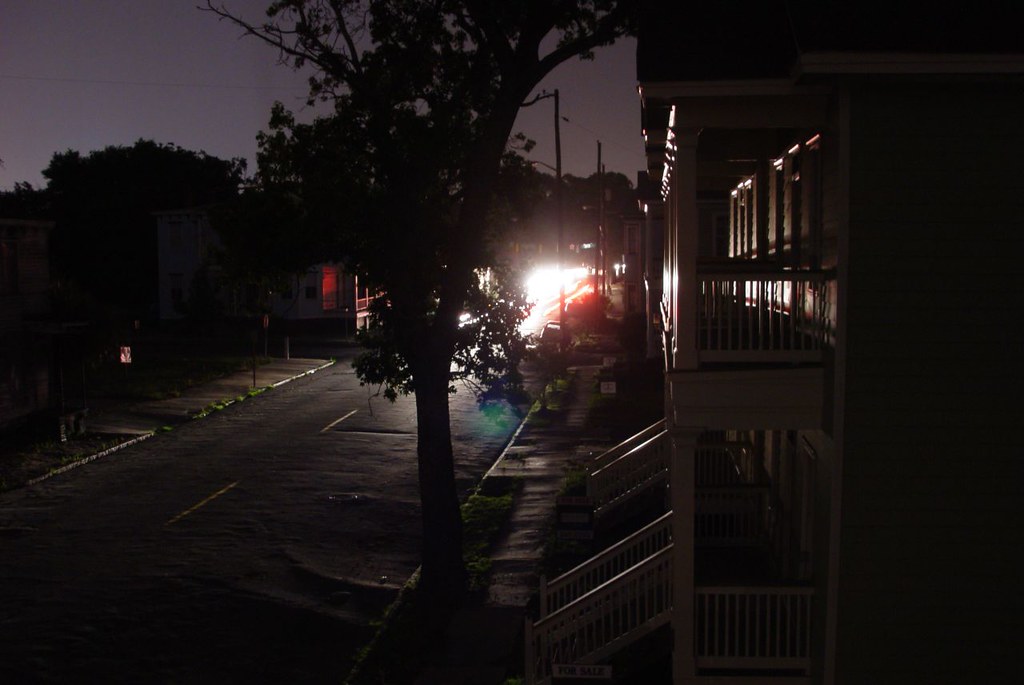
A Storm That Paralyzed the Region (Image Credits: Flickr)
Mississippi – Northern communities across the state pressed on without power for a second week as utility crews battled debris from a late-January ice storm that claimed dozens of lives.
A Storm That Paralyzed the Region
Freezing rain coated trees and power lines with nearly an inch of ice, triggering widespread outages that initially affected more than 150,000 customers statewide.[1][2] The disaster resulted in at least 29 deaths, with fallen trees and high winds exacerbating the destruction in counties like Lafayette.[2]
Lafayette County bore the brunt early on, where over 20,000 of roughly 35,000 homes lost electricity in a single night.[1] Officials compared the tree damage to a massive tornado sweeping hundreds of miles wide. Restoration lagged as crews confronted snapped poles and tangled branches.
Debris-Clogged Roads Slow Utility Repairs
Utility providers faced unprecedented obstacles, with North East Mississippi Electric Power Association reporting that crews often had to cut through fallen trees just to reach damaged lines.[2] The provider reduced outages from 28,000 to about 4,200 meters in its service area, but rural spots remained hardest hit. PowerOutage.us tracked around 15,000 customers still offline statewide as of Saturday.[2]
Beau Moore, Lafayette County’s emergency management officer, predicted several thousand more days without service for some. Milder weather offered a boost, yet the cleanup resembled months of work. Lafayette led with 4,200 outages, followed closely by Tippah County at 3,500.[3]
| County | Outages (Friday) |
|---|---|
| Lafayette | 4,200 |
| Tippah | 3,500 |
| Panola | >2,000 |
| Yalobusha | >2,000 |
| Tishomingo | >2,000 |
Residents and Leaders Face the Strain
Families near Oxford rationed spoiled food and huddled by fireplaces or gas heaters during the coldest nights.[3] Volunteers from groups like Eight Days of Hope distributed over 16,000 meals and cleared debris. Oxford Mayor Robyn Tannehill noted houses punctured by trees and yards overwhelmed by limbs, yet progress emerged as students returned to the University of Mississippi.
“We are a long way from back,” Tannehill wrote on Facebook, adding that a light appeared at the tunnel’s end.[2] Neighbors shared stories of grit, flushing toilets with buckets and cooking on stoves amid the chaos. The ordeal tested resilience in small towns unaccustomed to prolonged winter woes.
Federal Support Ushers in Recovery
President Trump approved a major disaster declaration Friday, unlocking $39 million for cleanup and local aid at Governor Tate Reeves’s request.[2] Entergy Mississippi announced full restoration for its customers, signaling gains in some sectors. Favorable forecasts promised accelerated repairs into the coming week.
Spokeswoman Sarah Brooke Bishop emphasized steady advances despite no firm timeline. Communities shifted focus to street clearing and roof repairs. The path ahead demanded patience, but momentum built.
Key Takeaways
Northern Mississippi’s trial underscores the fragility of infrastructure against rare ice events, yet collective resolve offers hope for full restoration soon. What steps should utilities take to prevent future delays? Share your thoughts in the comments.

- Urban Coyotes Show Remarkable Adaptability, Learning to Thrive in City Environments - July 22, 2026
- Beavers Are Nature’s Engineers, Creating Vital Habitats for Other Wildlife Species - July 21, 2026
- The Recovery of the California Condor Offers Hope for Other Critically Endangered Birds - July 21, 2026