

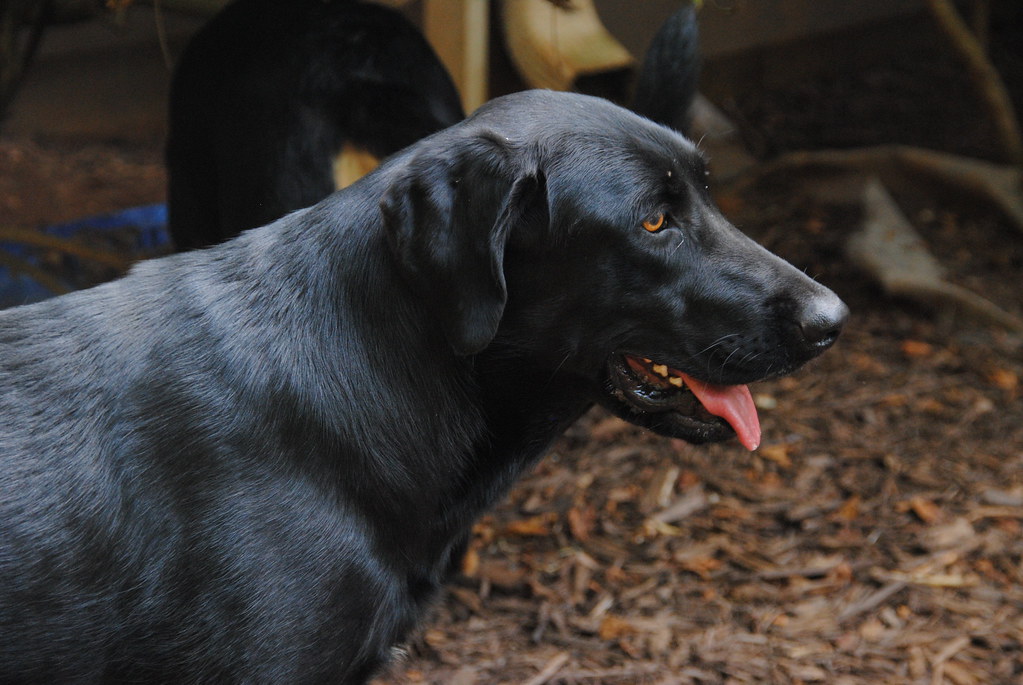

The Everyday Symphony of Digestion (Image Credits: Flickr)
A familiar rumble from your dog’s abdomen often breaks the silence during a quiet evening at home, leaving owners to wonder if it’s a simple sign of hunger or something more serious.
The Everyday Symphony of Digestion
Stomach noises in dogs, medically termed borborygmi, arise from the natural movement of gas, fluids, and food through the digestive tract. These sounds occur as the intestines contract to process meals, much like the occasional gurgles humans experience after eating. In most cases, such noises remain subtle and pass unnoticed, serving as a normal part of canine physiology. Veterinarians note that healthy dogs produce these rumbles regularly, especially after meals or during periods of rest.
However, the volume and frequency can vary based on factors like breed and size. Larger dogs with deeper abdominal cavities might amplify the sounds, while smaller breeds keep them quieter. Owners frequently report hearing these during relaxed moments, such as when the dog lounges nearby. Still, persistent or unusually loud noises warrant closer attention to rule out underlying issues.
Common Triggers for Those Familiar Growls
Hunger stands as one of the most straightforward explanations for a dog’s stomach making noise, as an empty belly prompts the gut to signal for food through contractions. Dietary indiscretions, such as scavenging table scraps or switching foods abruptly, often lead to increased gas production and subsequent gurgles. Stress from changes in routine or environment can also disrupt digestion, causing temporary tummy unrest. Even exercise on a full stomach might stir things up, leading to audible activity as the body works to break down the meal.
Other everyday culprits include swallowed air during rapid eating or drinking, which builds bubbles in the intestines. Parasites or mild infections sometimes contribute, though these typically accompany additional signs. To help identify patterns, owners can track when the noises occur – after meals, during play, or at night. Understanding these triggers allows for simple adjustments, like feeding smaller portions more frequently.
- Hunger pangs prompting intestinal contractions.
- Gas from rapid eating or inappropriate foods.
- Stress-induced slowdowns in digestion.
- Post-exercise mixing of food and movement.
- Mild irritants like new treats or allergens.
Recognizing When Gurgling Points to Trouble
While isolated rumbles rarely signal danger, a combination of loud, continuous noises with other symptoms demands prompt action. Veterinary experts highlight that conditions like gastric dilatation-volvulus (GDV), or bloat, often start with excessive gurgling alongside restlessness and a distended abdomen. Infections, blockages, or inflammatory bowel disease can amplify sounds as the gut struggles against inflammation or obstruction. Owners should monitor for vomiting, diarrhea, lethargy, or loss of appetite, as these elevate the situation from routine to concerning.
Deep-chested breeds like Great Danes or German Shepherds face higher risks for GDV, where the stomach twists and traps gas, leading to rapid deterioration. Early intervention proves crucial, as delays can turn a treatable issue into an emergency. Blood in stool or unproductive retching further underscores the need for immediate veterinary care. Tracking the duration – beyond 24 hours – helps differentiate benign episodes from those requiring professional evaluation.
Steps to Ease and Prevent Tummy Troubles
Start by ensuring a consistent, high-quality diet suited to your dog’s age and activity level, avoiding sudden changes that upset the balance. Probiotics can support gut health, particularly after bouts of diarrhea or antibiotic use, fostering a stable microbiome. Encourage slower eating with puzzle feeders to reduce air intake and overeating. Hydration remains key; always provide fresh water to aid smooth digestion. If noises persist without other symptoms, a short fast followed by bland food like boiled chicken and rice often calms the system.
For prevention, regular vet check-ups catch potential issues early, including deworming to eliminate parasites. Exercise routines should avoid intense activity right after meals, giving the stomach time to settle. In cases of frequent gurgles, diagnostic tools like ultrasounds reveal hidden problems without invasive steps. Consulting a professional ensures tailored advice, preventing minor discomforts from escalating.
Key Takeaways
- Most stomach noises stem from normal digestion or hunger and resolve on their own.
- Watch for accompanying signs like vomiting or lethargy, which signal a vet visit.
- Simple diet tweaks and routine care often prevent recurring tummy rumbles.
Attuning to your dog’s subtle cues can safeguard their health, turning potential worries into manageable moments – what signs have you noticed in your pet lately? Share in the comments below.

- Urban Coyotes Show Remarkable Adaptability, Learning to Thrive in City Environments - July 22, 2026
- Beavers Are Nature’s Engineers, Creating Vital Habitats for Other Wildlife Species - July 21, 2026
- The Recovery of the California Condor Offers Hope for Other Critically Endangered Birds - July 21, 2026