

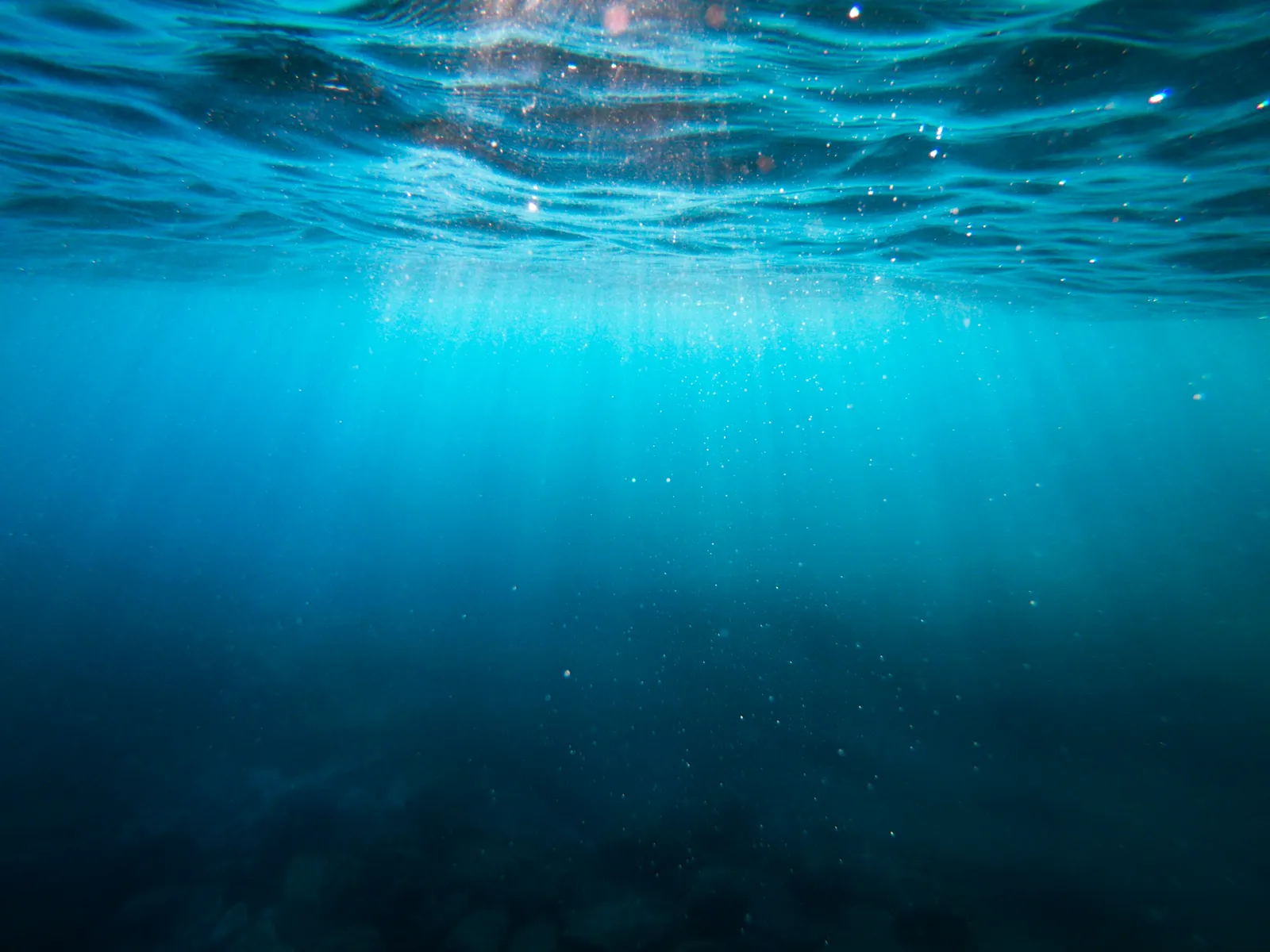
Picture a sinking camera drifting past the last faint blue of daylight. Below a few hundred meters, the sun is gone, and so is every plant-like organism that could make oxygen from light. You’d expect the water down there to be stale and empty, the way a sealed room goes stuffy.
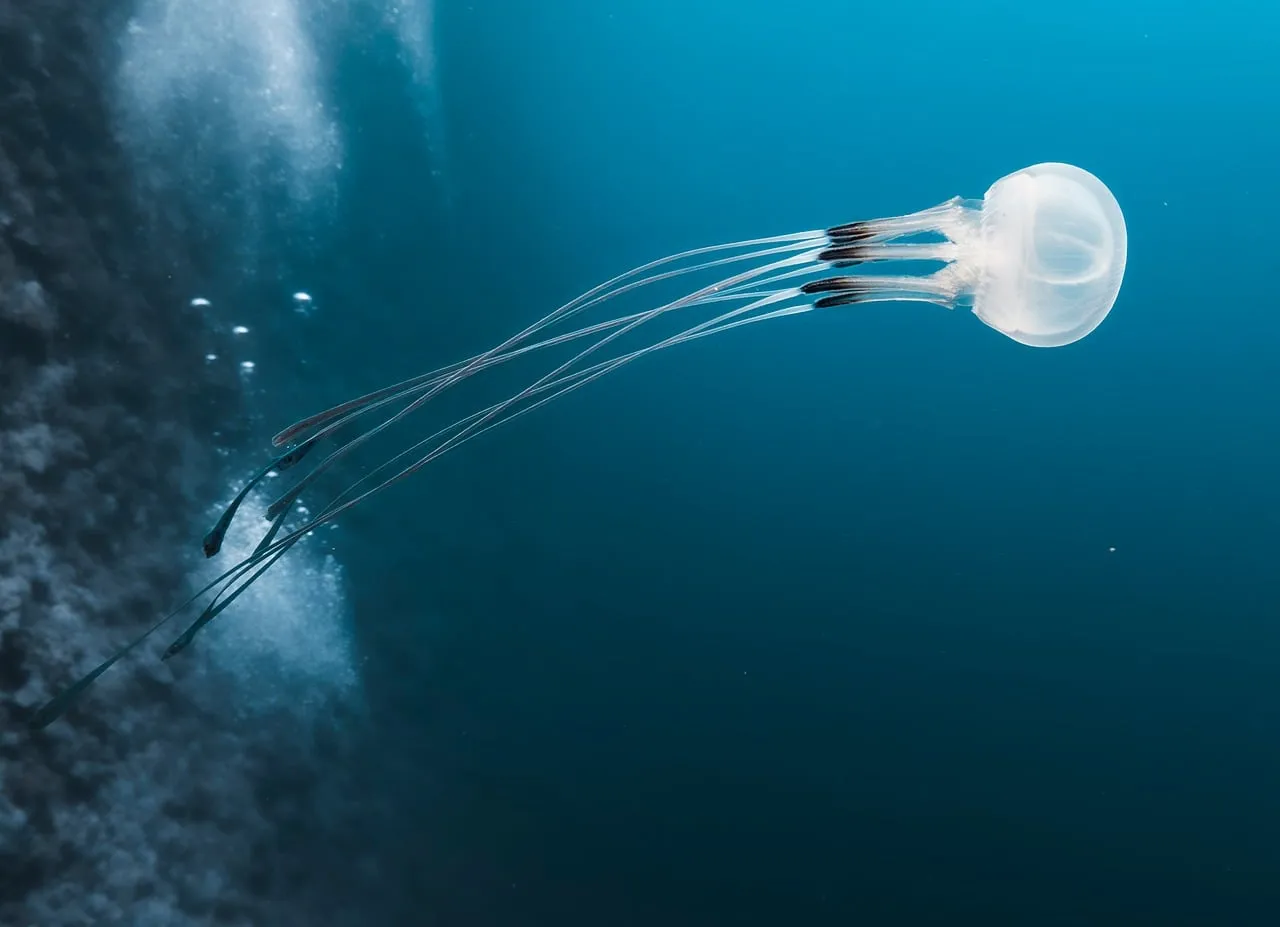
Yet the deep sea is full of animals, from translucent jellies to giant squid to fish that glow on purpose. They breathe, and they do it in water that never sees the sun. So where does their oxygen come from, and why hasn’t it run out?
Oxygen Is Made at the Top, Not the Bottom
🔥 Would you like to save this?
We'll email this post to you, so you can come back to it later!
The first thing to understand is that the deep ocean doesn’t make its own oxygen. Almost all of it is produced near the surface, where microscopic algae called phytoplankton photosynthesize. Oxygen also dissolves into the surface layer straight from the air, helped along by wind and waves.
Think of the surface as a factory and the deep as a warehouse. The factory runs only while the lights are on, and the warehouse simply holds what gets delivered. Once that oxygen is carried below the sunlit zone, nothing in the dark replaces it, so the supply depends entirely on delivery and on how fast it gets used.
That’s why scientists often describe deep oxygen as inherited rather than produced. Each parcel of deep water carries a record of where it last touched the atmosphere. It’s a slow, quiet inheritance, and it has been running for a very long time.
Cold Water Holds More Gas
🔥 Would you like to save this?
We'll email this post to you, so you can come back to it later!
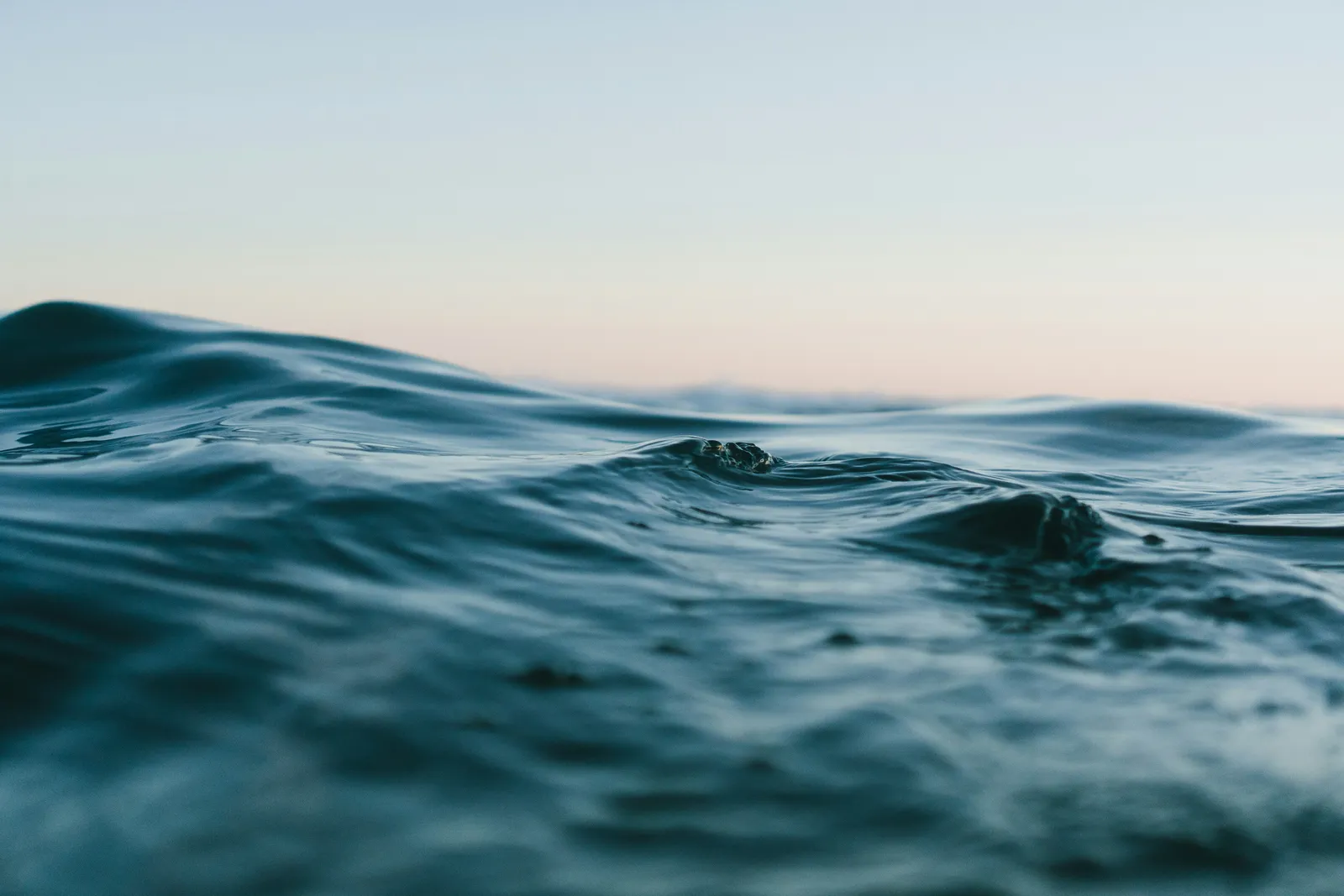
Temperature matters here more than most people expect. Gases dissolve better in cold water than in warm water, which is the same reason a cold soda stays fizzy longer than a warm one. Water at the poles is bitterly cold, so it soaks up a lot of oxygen when it meets the air.
Cold water is also dense. As it chills, it becomes heavier, and eventually it sinks, taking its oxygen with it. This happens most strongly in the North Atlantic and around Antarctica, where surface water cools, gets saltier as sea ice forms, and drops toward the seafloor.
So the deep ocean gets a double benefit. The water that feeds it starts out oxygen rich, and the sinking process packs that oxygen into the abyss. It’s a neat bit of physics doing biological work.
- Cold water dissolves more oxygen than warm water.
- Dense, cold water sinks and carries that oxygen downward.
- Polar regions are the main starting points for this delivery.
The Global Conveyor Belt Moves It Around
🔥 Would you like to save this?
We'll email this post to you, so you can come back to it later!
Sinking water doesn’t just sit there. It becomes part of the large scale circulation often called the global conveyor belt, or thermohaline circulation. Heat and salt differences drive deep currents that travel through every ocean basin.
These flows are slow. A full trip of the deep ocean can take on the order of hundreds to roughly a thousand years, according to standard oceanographic estimates. Along the way, the water spreads oxygen far from where it sank, including into basins that are thousands of miles from any polar region.
Surface mixing helps too, though more locally. Storms, eddies, and seasonal overturning push oxygenated water down into the layers just beneath the sunlit zone. The deepest water relies mostly on the conveyor, while the middle depths lean on a mix of both.
Deep Animals Use Oxygen Sparingly
🔥 Would you like to save this?
We'll email this post to you, so you can come back to it later!
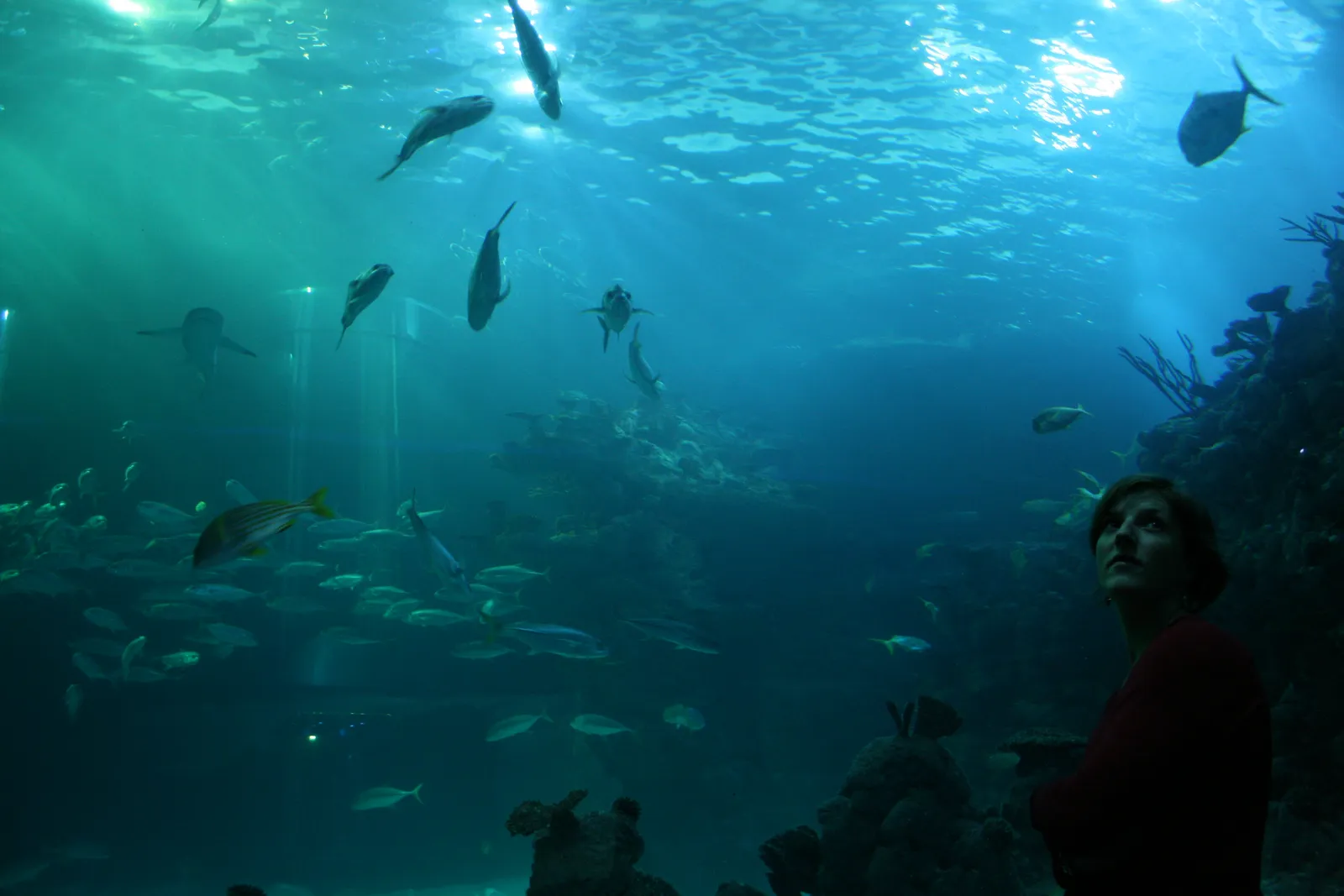
Supply is only half the story. Demand matters just as much, and deep sea life has adapted to need very little. Food is scarce below the sunlit zone, so many animals live slowly, with low metabolic rates that burn oxygen at a gentle pace.
Cold temperatures slow metabolism further. A fish that isn’t chasing prey every hour doesn’t need much fuel or much air. Many deep dwellers wait, drift, or ambush rather than sprint, which keeps their oxygen budget small.
Some have also developed efficient gills, blood that grabs oxygen well, or body plans that favor soft, watery tissue over heavy muscle. These aren’t magic tricks, just ordinary evolution tuned for a stingy environment. The result is a community that fits comfortably inside the oxygen the ocean can offer.
Marine Snow Feeds Life and Uses Up Oxygen
🔥 Would you like to save this?
We'll email this post to you, so you can come back to it later!
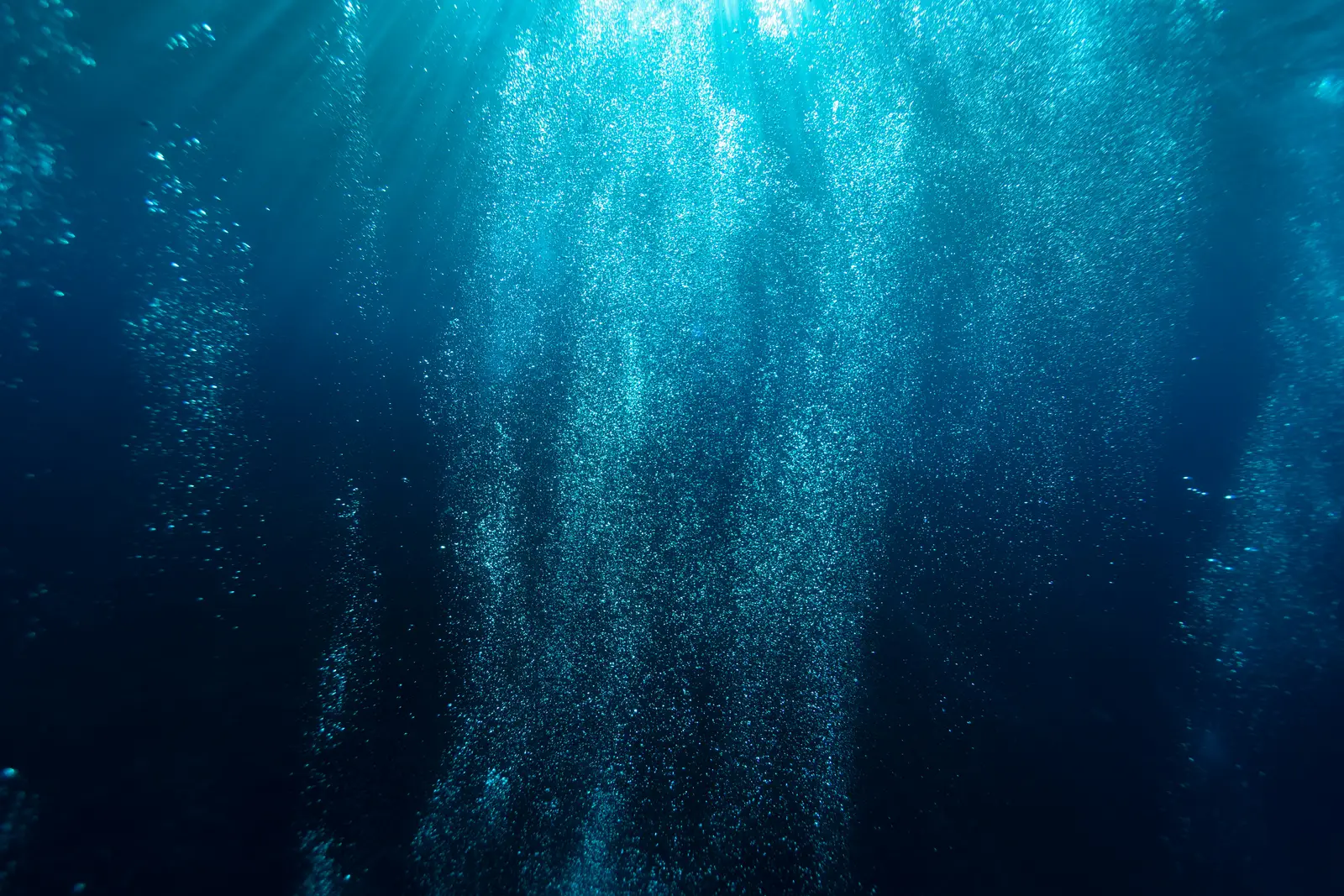
Here’s a twist worth knowing. The same surface productivity that creates oxygen also feeds the deep, in the form of marine snow. This is a steady drift of dead plankton, fecal pellets, and other organic bits sinking from above.
Bacteria eat much of this material on the way down, and they use oxygen to do it. That’s why oxygen doesn’t just rise steadily with depth. In many regions there’s an oxygen minimum zone at moderate depths, often somewhere in the upper kilometer, where decay has used up a lot of what was delivered.
Below that layer, oxygen frequently recovers, because deeper water often originated at the poles and was less consumed along the way. It’s a bit counterintuitive. The deepest water can be better supplied than the layer sitting above it.
- Marine snow carries food from the surface to the deep.
- Microbes use oxygen as they break it down.
- Oxygen minimum zones form where that use outpaces resupply.
Not Every Deep Place Is Well Supplied
🔥 Would you like to save this?
We'll email this post to you, so you can come back to it later!
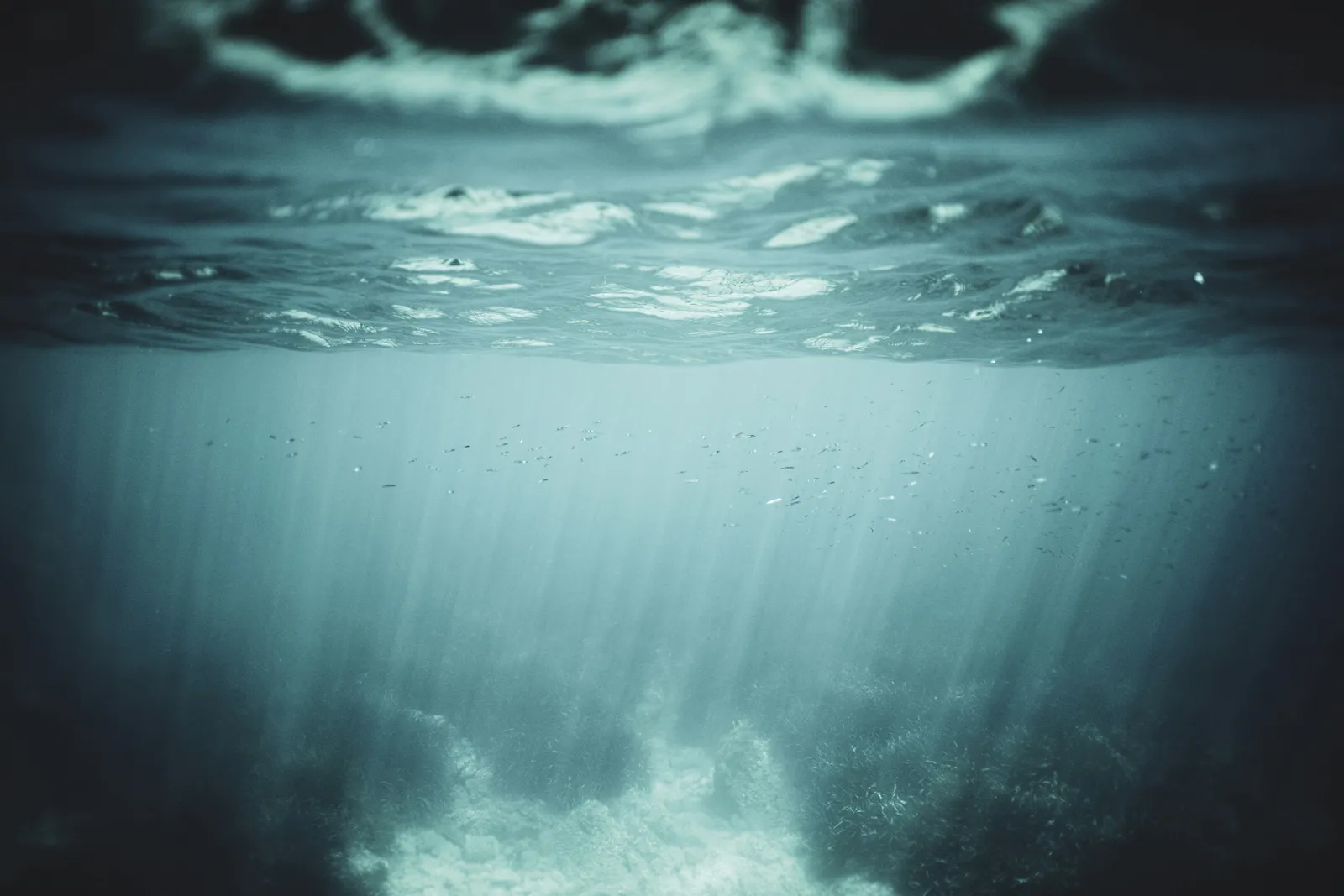
It would be too tidy to say the whole deep ocean is rich in oxygen. Some regions, such as parts of the eastern tropical Pacific and the northern Indian Ocean, have large low oxygen zones. A few enclosed basins, like the Black Sea’s deep water, have almost none and are dominated by microbes that don’t need it.
Scientists also report that the ocean has been losing oxygen overall in recent decades, with warming and changing circulation among the suspected drivers. Warmer water holds less gas, and stronger layering of the surface can slow the mixing that brings oxygen downward. The size of the decline varies by region and by study, so it’s best to treat exact figures with caution.
This matters for animals that depend on certain depth ranges. Species can get squeezed into shallower, brighter water if the low oxygen layer expands, and that changes who eats whom. It’s an active research area, and the picture is still being refined.
Final Thoughts
🔥 Would you like to save this?
We'll email this post to you, so you can come back to it later!
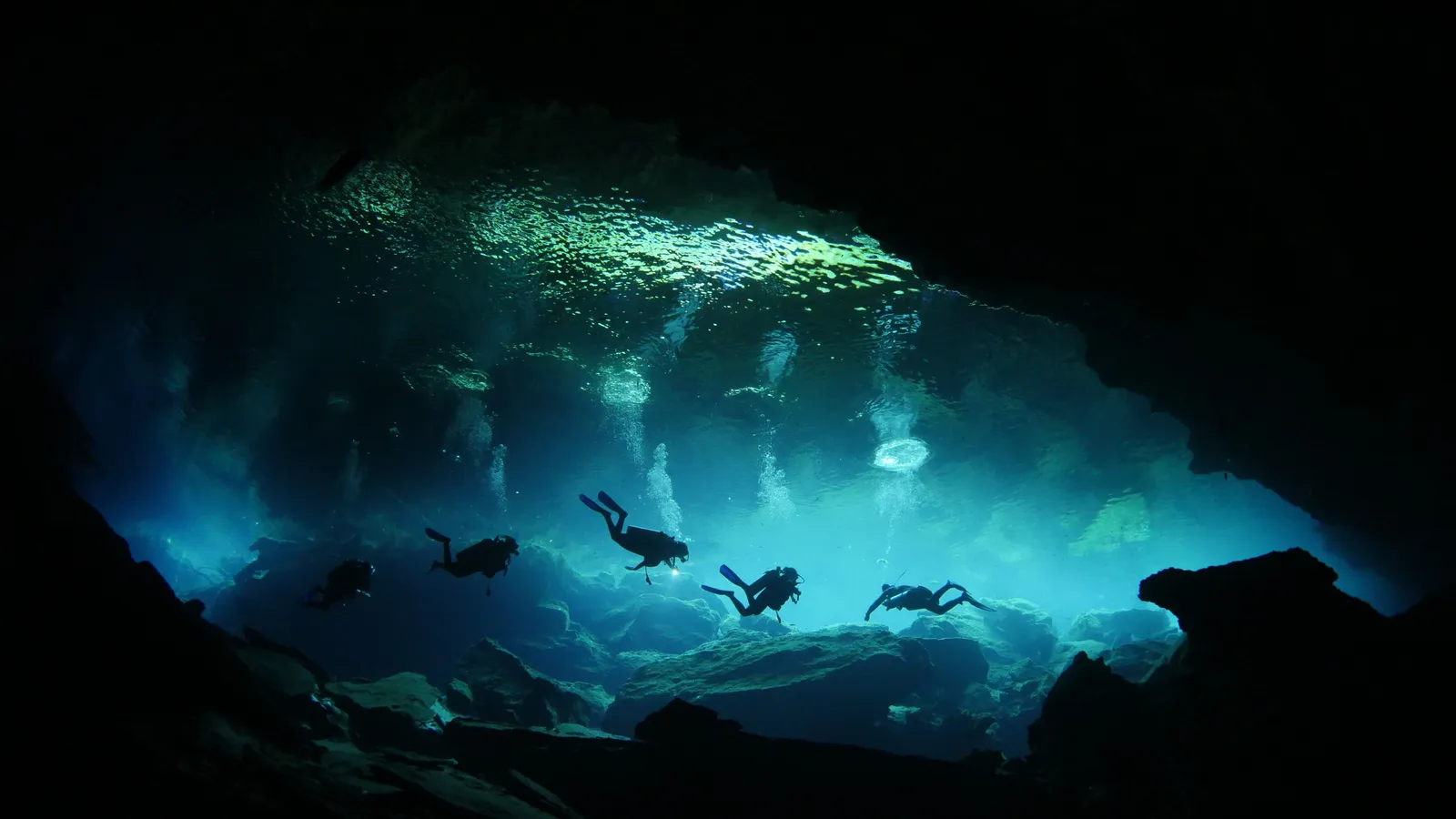
The deep ocean breathing without sunlight isn’t a paradox once you see the plumbing. Oxygen is made up top, stored in cold dense water, delivered by slow global currents, and spent carefully by animals built for scarcity. It’s a delivery system, not a production line.
My view is that this is one of the most underrated ideas in environmental science. We tend to treat the dark ocean as remote and unchangeable, yet its oxygen is tied directly to surface conditions we’re altering. If the supply line weakens, the deep won’t be unaffected just because we can’t see it.
So the next time someone calls the deep sea a dead zone of darkness, you can correct them. It’s alive because the surface keeps sending it air, and that connection deserves more attention than it gets.

- 7 Everyday Habits That Can Make Your Senior Dog Happier - November 5, 2026
- 10 Enigmatic Structures That Continue to Puzzle Scientists Today - November 5, 2026
- 10 Strange Ruins in the Americas That Challenge What We Know About Early History - November 5, 2026