
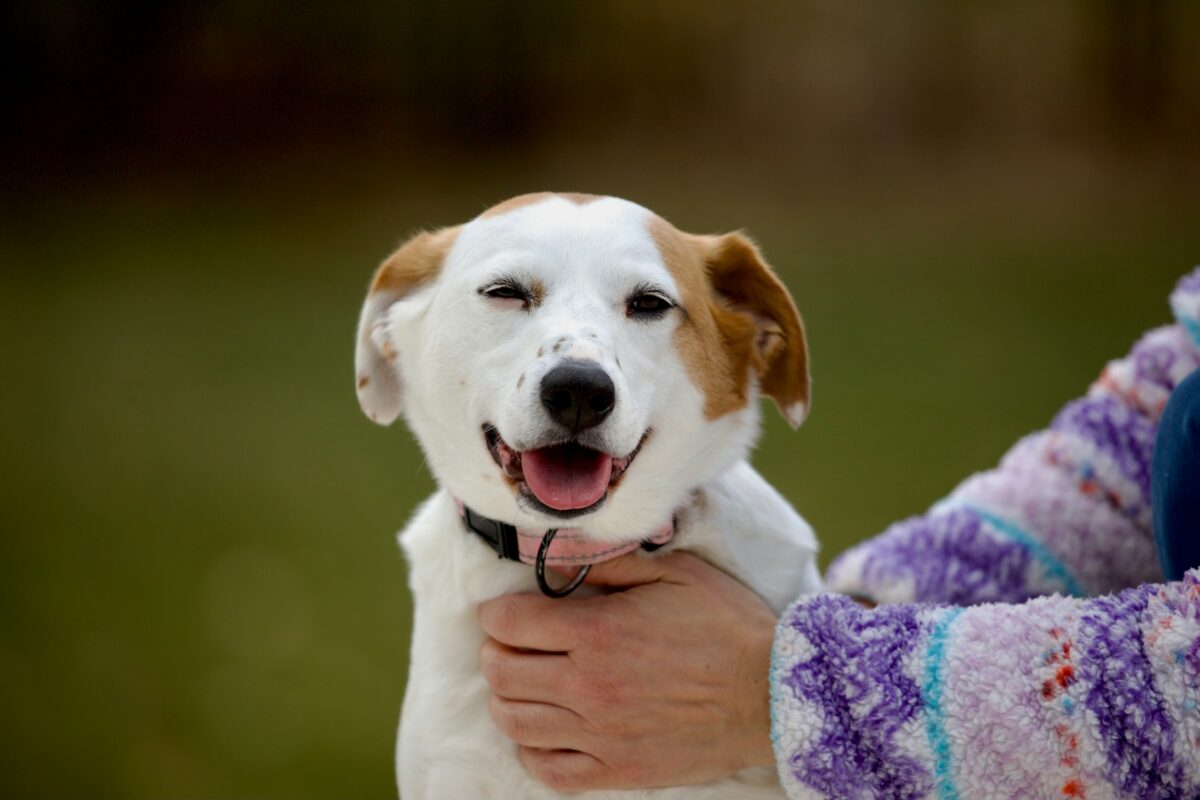
You walk through the door, your dog trots over, and the lips pull back to reveal a neat row of front teeth. Is that a grin? A warning? Plenty of owners have stood there for a half second, unsure whether to laugh or step back.
The honest answer is that the same facial move can mean very different things. What separates a friendly gesture from a serious signal usually sits in the rest of the body, the setting, and the dog’s history. Getting it right helps you keep both your dog and the people around them safe.
The Behavior Has a Name, and It Isn’t Always One Thing
🔥 Would you like to save this?
We'll email this post to you, so you can come back to it later!
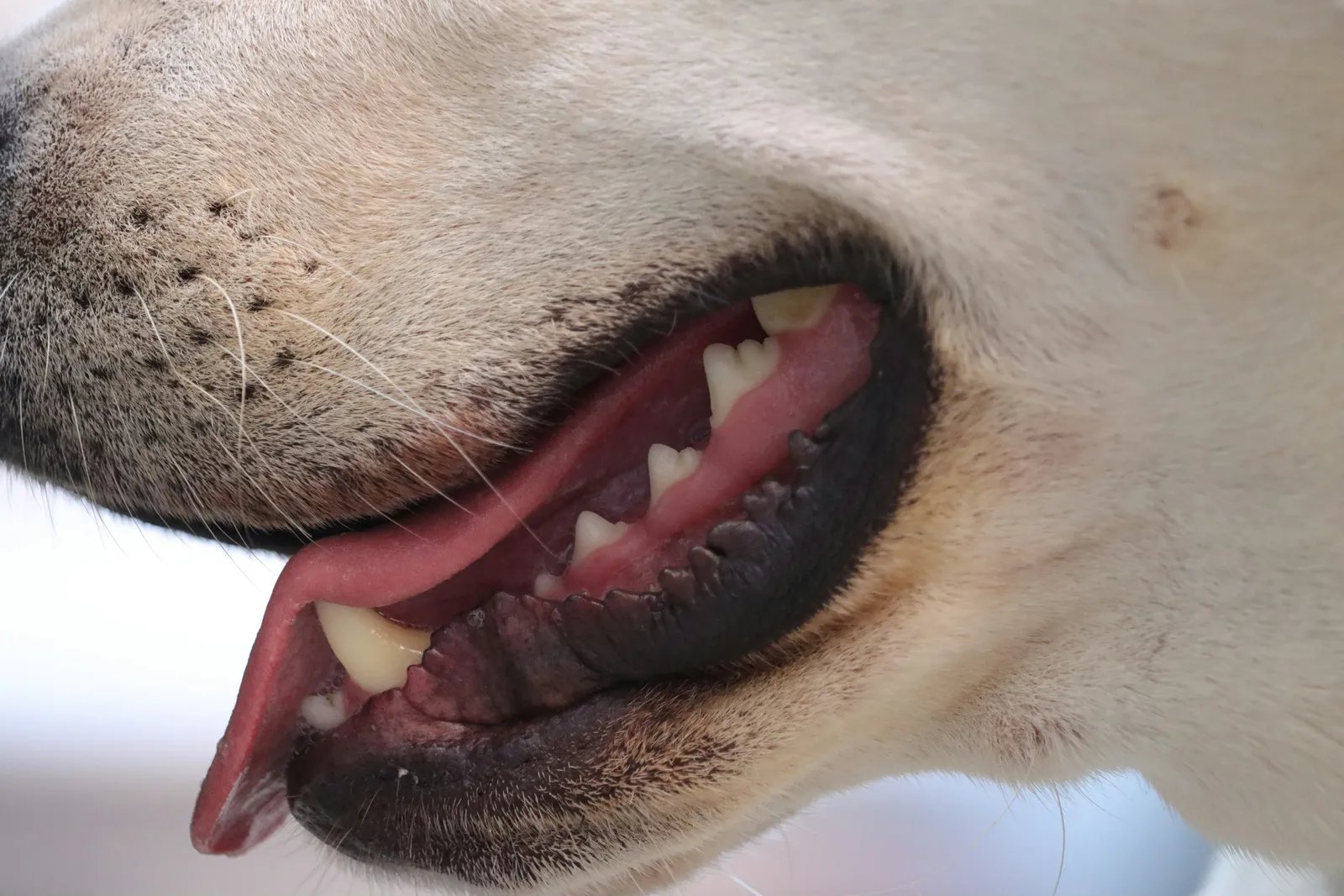
Dog trainers and behaviorists use a few terms for lip lifting. One is the “submissive grin,” sometimes called a “smile,” which is a social gesture. The other is a snarl, which is a true warning that comes before a bite.
Both involve the lips drawing back from the front teeth. That overlap is why people mix them up. The details matter far more than the single feature of visible teeth.
What a Friendly Grin Looks Like
🔥 Would you like to save this?
We'll email this post to you, so you can come back to it later!
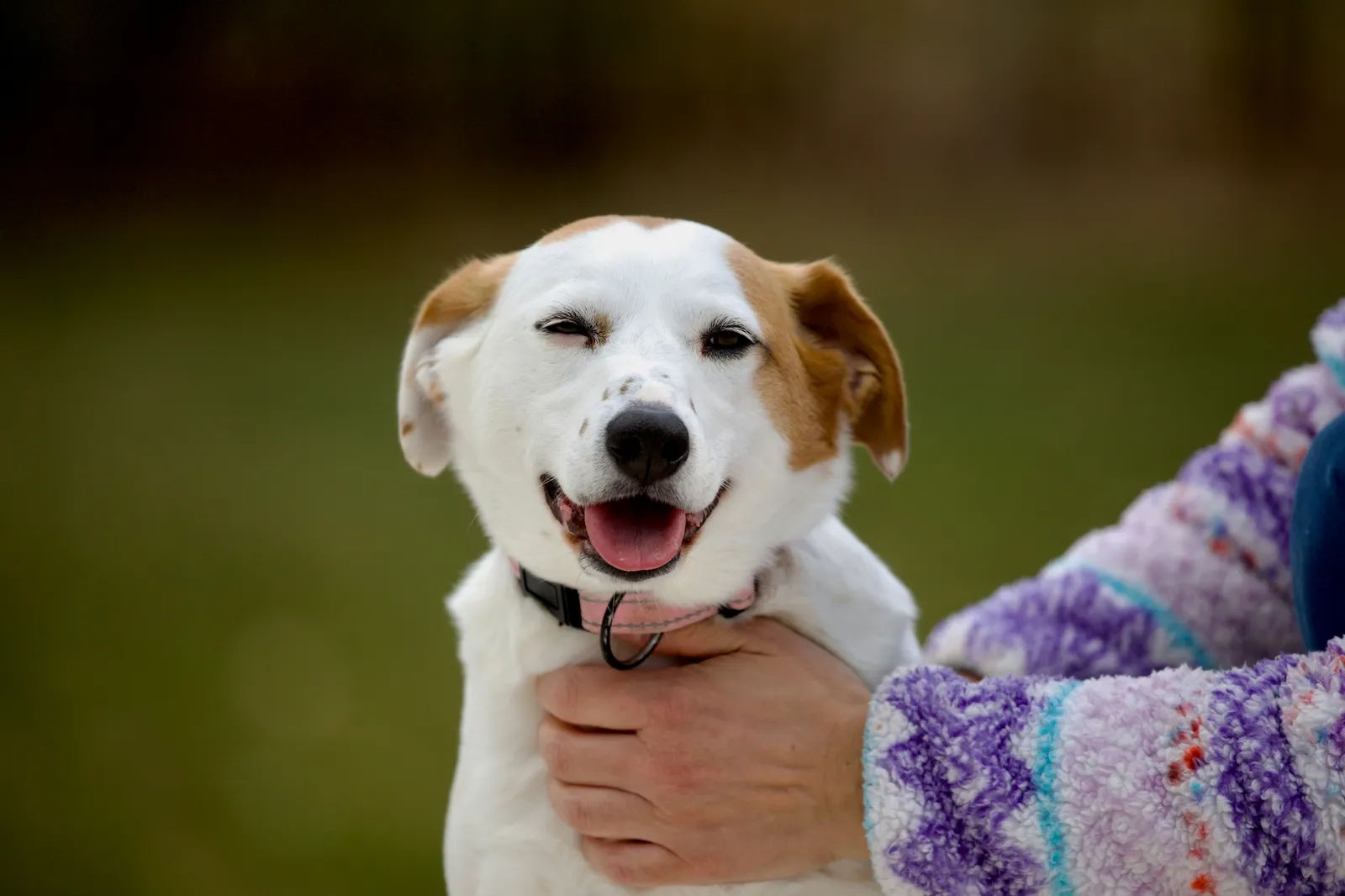
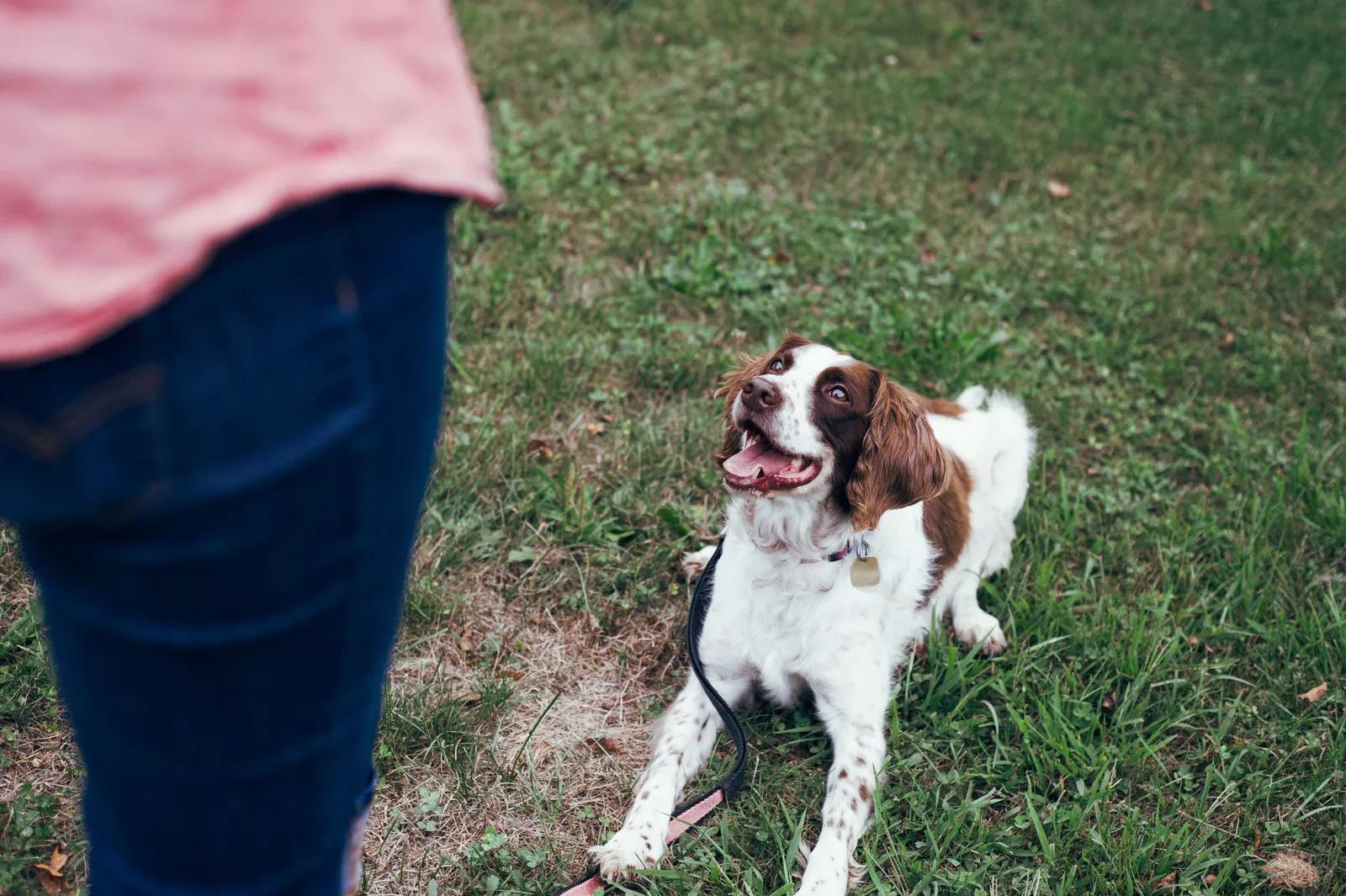
A so-called smile tends to show up in relaxed, loose dogs. The body is soft and wiggly, the eyes look gentle, and the ears often sit back or relaxed. The mouth may be partly open, and the teeth appear briefly rather than being held on display.
Many dogs do this when greeting a favorite person. It’s usually paired with a low, sweeping tail wag or a bouncy approach. Some dogs also seem to learn that it gets a happy reaction from us, so they repeat it.
What a Warning Snarl Looks Like
🔥 Would you like to save this?
We'll email this post to you, so you can come back to it later!
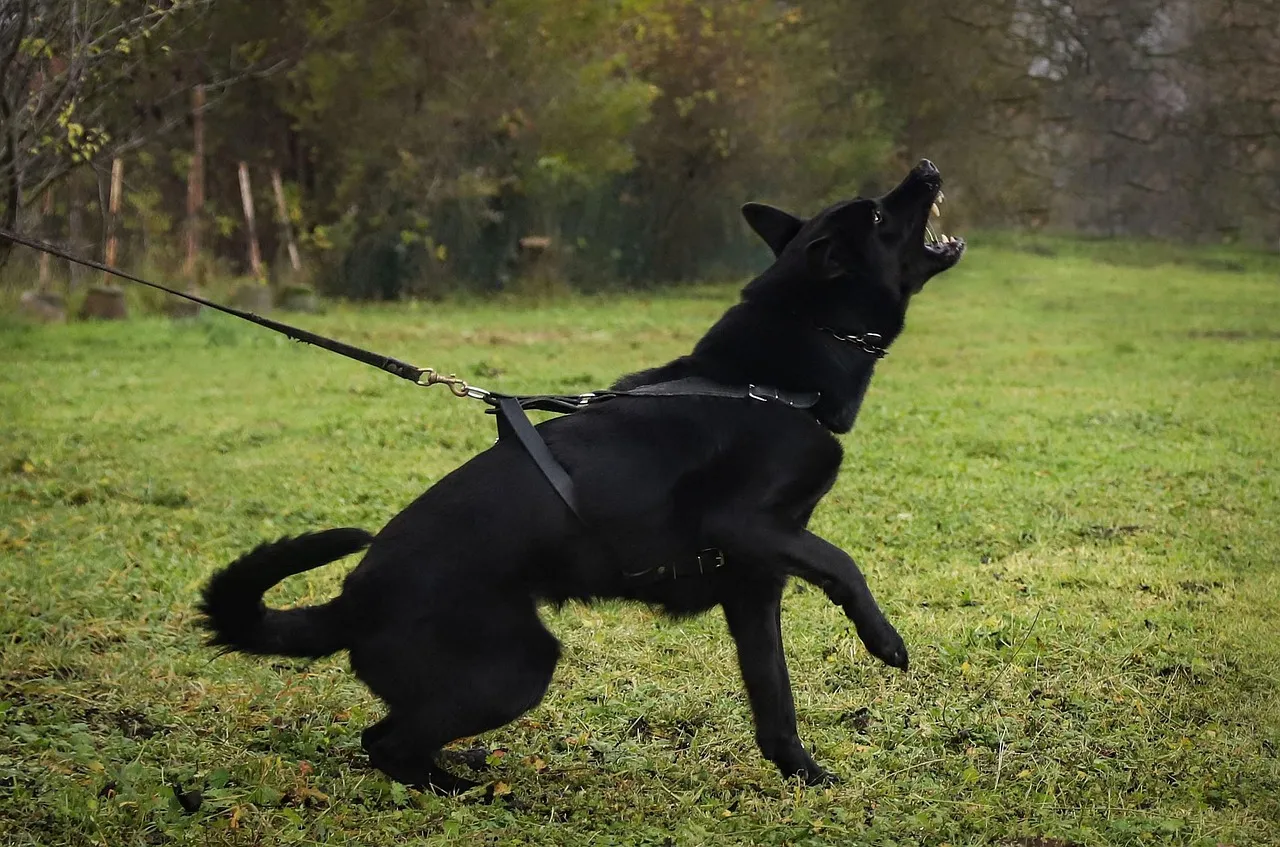
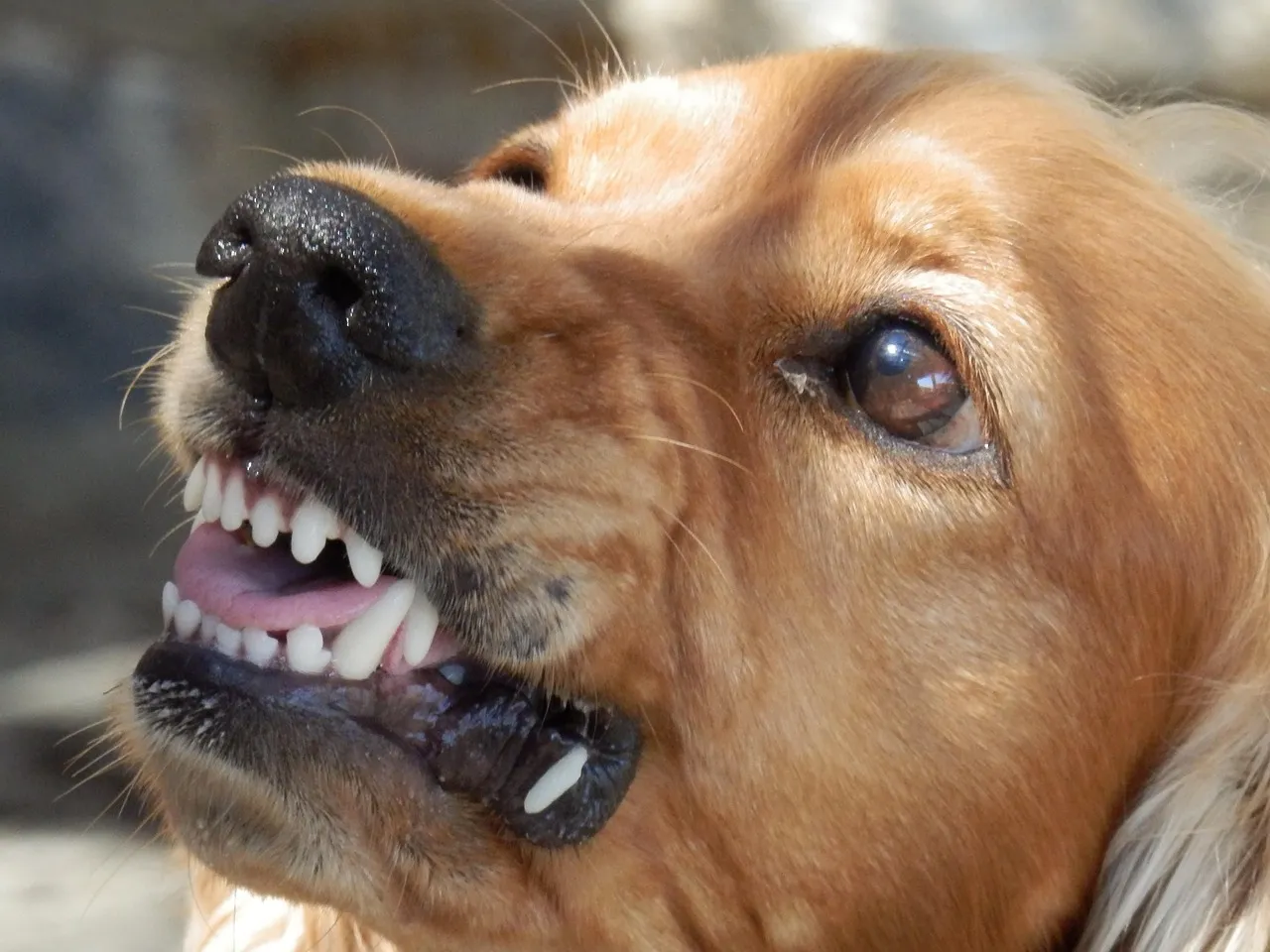
A warning is a different picture. The body often goes stiff or still, the stare gets fixed, and the weight may shift forward or freeze. The lips lift higher, often with a wrinkled muzzle, and you may hear a growl.
Take that seriously. A snarl is communication, not misbehavior, and it’s the dog saying they’re uncomfortable and need space. Punishing it can teach a dog to skip the warning next time, which makes things more dangerous.
Read the Whole Dog, Not Just the Mouth
🔥 Would you like to save this?
We'll email this post to you, so you can come back to it later!
Think of the teeth as one word in a sentence. Check the eyes, ears, tail, posture, and overall tension. Soft and wiggly points one direction, while rigid and staring points the other.
Dogs can also send mixed signals when they feel conflicted. Licking lips, turning the head away, yawning, or showing the whites of the eyes can suggest stress. When in doubt, treat it as caution rather than cuteness.
Context Changes the Meaning
🔥 Would you like to save this?
We'll email this post to you, so you can come back to it later!
Ask what just happened. Was your dog greeting you at the door, or standing over a bone when a child walked by? Resource guarding, fear, pain, and surprise are all common triggers for lip lifting that isn’t friendly.
Breed, age, and individual personality play a role too. Some dogs are simply more expressive, and one dog’s grin may look different from another’s. Knowing your own dog’s baseline is the best tool you have.
When to Back Off and Who to Call

🔥 Would you like to save this?
We'll email this post to you, so you can come back to it later!
If you suspect a warning, stop what you’re doing, stay calm, and avoid direct staring or reaching toward the dog. Give them room, and calmly move away from whatever triggered the reaction. Don’t scold.
If lip lifting is new, frequent, or tied to being touched in certain spots, a vet visit is wise, since pain can drive defensive behavior. A certified trainer or veterinary behaviorist can help with guarding or fear. Videos of the behavior make it much easier for a professional to interpret.
My Take: Don’t Assume the Smile
🔥 Would you like to save this?
We'll email this post to you, so you can come back to it later!
I think the cute label causes more trouble than it solves. Plenty of people see teeth and decide their dog is grinning, especially after seeing viral clips. That assumption can be risky around children and strangers.
Err on the side of curiosity and caution. Learn your dog’s body language the way you’d learn a second language, and treat every tooth flash as a conversation worth understanding. A dog who gets listened to usually has less reason to shout.

- 8 Fascinating Facts About Owls You Never Knew - November 5, 2026
- 10 Plants That Repel Mosquitoes in Texas - November 5, 2026
- What Egyptian God Are You According to Your Zodiac Sign - November 5, 2026