
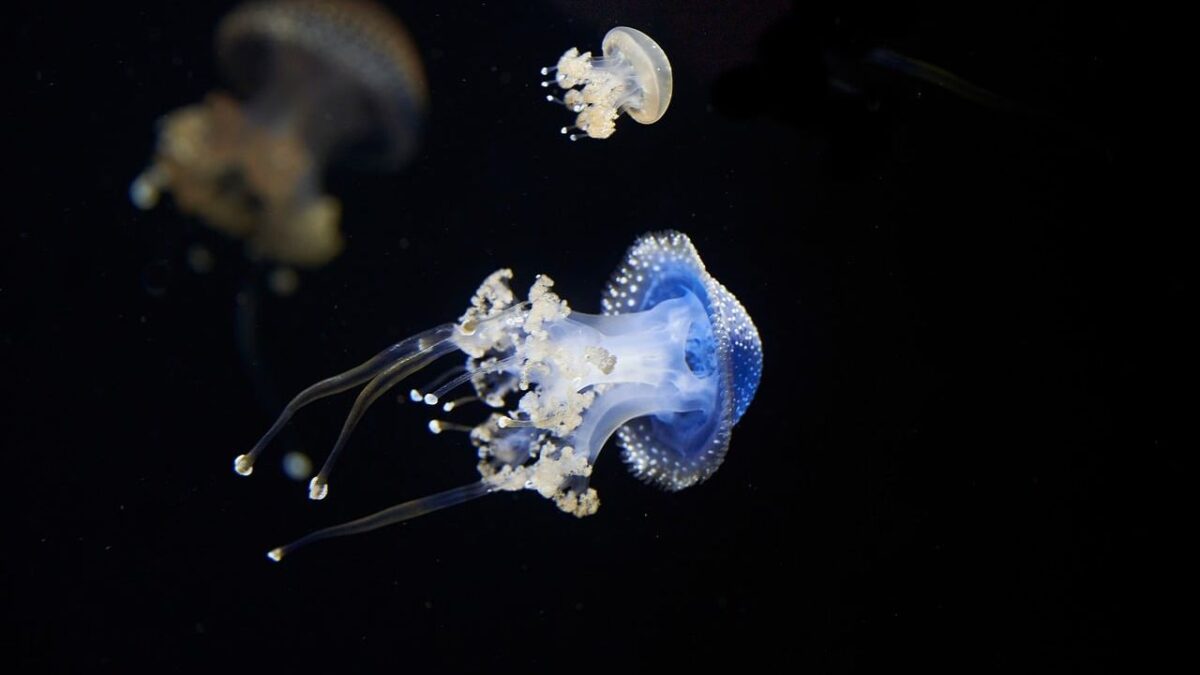
The Boundary Where Light Fades
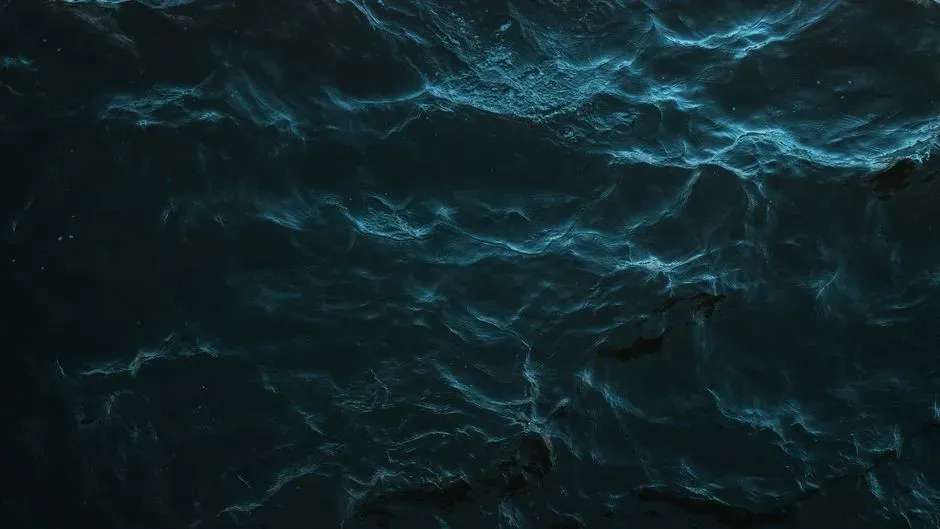
Sunlight reaches only the top couple hundred meters of the sea in any meaningful way. Below that threshold, the water grows steadily darker until complete blackness sets in around a thousand meters down.
That darkness has persisted for billions of years because no ray of light has ever penetrated those depths. The result is an environment shaped solely by pressure, cold, and chemistry rather than the daily cycle of day and night.
Defining the Hadal and Abyssal Realms
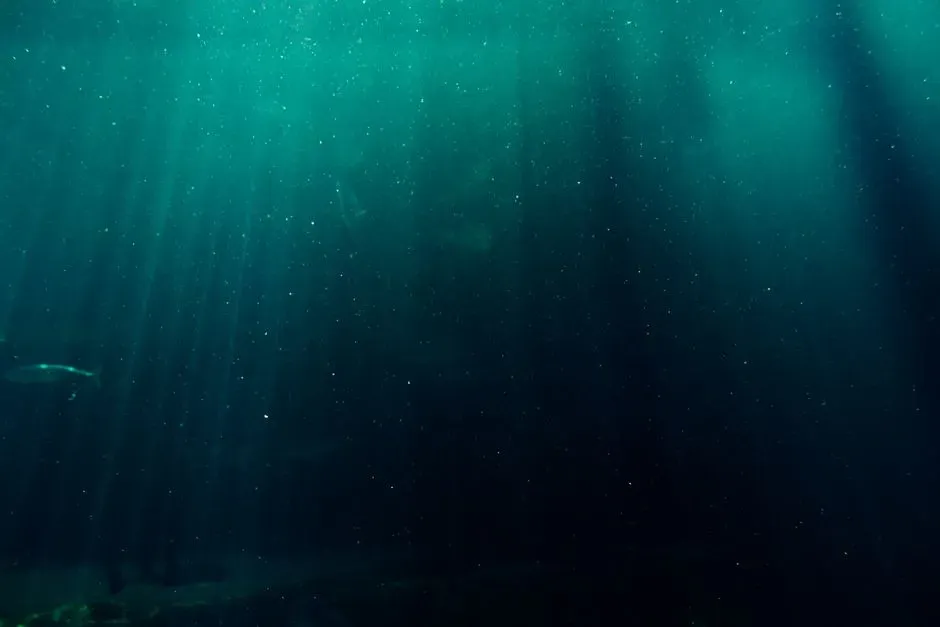
Scientists divide the deep ocean into layers, with the abyssal plains starting around four thousand meters and the hadal trenches plunging even farther. These zones sit beyond any influence from surface light or weather patterns.
Explorers have mapped only a fraction of these vast areas, yet every descent reveals consistent conditions of crushing pressure and near freezing temperatures. The trenches in particular act like isolated pockets where sediment and water chemistry create unique pockets of stability.
Energy Sources That Do Not Rely on the Sun
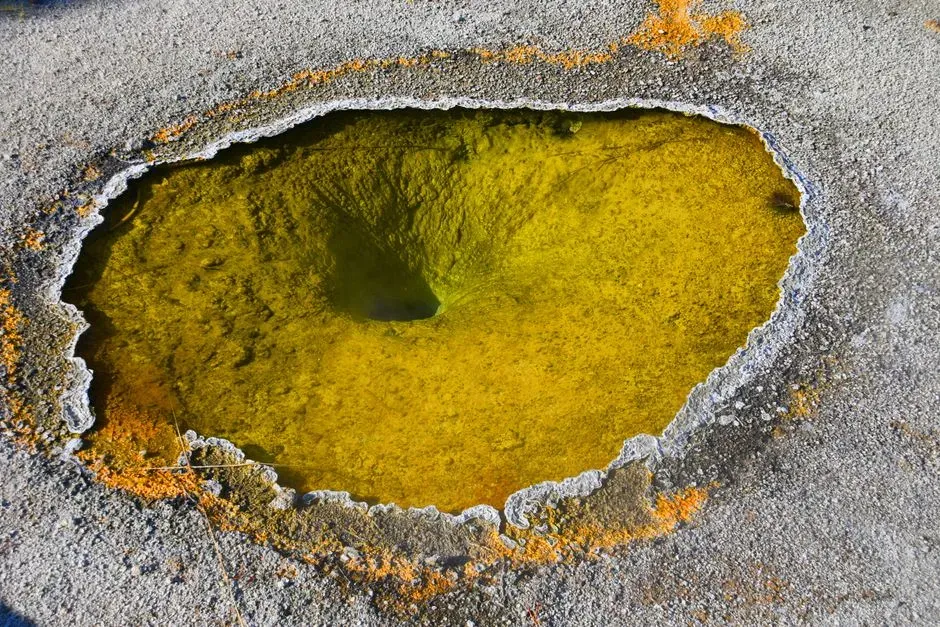
Most life in these depths depends on a slow rain of organic matter drifting down from above, but certain spots operate on their own terms. Hydrothermal vents and cold seeps release chemicals that microbes convert directly into energy through chemosynthesis.
This process bypasses photosynthesis entirely and supports whole communities of tube worms, clams, and shrimp clustered around the vents. The food web begins with bacteria that thrive on hydrogen sulfide or methane instead of sunlight.
Creatures Shaped by Perpetual Night
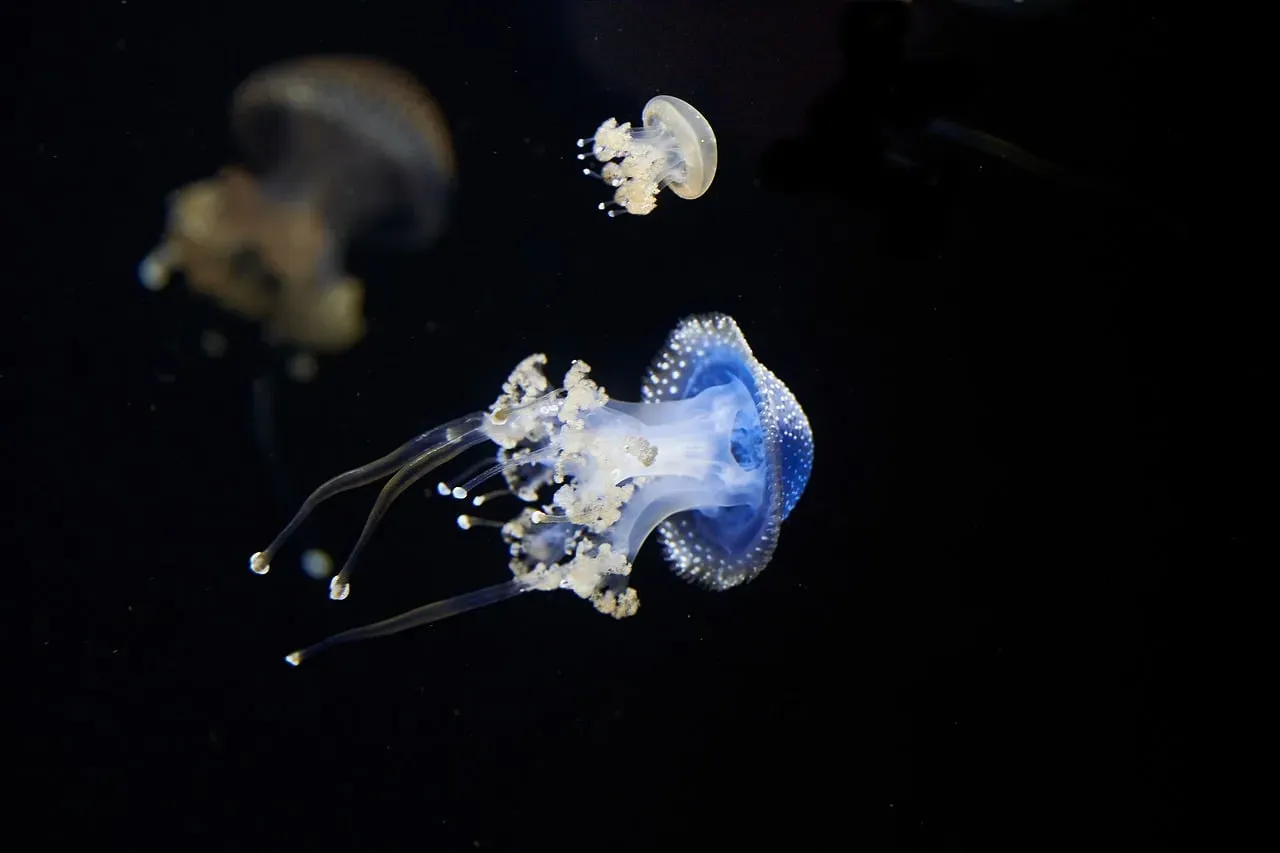
Animals here often lack eyes or possess only vestigial ones that serve little purpose. Many produce their own faint glow through bioluminescence to attract prey or mates in the total dark.
Body shapes tend toward elongated forms or soft, gelatinous structures that withstand extreme pressure without collapsing. Slow metabolisms allow survival on sparse meals that may arrive only once in a long while.
Evolutionary Independence From Surface Systems
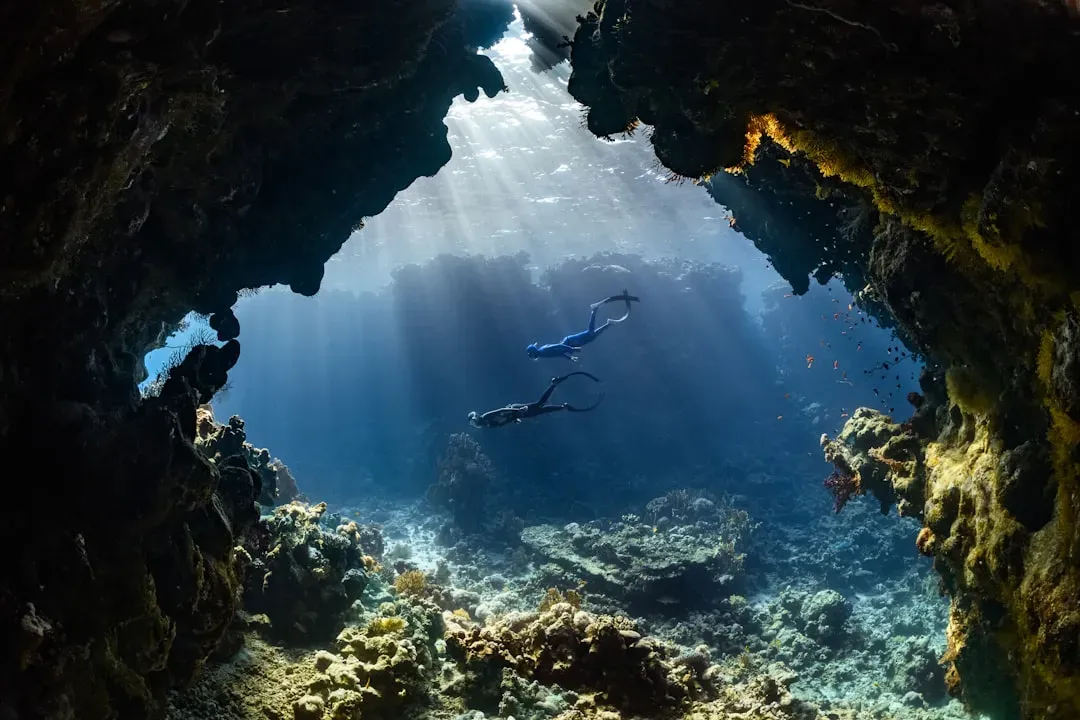
Genetic studies show that vent communities share little overlap with shallow water lineages, suggesting they branched off early and developed in isolation. Their biochemistry relies on different pathways for capturing energy and building tissues.
Some researchers argue these ecosystems represent a parallel branch of life that could have arisen even if the sun never existed. The separation runs deep enough that many species would not recognize the basic rhythms that govern life in the photic zone.
Challenges of Studying These Hidden Worlds
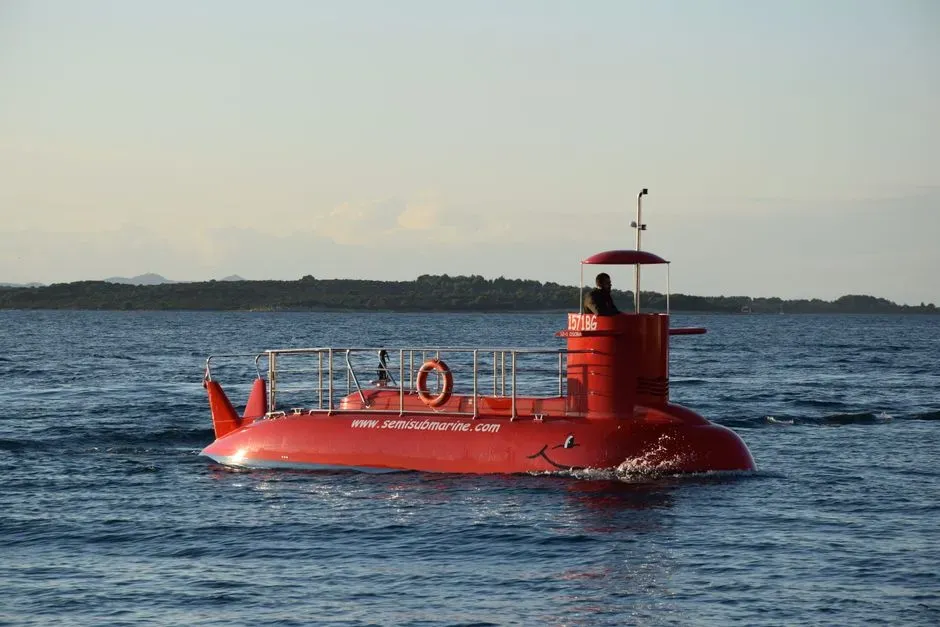
Reaching these depths requires specialized submersibles and remotely operated vehicles that can handle intense conditions. Each expedition yields new species and observations, yet the scale of the territory means most remains unseen.
Sample collection is painstaking, and live observation is limited by the time equipment can remain submerged. Still, advances in imaging and DNA analysis continue to fill in pieces of the puzzle without needing to bring everything to the surface.
Why These Discoveries Matter Beyond the Trenches
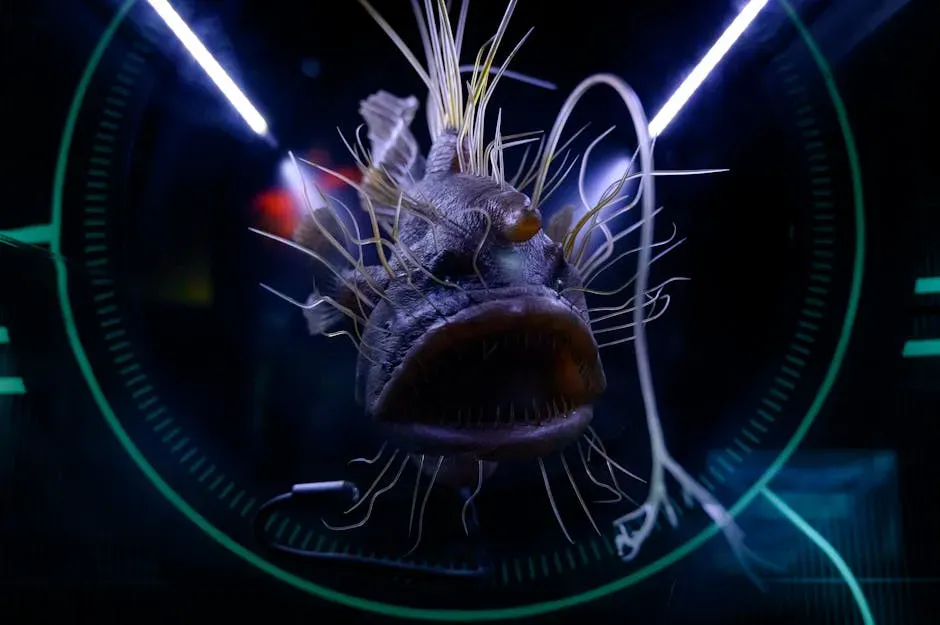
Understanding life without sunlight expands ideas about where biology might exist elsewhere in the solar system or on other planets. It also highlights how little we still know about our own world and the resilience of living systems under extreme constraints.
Protecting these zones from deep sea mining or other disturbances becomes more urgent as technology improves access. In the end, the sunless ocean reminds us that life finds ways to persist even when every familiar rule appears to be broken, a quiet lesson in adaptability that lingers long after the lights go out.
