
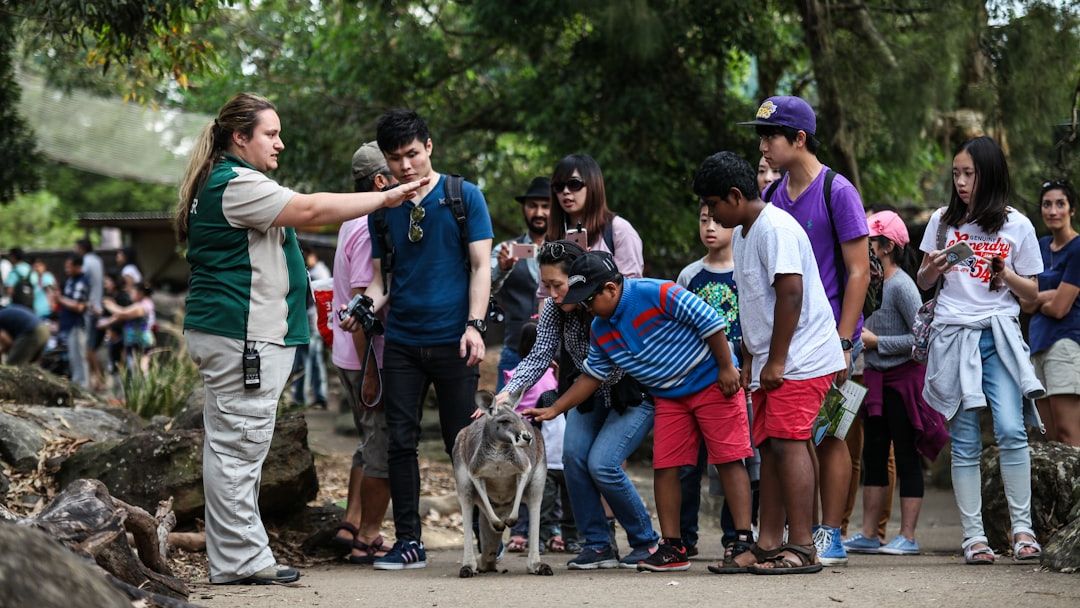
You’d think that only our household pets could look at us with those pleading eyes when they need something. Yet it turns out that kangaroos, those iconic Australian marsupials hopping across the outback, have been keeping a surprising secret. They can actually communicate with us in ways we never anticipated. Scientists have discovered something pretty remarkable about these animals that challenges everything we thought we knew about wild creatures and their ability to interact with humans.
Here’s the thing, though. These aren’t your typical domesticated companions. Kangaroos have never gone through the thousands of years of selective breeding that shaped dogs or horses into human-friendly creatures. Still, they managed to figure out how to ask us for assistance when faced with problems they can’t solve on their own.
The Groundbreaking Research That Changed Everything
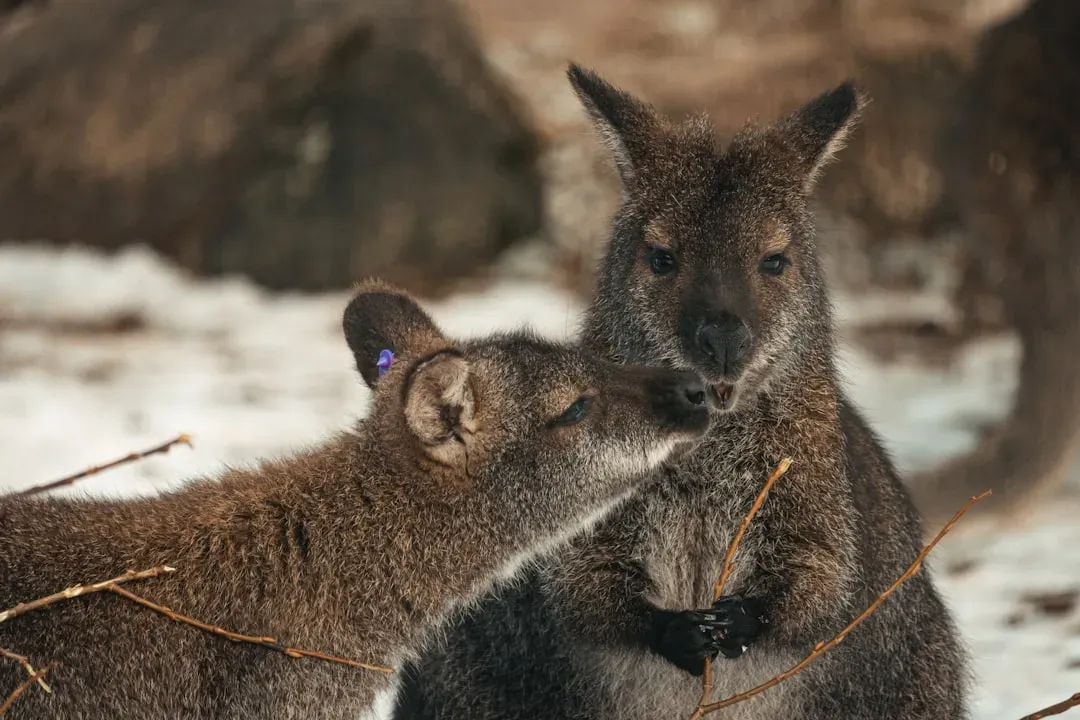
Animals that have never been domesticated, such as kangaroos, can intentionally communicate with humans, challenging the notion that this behaviour is usually restricted to domesticated animals like dogs or horses. Researchers from the University of Roehampton in London and the University of Sydney conducted experiments that genuinely shocked the scientific community. They set up a task, known as “the unsolvable problem task,” where they presented kangaroos with food trapped inside a plastic container that couldn’t be opened.
The study involved captive animals from a number of zoos in Australia. The animals, although familiar with humans, were considered non-domesticated. This distinction matters tremendously because it means these kangaroos hadn’t been bred for generations to live alongside people. They were just getting used to having humans around their environment at various wildlife facilities across the continent.
What happened next left even the lead researcher amazed. Ten out of 11 kangaroos tested in the study “actively” looked at the person who had placed the food in the plastic container to get it. That’s nearly every single animal participating in the experiment. The consistency of this behavior was nothing short of extraordinary.
The researchers weren’t just observing casual glances, either. Nine of the 11 animals engaged in a “heightened form of communication,” researchers said, alternating their gaze between the container and the person present. This back and forth motion resembled exactly what dogs do when they want their owners to throw a ball or open a door. Think about that for a moment.
The research was published in the journal Biology Letters, establishing a formal scientific record of this unexpected ability. The implications rippled through the field of animal behavior studies, forcing researchers to reconsider long-held assumptions about communication between species.
How Kangaroos Physically Communicated Their Needs
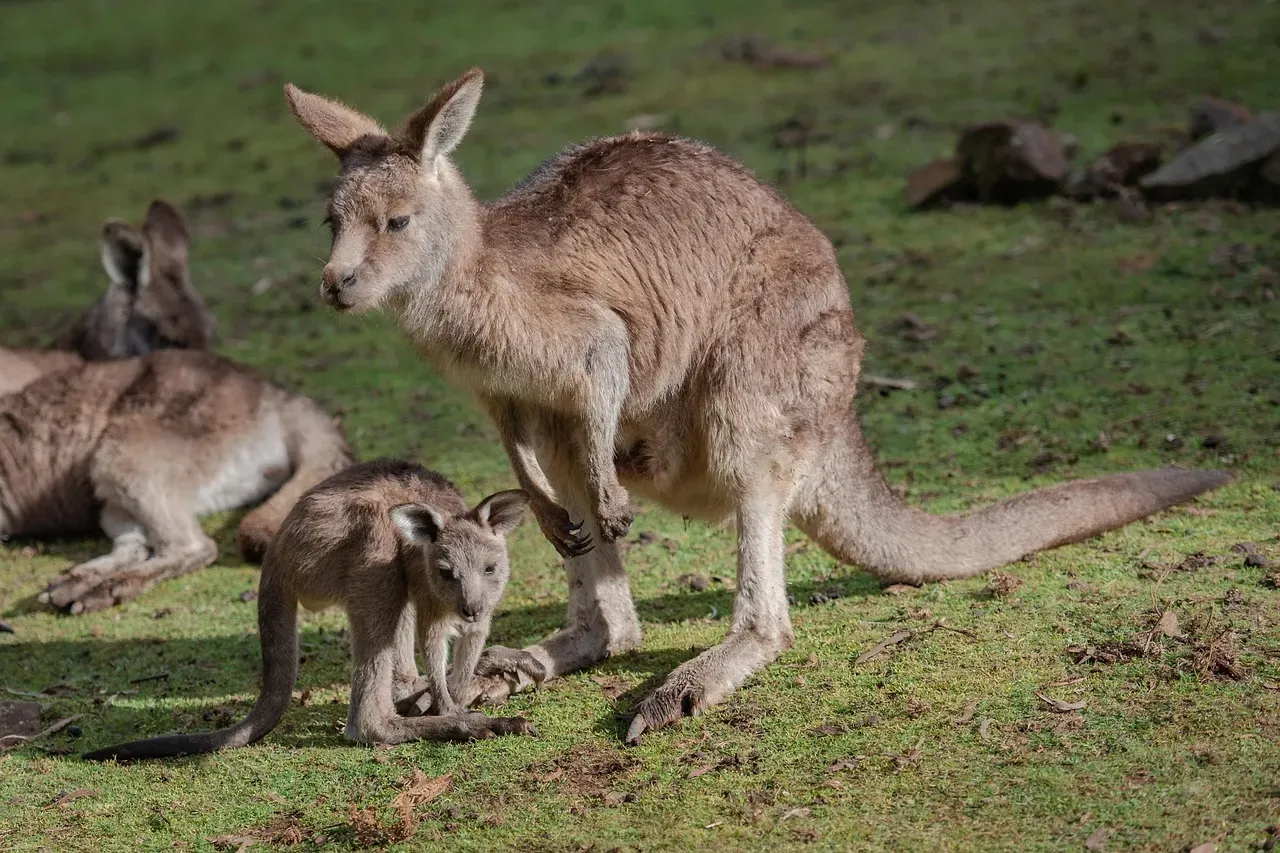
The kangaroos didn’t stop at just looking at the humans nearby. Some of them used their nose to nudge the human and some approached the human and started scratching at him asking for assistance. Imagine a wild animal, one that hasn’t been trained or selectively bred for companionship, essentially tapping you on the shoulder to say they need help. It’s genuinely mind-blowing when you consider what this means.
These physical interactions mirrored behaviors we’ve grown accustomed to seeing in our pets. The research revealed that kangaroos gazed at a human when trying to access food which had been put in a closed plastic container. The kangaroos used gazes to communicate with the human after trying and failing to open the container themselves, demonstrating a logical progression in their problem-solving approach.
One of the researchers described the experience in striking terms. Their gaze was pretty intense, noted Dr. Alexandra Green, who served as a co-author on the study. The animals weren’t just glancing around randomly or looking past the humans. They were making deliberate, focused eye contact with clear intent behind it.
The variety of kangaroo species tested made the findings even more compelling. He and his co-authors saw the same behavior across several kangaroo species, even ones such as eastern grey and red kangaroos with reputations for being skittish. Species known for being nervous around humans still managed to overcome their natural wariness to communicate their needs.
This wasn’t learned behavior from extensive training sessions. The kangaroos figured this out largely on their own, simply from being around humans in their captive environments. That spontaneous development of communication strategies speaks to a cognitive flexibility we didn’t know these marsupials possessed.
Why This Discovery Challenges Our Understanding of Animal Communication
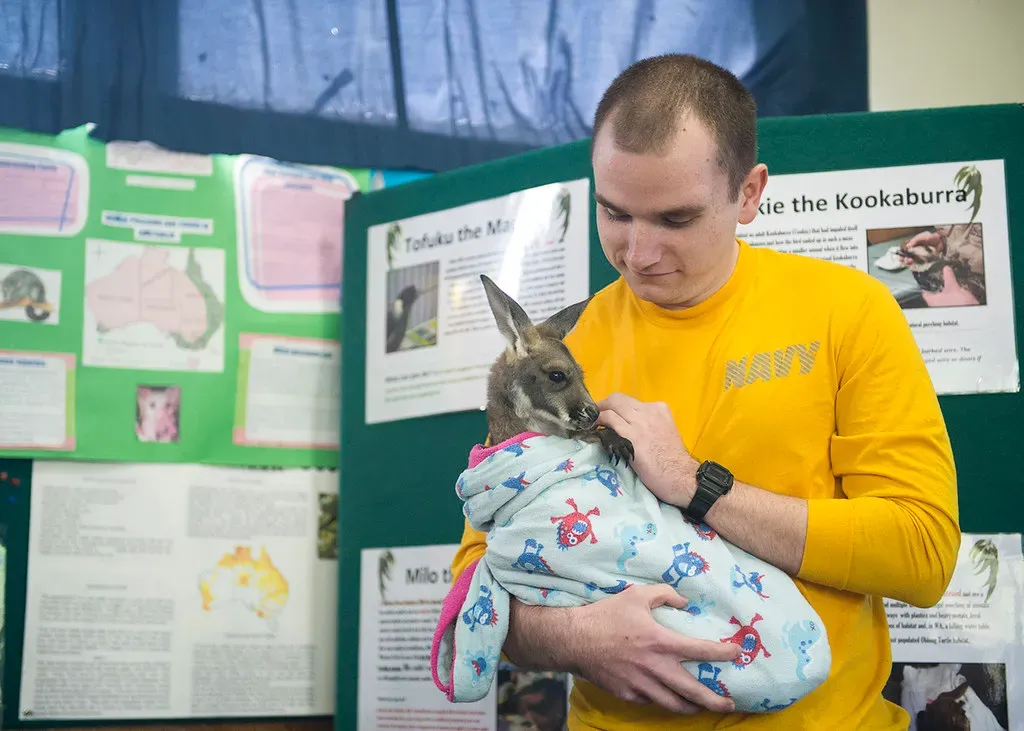
The findings also challenge the notion that communication with humans is restricted to domesticated animals such as dogs, cats, horses or goats and that the capability is a product of the domestication process itself. For years, scientists believed you needed thousands of generations of selective breeding to produce animals capable of this type of intentional communication. Turns out, that assumption was wrong.
And, to be clear, despite their ubiquity across Australia, kangaroos have never been domesticated. They remain fundamentally wild animals, even when living in captive settings like zoos or wildlife parks. Their genetic makeup hasn’t been altered through human intervention to make them more amenable to working with people. Yet here they were, developing communication strategies remarkably similar to our household pets.
The study builds on previous research with other animals. The research builds on previous work in the field which has looked at the communication of domesticated animals, such as dogs and goats, and whether intentional communication in animals is a result of domestication. Those earlier studies seemed to confirm that domestication created these abilities. The kangaroo research turned that conclusion on its head.
Like dogs and goats, kangaroos are social animals and Dr McElligott’s new research suggests they may be able to adapt their usual social behaviours for interacting with humans. Through this study, we were able to see that communication between animals can be learnt, explained lead author Dr. Alan McElligott. Social living might provide the foundation these animals need to extend their communication skills beyond their own species.
Though the experiments were limited to just 11 kangaroos, McElligott and Green say the research is a strong signal that the abilities of non-domesticated animals to learn to communicate with humans may have been underestimated. If kangaroos can do this, what about other intelligent, social wild animals? The possibilities suddenly seem much broader than anyone imagined.
What the Scientists Learned About Marsupial Intelligence
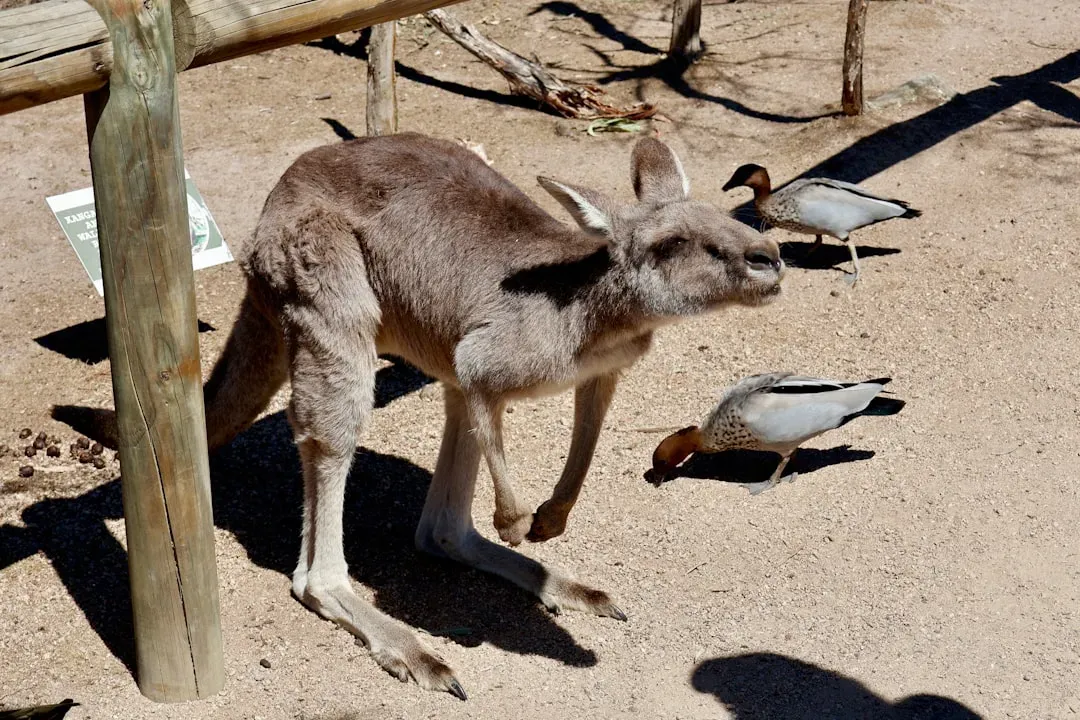
Kangaroos are the first marsupials to be studied in this manner and the positive results should lead to more cognitive research beyond the usual domestic species, according to the research team. Marsupials represent an entirely different branch of the mammalian family tree, having evolved separately from placental mammals for millions of years. Their cognitive abilities remained largely unexplored until now.
Our research shows that the potential for referential intentional communication towards humans by animals has been underestimated, which signals an exciting development in this area, stated McElligott. Referential communication means deliberately directing someone’s attention to something specific, like pointing at an object you want. It requires understanding that another being has a mind that can be influenced by your actions.
The researchers specifically chose to work with different subspecies to test how widespread this ability might be. They focused on captive Kangaroo Island kangaroos because they are known to be docile and interactive with humans. They also tested small numbers of eastern gray and red kangaroos. The fact that even the notoriously shy species exhibited the communication behaviors suggested this wasn’t just a quirk of one particular group.
Previously, scientists might have dismissed anecdotal reports from zookeepers or wildlife handlers about kangaroos seeming to communicate needs. The researchers admit that those who regularly handle and raise kangaroos will no doubt have had the same or similar experiences, but add that it was important to establish this non vocal communication method in an experimental setting before drawing conclusions. Now those observations have solid scientific backing.
The study opens doors for investigating marsupial cognition in ways never considered before. If kangaroos possess this level of social intelligence and flexibility, what else might researchers discover about how these animals think, learn, and adapt to their environments? It’s an exciting frontier in animal behavior research.
The Broader Implications for Human-Wildlife Interactions
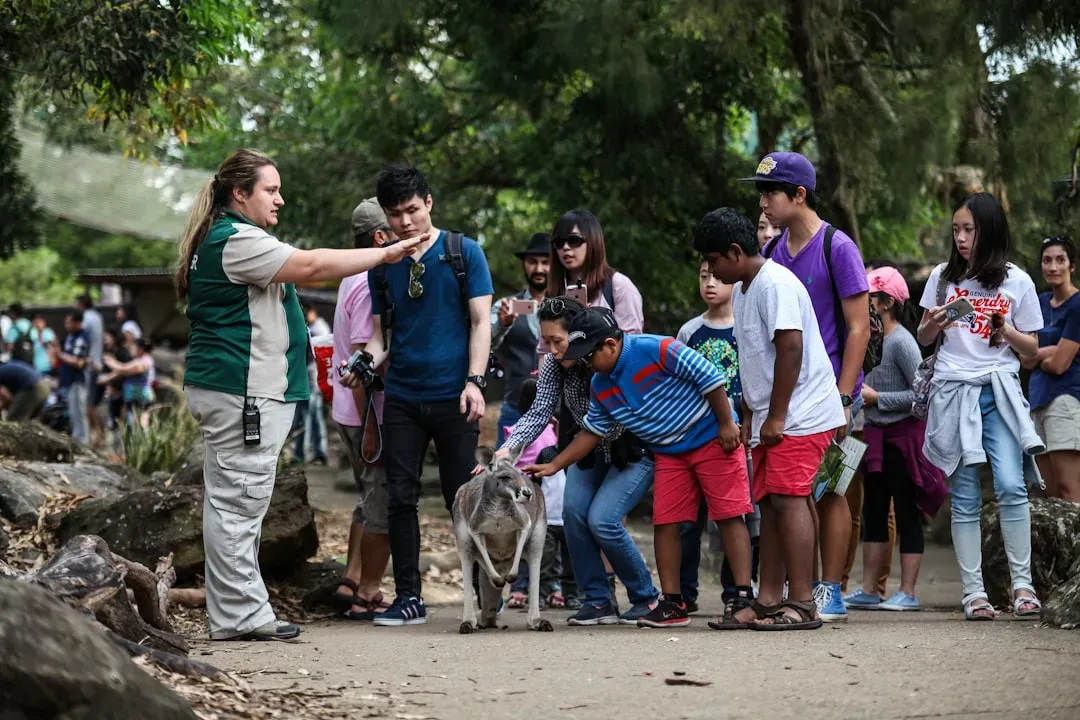
Kangaroos are iconic Australian endemic fauna, adored by many worldwide but also considered as a pest. We hope that this research draws attention to the cognitive abilities of kangaroos and helps foster more positive attitudes toward them, expressed Dr. Green. This dual perception of kangaroos as both beloved symbols and agricultural nuisances creates complex management challenges across Australia.
Understanding that these animals possess sophisticated cognitive abilities might change how people approach wildlife management decisions. When you realize that a creature can intentionally communicate with you, it becomes harder to view them as mere pests or resources. They become individuals with agency and intelligence worth respecting.
The research methodology could be applied to other wild species as well. Through this study, we were able to see that communication between animals can be learnt and that the behaviour of gazing at humans to access food is not related to domestication, which suggests numerous other animals might have similar untapped potential for cross-species communication. We might be surrounded by wildlife trying to talk to us, and we just haven’t been listening properly.
There’s something genuinely humbling about discovering that wild animals can figure out how to communicate with us. We’ve spent thousands of years actively shaping certain species to understand our cues and respond to our commands. Meanwhile, kangaroos apparently worked it out on their own just by observing humans in their environment. The intelligence required for that kind of adaptive learning is substantial.
This could also inform conservation efforts and animal welfare practices. When animals can communicate their needs or distress to caretakers more effectively, those looking after them can respond more appropriately. Better communication channels between humans and wildlife benefit both parties in countless practical ways.
Conclusion: Rethinking Our Relationship with Wild Animals
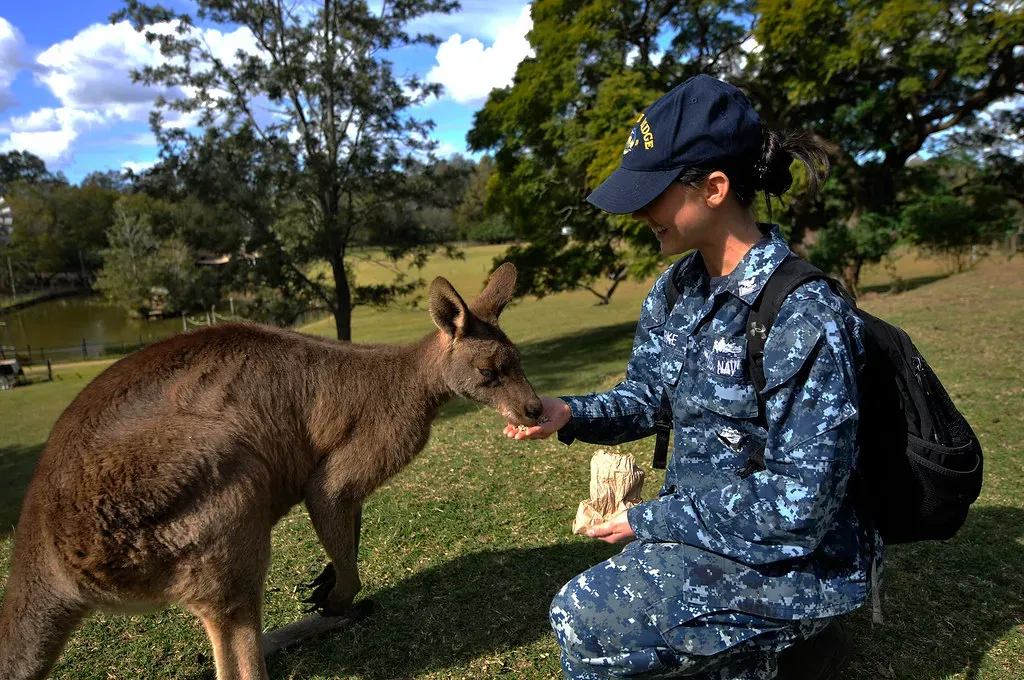
The discovery that kangaroos can intentionally ask humans for help represents far more than a curious footnote in animal behavior studies. It fundamentally challenges our understanding of which creatures possess the cognitive sophistication necessary for cross-species communication. These findings remind us that intelligence and adaptability exist throughout the animal kingdom in forms we’re only beginning to recognize.
What makes this research particularly striking is how it happened almost by accident. The kangaroos weren’t extensively trained or bred for these behaviors. They simply observed humans, recognized an opportunity to solve a problem, and developed communication strategies spontaneously. That level of cognitive flexibility deserves our respect and attention.
As we move forward, studies like this should encourage us to approach wildlife with fresh eyes and open minds. How many other species might surprise us with unexpected abilities if we take the time to look properly? The natural world continues to reveal its complexity and wonder to those willing to observe carefully.
Perhaps the next time you encounter a wild animal, it’s worth considering what they might be trying to tell you. Communication doesn’t always require words, and understanding doesn’t always demand domestication. Sometimes, all it takes is the willingness to pay attention and acknowledge the intelligence looking back at you. What do you think this means for how we should interact with wildlife in the future?

- 8 Signs Your Pet Is Trying to Tell You Something Important (and How to Listen) - July 22, 2026
- 15 Dog Behaviors That Are Actually Signs of Affection (Not Mischief) - July 22, 2026
- 10 Fierce Facts About Jaguars - July 22, 2026