

There’s something quietly arresting about watching a lion rest its head next to an oryx without aggression, or seeing a blind dog follow a stray cat through a house it once feared to navigate. These moments don’t fit neatly into what we think we know about the natural world, and that friction is exactly what makes them worth paying attention to.
For a long time, the idea that animals forge meaningful friendships was considered territory exclusive to humans. Many people still resist the notion that animals experience genuine emotion. Yet the evidence keeps accumulating, steadily and in full view, from sanctuaries in Georgia to coastlines in New Zealand. What’s unfolding is less a feel-good curiosity and more a fundamental rethinking of how connection works across species lines.
When Predator Meets Prey: Nature’s Most Defiant Friendships
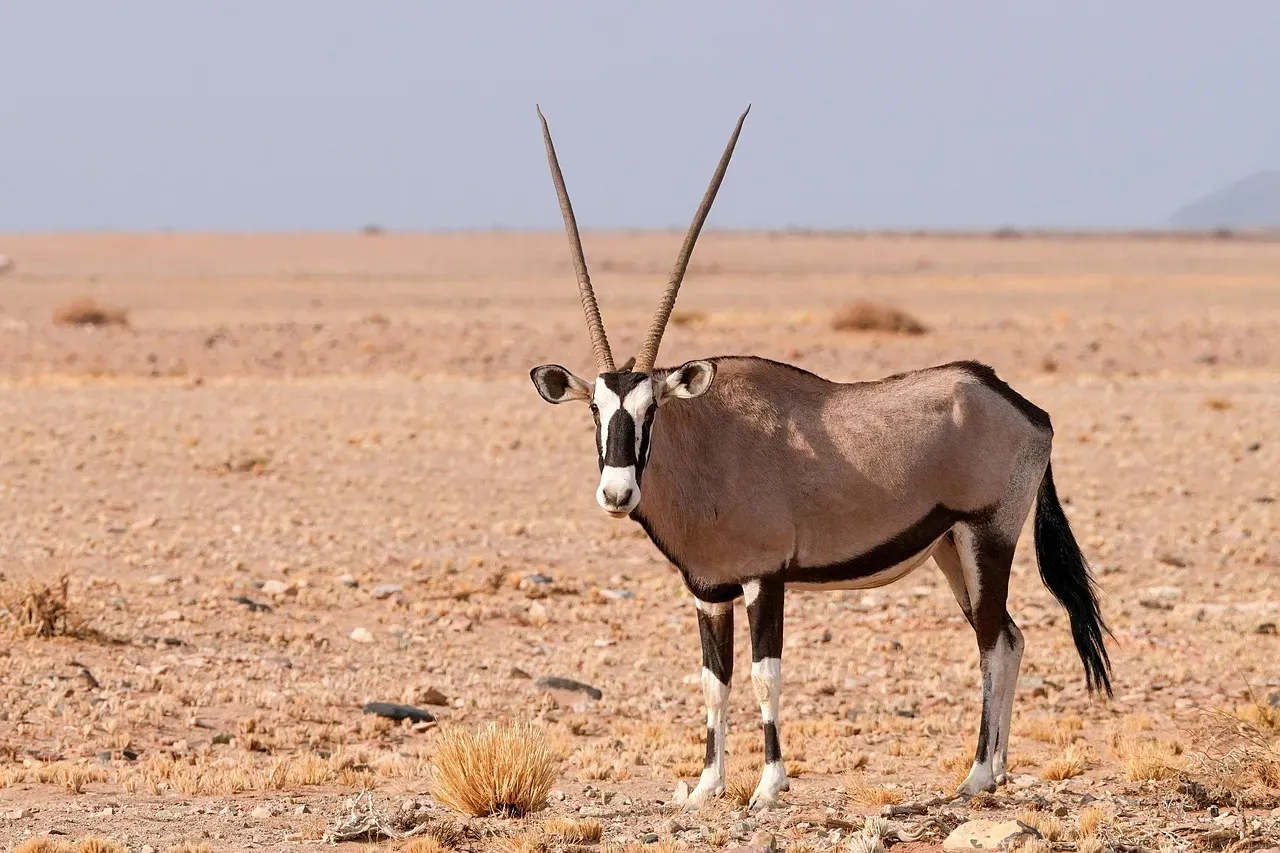
Few stories in the animal kingdom carry the raw tension of a predator choosing companionship over instinct. A lioness in Kenya, separated from her pride and with no cubs of her own, adopted a baby oryx and walked with him, slept with him, and developed an intimacy that one social anthropologist described as defying the laws of nature. The pairing drew crowds of observers and puzzled even experienced wildlife experts.
Almost inexplicable stories of this kind exist in surprising number: an Indian leopard reportedly slipped into a village each night to sleep beside a calf, a relationship that persisted well beyond any single encounter. What’s striking isn’t just the gentleness, it’s the repetition. These aren’t accidental encounters. They are chosen, night after night.
In a Russian safari park, a Siberian tiger named Amur was given a live goat named Timur as food. The goat didn’t run. Instead, Timur walked directly toward the tiger with the confidence of something much larger, and Amur didn’t attack. He appeared confused, then curious, then something that nobody expected: friendly. The story made international headlines and raised a question that still doesn’t have a clean scientific answer: what happens inside an animal’s mind when it abandons a behavior as fundamental as hunting?
The BLT Trio: A Bear, a Lion, and a Tiger Who Refused to Be Separated
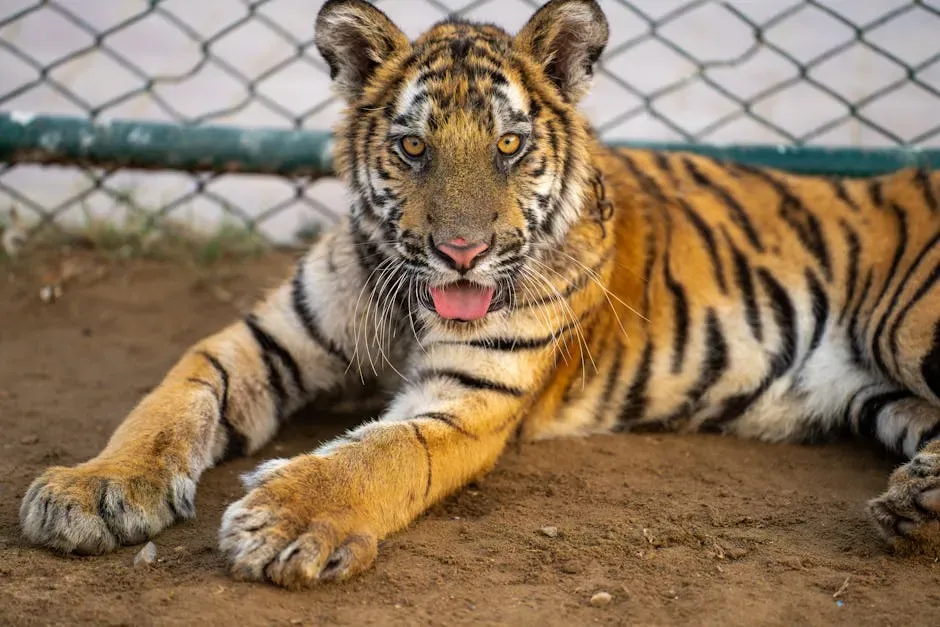
In Georgia’s Noah’s Ark Animal Sanctuary lives perhaps the most unlikely trio in the animal kingdom: Baloo, an American black bear; Leo, an African lion; and Shere Khan, a Bengal tiger. Rescued together from a drug dealer’s basement in 2001, where they were kept as illegal pets in horrific conditions, these three formed a bond that defied every practical expectation. The sanctuary staff nicknamed them BLT, and the name stuck.
In the wild, these three animals would never even meet, living on different continents with vastly different lifestyles. Even in captivity, zoos rarely house such different species together. When staff initially tried to house them apart for safety reasons, all three became depressed, refused food, and showed signs of severe anxiety. Reunited, they transformed. They played like cubs despite enormous size differences, groomed each other, and slept in a pile.
What makes their story particularly striking is how trauma appeared to bond them. They had survived something terrible together, and that shared experience created a connection stronger than species or instinct. There’s a quiet lesson in that, one that researchers studying interspecies bonds are only beginning to quantify.
Owen and Mzee: A Baby Hippo and a 130-Year-Old Tortoise
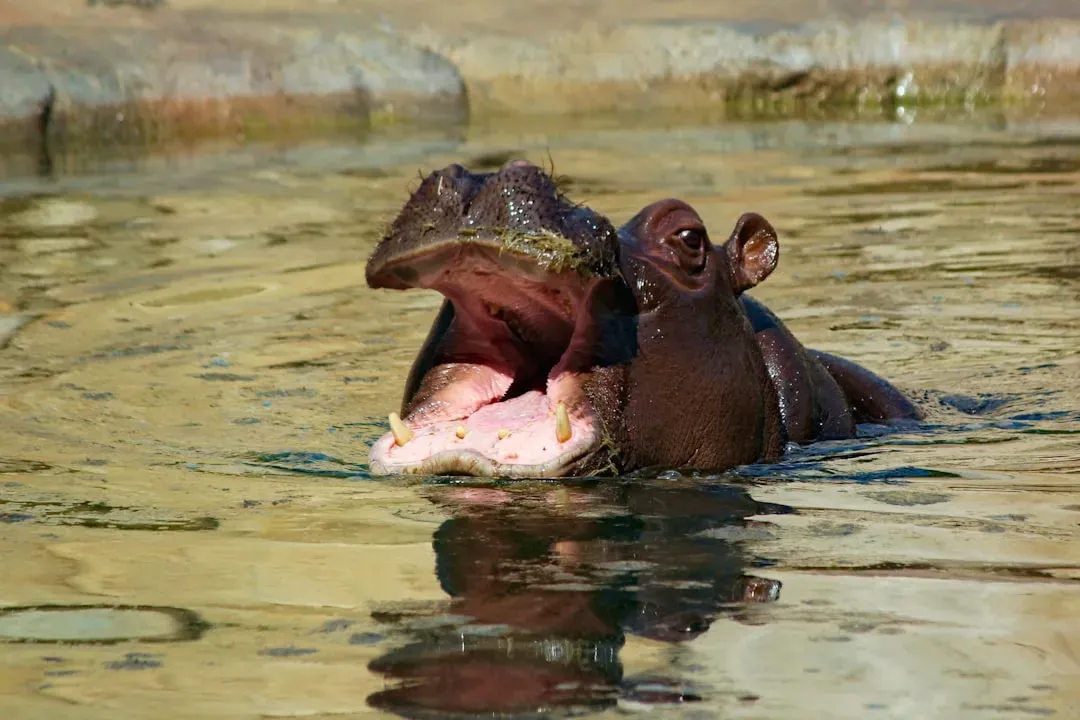
When the 2004 tsunami struck Kenya’s coast, a baby hippo named Owen lost his entire pod. Rescued and brought to a wildlife sanctuary, the traumatized youngster did something nobody expected: he adopted a 130-year-old giant tortoise named Mzee as his mother. The size difference alone was remarkable. The emotional logic behind it was more remarkable still.
Owen followed Mzee everywhere, slept against him, and ate beside him. Animals like hippos are known for forming strong social networks in the wild, and in the absence of their pods, it appears they will seek social connection outside their own species. Mzee, for his part, gradually warmed to the arrangement, eventually allowing Owen to rest his head against the ancient shell without flinching. Their story became one of the most documented interspecies bonds of the decade.
Owen and Mzee became among the most well-documented stories of unlikely animal companionship in modern natural history, alongside accounts like Koko the gorilla and her kitten. Both cases point to a similar theme: when social animals lose their communities, they reach out. Sometimes, what reaches back surprises everyone.
The Science Behind the Bond: What Research Is Actually Telling Us
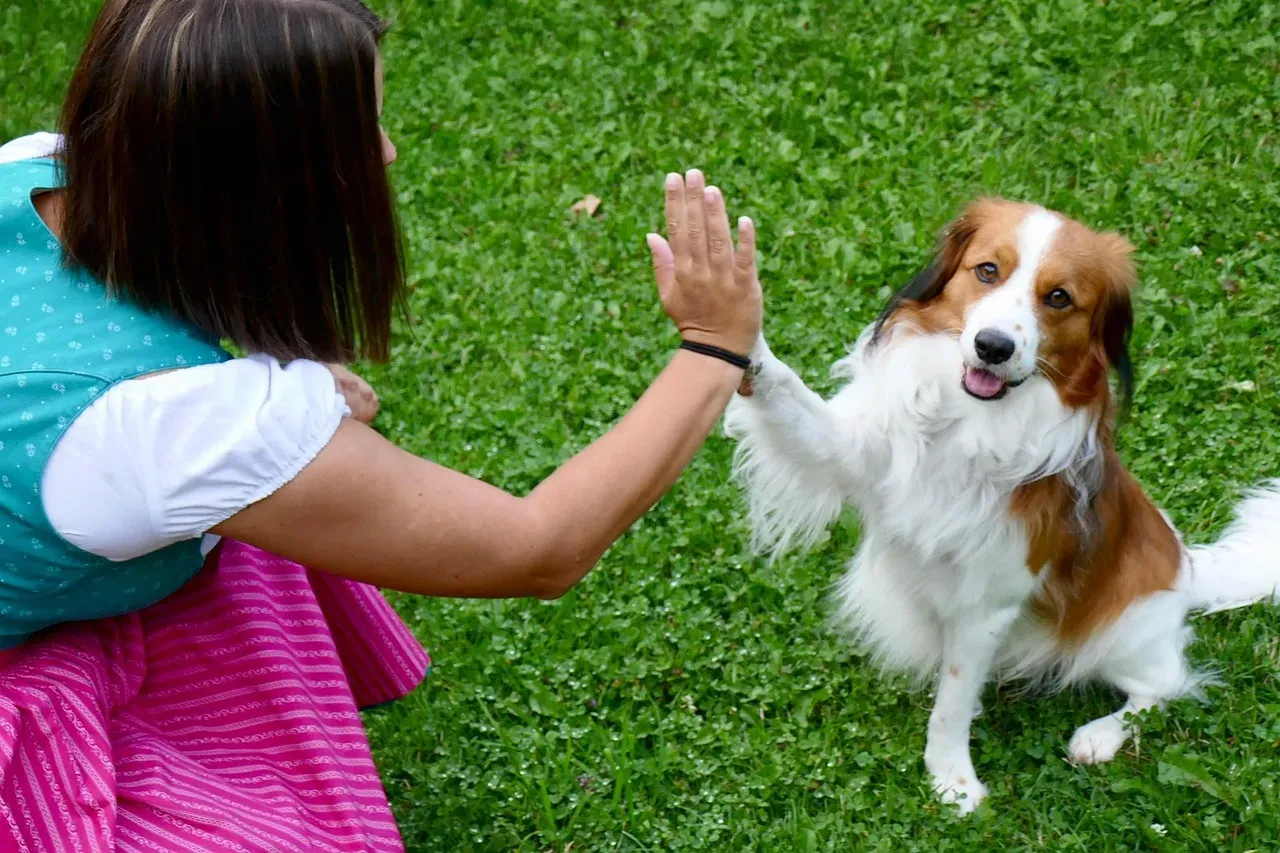
Comparative welfare science has found that positive emotions promote approach behavior, social bonding, and cooperative strategies in both domesticated and wild animals. Animals appear to interpret emotional cues not merely as signals but as invitations to relational engagement, forming stable cooperative bonds. This is a meaningful shift from older frameworks that treated animal behavior as purely mechanical.
Some animals are capable of cooperating with members of other species in ways that require genuine cognitive involvement. An interdisciplinary team led by biologist Eduardo Sampaio from the University of Konstanz has been exploring the cognitive underpinnings of such cross-species collaborations, opening up new perspectives on the evolution of intelligence. The implications reach well beyond any single charming story of a cat and a crow.
Researchers are now combining studies in human friendship with knowledge on animal friendship, communication, and animal-human interaction, building new frameworks to understand how interspecies relationships are formed and maintained. What’s emerging is a picture in which the capacity to share meaning, emotion, and intention is not unique to humans, and the evolutionary continuity of emotional and social mechanisms suggests that communication is a shared heritage across many species. That’s not a sentimental claim. It’s a scientific one.
Grief, Loyalty, and the Emotional Depth Animals Carry

Mr. G, a goat rescued after years of neglect, arrived at his sanctuary and promptly refused to eat. He stayed in his stall for six days, declining the care and freedom around him. Workers believed they understood what was wrong. A volunteer drove seven hours to bring a burro named Jelly Bean to the sanctuary. The moment Jelly Bean arrived, Mr. G came out of his stall, reconnected with his old companion, and started eating again. That is grief, and it is real.
Hachiko, an Akita dog in Japan, became famous for his unwavering loyalty to his owner. Every day, Hachiko waited at Shibuya Station for his owner to return from work. Even after his owner passed away, Hachiko continued to wait faithfully at the station until the end of his own life. The story endures not because it’s unusual, but because it reflects something people recognize.
In North Attleboro, Massachusetts, a crow named Moses spent years caring for a stray kitten named Cassie, feeding her worms and bugs, protecting her from other animals, and then pecking at the Collito family’s door each morning to collect her for the day. The family documented the relationship on film because they knew no one would believe them otherwise. The routine lasted five years. Five years of daily effort, across species, for reasons science is still working to fully explain.
Conclusion: What These Bonds Are Really Telling Us
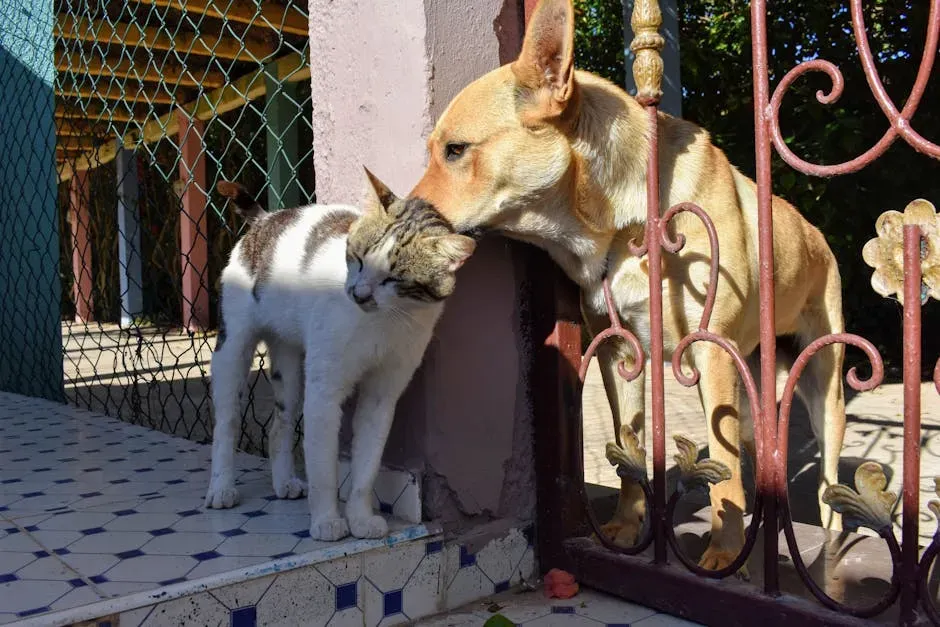
It would be easy to file these stories under heartwarming and move on. That would be a mistake. What animals show us in these cross-species relationships isn’t just touching, it’s instructive. Interactions between a cheetah and a retriever, a lion and a coyote, a tortoise and a goose each challenge the conventional wisdom that humans are the only species capable of feeling compassion and forming long-lasting friendships.
The concept of “co-culture” has emerged as a framework for understanding mutual cultural evolution between animal species, exploring the dynamics of interspecies interactions and how different species influence each other’s behavioral and cognitive adaptations. In other words, these bonds may not just be emotional anomalies. They may be part of how animals, and we, actually evolve together.
I’d argue that the real value in these stories isn’t the cuteness, though there’s plenty of that. It’s the humility they demand of us. Every time a predator chooses gentleness over instinct, or a grieving goat refuses to eat until its companion returns, or a crow spends five years checking in on a cat, we are being asked to widen what we think connection means. The animal kingdom, it turns out, has been practicing interspecies empathy for a very long time. We’re just catching up.

- 8 Signs Your Pet Is Trying to Tell You Something Important (and How to Listen) - July 22, 2026
- 15 Dog Behaviors That Are Actually Signs of Affection (Not Mischief) - July 22, 2026
- 10 Fierce Facts About Jaguars - July 22, 2026