


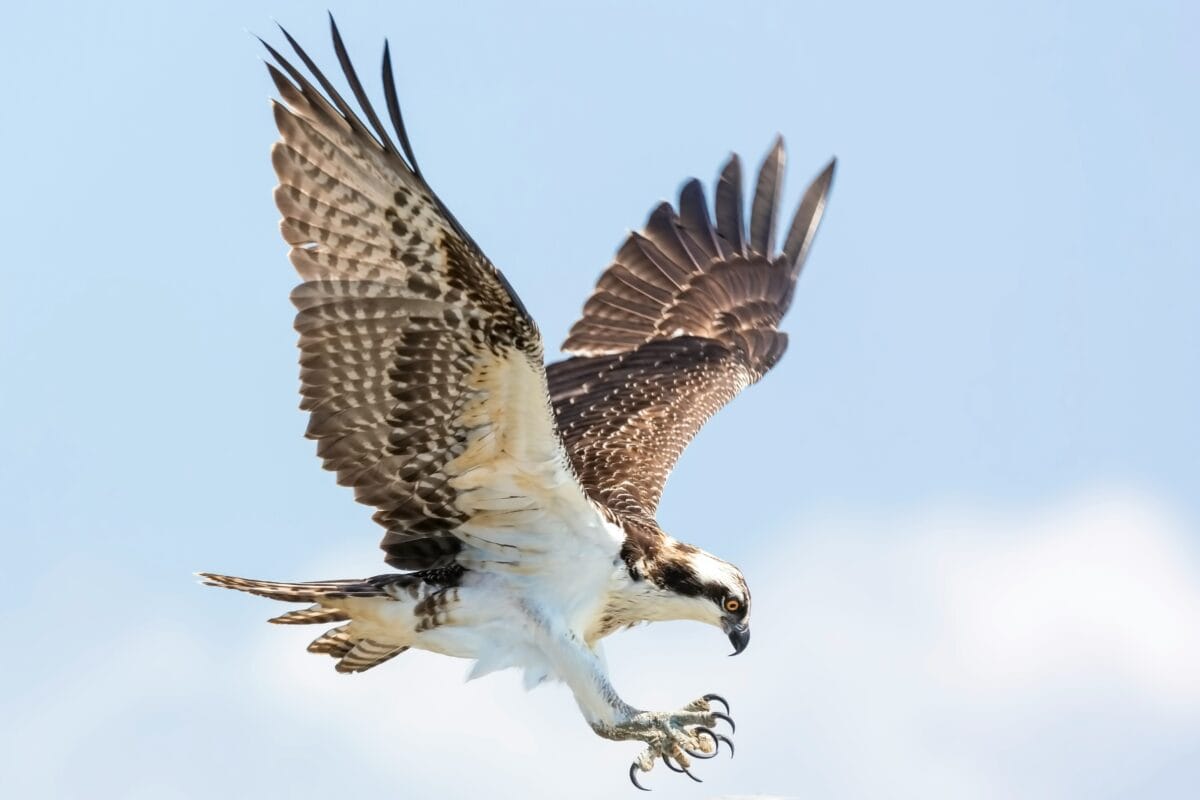
The Chesapeake Bay is witnessing a striking return of ospreys, one of North America’s most iconic birds of prey. After being nearly wiped out in the mid-20th century due to pesticide use and habitat destruction, ospreys are now thriving. Estimates suggest over 7,000 nesting pairs are active across Maryland, Virginia, and Delaware. It’s a massive leap from just a few hundred nests observed in the 1970s and reflects decades of effort from environmental groups and state wildlife agencies.
Conservation Success Story
This turnaround didn’t happen overnight. The ban on DDT allowed fish populations—the ospreys’ main food source—to recover. At the same time, conservationists focused on building artificial nest platforms, especially in areas where natural habitat had been lost. Local volunteers monitored nests, reported activity, and even assisted in banding chicks to study their movements. Electric companies upgraded power lines with protective devices to reduce electrocution risk. Together, these initiatives laid the foundation for a thriving osprey population and a healthier bay ecosystem overall.
What Birders Can Expect This Summer

If you’re near the Chesapeake Bay this summer, bird-watching opportunities will be abundant:
- Nesting season peaks between March and August, with fledglings most active in May through July.
- Ospreys frequently build nests on channel markers, dock pilings, tall trees, and manmade platforms.
- Expect to see adults hunting—diving feet-first into shallow waters to catch fish—and delivering meals back to their nests.
How You Can Help
Protecting ospreys doesn’t require a biology degree. For starters, avoid boating too close to active nests, especially during breeding season, to reduce stress on the birds. Report any new or unusual nest activity to local wildlife authorities—they use this data to monitor the population.
If you live near suitable nesting areas, consider installing an osprey platform with help from conservation organizations. Lastly, join citizen-science initiatives like local osprey counts to track their numbers and success rates.
Bottom Line
The resurgence of ospreys in the Chesapeake Bay is a conservation win worth celebrating. Their presence signals a healthier environment, renewed ecosystem balance, and what’s possible when people commit to long-term wildlife protection. Whether you’re a seasoned birder or just someone who appreciates nature, keep your eyes on the sky—those wings above are a sign of hope.

- Texas Ranchers Injured and Horses Killed in Aggressive Bee Attack - July 19, 2026
- Cougar Attack on Cyclists Shakes Washington Wilderness - July 19, 2026
- Snake Found in Arizona Toilet Shocks Homeowner - July 19, 2026