

#1 Early Pet Exposure Shapes Lifelong Leanings
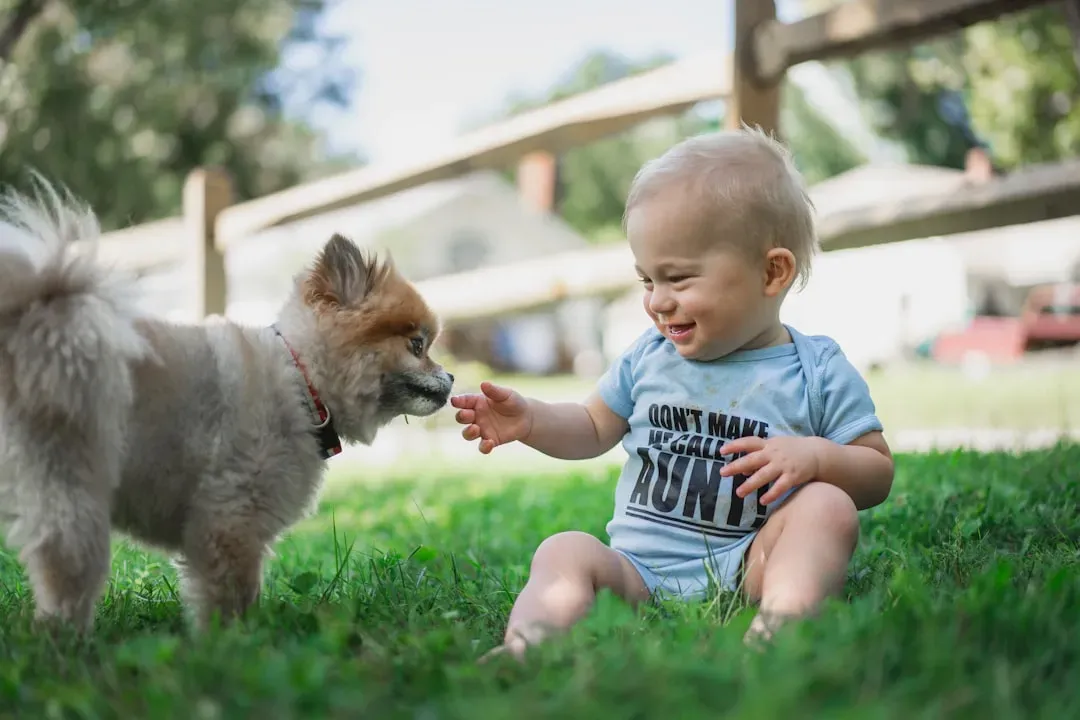
Children who grow up surrounded only by dogs often develop a strong attachment to that species from the start. This consistency appears more common among dog lovers than among those who end up favoring cats. The presence or absence of certain animals during formative years leaves a lasting imprint on what feels familiar and comforting.
Without regular interaction with cats, some individuals never build the same ease around them in childhood. Later in life, that gap can flip into curiosity or preference once they encounter cats independently. The dynamic highlights how limited early contact influences adult choices in subtle but measurable ways.
#2 The Switch From Dog Preference to Cat Affinity
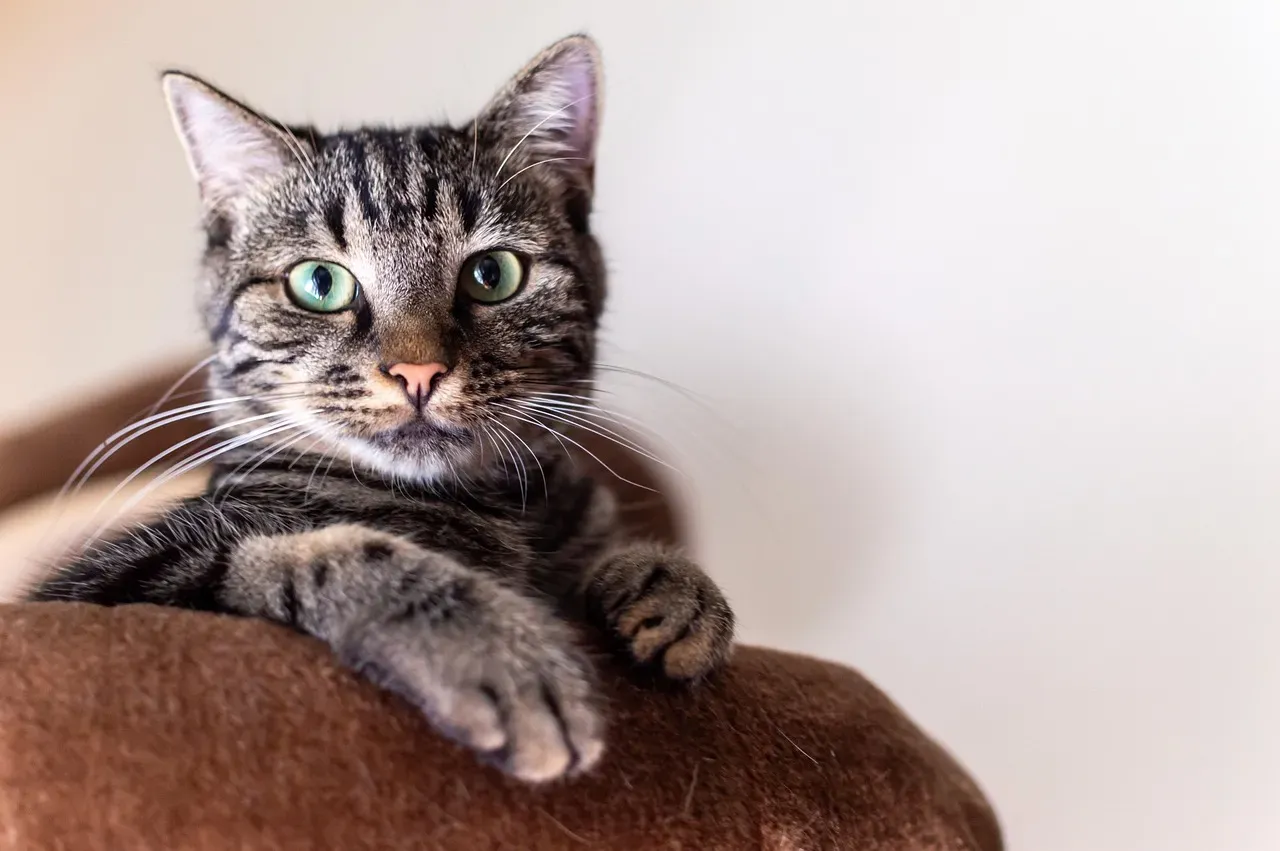
Studies tracking people across life stages reveal that dog preferences tend to hold steady from youth into adulthood. In contrast, shifts toward cats frequently occur among those who lacked feline companions early on. This change often stems from new experiences that fill an earlier void rather than any dramatic event.
Participants who moved from preferring dogs to cats were notably more likely to have grown up in homes without cats at all. The pattern suggests that absence creates space for later appreciation once independence allows different choices. Such transitions feel gradual and personal rather than sudden.
#3 How Lack of Cat Contact Plays a Key Role
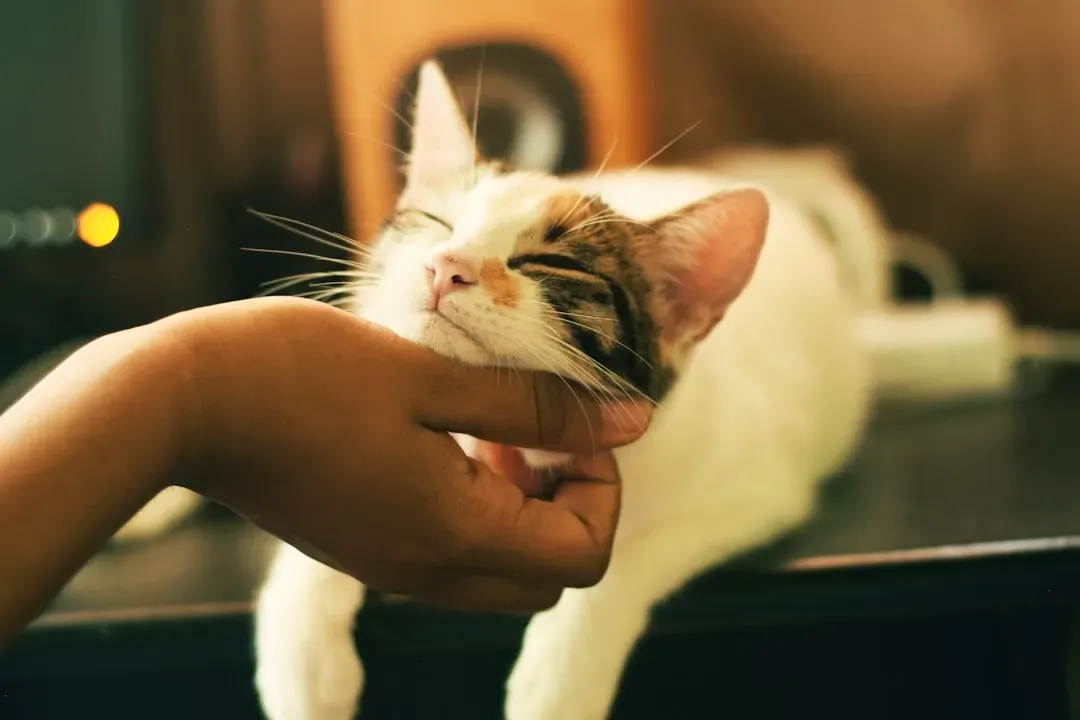
Research shows that nearly half of those who switched to cat preference came from dog-only households as kids. This stands in contrast to the smaller share who switched the other way after cat-only upbringings. The imbalance points to cats requiring more deliberate introduction for bonds to form naturally.
Dogs seem to claim attention more readily in mixed homes, which can sideline opportunities for meaningful cat interactions. Over time, adults who missed those moments may seek out cats precisely because the connection feels fresh and self-directed. This experience of delayed discovery becomes a quiet thread in many cat lovers stories.
#4 Attachment Styles and Feline Independence
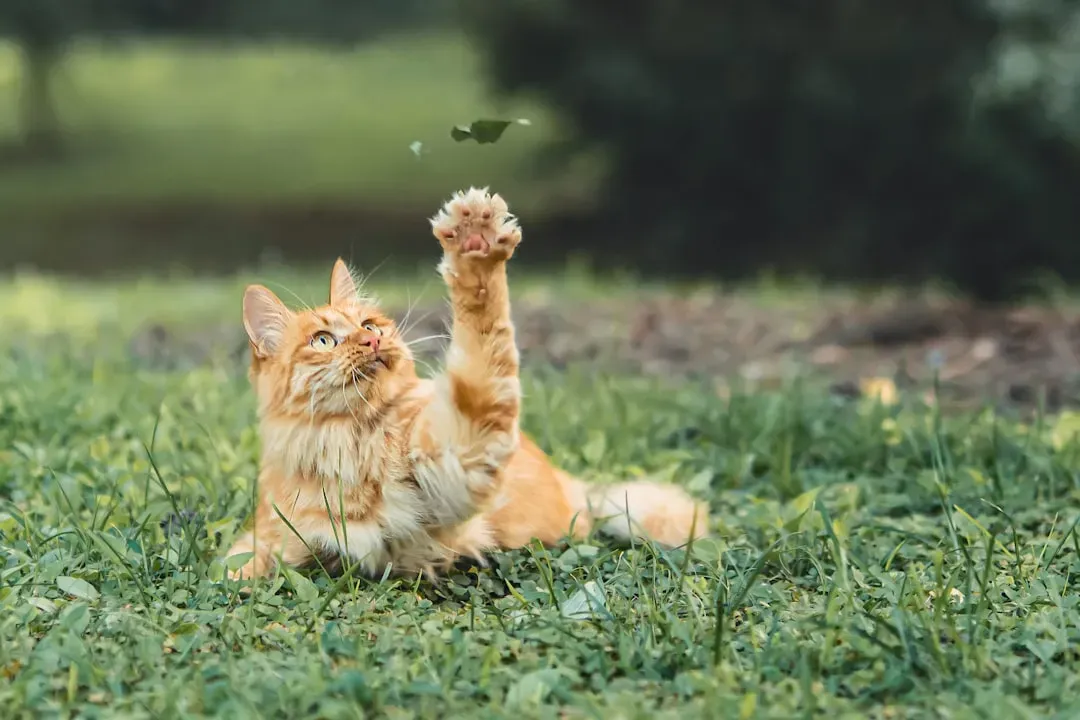
People drawn to cats often value the animal self-sufficiency that mirrors certain adult attachment needs. Childhood environments heavy on dogs might emphasize constant companionship, leaving room for appreciation of quieter bonds later. Cats reward patience and respect for boundaries in ways that resonate with those seeking balance.
Early exposure patterns can influence whether someone finds comfort in an animal that initiates contact on its own terms. Those without cat experience growing up may discover this dynamic as refreshing rather than aloof. The preference then reflects a matured understanding of connection rather than rejection of loyalty.
#5 Personality Traits That Align With Cat Choices
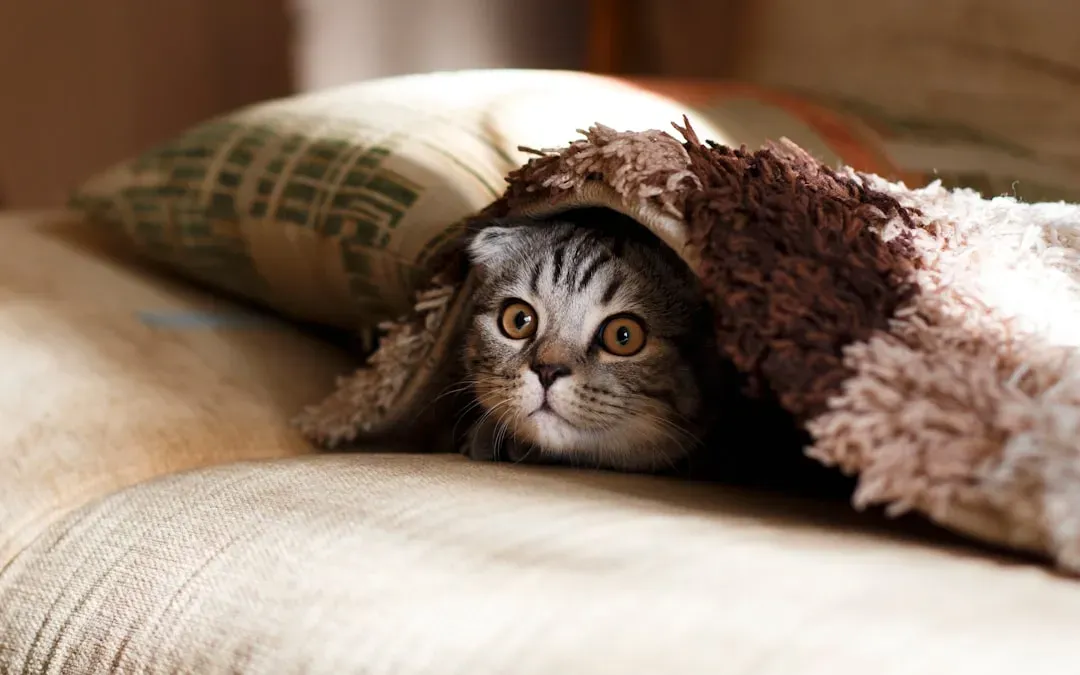
Cat preference sometimes correlates with traits like higher openness to experience and comfort with solitude. These qualities can develop partly from childhood settings where one animal dominated the household dynamic. Without cats around, individuals might cultivate introspective tendencies that later match feline rhythms.
Dog-centric homes often encourage outgoing play and group activities from a young age. Adults who later prefer cats may carry forward a desire for more measured interactions that feel authentic to their evolved selves. The link remains correlational yet consistent across various observations.
#6 Urban Environments and Shifting Preferences

City living tends to favor cat ownership due to space constraints and lifestyle demands. People who grew up in rural dog-heavy homes sometimes relocate and find cats better suited to their new reality. This practical shift can reinforce an emerging preference rooted in earlier limited exposure.
The move to urban settings often coincides with adulthood independence, allowing fresh pet decisions. Those carrying the childhood absence of cats may embrace the adaptability felines offer in smaller spaces. Over time, the environment amplifies what began as a subtle early influence.
#7 The Appeal of Intermittent Reinforcement

Cats provide affection in unpredictable bursts that some adults find more engaging than constant availability. This pattern can appeal especially to those whose childhood lacked varied animal interactions. The reward of earning trust feels distinct and satisfying in its own right.
Without early cat models, individuals might not anticipate this style of relationship until they experience it firsthand. The discovery often solidifies a lasting preference once the dynamic clicks. It represents a learned appreciation rather than an innate rejection of other pets.
#8 Mental Health Connections Through Pet Bonds

Exposure to any attached pet during childhood links to lower risks of certain anxiety issues later. Yet the specific species can matter in how that security manifests for different people. Cat lovers sometimes report finding calm in the independent presence that suits their needs.
Those who missed cats early may value the low-pressure companionship they provide in adulthood. This can complement other coping strategies developed over time. The overall benefit of pet relationships appears broad while the preference itself traces back to formative gaps.
#9 Cultural and Social Influences on Choices
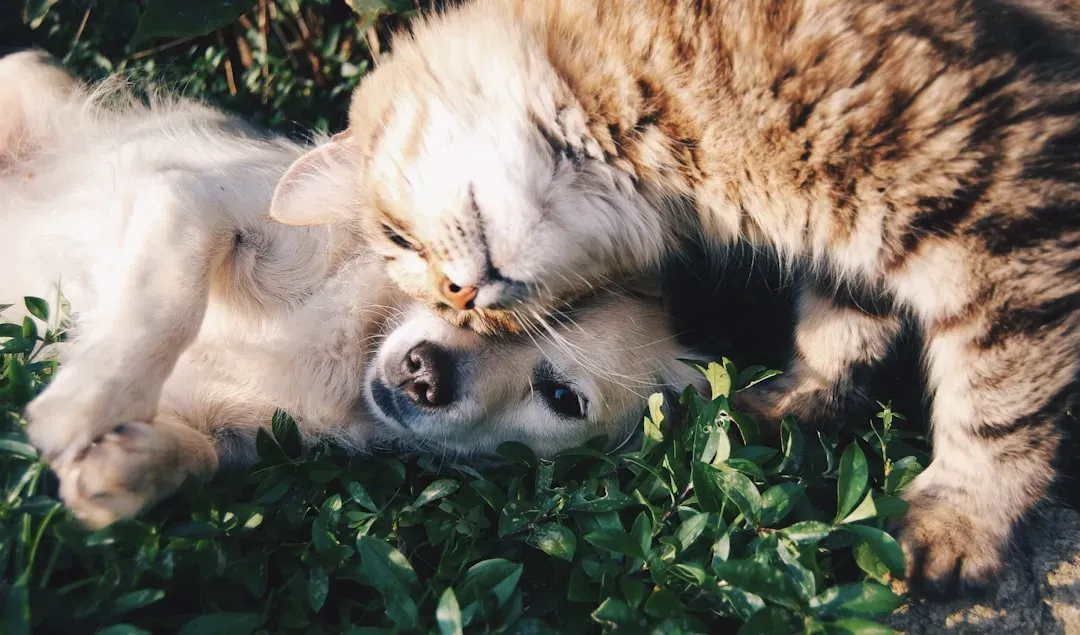
Societal messages around pets often highlight dogs as family-oriented and energetic. Growing up immersed in that narrative without counterexamples from cats can delay alternative preferences. Adulthood brings exposure to different viewpoints that challenge the default.
People who encounter cat-centric communities later frequently report a sense of alignment they missed before. The shift feels like reclaiming a part of their identity rather than following trends. Early household norms play a quiet but persistent role in this evolution.
#10 Consistency in Dog Preferences Versus Flexibility With Cats
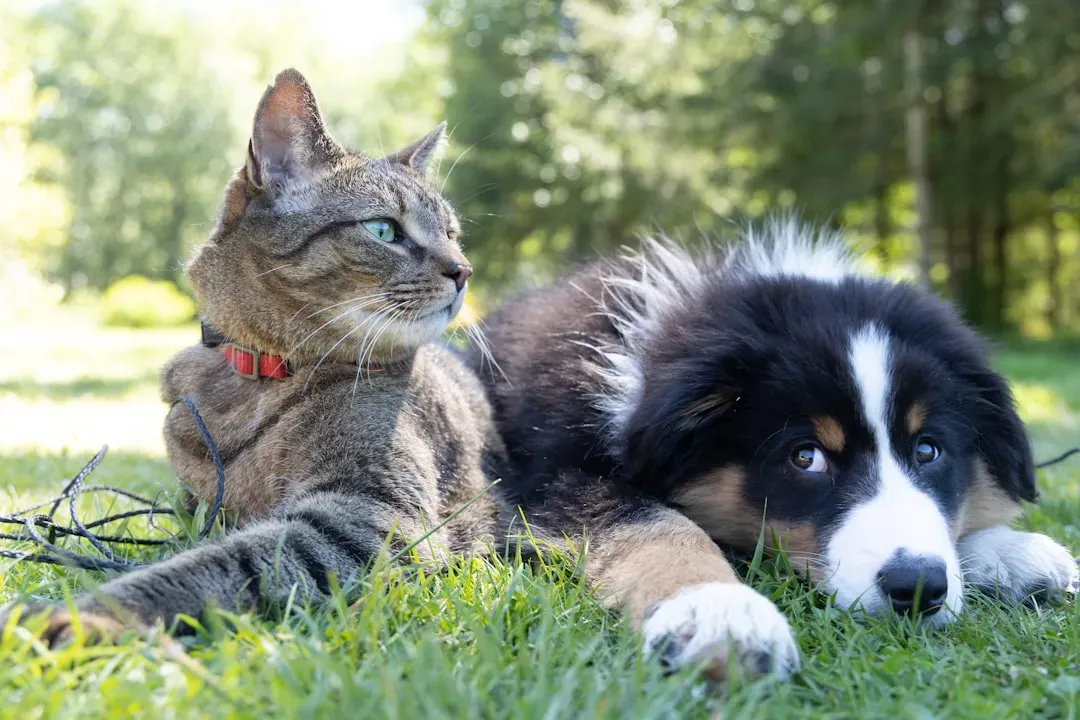
Dog affinity shows stronger stability across decades in multiple datasets. Cat preference demonstrates more room for change when childhood conditions differed. This flexibility allows individuals to adapt based on new circumstances and self-awareness.
The one-sided impact of missing cats early underscores how dogs claim attention more automatically in shared spaces. Adults who later choose cats often describe it as filling an unexplored area of their emotional landscape. The experience remains distinctly tied to those formative years.
#11 Practical Implications for Pet Selection Today
Understanding these patterns helps explain why some adults deliberately seek cats despite different upbringings. It encourages thoughtful matching of pet to current lifestyle rather than habit alone. Awareness of early influences can guide more satisfying choices.
Parents today might consider diverse pet exposure to broaden options for their children. Yet many cat enthusiasts reflect fondly on discovering the species on their own terms. The journey adds depth to the eventual bond they form.
#12 Research Limitations and Ongoing Questions
Available studies provide valuable correlations but leave room for individual variation and further exploration. Factors like personality, location, and personal temperament interact with childhood exposure in complex ways. No single experience dictates every outcome.
Future work may clarify how multispecies homes affect these trajectories differently. For now, the evidence supports paying attention to early absences as one meaningful thread. Readers can weigh this alongside their own histories when reflecting on preferences.
#13 Finding Comfort in Your Own Path
Recognizing the role of childhood experiences offers perspective without locking anyone into a fixed story. Many who prefer cats today describe their choice as a natural evolution that fits who they have become. The preference carries its own quiet validity regardless of origins.
Ultimately, pet bonds thrive on mutual respect and present-day connection more than past conditions alone. Those carrying the echo of limited early cat exposure often build rich relationships that feel earned and personal. This adaptability speaks to the resilience of human-animal ties across different starting points. In the end, pet preferences reveal less about right or wrong and more about the unique ways people seek companionship. The childhood thread adds context, yet the real story unfolds in the daily interactions that matter most now.
