

Every December, millions of people unwrap a puppy and feel that rush of pure joy. By February, thousands of those same dogs are sitting in a shelter kennel, confused, scared, and waiting. Rescue workers have a nickname for it: the Holiday Dump. It happens without fail, year after year, and the breeds showing up on intake forms are almost always the same ones.
What’s more unsettling is that most of these surrenders aren’t caused by bad people. They’re caused by a five-minute decision made in the glow of a holiday sale or a breeder’s Instagram page. The 13 breeds below are the ones paying the price for it every single January – and a few of them will genuinely surprise you.
At a Glance
- January is consistently the highest dog intake month in U.S. shelters, year after year
- An estimated 245,000 additional pets were waiting in shelters after the 2023 holiday season alone
- About 30% of all shelter animals are owner surrenders – not strays
- Housing issues are the single top documented reason dogs are surrendered
- Only 25–30% of shelter dogs are purebreds – mixed breeds carry the heaviest burden
#1 – Mixed Breed (Terrier or Hound Mixes)

Nothing floods a shelter in January quite like the mixed-breed dog nobody planned for. These are the puppies born from unplanned holiday litters – a terrier mix from a neighbor’s accidental breeding, a hound cross grabbed from a Facebook listing on Christmas Eve because the kids were begging. They look irresistible at eight weeks old. By week ten, they’re ricocheting off walls and chewing through baseboards, and the family has no idea what they signed up for because “mixed breed” told them nothing useful about what this dog actually needs.
Shelter workers say these mixes consistently outnumber purebreds in post-holiday intakes, and they’re also the hardest to place back into homes. Unknown histories, unpredictable adult size, and zero early training make them a tough sell even for experienced adopters. Many end up needing months of foster care just to become adoptable. They didn’t ask to be a Christmas gift. They never do.
#2 – Pit Bull Terrier
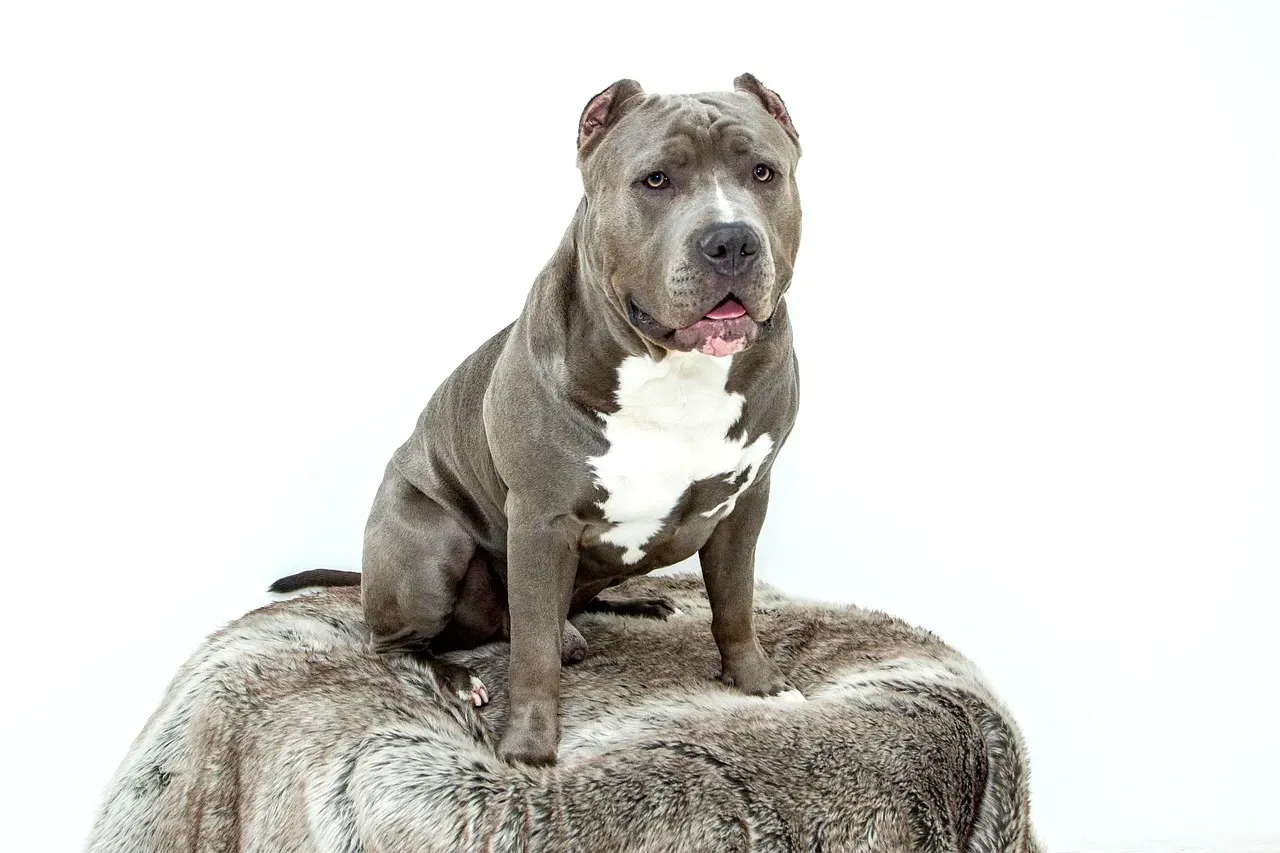
Pit bull-type dogs see the single largest post-holiday intake surge of any identifiable breed group, and the reasons are layered in ways that should make anyone angry. Part of it is impulse – people are drawn to their loyalty and muscle and buy them without any real plan. Part of it is ignorance – these are high-drive dogs that need consistent leadership, daily exercise, and structured socialization from week one. When that doesn’t happen, behaviors develop fast, and suddenly the dog that was a gift becomes a “problem.”
But here’s what makes this one genuinely infuriating: a huge share of these surrenders are driven by forces outside the dog’s control entirely. Landlords discover the breed and issue ultimatums. Insurance companies flag the address. A neighbor complains and a lease gets threatened. The dog did nothing wrong. Rescue workers will tell you that pit bulls, when raised with consistency and care, are among the most devoted dogs alive – but they absorb the consequences of society’s stigma and their owners’ lack of preparation in equal measure, every single year.
Worth Knowing
- Housing restrictions are the #1 documented reason dogs are surrendered to U.S. shelters overall
- Breed-specific lease clauses and homeowner insurance exclusions disproportionately affect bully breeds
- Pit bull-type dogs often spend longer in shelters before adoption than most other breeds
- Behavioral issues account for a much smaller share of surrenders than owner circumstances do
#3 – Labrador Retriever
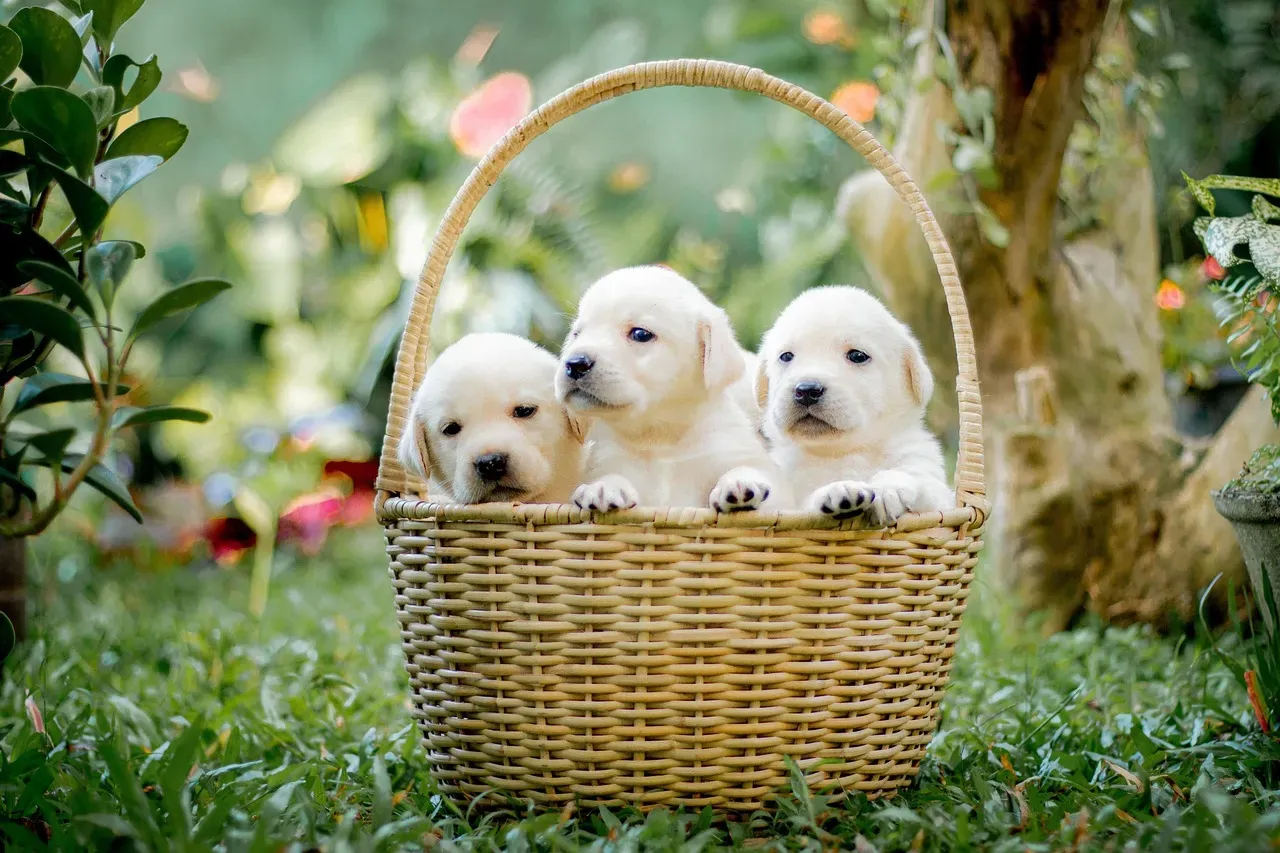
The Lab is the most popular dog in America, which means it’s also one of the most commonly surrendered. Families buy them because they’ve heard “Labs are great with kids” and picture a mellow, gentle companion padding around the house. What they get instead is a food-obsessed, 70-pound adolescent who will eat a couch cushion if left alone for three hours and needs a serious walk every single day without negotiation. The gap between expectation and reality is enormous, and shelters feel that gap every January.
Labs are surrendered most often around the six-to-twelve month mark – right when the cute puppy phase ends and the real training work begins. Their popularity guarantees a steady pipeline of intakes regardless of the season, but the post-holiday wave is reliably the worst. The tragic irony is that Labs genuinely are wonderful family dogs. They just require consistent effort that the holiday gift-buying mindset doesn’t account for, and by the time that becomes obvious, the holiday glow has long since worn off.
#4 – Chihuahua

Chihuahuas get bought as accessories. Tiny, portable, and absurdly cute in photos, they feel like the perfect low-effort gift for someone who lives in a small apartment or wants a dog without the commitment of a big breed. Shelters would like a word with that logic. Chihuahuas are terrier-adjacent in temperament – bold, opinionated, and deeply loyal to their person in a way that curdles into fear-based aggression when they’re passed around, under-socialized, or treated like a stuffed animal instead of a dog.
Post-holiday intakes are full of Chihuahuas who nip, who refuse to house-train, who bark at everything that moves. These aren’t character flaws. They’re the entirely predictable result of skipping the boring parts of dog ownership – boundaries, socialization, consistency – because the dog was so small it seemed like those parts wouldn’t matter. They always matter. And year after year, these tiny dogs end up in shelters that are already stretched thin, waiting for someone who actually understands what they need.
#5 – German Shepherd
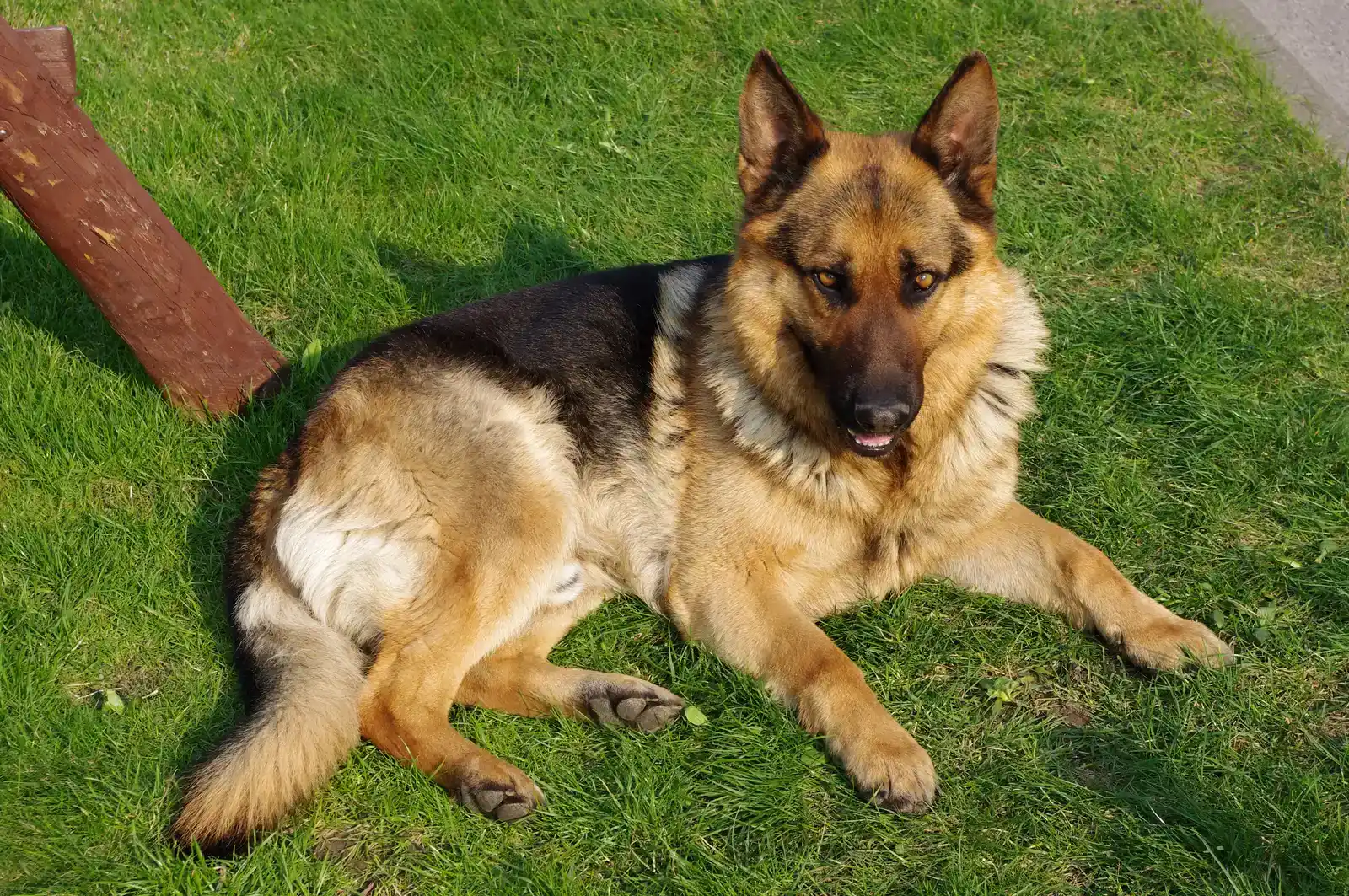
German Shepherds are sold on reputation. They’re police dogs, military dogs, the gold standard of loyalty and intelligence – and that reputation is exactly what gets them surrendered in droves every January. People gift them imagining a noble, obedient companion. What they get is one of the most mentally demanding breeds alive, a dog that will dismantle your home and develop serious anxiety if you don’t give it a job, a purpose, and at least an hour of real engagement every single day.
Shelters see them arrive with separation anxiety, destructive habits, and sometimes orthopedic problems from being kept inactive in spaces too small for their frame. The intelligence that makes them legendary is the same thing that breaks them when it has nowhere to go. Rescue workers consistently flag German Shepherds as a breed that suffers enormously from the gap between what people imagine and what actually gets provided – and the post-holiday surge is a painful, recurring reminder of that gap.
#6 – Siberian Husky

If you’ve ever seen a Husky puppy with those pale eyes and that plush coat, you understand why they end up under Christmas trees. They look like living stuffed animals. The problem is that stuffed animals don’t dig craters in your backyard, howl like a wolf at 2 a.m., or sprint through a gap in the fence the moment you look away. Huskies are working sled dogs. They were literally bred to run fifty miles a day in Arctic conditions. A suburban yard and a 20-minute walk was never going to be enough.
Rescue organizations that specialize in Huskies describe January as their busiest, most exhausting month of the year. Dogs arrive underweight, matted, and confused after being kept indoors by families who didn’t realize what they’d taken on. The escape artistry alone disqualifies them for most rental situations – and once a Husky gets out, the combination of speed and prey drive makes them genuinely dangerous near traffic. They are breathtaking dogs in the right hands. They are a crisis in the wrong ones, and holiday season creates a fresh crop of wrong-hands situations every single year.
“We have been receiving doodles surrendered from backyard breeders… Backyard breeders are breeding faster than we can save them.”
Shelter respondent, Shelter Animals Count survey
#7 – Golden Retriever

Goldens are everyone’s dream dog, which is precisely the problem. They’re so deeply woven into the cultural image of the ideal family – running through leaves, fetching sticks, endlessly patient with children – that people buy them without any sense that there might be effort involved. The reality is a high-energy breed with a coat that sheds in quantities that seem physically impossible and an adolescent phase, roughly eight to eighteen months, that would test a saint’s patience.
Shelters see them returned most often as young adults, right after shedding season delivers its first full assault on a household carpet. Owners who skipped consistent training discover that a friendly Golden is still a 70-pound dog who will knock over a toddler and eat anything left at nose height. The breed’s gentle temperament actually works against it here – people assume that sweetness means easy, and it doesn’t. Goldens deserve better than being surrendered the moment the novelty wears thin, and the ones sitting in shelters every February know nothing about why they ended up there.
Quick Compare: Dream vs. Reality for Popular Holiday Gift Breeds
- Golden Retriever: Imagined as calm and gentle – reality is a high-energy, heavy-shedding adolescent for 12+ months
- Labrador Retriever: Sold as “great with kids” – reality is a food-obsessed 70-lb chewer who needs daily hard exercise
- German Shepherd: Pictured as noble and obedient – reality demands a daily job, mental stimulation, and expert handling
- Siberian Husky: Looks like a stuffed animal – reality is an escape artist bred for 50-mile Arctic runs
- Chihuahua: Seems like a low-effort small dog – reality is a bold, boundary-testing terrier in a tiny frame
#8 – French Bulldog

French Bulldogs have spent a decade as one of the most purchased breeds in the country, and the rescue community has spent that same decade managing the consequences. They’re marketed as low-energy, apartment-friendly, and irresistibly cute – all technically true statements that leave out enormous amounts of relevant information. Frenchies are a brachycephalic breed, meaning those adorably smooshed faces come with structurally compromised airways. Breathing difficulties, overheating risks, and spinal problems are not rare complications – they are routine features of the breed.
Post-holiday shelters receive French Bulldogs whose new owners had no idea about any of this, dogs with already-documented respiratory issues that were never disclosed by the seller. Vet bills that seemed manageable in theory become overwhelming in reality, and the dog gets surrendered not out of malice but out of financial panic. Breeders profit from the trend. Rescues absorb the fallout. And somewhere in a kennel in January, a Frenchie who never asked to be a status symbol waits for a second chance from someone who actually looked into what ownership involves.
#9 – Rottweiler

Rottweilers are gifted for the wrong reasons almost every time. Someone wants a guard dog, a status symbol, a dog that looks powerful on a leash – and they pick up a Rottweiler puppy without any background in handling a breed that is going to grow into 100 pounds of muscle with strong protective instincts and an urgent need for socialization from the very first week. These dogs are not inherently dangerous. They are, however, completely unforgiving of inconsistent or inexperienced ownership.
By January, shelters are fielding surrenders from families who discovered that their lease prohibits the breed, that their homeowner’s insurance won’t cover it, or that the puppy they thought was adorably dominant is now a teenage dog testing every boundary they failed to set. Rottweilers thrive with experienced handlers who understand their nature. In the hands of someone who bought them on impulse and skipped the foundational work, they become a liability – and they pay for that mistake with their placement in an overwhelmed shelter system.
#10 – Boxer
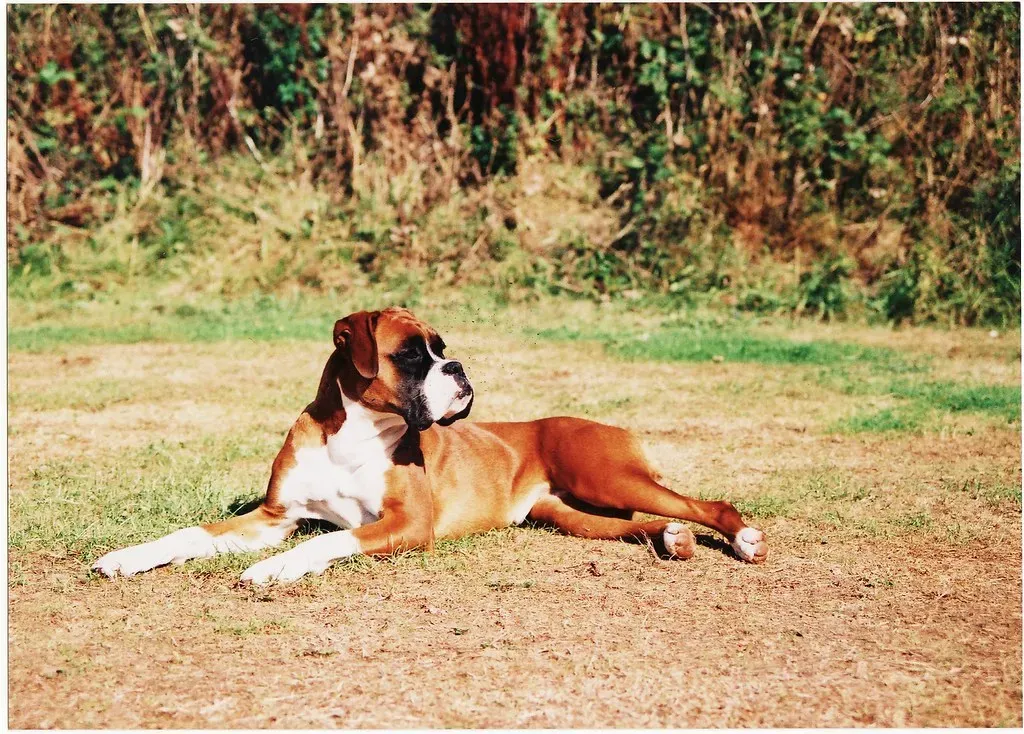
Boxers are joyful, clownish, enthusiastically physical dogs – which sounds like a selling point until one sends a grandparent skidding across a hardwood floor on Christmas afternoon. They are categorically not a calm companion breed, and yet they get purchased every holiday season by families expecting exactly that. A Boxer needs to run. It needs to jump and wrestle and burn through energy in ways that sedentary households simply cannot accommodate, and when that energy has nowhere to go, the dog becomes a domestic wrecking ball.
Rescue groups log Boxers arriving with separation anxiety that developed fast – often because they were crated too long too soon, or left alone in homes not equipped for their intensity. They’re also a breed prone to certain health conditions that catch unprepared owners off guard. What makes this particularly heartbreaking is that Boxers are deeply people-bonded dogs. Being surrendered to a noisy, unfamiliar shelter is genuinely distressing for them in a way that’s hard to watch. They needed a home that understood their energy from the start, and the holiday gift economy denied them that.
Fast Facts: The Scale of the Crisis
- 5.8 million dogs and cats entered U.S. shelters in 2025 – 2.8 million of them dogs
- Approximately 597,000 animals were euthanized in U.S. shelters in 2025
- Large and medium dogs saw adoption declines of 9% and 3% respectively in early 2025
- More than 54% of shelters report receiving “leftover” puppies from breeders who couldn’t sell them
- Shelters are in their fourth consecutive year of more animals entering than leaving
#11 – Beagle

Beagles look like the perfect starter dog – medium-sized, friendly-faced, and seemingly manageable. That impression evaporates the first time one locks onto a scent trail and becomes completely unreachable by any human voice on earth. These are scent hounds with centuries of hunting instinct packed into a compact frame, and no amount of wishing will override that wiring. They will follow their nose through an open gate, under a fence, or straight into traffic without a second’s hesitation. They will also howl – a deep, operatic bay that carries across an entire neighborhood – whenever the mood strikes them.
Post-holiday shelter intake for Beagles spikes sharply because they arrive as young adults, somewhere around eight to fourteen months old, after families have lost the training battle and received enough noise complaints to give up. They come in having chewed furniture, escaped repeatedly, and driven households to the edge of sanity – not because they are bad dogs but because no one told their new owners what Beagles actually are. A well-exercised, mentally stimulated Beagle is a delightful companion. An under-stimulated one is a small furry chaos machine, and the holidays manufacture those at scale.
#12 – Pug

Pugs are bought for their faces and surrendered because of them. Those wide eyes and compressed features that make them so visually compelling are also the source of near-constant health management – labored breathing, eye problems, skin infections in facial folds, and a body that overheats so easily that a warm afternoon walk can become a veterinary emergency. None of this is hidden information. All of it gets ignored when someone sees a Pug puppy and decides it would make a perfect gift.
Holiday surrenders tend to arrive overweight – fed scraps from festive meals by well-meaning but uninformed new owners – and already showing signs of respiratory distress that nobody screened for. The breed’s loud snoring, which charms people in short video clips, becomes significantly less charming at 3 a.m. in a shared bedroom. Shelters then face the challenge of placing a dog with ongoing medical needs into a home equipped to handle them. Pugs deserve owners who love them enough to research what love actually requires for this specific breed, and too often, the holiday impulse skips that part entirely.
#13 – Yorkshire Terrier
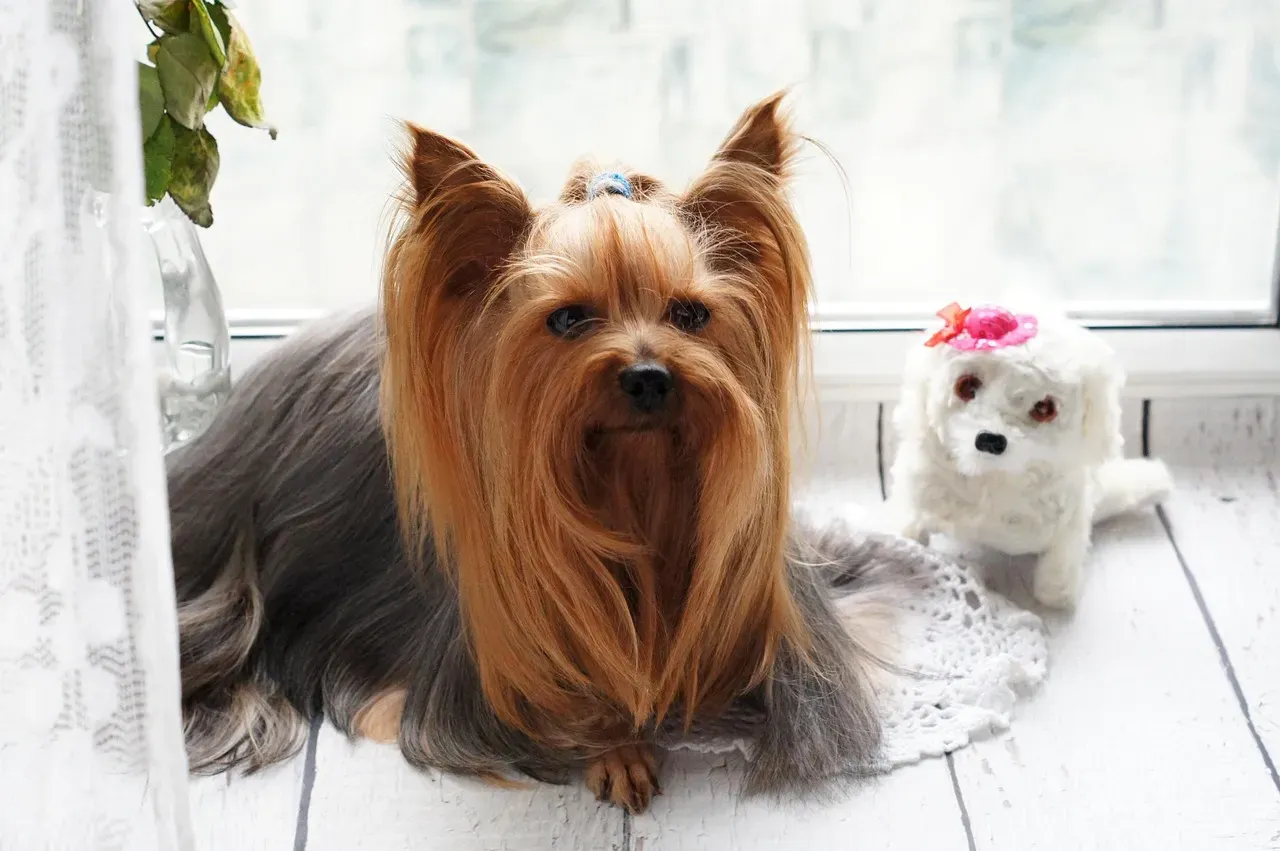
Yorkies are the ultimate triumph of marketing over reality. They photograph beautifully, fit in a purse, and come packaged with the idea that small equals simple. In practice, they are feisty, opinionated, high-maintenance terriers who bark with a persistence that goes well beyond charming, require daily coat brushing that borders on a part-time commitment, and approach house-training with a stubbornness that humbles first-time dog owners fast. The terrier temperament doesn’t come with a size disclaimer. It’s in there regardless.
Post-holiday shelters receive Yorkies with matted coats – weeks of skipped grooming compressed into a single intake appointment – and behavioral issues that developed from being carried everywhere instead of trained. Many arrive already resource-guarding or nipping, patterns that formed quickly when boundaries were never established. Rescue workers find them homes with experienced small-dog owners, people who know that a five-pound dog can have the personality of a forty-pound one and plan accordingly. Those homes exist. They’re just rarely the ones that impulsively buy a Yorkie as a holiday surprise.
The Hard Truth Nobody Wants to Hear in December
Every single breed on this list is capable of being a genuinely wonderful companion. That’s not the problem. The problem is a holiday culture that packages living animals as gifts and treats research as optional. Shelter workers don’t get a quiet January. They get 31 days of intake paperwork, kennel stress, and dogs who are bewildered about why the warm, noisy house they barely had time to learn is suddenly gone. These aren’t statistics. They have names on their kennel cards.
The cruelest part is that this is entirely preventable. Not by banning dog gifts – by making the decision with the same seriousness you’d give any decade-long commitment, because that’s exactly what it is. If you’re considering adding a dog to your family, the breed list above isn’t a warning to stay away. It’s an invitation to actually meet the dog you’re thinking about – its energy, its needs, its costs, its quirks – before it ends up as one more January intake photo on a rescue’s social media page. The dogs are worth more than that. They always have been.

- 13 Tender Signs a Horse Is Grieving a Rider It Lost - July 28, 2026
- 11 Small Ways a Rescue Horse Shows It Has Finally Let a Human In - July 28, 2026
- 14 Quiet Ways a Horse Keeps Watch Over the Person It Has Claimed - July 28, 2026