

Imagine building a water system in the middle of a desert so advanced that it could pump water uphill under pressure. That’s exactly what engineers in ancient Petra managed to pull off, and we’re only now beginning to understand just how impressive their work really was. The rose-red city carved into Jordanian cliffs has always fascinated archaeologists, but a recent discovery has added an entirely new dimension to what we thought we knew about Nabataean engineering prowess.
Researchers have just identified something extraordinary hidden within the rocks. It’s a find that challenges previous assumptions and reveals a level of technical sophistication that rivals anything the Romans accomplished during the same era.
Discovery of Dual Water Systems Changes Everything
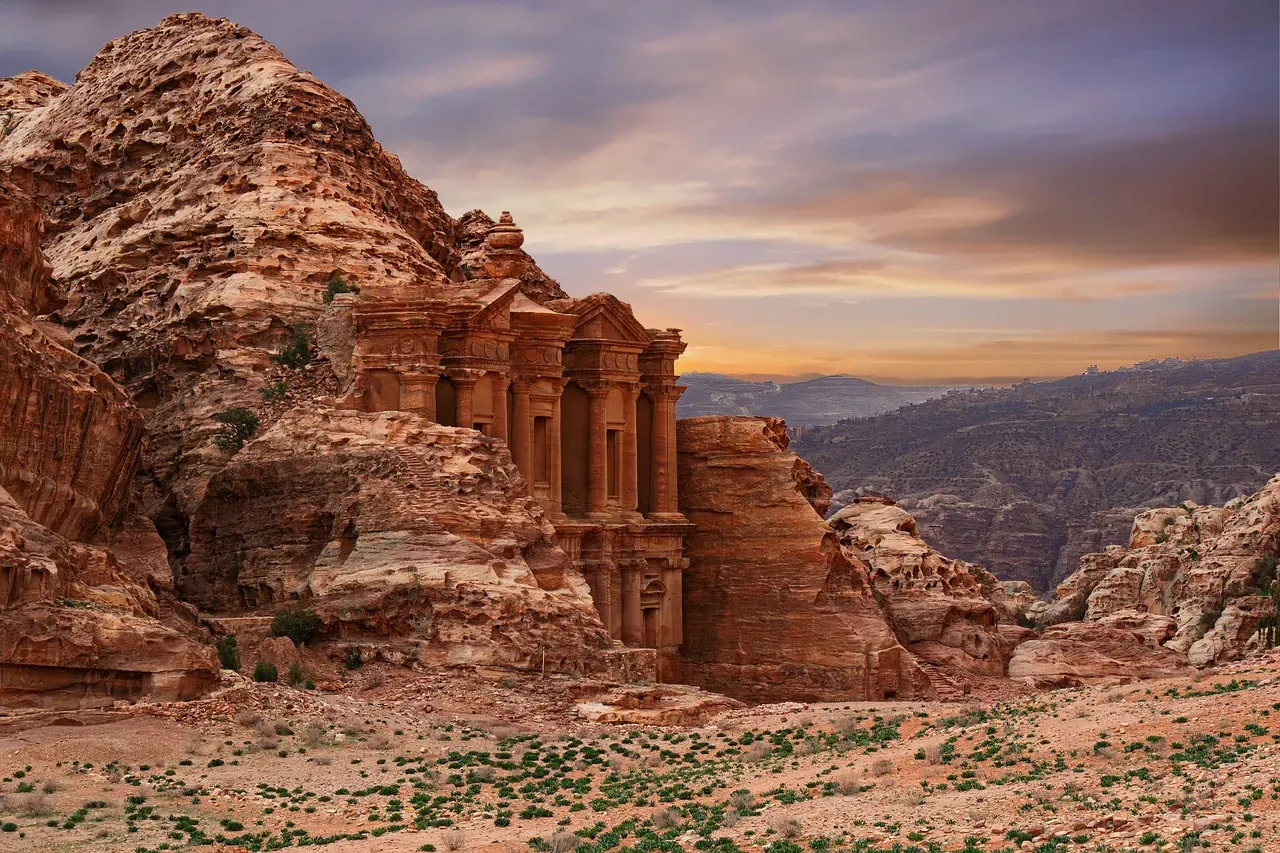
Archaeologists working near Petra have uncovered a 380-foot-long lead pipe within the ‘Ain Braq aqueduct, revealing that the system carried water through two main channels rather than one as previously believed. This completely overturns decades of scholarship.
The research was led by Niklas Jungmann of Humboldt-Universität zu Berlin and published in the journal Levant, focusing on a detailed field survey near Petra in southern Jordan, a city that reached its height in the 1st century BC. The dual-conduit system represents a fundamental shift in how experts understand water delivery in this ancient metropolis.
The Lead Pipeline: An Engineering Marvel
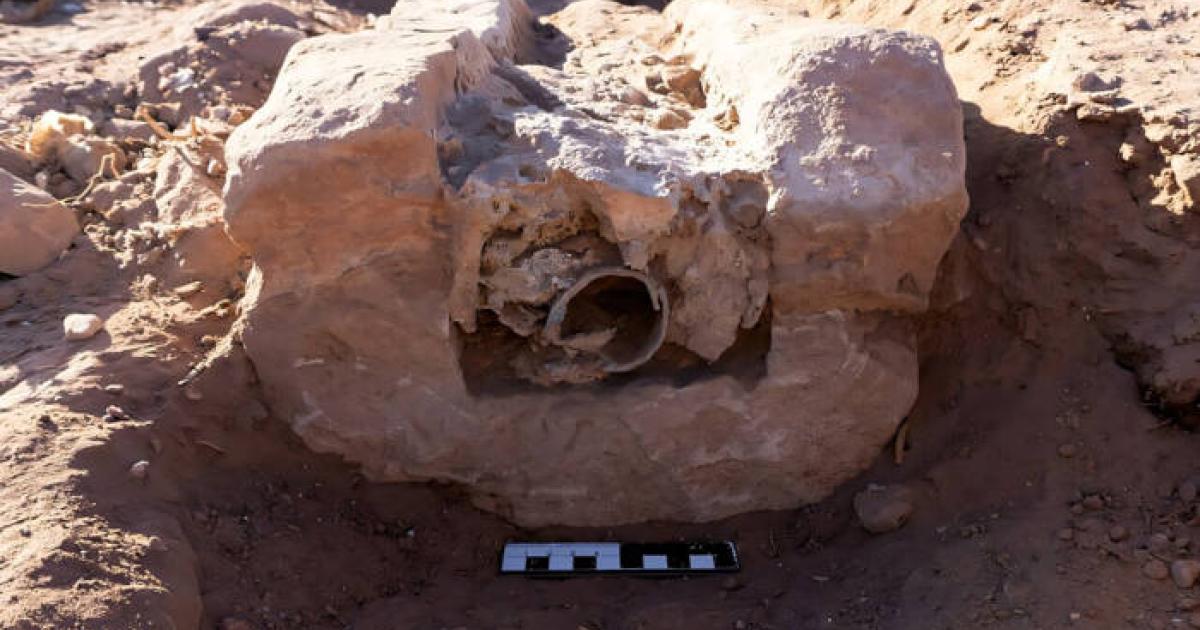
Here’s what makes this discovery so remarkable. The previously unknown lead pipeline measures about 116 meters long, and lead pipelines rarely appear outside building interiors in the eastern Mediterranean, pointing to high investment and skilled labor. Think about what that means for a moment.
Lead pipes are smooth, welded, and capable of handling high pressure, including use as inverted siphons, making them better suited to high-pressure situations in steep, uneven landscapes. The Nabataeans weren’t just moving water from point A to point B. They were engineering pressurized systems that could navigate challenging desert terrain. That takes serious know-how.
Wealth and Technical Confidence on Display
The decision to install a lead system reflects both wealth and advanced engineering skills, and the aqueduct was likely built during the reign of King Aretas IV to supply water to the Great Temple and the Garden and Pool Complex. You don’t invest in expensive lead piping unless you’ve got resources to spare and confidence in your technical capabilities.
Choosing lead implies major investment in raw material, fuel, and specialist skills, with the goal possibly being to bring water up to az-Zantur hill and then onward toward Petra’s city center. In a desert environment, controlling water flow wasn’t just practical infrastructure. It was a display of power.
The Fieldwork That Uncovered Hidden Structures
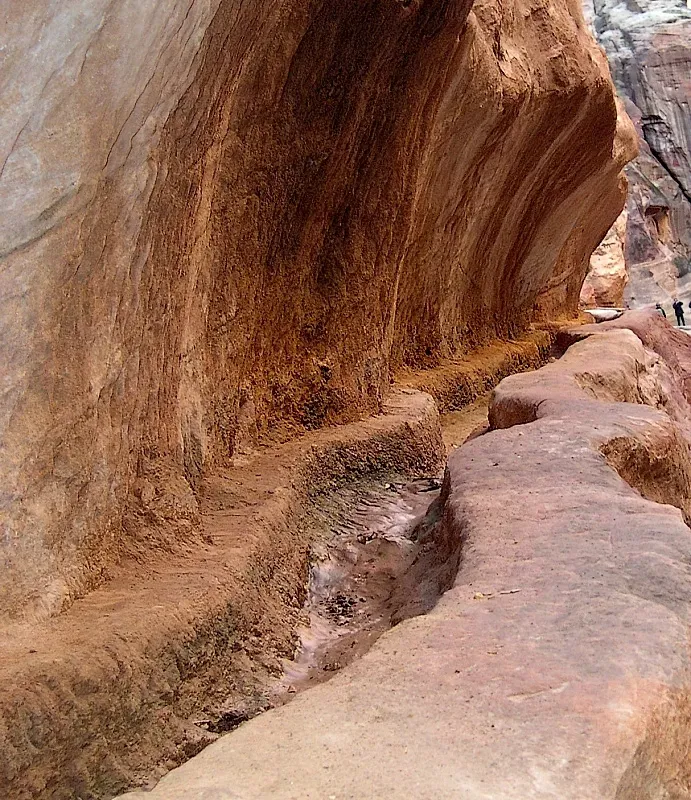
During the first Urban Development of Ancient Petra Project season in September 2023, a second lead pipe-based conduit and numerous water structures were identified, with nine conduits total, one large reservoir, two cisterns, and seven basins documented. The scope of what they found is honestly pretty staggering.
The work applied a close-range method that examined a compact area of about 2,500 square meters within the Jabal al-Madhbah massif, where parts of the aqueduct survive. Previous studies had taken broad views of Petra’s water systems. This micro-approach revealed details that got missed when researchers were looking at the bigger picture.
An Unusual Dam and Clever Design Solutions
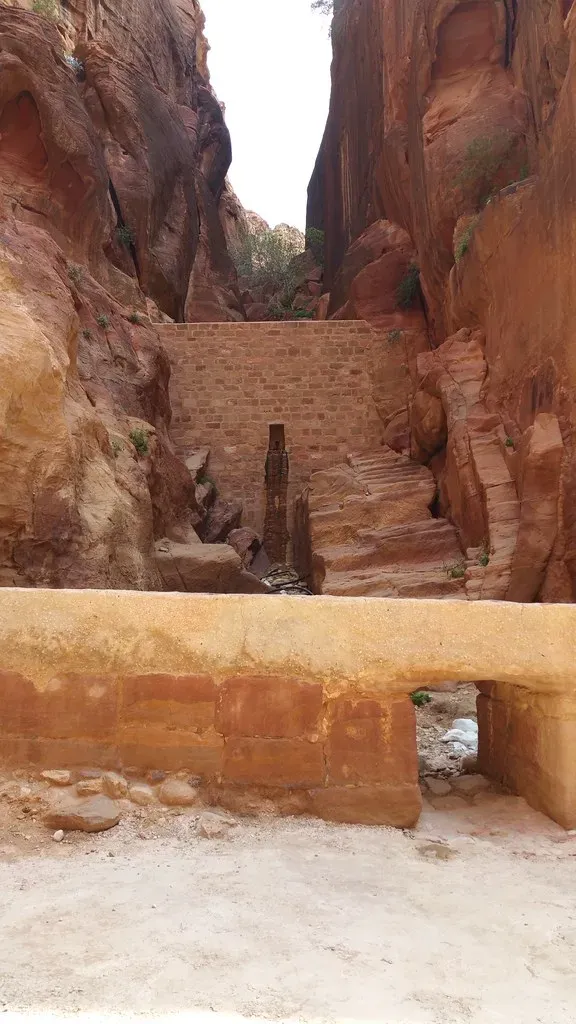
Among the documented structures was a retention dam with an unusual, irregular shape, no visible pressure outlet, and a tiered appearance different from other dams in Petra, likely a result of the gap in the sandstone massif which builders sought to close. The dam itself is a bit of an oddball.
Builders often coated dams with colored plaster to blend them with the rock, and the stepped design would have widened the base and reduced stress from stored water. It’s hard not to admire the problem-solving here. They had to work with the natural landscape, and they found creative ways to do it.
The Shift Back to Terracotta and Practical Adjustments
Petra’s ancient aqueduct later shifted back to terracotta piping, likely because lead systems demanded more resources, fuel, and specialized maintenance. Honestly, that makes a lot of sense when you think about it from a practical standpoint.
At a later point, workers sealed the lead pipeline and shifted to terracotta conduits, as clay pipes cost less to produce and repair with local craftsmen having long experience with them, showing how Petra’s water managers adjusted technology to balance performance and resources. The transition demonstrates adaptability. These engineers weren’t stuck on one solution. They adjusted as circumstances changed, which is frankly what any good engineering team would do.
Conclusion: Rewriting Ancient Engineering History

The discovery of this lead pipeline system forces us to reconsider what we thought we knew about Nabataean capabilities. They weren’t just copying Roman techniques or stumbling through trial and error. The results add firm data to discussions of Nabataean hydraulic planning and urban infrastructure, providing concrete evidence of sophisticated engineering that matched anything else in the ancient Mediterranean world.
Petra relied heavily on water to sustain its baths, gardens, sanctuary installations, and an extensive garden and pool complex. The lead pipeline represents more than just infrastructure. It symbolizes ambition, technical mastery, and the determination to create something extraordinary in one of the harshest environments imaginable. What else might still be hidden beneath those rose-colored stones, waiting to surprise us?

- 10 Remarkable Facts About the African Cheetah: The Lightning of the Grasslands - July 29, 2026
- 10 Most Heroic Horses in History - July 29, 2026
- Why You Should Never Play Dead When Attacked by a Black Bear - July 29, 2026