
Worried about unexpected vet bills?
Pet insurance can cover thousands in unexpected vet costs. Get a free quote from Lemonade in under 2 minutes.
Get My Free Quote →Sponsored · Opens Lemonade.com
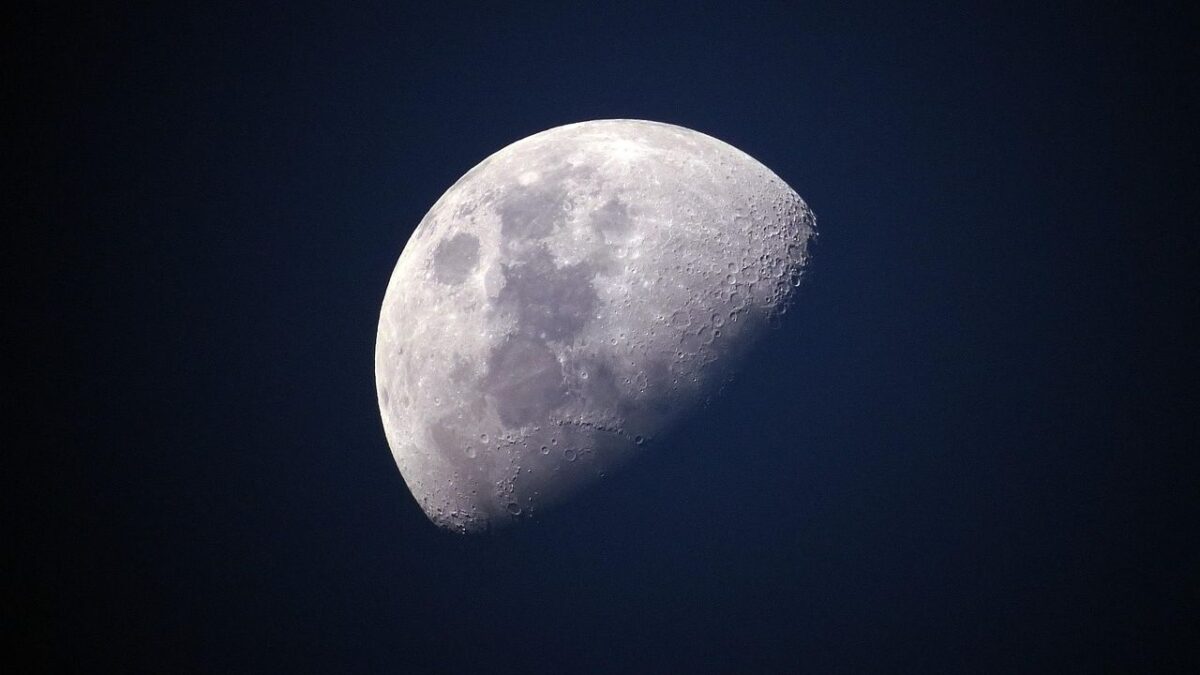
Imagine trying to touch the moon with nothing but invisible waves of energy. It sounds like something out of a science fiction novel, right? Yet on a cold January morning in 1946, a small group of engineers huddled around a tiny oscilloscope screen in New Jersey, waiting to see if they’d just pulled off something that many thought was impossible. This wasn’t about landing on the lunar surface or planting flags, but about proving that we could reach beyond Earth’s atmosphere in the first place.
Project Diana, named for the Roman moon goddess Diana, was an experimental project of the US Army Signal Corps in 1946 to bounce radar signals and receive the reflected signals. The experiment would mark a turning point in human history, though few realized it at the time. Let’s explore how a repurposed military radar installation became humanity’s first tool for actively probing another celestial body.
The Origins of a Moonshot Dream
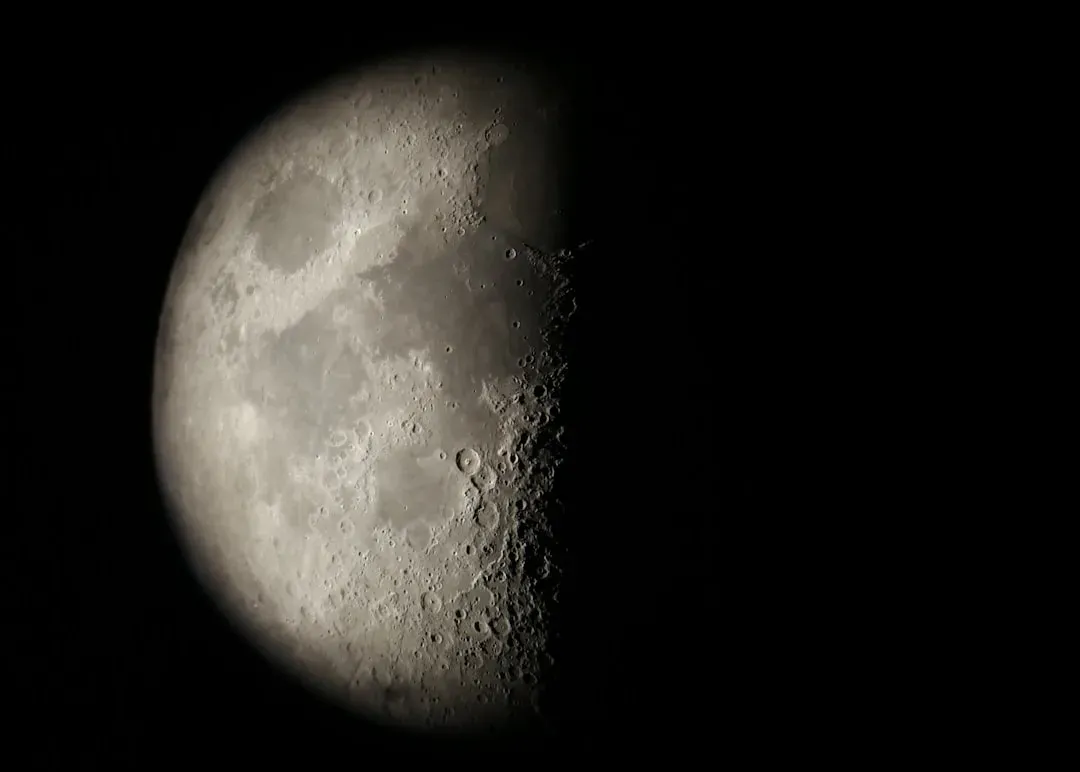
Following the end of World War II, Col. John H. DeWitt Jr., Director of the Evans Signal Laboratory at Camp Evans (part of Fort Monmouth), in Wall Township, New Jersey, was directed by the Pentagon to determine whether the ionosphere could be penetrated by radar, in order to detect and track enemy ballistic missiles that might enter the ionosphere. The devastation of London by German V-2 rockets was still fresh in everyone’s minds. Military planners were genuinely terrified that the Soviet Union might develop similar capabilities, potentially armed with nuclear warheads.
He decided to address this charge by attempting to bounce radar waves off the Moon. It was an audacious solution to a pressing problem. Here’s the thing, though: DeWitt wasn’t just improvising. He’d actually dreamed about this experiment long before the war began, once even attempting to bounce back in 1940 with homemade equipment.
The Team Behind the Mission
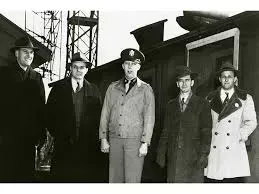
In the fall of 1945, DeWitt assembled his team of Chief Scientist E. King Stodola, Herbert Kauffman, Jacob Mofenson, Harold Webb, and famed mathematician Walter McAfee. This wasn’t some massive government operation with unlimited resources. Think of it more as a scrappy startup assembled from radar experts who were about to be discharged from military service anyway. As resources and time were limited, no attempt was made to design major components specifically for the experiment. Instead, the team modified radar equipment already on hand at Camp Evans for their experiment, using a heavily modified SCR-271 radar set as their transmitter.
They had to work fast. DeWitt’s staff was already being disbanded, and everyone knew they only had a narrow window before everything would be shut down.
Building the Equipment
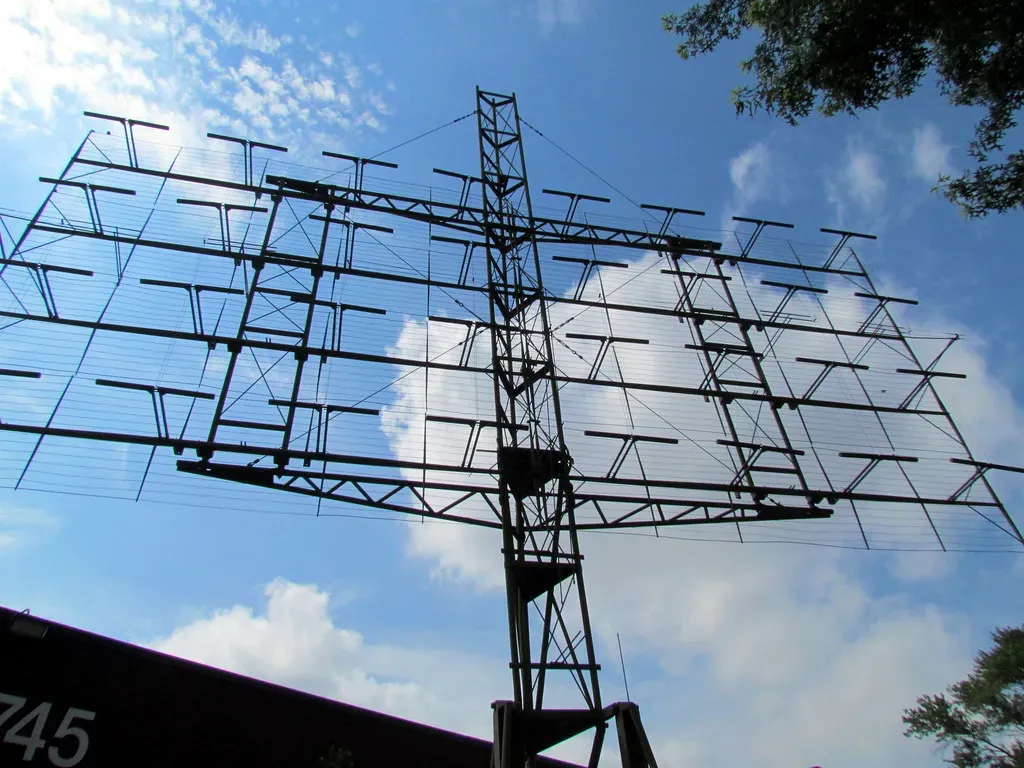
The technical challenges were enormous. The transmitter, a highly modified SCR-271 radar set from World War II, provided 3 kilowatts (later upgraded to 50 kilowatts) at 111.5 MHz in 1⁄4-second pulses, applied to the antenna, a “bedspring” reflective array antenna composed of an 8×8 array of half wave dipoles and reflectors that provided 24 dB of gain. The antenna got its nickname from its appearance, looking remarkably like a giant bedspring mounted atop a tower.
DeWitt and his colleagues decided to generate a much longer radar pulse that lasted about a quarter of a second. This pulse was easier to detect than a shorter one. Still, even with these modifications, the return signal would be incredibly faint after traveling roughly half a million miles round trip.
The Limitations of the Experiment
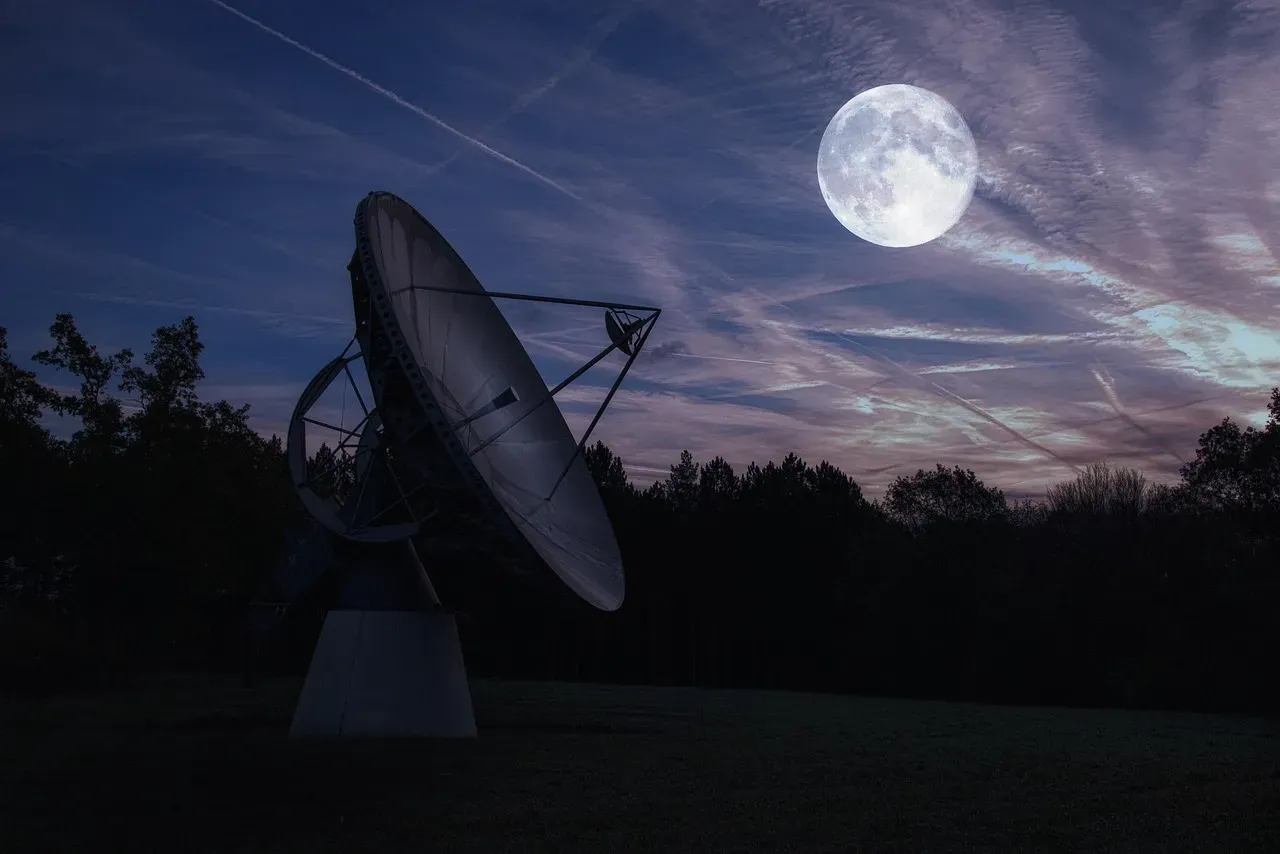
The antenna could be rotated in azimuth only, so the attempt could be made only as the Moon passed through the 15 degree wide beam at moonrise and moonset, as the antenna’s elevation angle was horizontal. About 40 minutes of observation was available on each pass as the Moon transited the various lobes of the antenna pattern. This was a massive constraint. You couldn’t just aim the antenna whenever you wanted. The team had to calculate precisely when the moon would rise above the horizon and position everything perfectly beforehand.
The receiver had to compensate for the Doppler shift in frequency of the reflected signal due to the Moon’s orbital motion relative to the Earth’s surface, which was different each day, so this motion had to be carefully calculated for each trial. Every attempt required fresh calculations and adjustments.
The Historic First Success
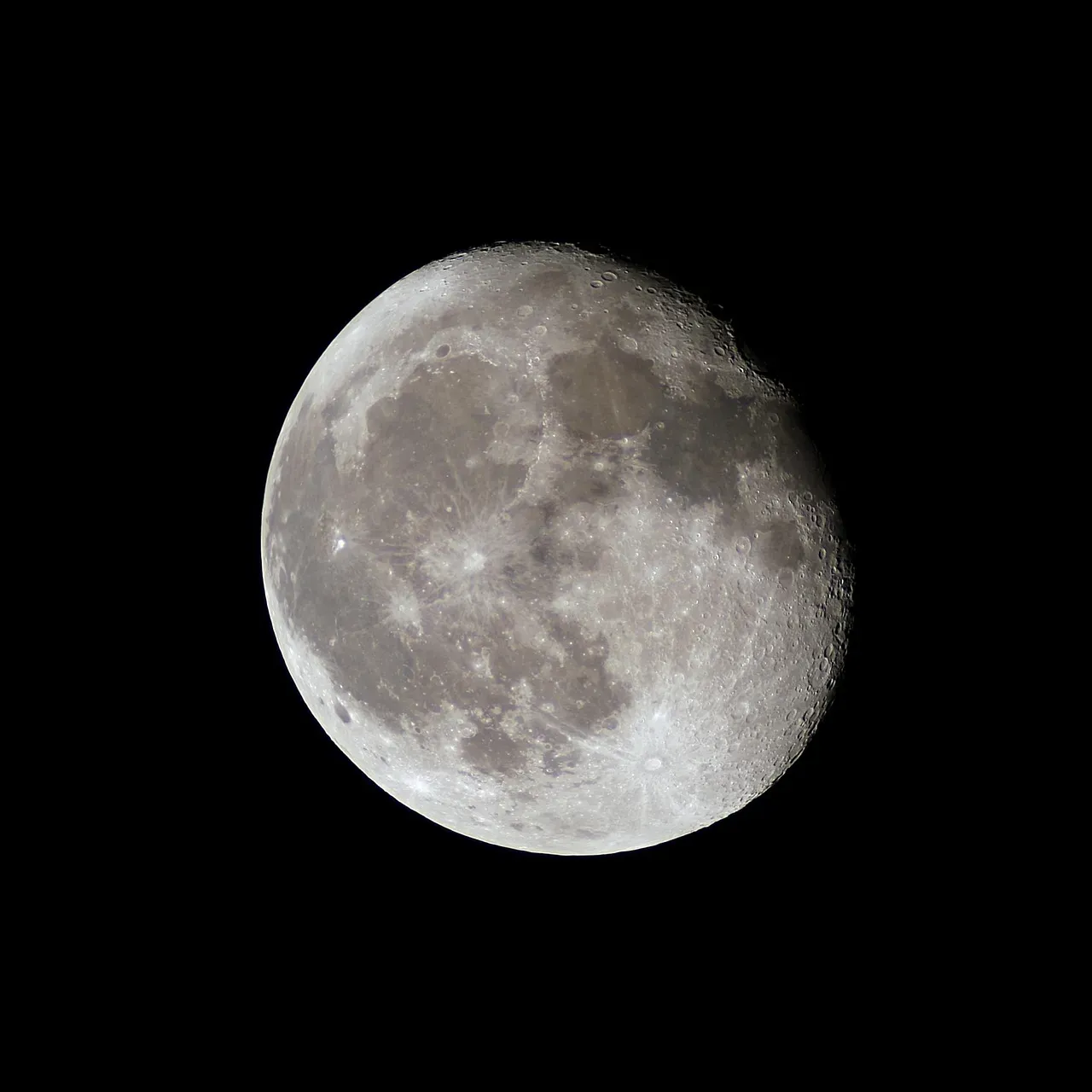
Nevertheless, on Thursday, January 10, 1946 at 11:58 a.m., DeWitt’s team detected the first signals reflected back from the Moon. Let’s be real, the moment must have been electric. After months of planning, frustrating setbacks, and equipment failures, that tiny spike on the oscilloscope screen confirmed what they’d accomplished. Return signals were received about 2.5 seconds later, the time required for the radio waves to make the 768,000-kilometre (477,000 mi) round-trip journey from the Earth to the Moon and back.
The math was simple but profound: at the speed of light, that timing meant only one thing. They’d touched the moon. This astounding feat was repeated almost every day and night for the next several months, proving beyond doubt that radio waves could penetrate the ionosphere and be reflected off the Moon.
What It Really Meant
This was the first experiment in radar astronomy and the first active attempt to probe another celestial body. That’s worth pausing over. Before Project Diana, humanity had only passively observed the cosmos. We looked at stars and planets, but we’d never actively reached out and touched them. It was the first demonstration that terrestrial radio signals could penetrate the ionosphere, opening the possibility of radio communications beyond the Earth for space probes and human explorers.
Think about what that meant for the future. Without proving that radio waves could pierce the ionosphere, space communication would have remained purely theoretical. Every satellite, every space probe, every moon landing that followed depended on this fundamental breakthrough.
The Birth of Radar Astronomy
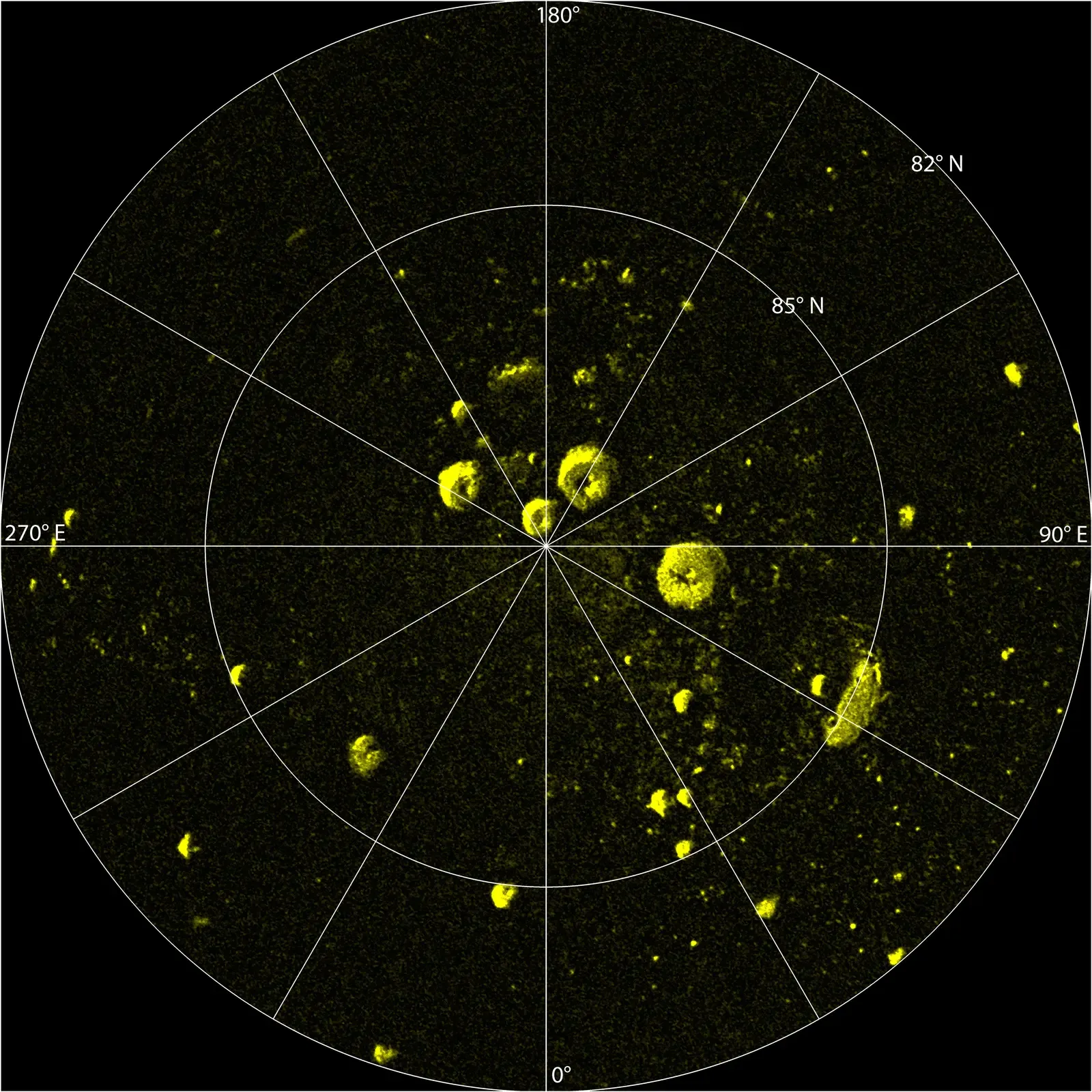
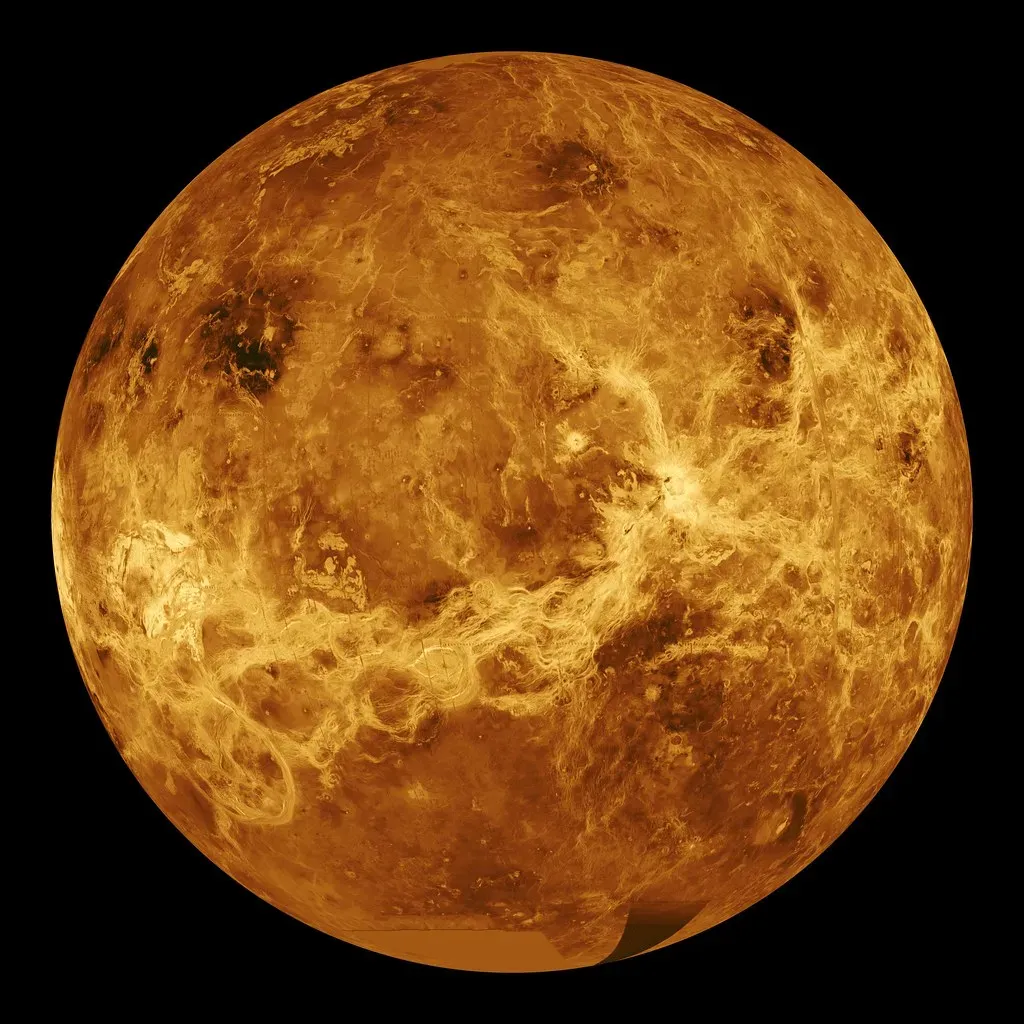
Project Diana marked the birth of radar astronomy later used to map Venus and other nearby planets, and was a necessary precursor to the US space program. The technique of bouncing signals off distant objects became an essential tool for studying the solar system. Astronomers could now measure distances with unprecedented accuracy and even create crude maps of planetary surfaces they couldn’t see through optical telescopes. But the basic technique of bouncing radio signals off distant bodies that was developed for the project has been used to gather data about the geological and dynamic properties of many of the solar system’s planets and other heavenly bodies. Additionally, the technique has been used to determine the distance from the earth to the sun and the scale of the solar system itself.
It’s hard to overstate how much this changed astronomy as a field.
Moonbounce and Military Applications

Project Diana demonstrated the feasibility of using the Moon as a passive reflector to transmit radio signals from one point on the Earth to the other, around the curve of the Earth. This Earth-Moon-Earth (EME) or “moonbounce” path has been used in a few communication systems. The military applications were immediately recognized. One of the first was the secret US military espionage PAMOR (Passive Moon Relay) program in 1950, which sought to eavesdrop on Soviet Russian military radio communication by picking up stray signals reflected from the Moon.
Honestly, the Cold War turned moonbounce into spy technology almost overnight. The fact that many details remained classified for decades meant Project Diana didn’t get the public recognition it deserved for years. Many of the details of Project Diana’s accomplishment consequently remained classified until quite recently, and instead of celebrating its first big success, the Army accorded only subdued recognition to Project Diana.
The Legacy of Naming Traditions
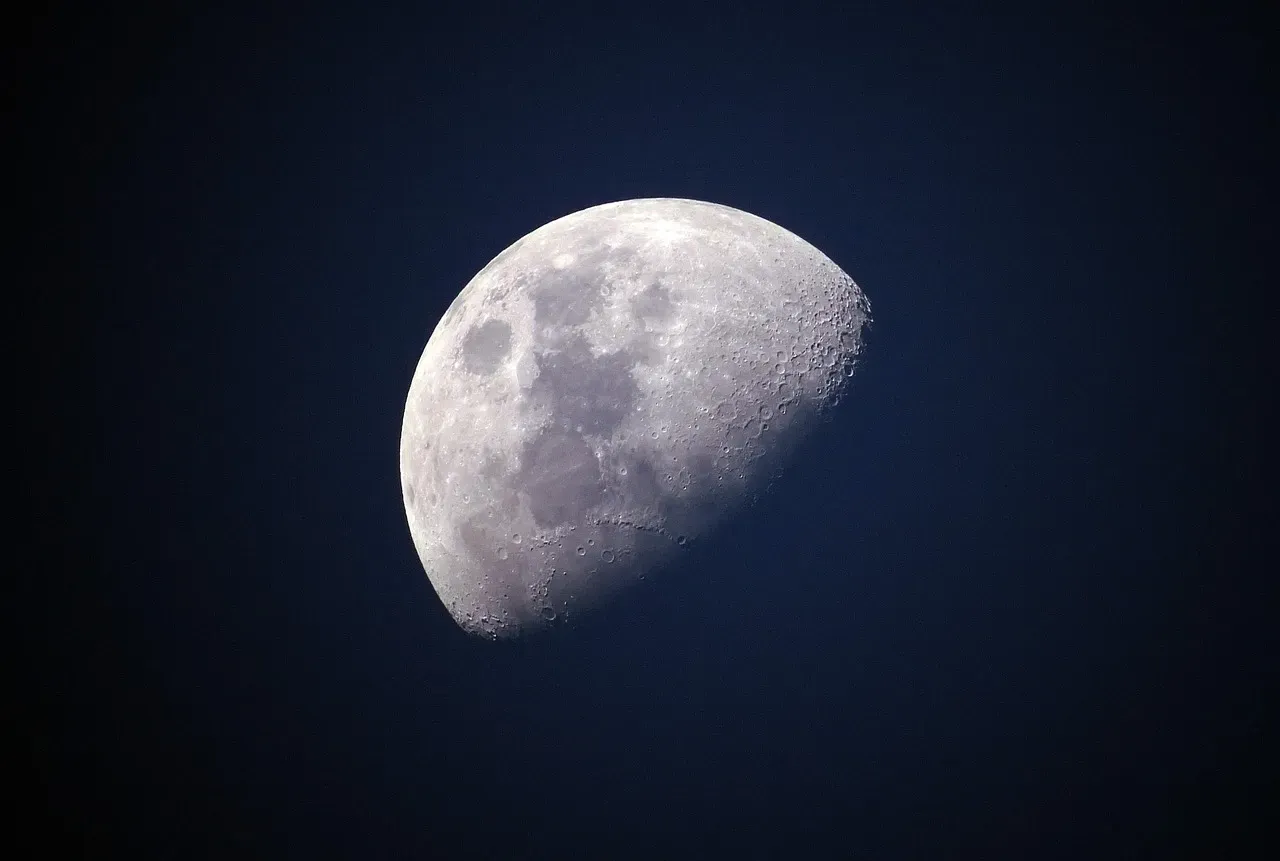
It also established the practice of naming space projects after Roman gods, e.g., Mercury and Apollo. The choice of Diana for this lunar experiment created a tradition that continues echoing through space exploration history. Every time you hear about Project Mercury or the Apollo missions, you’re seeing the influence of that original naming decision back in 1945. He code-named the experiment Project Diana after the Roman goddess of the moon – observing that according to ancient mythology, “she had never been cracked.”
DeWitt had a sense of humor about the whole thing, choosing a virgin goddess to represent humanity’s first active contact with another world.
Modern Amateur Radio and EME Today
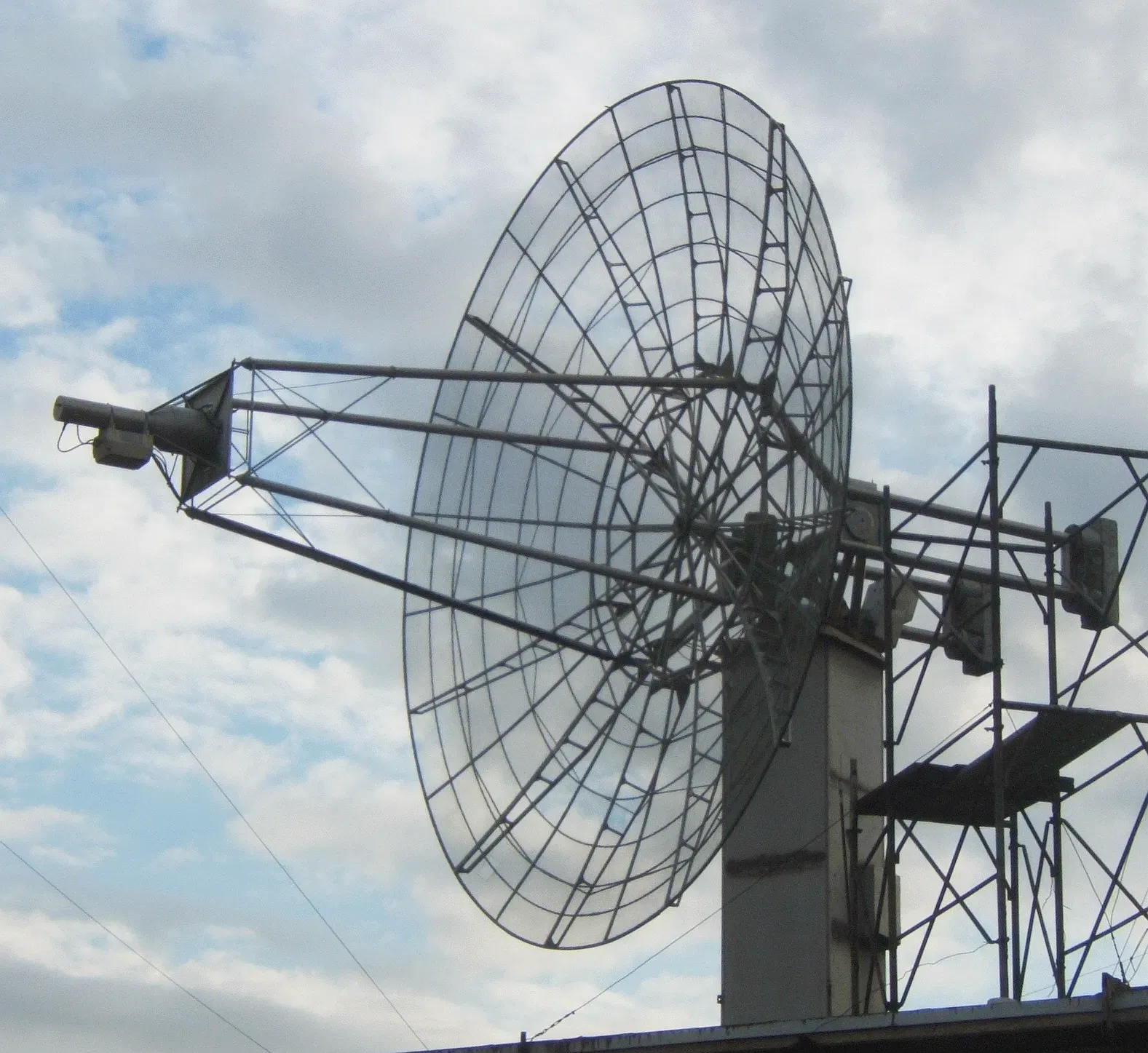
While satellites eventually replaced moonbounce for military and commercial purposes, the technique never completely disappeared. Since then it has been used by amateur radio operators. Today’s ham radio enthusiasts can set up their own equipment to bounce signals off the lunar surface, continuing the tradition that Project Diana started. The technology has become accessible enough that people can experiment with lunar communication from their own backyards, using powerful transmitters and sensitive receivers.
It’s a living testament to how far we’ve come from that first experiment in 1946.
Conclusion
In May of 2019, Project Diana was dedicated as an IEEE Milestone. The official recognition came more than seven decades after that cold January morning when a handful of engineers proved that the sky was no longer the limit. What started as a military experiment to detect incoming missiles became the foundation for space communication, radar astronomy, and eventually human exploration beyond Earth.
Project Diana reminds us that sometimes the most revolutionary breakthroughs come from asking simple questions and having the courage to try seemingly impossible experiments. Those engineers didn’t set out to change the world. They just wanted to see if they could make a radar signal bounce off the moon. Did you expect that such a modest goal would unlock the entire space age? What would you have thought if you’d been watching that oscilloscope screen on that historic morning?
Worried about unexpected vet bills?
Pet insurance can cover thousands in unexpected vet costs. Get a free quote from Lemonade in under 2 minutes.
Get My Free Quote →Sponsored · Opens Lemonade.com

- WHAT IT MEANS WHEN A ROBIN BUILDS A NEST NEAR YOUR FRONT DOOR - June 8, 2026
- Research Says Dolphins That Call Each Other by Unique Sounds May Have the Closest Thing to Personal Identity Found Outside the Human Species - June 8, 2026
- 12 Things Cardinals Do That Older Generations Always Paid Attention To - June 8, 2026