

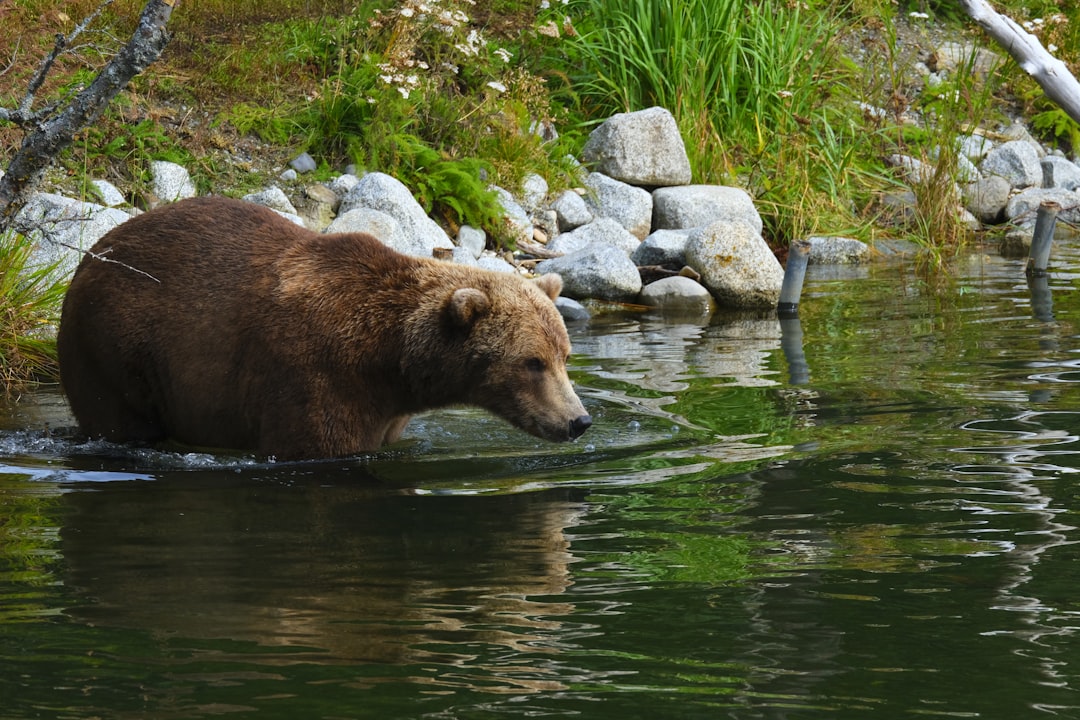
A Cycle of Bans and Reversals (Image Credits: Unsplash)
Alaska – The National Park Service unveiled a proposal in March 2026 to lift restrictions on bear baiting across the state’s national preserves, reigniting a long-standing conflict over wildlife management on federal lands. These preserves, spanning roughly 22 million acres, allow hunting under state rules but have seen repeated federal interventions to curb certain practices. Conservation groups decried the move as a threat to natural behaviors and public safety, while state officials hailed it as a return to balanced authority.[1][2]
A Cycle of Bans and Reversals
The proposal marks the latest chapter in a decade of regulatory shifts. Regulations aligned with Alaska state law from the early 1980s until 2015, when the Obama administration imposed bans on bear baiting and other methods deemed disruptive.[1] The first Trump administration rolled back those limits in 2020, only for courts to intervene partially. A 2024 rule under the Biden administration reinstated the bear baiting prohibition, citing risks to ecosystems and visitors.[2]
Now, executive orders from 2025 and early 2026 directed the Interior Department to rescind those changes, aiming to restore pre-2015 standards. The federal rule, published in the Federal Register on March 10, would defer to Alaska Department of Fish and Game regulations on baiting, trapping, and subsistence harvests.[1] Public comments closed on April 9, with supporters and opponents submitting thousands.
Understanding Bear Baiting Practices
Bear baiting involves hunters placing food piles – often pastries, grease, or syrup – at stations to lure grizzly and black bears into close range for shooting. Alaska state rules permit it seasonally with setbacks from trails and roads, but federal preserves previously overrode this.[3] Proponents argue it provides ethical opportunities in dense wilderness, with harvests remaining low – fewer than 10 bears annually in some analyses.[1]
Critics highlight how bait conditions bears to human food, prompting defensive aggression near bait sites. A National Park Service review equated it to feeding wildlife, noting overlaps with hiking and camping in popular areas like Denali and Wrangell-St. Elias preserves.[3] State parks such as Denali even banned it for safety reasons.
Arguments Ignite from All Sides
Interior Secretary Doug Burgum defended the proposal, stating it “restores that balance” by reducing federal overreach and honoring the Alaska National Interest Lands Conservation Act (ANILCA) of 1980, which permits sport hunting in preserves.[2] Alaska Fish and Game Commissioner Doug Vincent-Lang praised the recognition of state expertise in managing populations for subsistence and tradition.[2]
Conservation leaders pushed back forcefully. Emily Thompson of the Coalition to Protect America’s National Parks called it a “political light switch,” endangering visitors and wildlife. Jim Adams of the National Parks Conservation Association emphasized the Park Service’s duty to safeguard ecosystems.[4] Groups like the Alaska Wildlife Alliance linked the push to petitions from hunting organizations such as Safari Club International.
- Supporters view it as equal access for all Alaskans to resources, easing food security and cultural practices.
- Opponents warn of habituated bears posing risks in recreation zones.
- Both cite ANILCA, but interpret its subsistence priorities differently.
- State management promises consistent rules across public and private lands.
- Federal oversight, they argue, prevents predator control excesses.
Risks to Safety and Ecosystems
National Park Service analyses underscore baiting’s downsides. Experts surveyed by NPS deemed mitigation measures insufficient, as bears defend sites aggressively, raising conflict odds in shared spaces.[3] Over 70% of Alaska preserve lands allow hunting, amplifying encounters.
The proposal also tweaks trapping definitions and subsistence rules, potentially expanding methods. While no major population crashes appear tied to past baiting, advocates fear long-term shifts in bear foraging and denning patterns. Preserves like Wrangell-St. Elias, a UNESCO site, draw millions for viewing intact wildlife.[4]
| Year | Key Action |
|---|---|
| 1980s-2014 | State rules apply |
| 2015 | Federal ban imposed |
| 2020 | Ban lifted (partial court block) |
| 2024 | Ban reinstated |
| 2026 | Proposal to lift again |
Looking Ahead for Alaska’s Wildlife
The rule’s fate hinges on final review, potentially facing lawsuits as before. Stakeholders await a decision that balances local needs with preservation mandates. This saga underscores tensions between state autonomy and federal stewardship in America’s last frontier.[5]
Key takeaways:
- Bear baiting divides opinions on ethics, safety, and law.
- Policy has flipped four times since 2015.
- 22 million acres hang in the balance.
Preserves remain vital for bears and visitors alike. What steps should protect both? Share your views in the comments.

- Urban Coyotes Show Remarkable Adaptability, Learning to Thrive in City Environments - July 22, 2026
- Beavers Are Nature’s Engineers, Creating Vital Habitats for Other Wildlife Species - July 21, 2026
- The Recovery of the California Condor Offers Hope for Other Critically Endangered Birds - July 21, 2026