

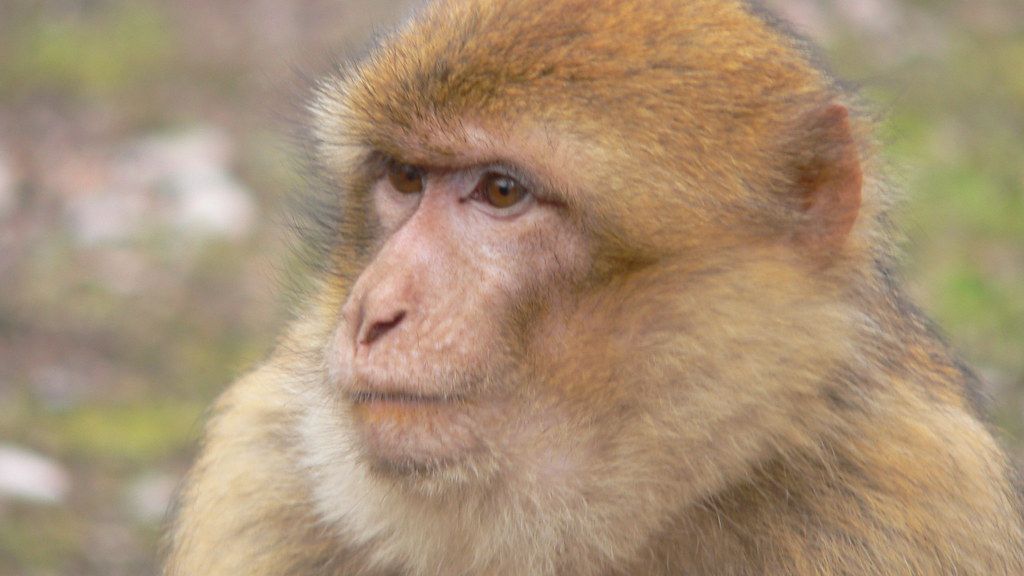
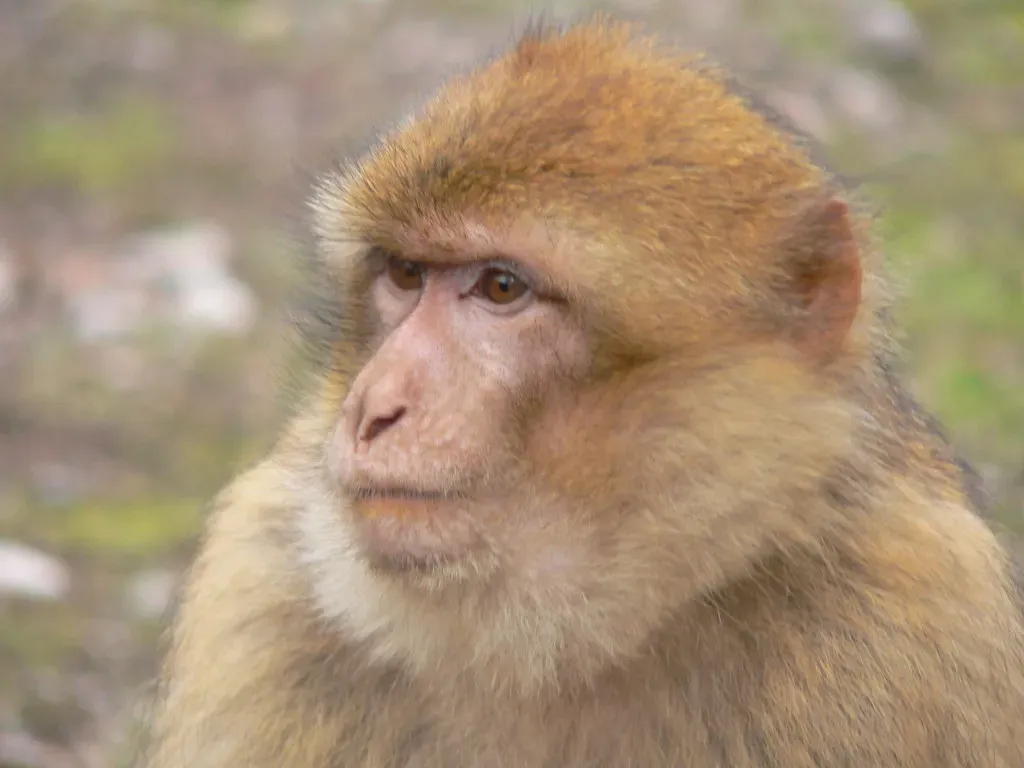
A pig-tailed macaque named Sen spent years enduring unimaginable cruelty in Thailand, shackled by a short chain under scorching sun and relentless monsoons. Rescuers discovered him huddled in distress, his body marked by self-inflicted wounds from biting and banging in a desperate bid to cope with isolation. Today marks a new chapter, as his story of transformation grips animal lovers worldwide. What turned this broken primate around remains a testament to dedicated care.
Heartwarming updates reveal Sen thriving in a spacious sanctuary, far from the trauma that once defined him. His journey spotlights the hidden horrors of primate exploitation and the power of rehabilitation. Let’s dive into the details that make this rescue so compelling.
Sen’s Early Life of Isolation and Agony
Sen faced constant restraint that crushed his spirit, typical for monkeys in unregulated captivity across Southeast Asia. Chained so tightly he could barely move, he suffered extreme fear manifesting in severe self-harm like head-banging and biting during peak anxiety. These behaviors signaled deep psychological damage from prolonged stress and lack of stimulation. Observers witnessed his pain intensify without intervention, a grim reality for many exploited primates. Thankfully, his plight caught the eye of compassionate rescuers before permanent harm set in. This dark period underscores the urgent need to end such practices.
The Dramatic Rescue and Path to Healing
Rescue teams moved fast upon finding Sen, cutting away the chains that had scarred his neck and body. They transported him to a specialized sanctuary offering medical care and vast open spaces for natural movement. Enrichment like foraging toys and peer interactions slowly revived his instincts long suppressed by confinement. Self-harming stopped as he adapted, proving environment shapes primate well-being profoundly. Months of patient effort rebuilt his trust in the world around him. His progress inspires ongoing efforts in the region.
Rescuer Rodney Shares Intimate Details
Rodney, central to Sen’s liberation, recounted the monkey’s coping mechanisms born of overwhelming terror. He hit himself repeatedly as stress peaked, a heartbreaking response to captivity’s toll. “He’s a completely different monkey now,” Rodney told Dodo producer Anita, summing up the radical shift. These firsthand accounts highlight primates’ resilience when given proper psychological support. Rodney stresses understanding animal behavior as key to successful rehab. His narrative fuels advocacy for better protections everywhere.
Blossoming into a Confident, Playful Primate
Sen now swings from branches with glee, grooms naturally, and greets caretakers with affection. Curiosity drives him to explore, a far cry from his fearful past. This evolution took consistent care, allowing his innate vitality to emerge fully. Fellow sanctuary residents provide vital social bonds accelerating his recovery. Observers note his cheeky antics light up the enclosure daily. Such changes validate sanctuary models over exploitative setups.
Science Behind Primate Recovery and Global Impact
Chronic stress disrupts neural pathways in monkeys, triggering self-harm via elevated hormones, experts confirm. Sanctuaries counter this with enrichment and therapy, seeing 70 to 80 percent of rescues improve markedly in the first year. Social troops speed healing, as Sen’s case demonstrates perfectly. His story boosts campaigns against trafficking, drawing donations and policy pushes in Southeast Asia. Public awareness surges via social media, amplifying calls for ethical reforms. Challenges persist with funding, yet successes like his sustain momentum.
Final Thought
Sen’s freedom proves one act of kindness ripples far, unlocking a primate’s true potential. Sanctuaries need our support to replicate this magic. What stories of animal resilience move you most? Share in the comments.
Source: Original YouTube Video

- Urban Coyotes Show Remarkable Adaptability, Learning to Thrive in City Environments - July 22, 2026
- Beavers Are Nature’s Engineers, Creating Vital Habitats for Other Wildlife Species - July 21, 2026
- The Recovery of the California Condor Offers Hope for Other Critically Endangered Birds - July 21, 2026