

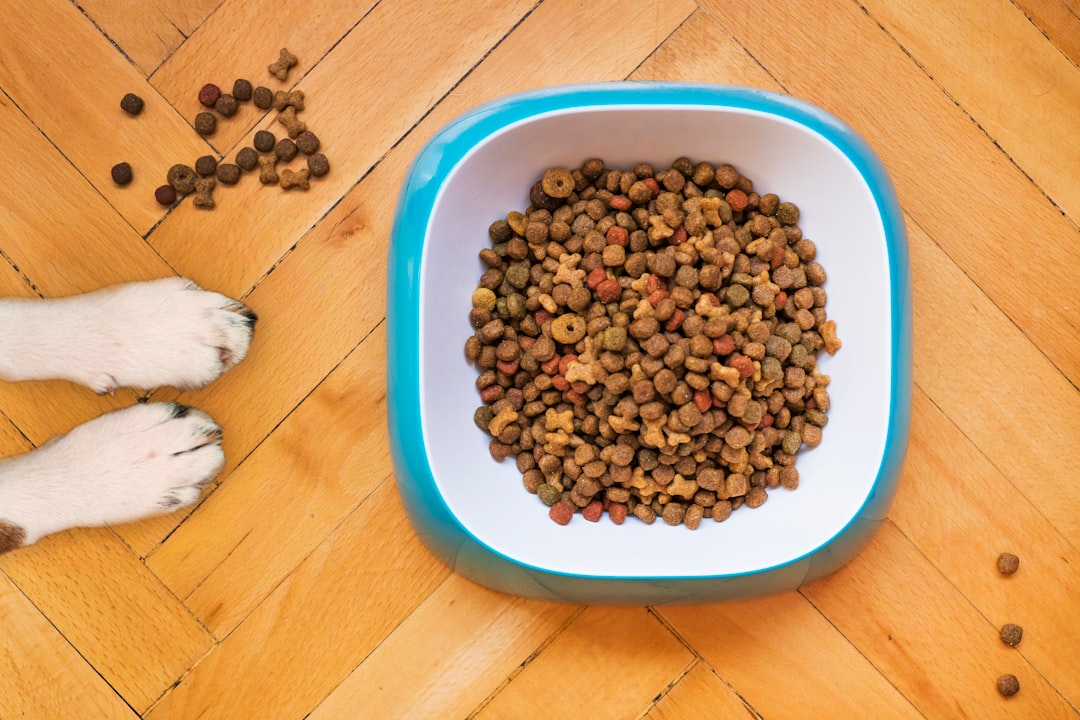

The Hidden Dangers of Poor Pet Food Storage (Image Credits: Unsplash)
Pet owners often focus on selecting nutritious food for their animals, yet the way that food is stored can determine whether it delivers full benefits or poses hidden risks.
The Hidden Dangers of Poor Pet Food Storage
Improperly stored pet food exposed thousands of pets to health issues last year alone, according to reports from veterinary associations. This reality underscores a simple truth: what seems like a minor oversight in storage can lead to bacterial growth or nutrient loss, affecting everything from digestion to energy levels in cats and dogs. Owners who neglected airtight seals reported higher incidences of gastrointestinal upset in their animals.
Contamination from pests or moisture accelerates spoilage, turning a bag of kibble into a potential hazard. Experts emphasize that vigilance in storage practices directly correlates with fewer vet visits. By addressing these vulnerabilities early, pet guardians safeguard their companions’ well-being without added expense.
Choosing Containers That Protect and Preserve
Airtight containers emerged as the gold standard in recent guidelines from the Pet Food Institute, sealing out air and moisture to extend shelf life significantly. Plastic options, when BPA-free, offer lightweight portability, while stainless steel provides durability against dents and scratches. Glass alternatives, though heavier, resist odors and clean easily, maintaining hygiene over repeated uses.
Pet owners benefit from containers with secure lids that deter rodents and insects, common intruders in unsecured bags. Selecting sizes based on consumption rates prevents overexposure once opened. These choices not only preserve flavor but also retain essential vitamins that degrade in subpar conditions.
Investing in quality pays off, as studies show properly contained food retains up to 20 percent more nutrients after months of storage.
Maintaining Ideal Environmental Conditions
Temperature fluctuations in garages or attics spoiled countless batches of pet food, prompting recommendations to keep storage areas between 50°F and 70°F. Such controlled environments slow oxidation, where fats in the food turn rancid and unpalatable. Basements, with their variable humidity, often fall short, leading to clumping and mold.
Humidity below 60 percent proves crucial, as higher levels foster bacterial proliferation. Pantries or closets away from sunlight serve as reliable spots, ensuring consistent coolness. Regular checks for dampness allow owners to adjust placements proactively.
These conditions not only extend usability but also minimize waste, aligning with sustainable pet care habits.
Navigating Opened Packages and Expiration Dates
Once a package opens, transferring contents to sealed bins within hours prevents air ingress, a step the FDA highlights for averting contamination. Folding and clipping original bags works temporarily, but dedicated containers outperform for long-term freshness. Vacuum-sealing portions for later use further combats staleness in larger buys.
Expiration dates guide safe use: “best by” marks peak quality, while true expirations signal discard points. Rotating stock via the first-in, first-out method ensures older items deplete first. Labels on bins with open dates streamline this process, reducing oversight.
Vigilance here averts feeding substandard meals, with signs like off odors or texture changes demanding immediate disposal.
Strategies to Avoid Contamination and Pests
Cross-contamination risks rise when pet food shares space with human groceries, so dedicated shelves prevent bacterial transfer from raw meats. Cleaning hands and surfaces before handling reinforces hygiene, mirroring kitchen protocols. Pests target unsecured bags, but elevated, sealed storage thwarts access effectively.
Inspecting packages for damage at purchase catches issues early, while moisture absorbers in containers combat humidity buildup. Bulk buyers portion into smaller sealed units to limit exposure windows.
These measures, drawn from industry standards, foster a contamination-free routine that supports pet vitality.
Key Takeaways
- Opt for airtight, food-grade containers to block air, moisture, and pests.
- Maintain cool, dry conditions below 70°F and 60% humidity for nutrient preservation.
- Rotate stock and monitor dates to avoid feeding spoiled food.
Adopting these storage practices transforms routine pet care into a proactive shield against health threats, ensuring every meal nourishes rather than harms. Simple adjustments yield lasting rewards in pet happiness and owner peace of mind. What storage challenges have you faced with your pet’s food? Share in the comments below.

- Urban Coyotes Show Remarkable Adaptability, Learning to Thrive in City Environments - July 22, 2026
- Beavers Are Nature’s Engineers, Creating Vital Habitats for Other Wildlife Species - July 21, 2026
- The Recovery of the California Condor Offers Hope for Other Critically Endangered Birds - July 21, 2026