

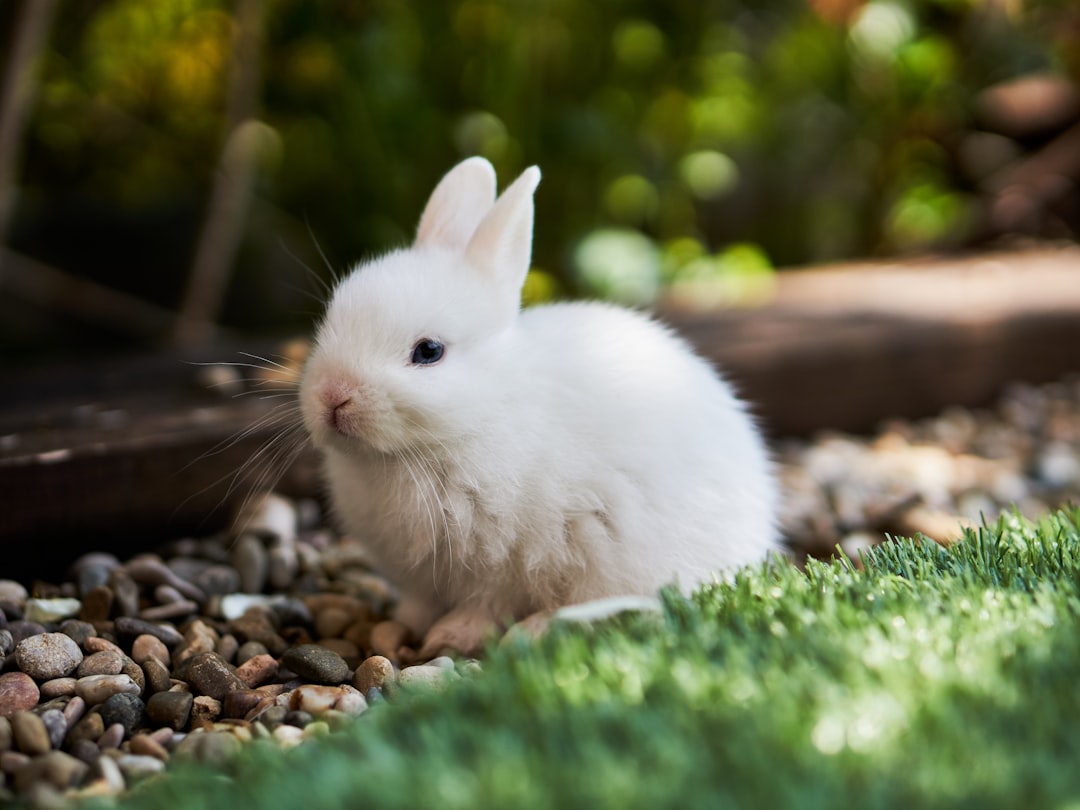

Understanding the Role of Chewing in Rabbit Dental Care (Image Credits: Unsplash)
Rabbits rely on constant chewing to maintain their ever-growing teeth, making safe wood toys a vital part of their care routine.
Understanding the Role of Chewing in Rabbit Dental Care
Rabbits’ teeth grow continuously throughout their lives, a natural process that requires regular wear to prevent overgrowth and related health issues. Without proper chewing opportunities, overgrown teeth can lead to pain, difficulty eating, and even life-threatening conditions like abscesses. Experts emphasize that providing appropriate chew toys not only keeps teeth trimmed but also promotes mental stimulation and reduces boredom-related behaviors such as destructive gnawing on household items.
Veterinarians recommend incorporating wood-based toys because they mimic the natural foraging instincts of wild rabbits. These materials offer a satisfying texture that encourages prolonged chewing sessions. Studies from animal health organizations highlight how consistent dental maintenance through safe chews can extend a rabbit’s lifespan by preventing common oral problems.
Top Safe Wood Varieties for Bunny Chew Toys
Selecting the right wood starts with knowing which types pose no risk to your rabbit’s health – untreated, non-toxic options top the list for their durability and appeal. Apple wood stands out as a favorite due to its mild flavor and hardness, which provides effective grinding without splintering easily. Willow branches offer flexibility and a gentle chew, often sourced sustainably for eco-friendly play.
Other reliable choices include aspen, which is soft yet sturdy, and birch, known for its clean taste and resistance to mold when dried properly. Pine, specifically kiln-dried and untreated, serves as an affordable option that rabbits enjoy for its subtle aroma. Maple and hawthorn rounds complete a versatile selection, each contributing to varied textures that keep chewing engaging over time.
- Apple wood: Sweet scent, ideal for beginners.
- Willow: Flexible branches for natural tossing play.
- Aspen: Soft and splinter-free for sensitive mouths.
- Birch: Hardy with a neutral flavor.
- Kiln-dried pine: Aromatic and budget-friendly.
- Maple: Dense for thorough wear-down.
- Hawthorn: Thorny twigs for added challenge.
Avoiding Dangers: Woods and Materials to Steer Clear Of
Not all woods benefit rabbits; some contain natural oils or chemicals that can cause digestive upset or respiratory issues. Cedar and yew top the list of toxic varieties, with their aromatic compounds irritating sensitive systems. Treated or painted woods from furniture scraps also carry risks, as preservatives like arsenic or pesticides linger in the fibers.
Owners should inspect any wood for signs of contamination, such as discoloration or chemical odors, before offering it to their pet. Commercial chew toys labeled for small animals provide a safer alternative when natural sourcing proves challenging. By prioritizing untreated, pet-safe options, rabbit guardians can ensure every chew supports health rather than harm.
Preparing and Incorporating Wood Toys into Daily Routines
To maximize safety and enjoyment, prepare woods by washing them thoroughly and allowing them to air-dry completely, removing any potential bacteria from the surface. Cutting branches into manageable sizes – about the length of the rabbit’s body – prevents choking hazards while fitting into enclosures easily. Introduce new toys gradually, observing your rabbit’s reaction to ensure they accept the material without disinterest or distress.
Rotate chews weekly to maintain novelty and prevent overuse of a single type, which could lead to uneven wear. Combine wood toys with hay-based options for a balanced diet that addresses both dental and nutritional needs. This approach fosters a stimulating environment where rabbits thrive physically and mentally.
| Safe Wood Type | Key Benefit | Preparation Tip |
|---|---|---|
| Apple | Mild flavor encourages chewing | Wash and dry branches |
| Willow | Flexible for play | Remove leaves first |
| Aspen | Splinter-resistant | Kiln-dry if needed |
Key Takeaways
- Choose untreated woods like apple and willow to promote safe, effective tooth wear.
- Avoid toxic options such as cedar to prevent health complications.
- Rotate toys and monitor usage for optimal dental and behavioral benefits.
In the end, equipping your rabbit with safe wood chew toys transforms a basic need into an enriching activity that safeguards their dental health for years. Simple choices in materials can make a profound difference in their well-being – what safe chews have you tried with your bunny? Share your experiences in the comments below.

- Urban Coyotes Show Remarkable Adaptability, Learning to Thrive in City Environments - July 22, 2026
- Beavers Are Nature’s Engineers, Creating Vital Habitats for Other Wildlife Species - July 21, 2026
- The Recovery of the California Condor Offers Hope for Other Critically Endangered Birds - July 21, 2026