
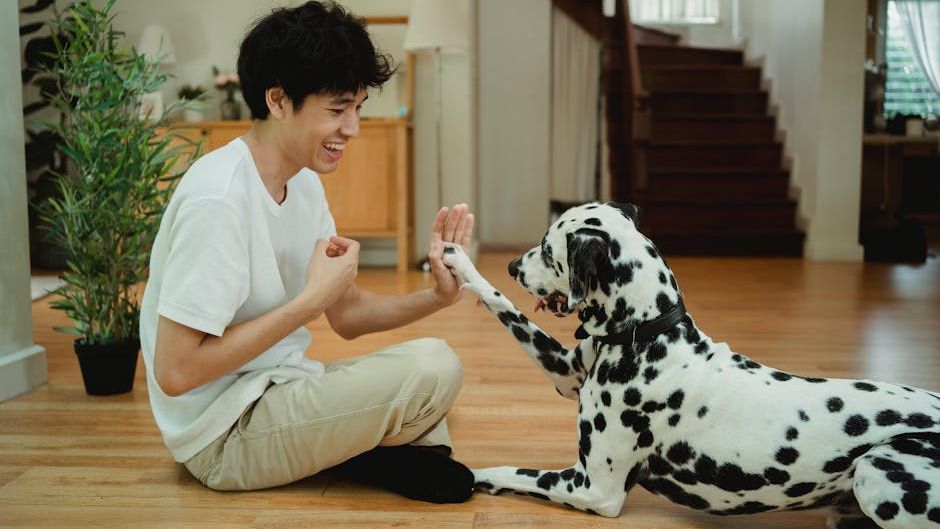
Most people know a dog needs food, water, and regular vet visits. Those needs are visible, measurable, and easy to act on. What’s harder to see, and frankly easier to overlook, is the emotional world running quietly beneath a dog’s daily behavior.
Science is catching up to what many dog owners have long sensed intuitively: that a well-fed, physically healthy dog can still be struggling. Chronic stress, emotional insecurity, and a lack of stable connection leave real marks, not just on behavior, but on a dog’s overall health. The conversation around canine wellbeing is shifting, and the evidence is worth paying attention to.
#1: Dogs Have the Brain Architecture for Real Emotional Experience

Research indicates that dogs possess a limbic system, the brain structure responsible for emotional processing, which is remarkably similar to that of humans. This isn’t a loose analogy. It’s a structural reality that has forced a significant rethink in animal behavior science over the past two decades.
This discovery has led scientists to conclude that dogs can experience basic emotions such as joy, fear, and sadness in ways that are analogous to human experiences. That matters practically, not just philosophically. If a dog can feel genuine fear or genuine distress, then neglecting those emotional states isn’t a minor oversight. It’s a welfare issue with measurable consequences.
Like humans, dogs have feelings and emotions, and are susceptible to the effects of stress and anxiety, which can significantly impact their physical health, emotional wellbeing, behaviour and quality of life. The physical and the emotional aren’t separate categories in a dog’s life. They feed into each other in both directions.
#2: Chronic Stress in Dogs Carries Serious Physical Consequences

Although mild stress is not considered harmful, welfare is compromised if an animal experiences high levels of acute stress or is exposed to prolonged stressors, which can lead to chronic physical and emotional health issues. There’s a meaningful difference between the ordinary tension of a new environment and the grinding toll of sustained emotional instability.
Acute fear and anxiety can lead to a decrease in appetite or anorexia, diarrhoea, vomiting or colitis. These aren’t just quirks of personality. They’re the body responding to an overwhelmed nervous system, in the same way stress manifests physically in people.
Research has gone even further in tracing the long-term costs. Evidence suggests that heritable canine temperament that increases psychological stress in dogs is somehow linked to overall risk of multiple cancer types, and researchers propose that studying this link would result in a new understanding of the relationship between psychological stress and risk of cancer. A dog’s emotional baseline, it turns out, may have implications that reach well beyond behavior.
#3: Routine and Consistency Are Not Extras – They Are Necessities
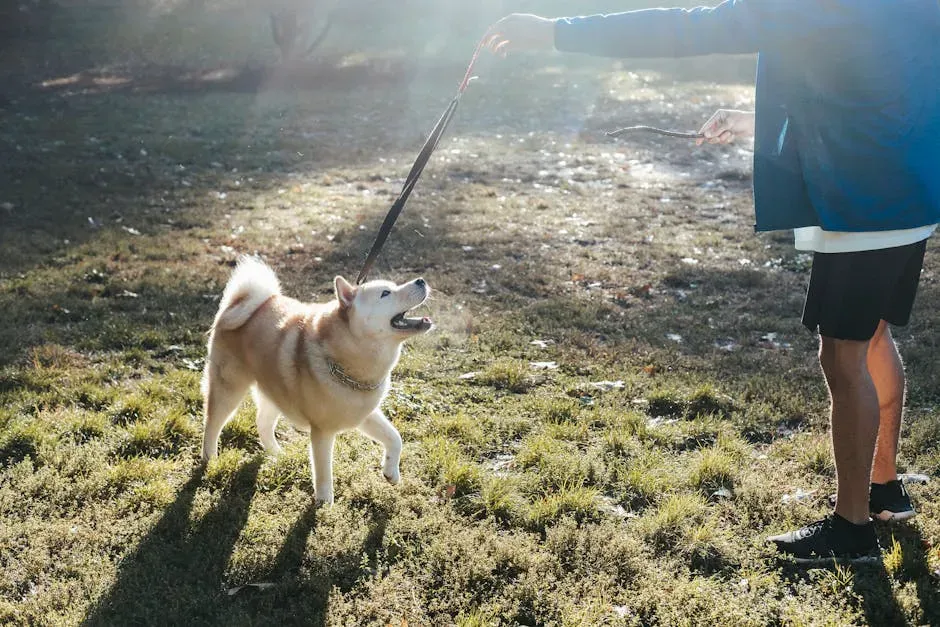
A stable environment is crucial for a dog’s emotional wellbeing. Consistency in routine, such as regular feeding times, walks, and play sessions, provides dogs with a sense of security and predictability. An environment that minimises unpredictability helps reduce stress and anxiety, allowing dogs to feel more relaxed and confident.
Dogs thrive on consistency and routine. If their owners have erratic schedules, constantly come and go, or have unpredictable behaviour patterns, it can create insecurity and nervousness in their canine companions. This isn’t about spoiling a dog with a perfect schedule. It’s about giving them the basic cognitive framework to understand their world and feel safe in it.
Sudden changes, such as moving to a new home, a new family member, or the loss of a companion, can significantly affect a dog’s emotional state. Providing consistency, patience, and reassurance during these times can help dogs adjust and cope with changes, ensuring their emotional wellbeing. Life changes are unavoidable, but how owners manage those transitions matters enormously for a dog’s recovery and resilience.
#4: The Owner’s Emotional State Directly Shapes the Dog’s Inner World

Research highlights that dogs are incredibly sensitive to their owner’s emotional states, particularly stress, which can directly affect their performance and learning abilities. While we have known for years that dogs can pick up on our emotions, some studies provide scientific evidence showing how human stress can influence a dog’s emotional wellbeing and ability to learn. A household’s emotional climate isn’t invisible to a dog. They’re reading it constantly.
Dogs that are prone to behavioral issues such as separation anxiety or aggression need owners that provide reliable warmth, sensitivity, and responsiveness. The ability to be consistently available in this way may well be a reflection of the owner’s own attachment style. Even if a dog isn’t displaying obvious problematic behaviors, an owner’s insecure attachment style may affect the dog’s confidence, sense of security, and the way they interact with the world.
Dogs are attuned to and care about our emotional states, and their interactions are reciprocal. They also need consistent availability, warmth, comfort, and responsiveness from the humans they live with. The relationship runs both ways, and that reciprocity is precisely what makes the bond so powerful, and so worth protecting.
#5: Positive Training and Social Connection Are Core Emotional Supports
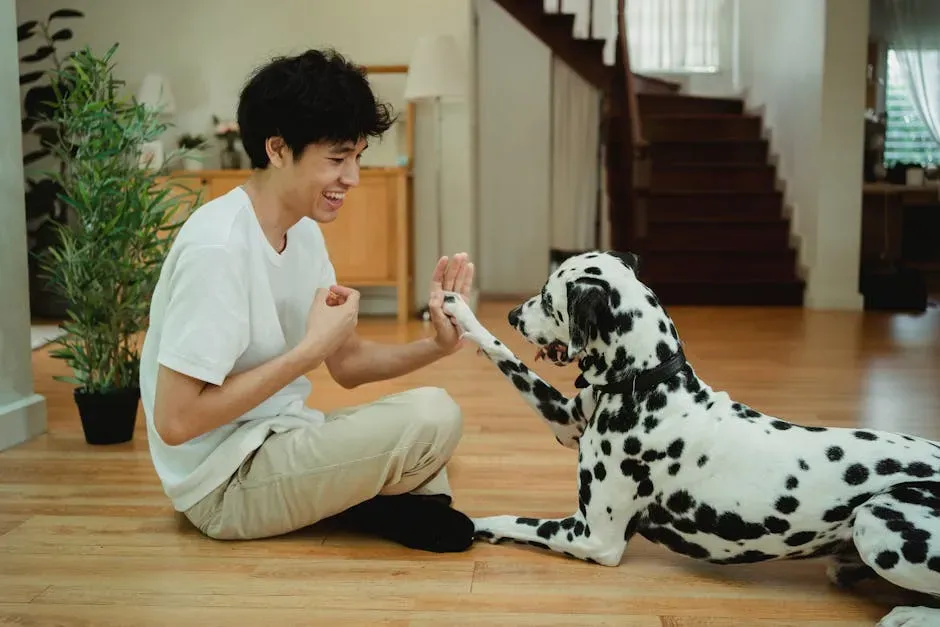
Positive training teaches and reinforces desired behaviours, motivates and rewards a dog for making correct choices, and gives the dog a sense of accomplishment. While punishment-based training damages a dog’s emotional wellbeing and trust bond, positive training builds confidence and nurtures mutual respect as it strengthens the human-canine trust bond. The method of training isn’t merely a matter of preference. It has a direct bearing on a dog’s emotional security over the long term.
Dogs are not passive sources of comfort but rather responsive companions whose presence invites mutual attunement, routine, and emotional reciprocity. Their relationships with humans reflect the development of caregiving rituals, daily proximity, and deep emotional reliance. That depth of connection requires active effort. Presence without attunement isn’t the same as genuine emotional availability.
Physical activity is not just important for a dog’s physical health but also for their emotional wellbeing. Regular exercise helps to reduce stress, anxiety, and boredom, all of which can lead to behavioural problems. Playtime, whether it’s a game of fetch or tug-of-war, provides mental stimulation and an opportunity for dogs to engage in natural behaviours. The combination of physical engagement, positive reinforcement, and steady social connection creates the emotional scaffolding a dog needs to truly thrive.
The Bigger Picture: Rethinking What It Means to Care for a Dog

For a long time, responsible dog ownership was measured almost entirely in physical terms. Full food bowl, annual vaccinations, clean water. Those things remain non-negotiable. The shift happening now is an expansion of that definition, not a replacement of it.
As we continue to learn about the emotional lives of dogs, it becomes increasingly clear that they are complex beings with rich emotional worlds. This knowledge not only enhances our ability to care for them but also deepens the bond we share with our canine companions. That deeper understanding changes what daily care actually looks like in practice.
The findings of recent research reveal that the human-dog bond functions as a stable emotional anchor, promoting non-judgmental connection and emotional security, with dogs appearing to support greater emotional expression, enhanced social engagement, and improved psychological balance. That dynamic works best when both sides of the bond are genuinely attended to.
A dog that feels emotionally safe doesn’t just behave better. It lives better. And in the quiet moments of a steady routine, a calm household, and a relationship built on consistent warmth, that’s exactly what a good owner is already offering, whether they realize it or not.
