


There’s a moment most people recognize. You step outside, away from your screen, away from the noise of your apartment or your office, and something in you exhales. Not just your lungs. Something deeper. A quiet unwinding, as though your nervous system had been bracing for a blow that never came. It’s not poetry. It’s biology.
Psychologists and neuroscientists have been studying this precise feeling for decades, and what they’re finding is harder to dismiss than anyone expected. The human brain, shaped over hundreds of thousands of years in wild, open, sensory-rich landscapes, is increasingly being forced to operate in environments it was never designed for. The consequences are playing out in real time, in rising rates of anxiety, attention disorders, and a pervasive sense of mental exhaustion that no amount of productivity advice seems to fix.
The Ancient Brain in a Modern Cage

For most of human history, life was slow, punctuated by moments of brief stress. People lived in small groups, hunting and gathering, facing natural dangers that triggered short bursts of adrenaline. Once the danger passed, the nervous system had time to reset. That rhythm was baked into our neurobiology over an enormous stretch of time.
Fast-forward to today, and the reality is vastly different. Modern life bombards us with constant stimulation and demands. Unlike the occasional threat of a predator, we face work deadlines, financial pressures, social media, and incessant notifications. Each time we encounter one of these stressors, our body reacts as though it’s in danger, setting off the fight-or-flight response. Instead of releasing tension once the danger passes, this stress response becomes chronic.
Instincts and urges honed for hundreds of thousands of years to keep us alive in a world of scarcity are being subverted in the modern era of plenty. The brain hasn’t caught up. It probably won’t for a very long time.
What Overstimulation Actually Does to Your Brain
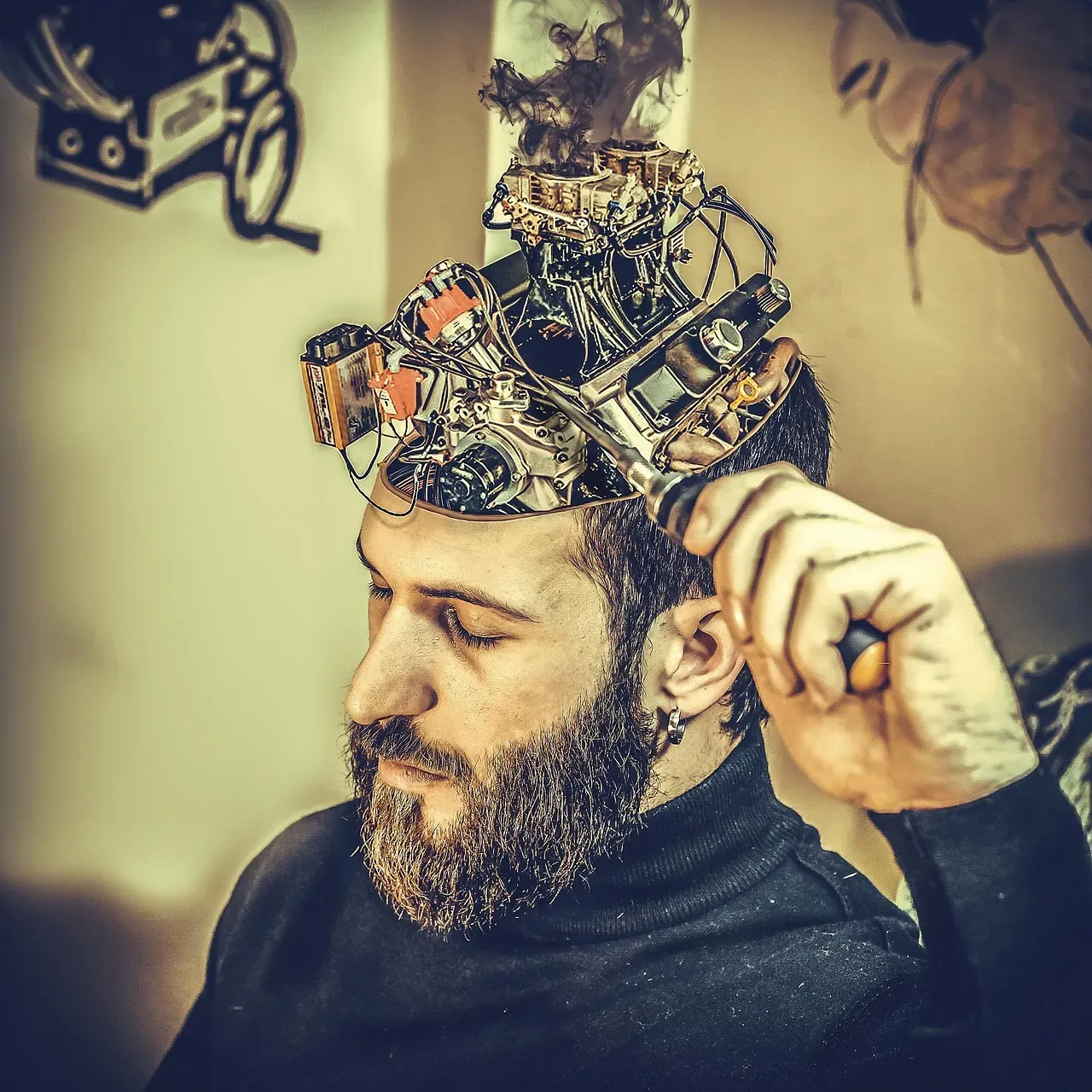
At its core, overstimulation happens when the brain is flooded with more information than it can effectively process. Neuroscientists have found that excessive input, especially digital, hijacks our attention system. Too much information at once overwhelms the brain’s prefrontal cortex, the area responsible for decision-making and focus.
Every new notification, message, or video triggers a dopamine hit, the brain’s reward chemical. Over time, this conditions us to crave more, making stillness and deep work feel genuinely boring. It’s a trap that tightens the more you use it.
Multitasking rewires the brain to crave constant shifts in focus, making it harder to concentrate for long periods. In other words, the more we multitask, the more we need to multitask. The modern human operates at an unsustainable pace, sensorily and attentionally overstimulated on a daily basis, forced to shift attention from one thing to the next with little time for recovery.
Biophilia: Why Nature Isn’t Just a Preference, It’s a Need
The biophilia hypothesis suggests that humans possess an innate tendency to seek connections with nature and other forms of life. Edward O. Wilson introduced and popularized this hypothesis in his book Biophilia in 1984. It wasn’t a fringe idea. It was, and remains, one of the most influential frameworks in environmental psychology.
Wilson proposed the possibility that the deep affiliations humans have with other life forms and nature as a whole are rooted in our biology. Given our species’ long history as subsistence hunters, gatherers, and farmers, it seems inconceivable that the natural environment has not shaped our cognitive and emotional apparatus. Our tendency to affiliate with nature in all likelihood enhanced the fitness of our ancestors.
Wilson argued that the rapid urbanization and technological advancements of the modern era have created a psychological disconnect, or an “extinction of experience,” which can lead to measurable negative health outcomes. That phrase, extinction of experience, is unsettling precisely because it fits.
The Science of Attention Restoration Theory
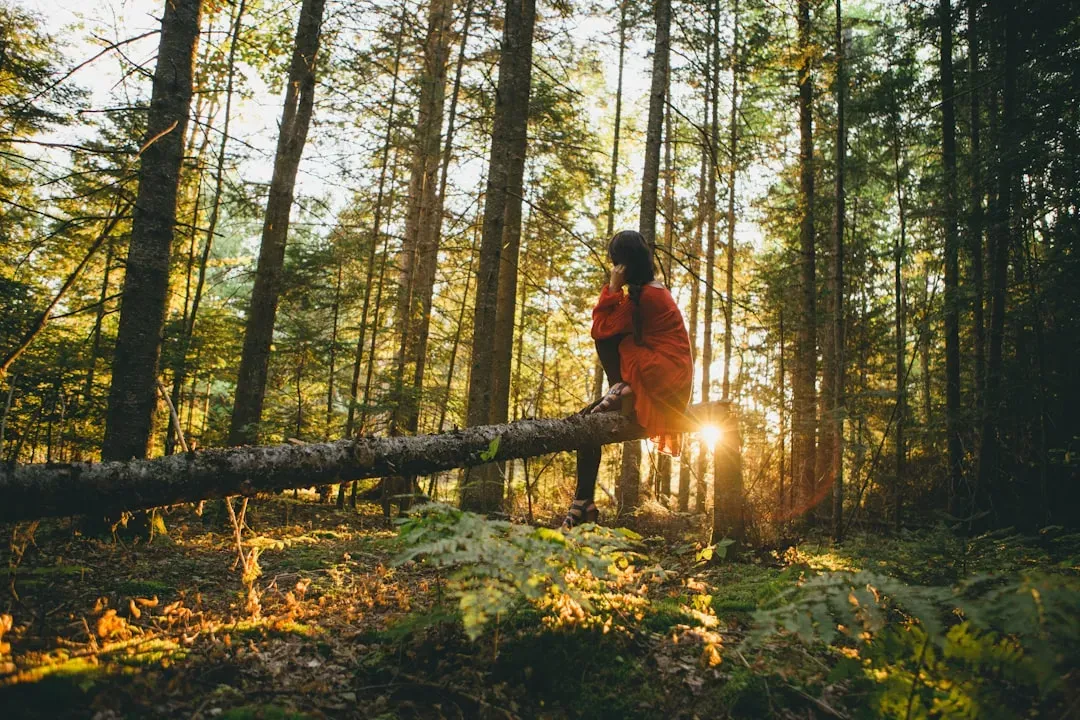
Attention Restoration Theory proposes that spending time in natural settings, or even viewing natural scenes, helps people recover from directed attention fatigue, the mental tiredness that occurs when sustaining deliberate focus on tasks. Natural environments often evoke a state known as soft fascination that allows the mind to rest and reflect, supporting later task performance.
The theory proposes that individuals benefit from the chance to “be away” from everyday stresses, experience expansive spaces, engage in activities compatible with their intrinsic motivations, and experience stimuli that are “softly fascinating.” This combination encourages involuntary or indirect attention and enables our directed attention capacities to recover and restore.
Stress Reduction Theory emphasizes the emotional and physiological calming effects of natural settings, while Attention Restoration Theory focuses on the cognitive benefits, particularly the restoration of directed attention following mental fatigue. These two frameworks complement each other, mapping two separate but intertwined pathways through which nature heals the mind.
Urban Living and the Mental Health Toll
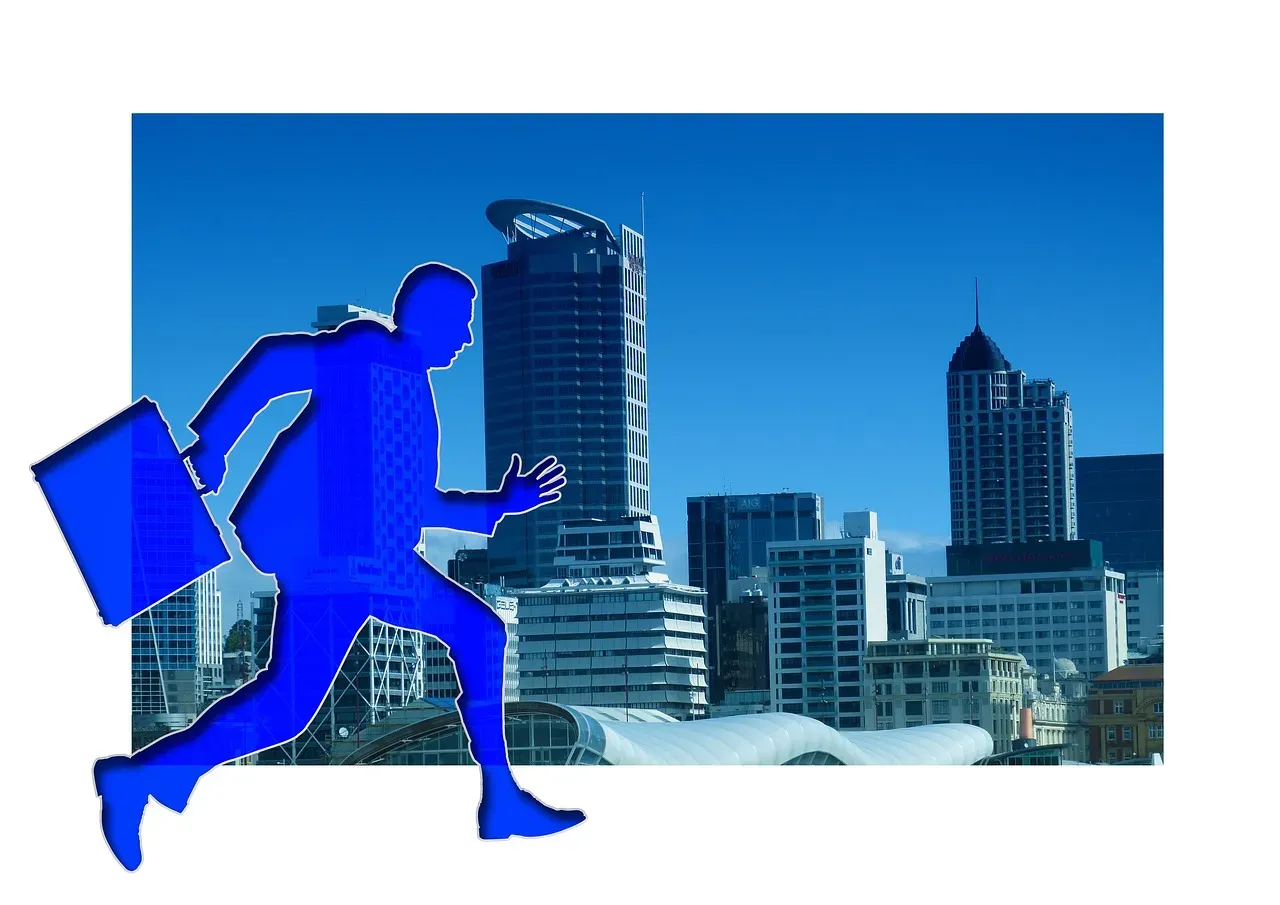
The United Nations projects that by 2050, roughly seven in ten people worldwide will reside in urban centers. While urbanization provides access to education and health care, certain characteristics of these environments, including pollution, artificial light, stress, and overstimulation, negatively impact health and cognition. From an epidemiological standpoint, urban living is associated with higher rates of mood disorders, aggression, depression, anxiety, and post-traumatic stress disorder.
Urban life, with its noise, density, and overstimulation, can erode focus and increase stress, while even brief exposure to natural environments restores clarity and calm. High complexity and other increasing-stimulation properties typical of urban settings place taxing processing demands and elicit more sustained attention than nature settings, and accordingly, restoration from cognitive overload is hampered.
We spend so much time in virtual spaces that we lose out on real human connection, leading to feelings of loneliness, stress, and emotional fatigue. Technology promised connection. The reality is more complicated.
What Nature Does to the Brain at a Measurable Level
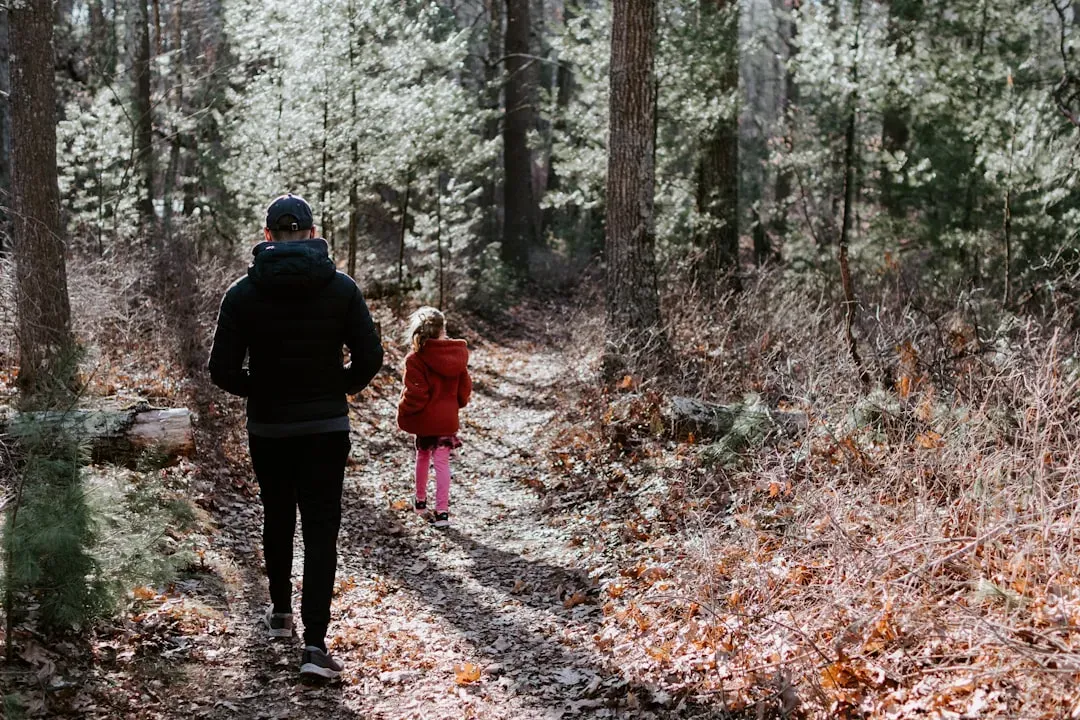
Research shows that a simple walk in a park can improve memory and attention by as much as a fifth. This effect is not about exercise alone. Walking on a treadmill indoors does not deliver the same result. The difference is the environment itself.
One study found that nature exposure decreased salivary cortisol by roughly a fifth and salivary amylase by more than a quarter, suggesting significant stress reduction following even brief nature exposure. Multiple studies affirm that access to green spaces significantly improves psychological well-being. Time spent in nature reduces cortisol levels, alleviates symptoms of anxiety and depression, and enhances overall mood.
Actual immersion in natural environments consistently produces larger effects than photographs or screens, likely because real nature engages more senses simultaneously, including sounds, smells, temperature changes, and three-dimensional depth, all of which contribute to the restorative experience. Your brain needs the full sensory picture, not a screensaver of it.
Even Small Doses of Nature Make a Measurable Difference
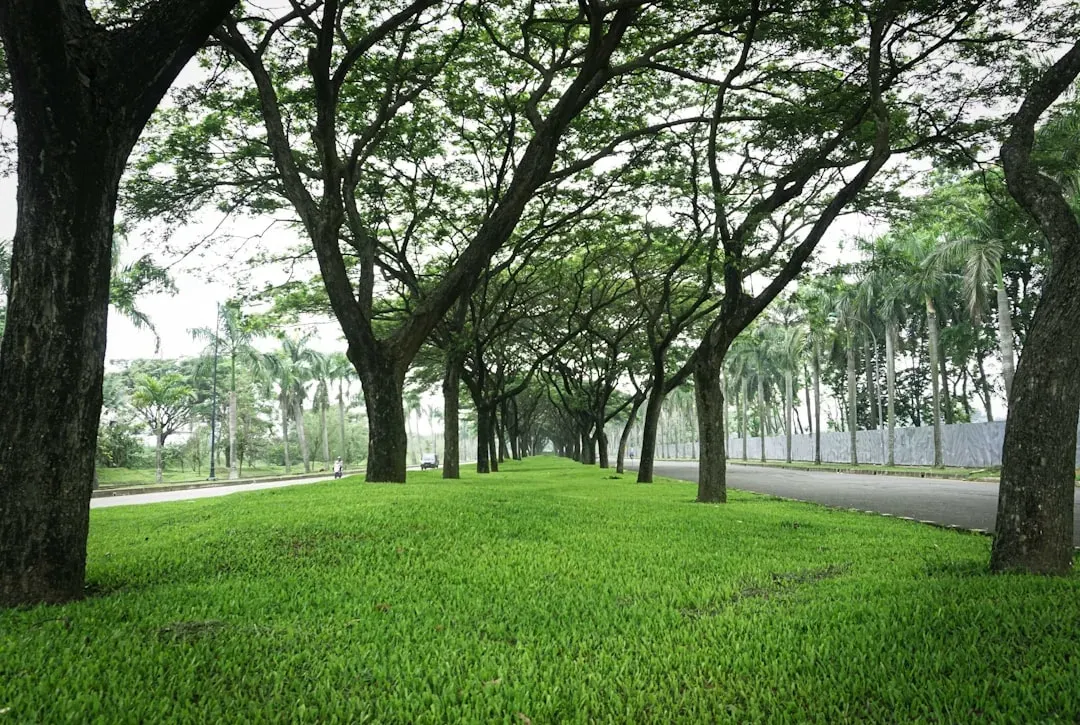
Shorter nature exposure delivered in intervals appears to show positive significant effects, even more than a single longer exposure. Being outside for as little as ten minutes, even in urban nature, can improve adults’ mental health. This matters enormously for people living in cities with limited access to forests or coastlines.
Research finds that participants who spent more total minutes in green spaces reported lower levels of depression and blood pressure. Those who spent at least thirty minutes or more in green spaces per week reduced their rates of depression and high blood pressure measurably. Half an hour a week. That’s a remarkably low bar for a meaningful return.
Even passive exposure, such as viewing trees from a classroom window, has been shown to improve attention and reduce behavioral problems. Virtual nature exposure has also been shown to improve mental health and wellbeing outcomes, including reductions in negative affect and stress, and increases in positive affect. The effect is real even when the nature is imperfect or indirect.
Reclaiming the Ancestral Mind in a Digital World

The irony of 2026 is that we have more knowledge about what the brain needs than any generation before us, and yet we’ve built environments that almost systematically deny it. Because we live in an artificial world of our own making, escaping those stimuli is not so easy. Unlike a wild animal that can simply walk back into the forest, we have to make deliberate choices to reconnect.
It is suspected that the increased dependence of the human species on technology has led to an attenuation in the human drive to connect with nature. Wilson and others have argued that such declines in biophilic behavior could remove meaning from nature, translating into a loss of human respect for the natural world. The stakes, in other words, reach beyond individual mental health.
Environmental neuroscience provides the scientific framework for something many of us feel instinctively: time in nature makes us better versions of ourselves. The research is now broad enough, and consistent enough, that framing nature as a luxury feels genuinely outdated. It is infrastructure for the human mind.
Conclusion: The Quiet Prescription We Keep Ignoring
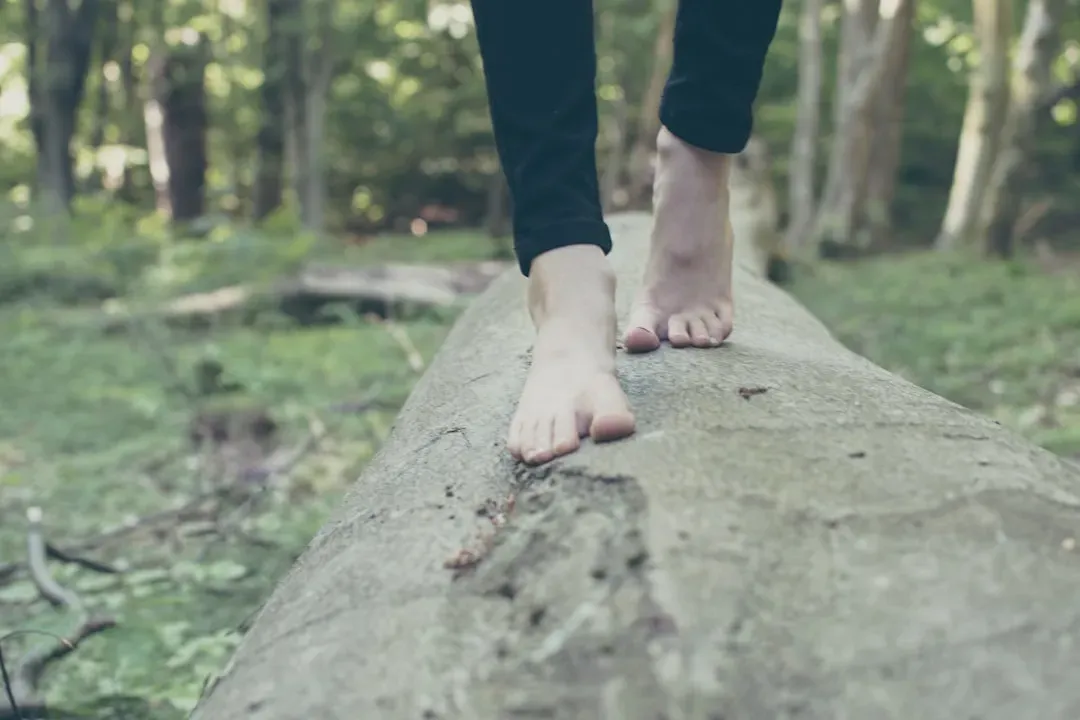
There’s something quietly humbling about the realization that a species capable of building cities, satellites, and artificial intelligence still fundamentally needs to stand barefoot in grass. The brain we carry today is essentially the same one that navigated savannas and riverbanks, scanned canopies for movement, and found calm in the rhythm of wind and water. That hasn’t changed. What has changed is everything around it.
The overstimulation crisis isn’t going away on its own. The digital world will keep accelerating, cities will keep growing, and our nervous systems will keep paying the price unless we choose otherwise. The science here is actually clear: nature isn’t a retreat from the real world. For the ancient brain we’re all still running on, it is the real world.
The most radical thing a modern person can do might be the most ancient thing imaginable: step outside, find something living, and simply pay attention to it. No agenda. No optimization. Just the original software running in the environment it was designed for.

Tara enjoys writing about marine animals like whales, sharks, dolphins and nudibranchs.
Please send any feedback to feedback@animalsaroundtheglobe.com
- 10 Animals That Mourn and Grieve - July 21, 2026
- Did You Know That Alligators Can Survive Being Frozen? - July 20, 2026
- 45 Incredible Migrations of North American Wildlife - July 20, 2026