

The Rapid, Escalating Alarm Call
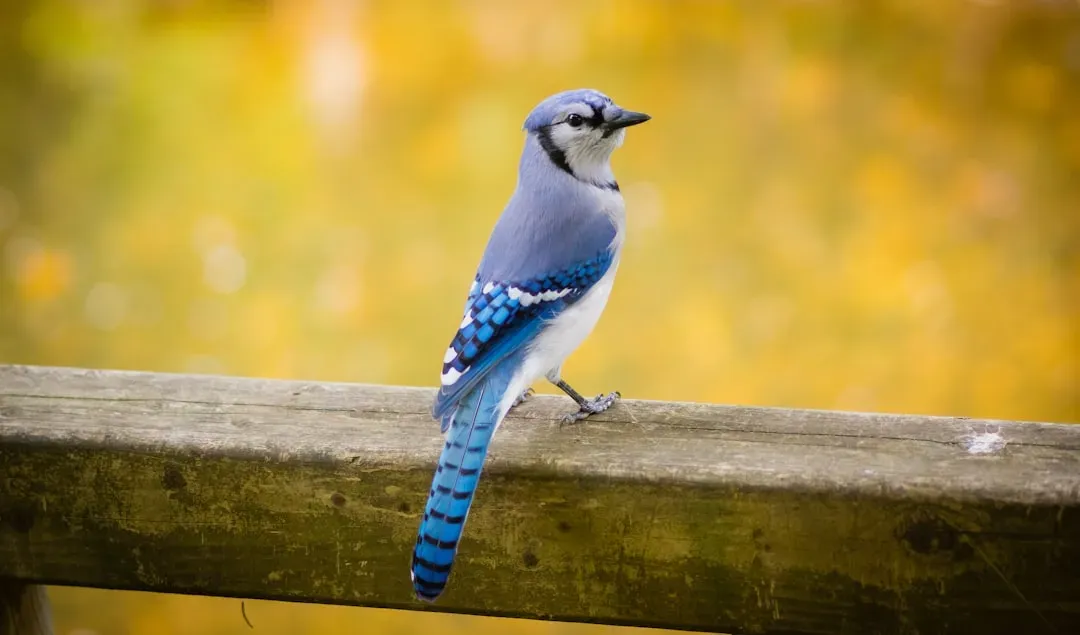
Not all blue jay calls are created equal, and the difference matters. A slow, casual jeer might mean the jay noticed something mildly suspicious. A rapid, escalating series means something is very close and very real. The pitch and urgency tell you how seriously to take what you’re hearing.
The classic “Jay! Jay!” call is a loud, harsh screech often repeated rapidly. This call usually signals the presence of a predator such as a hawk or an owl. When a bluejay spots danger, it emits this call to warn nearby birds to take cover. If you hear it ramping up in speed and volume, stop what you’re doing and look around. Something real is out there.
Every Other Bird Goes Quiet
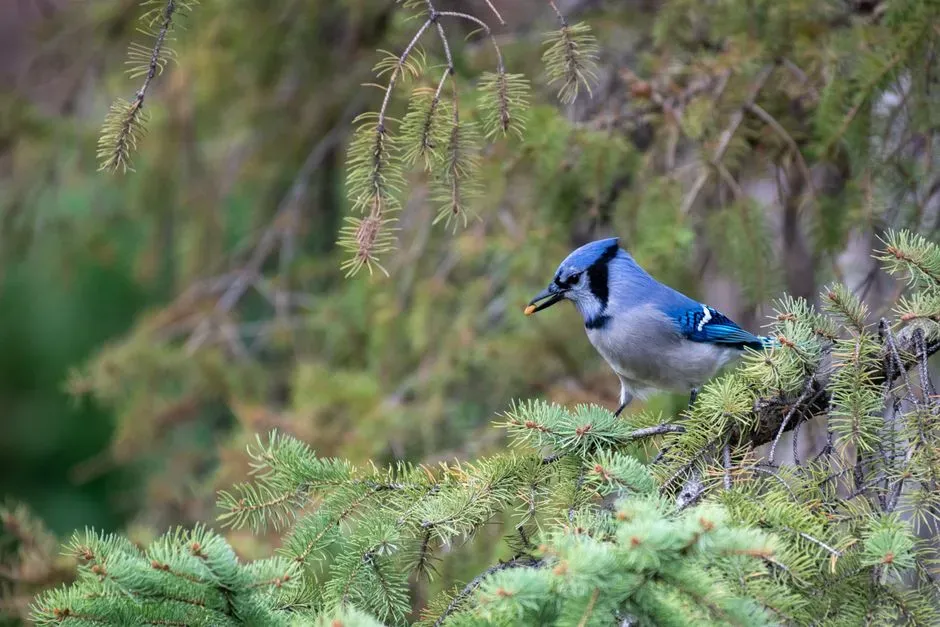
Blue jay warning calls alert not just other blue jays but the entire bird community to potential threats. Chickadees freeze. Nuthatches disappear into bark. The whole yard shifts posture in response to one bird’s broadcast. This is one of the more telling signs that a genuine threat is present.
Alarm calls not only alert other bluejays but also benefit mixed bird flocks. Many species learn to associate the sound with danger, making bluejays important sentinels in their ecosystems. When your yard suddenly empties of all bird movement and only the jay remains vocal, treat it as the warning it is. The smaller birds already have.
Mobbing Behavior Directed at a Single Spot
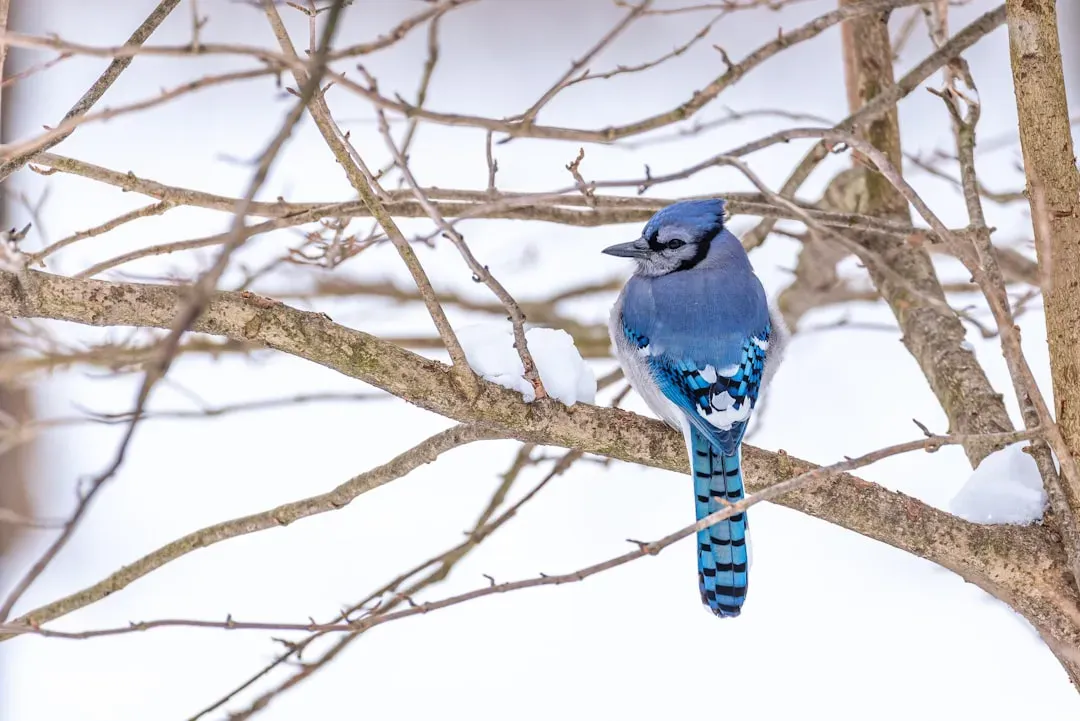
Blue jays try to attract the attention of other nearby birds to come help scold and overwhelm the danger into leaving. This behavior, called mobbing, is one of the more dramatic things a blue jay does. It’s not just noise. It’s coordinated community action. When you see two or three jays screaming at the same branch or rooftop, they’re not picking a fight for sport.
If an owl begins nesting in your backyard during the day, a group of blue jays will mob the owl and harass it until it flies away and decides to nest somewhere else outside of its territory. There are studies showing that birds who used mobbing behavior were nearly nine times less likely to be predated by owls. That’s an extraordinary success rate for what most of us mistake for noise pollution.
Hawk Mimicry That Clears the Feeder
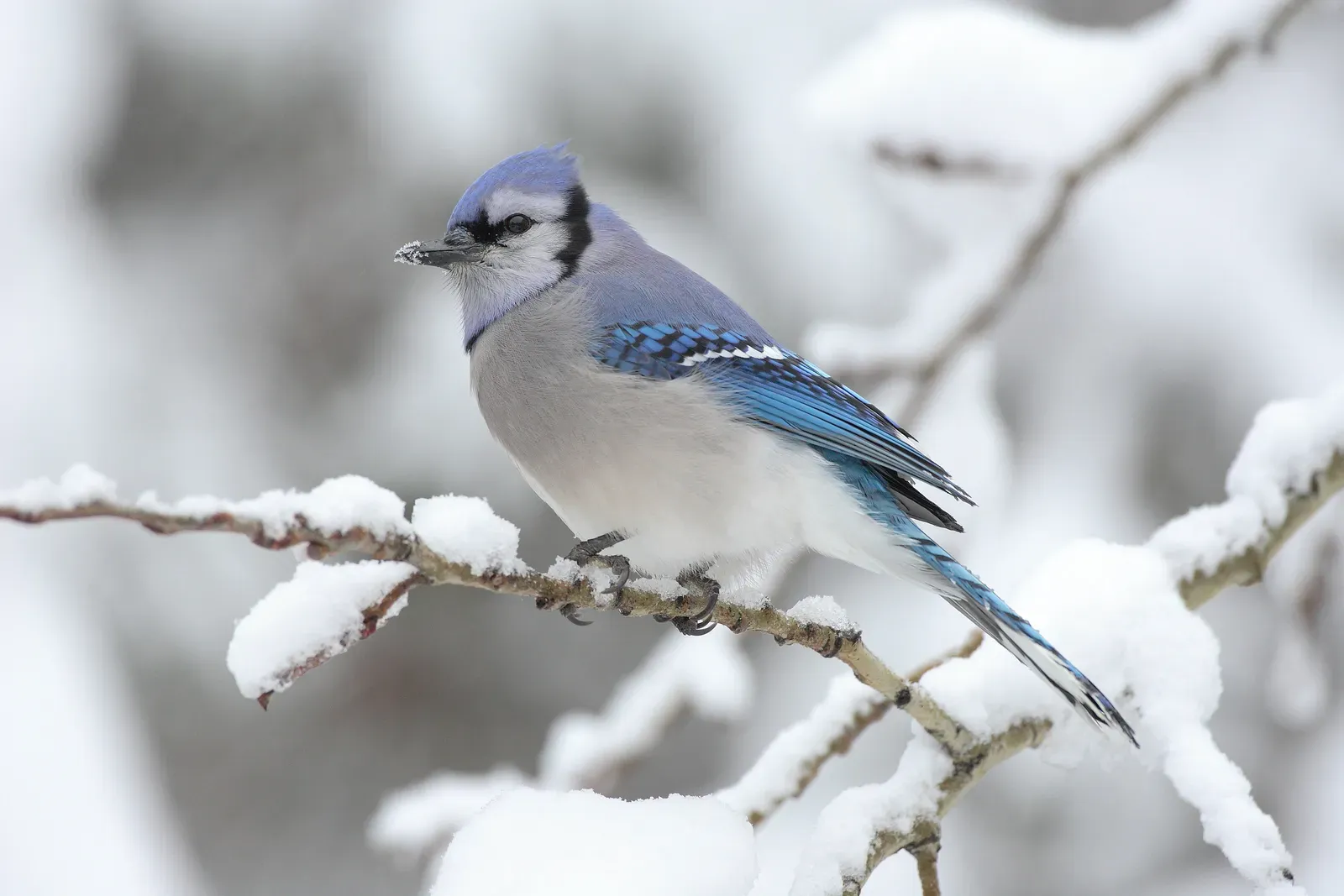
The scenario is simple: a feeder is bustling with smaller birds, finches, chickadees, titmice, sparrows, enjoying a meal. A blue jay approaches, lets out a convincing hawk scream, and suddenly, the feeder empties as the smaller birds scatter in a panic, fearing an aerial predator. The blue jay then descends, having the feeder all to itself. It’s a calculated, repeatable trick.
Unlike birds with innate vocalizations, blue jays learn calls from environmental exposure. Young jays hear hawks screaming, adult jays imitating hawks, and other environmental sounds, then incorporate these into their own repertoires. This learned vocal behavior is cognitively sophisticated and characteristic of corvid intelligence. Blue jays are so good at imitating hawks, especially Red-shouldered Hawks, that even experienced observers have to be careful. They can do convincing Red-tailed and Cooper’s Hawks as well.
A Sudden, Eerie Silence
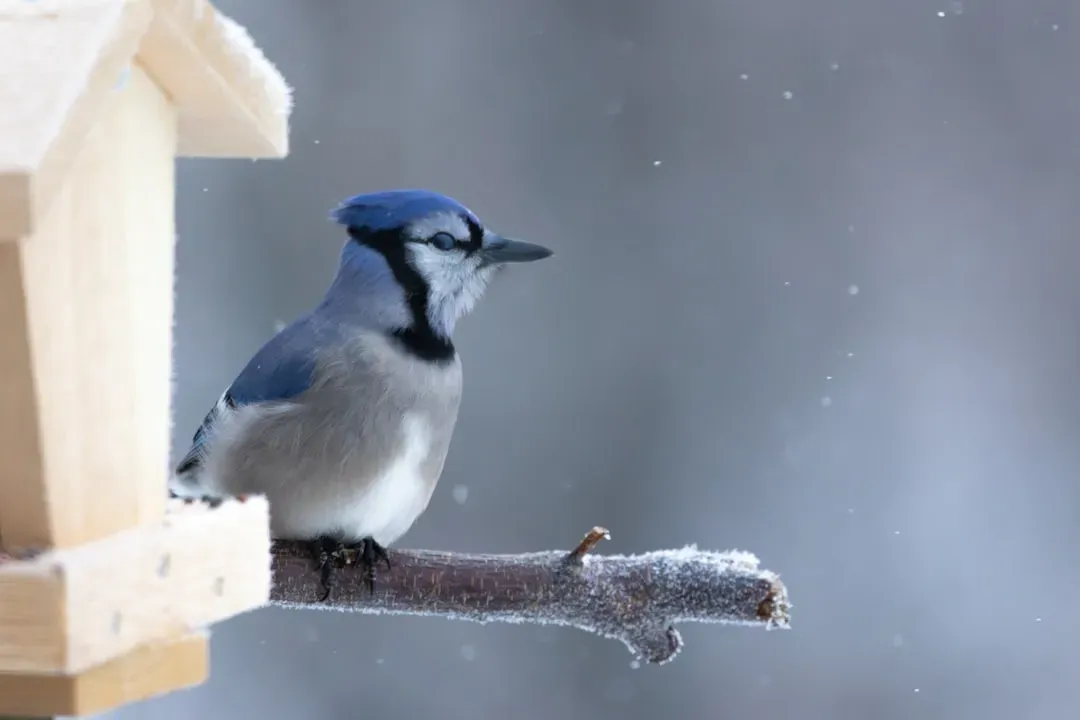
Nesting blue jays deliberately suppress their normally loud behavior to avoid drawing predators. That sudden feeder quiet catches many backyard birders off guard. The blue jays that were dominating your platform feeder in one month may seem to vanish in another. They haven’t gone far. They’re just being careful.
During the nestling stage, adult blue jays become dramatically quieter than usual, almost unrecognizable to backyard birders used to their vocal presence. This behavioral suppression is intentional predator avoidance. If your resident jays go silent, check for a nest within 200 feet. A quiet blue jay is, paradoxically, one of the most significant signals they can send you.
Dive-Bombing People or Pets
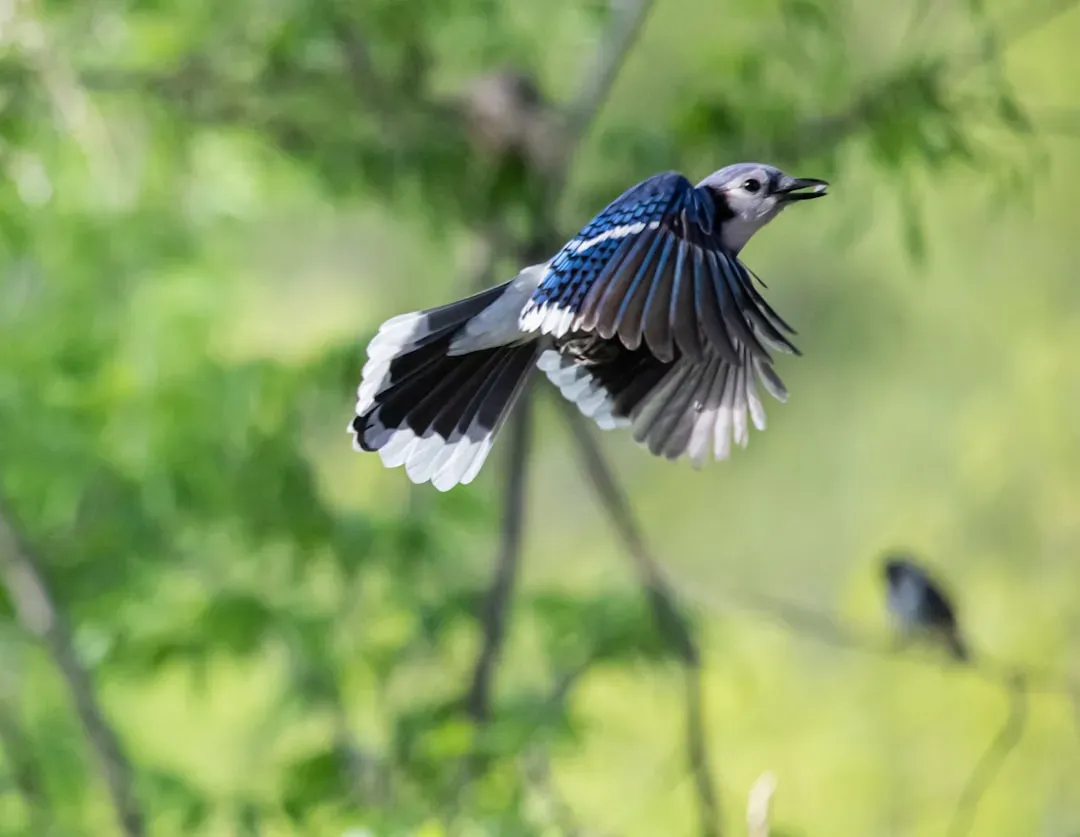
Blue jays perform direct aerial attacks on mammals, including squirrels, cats, raccoons, and humans who approach too closely. They also use distraction displays, drawing predator attention away from the nest by calling loudly from a distance. If a blue jay is actively dive-bombing you in your own yard, you are almost certainly within 50 feet of an active nest.
The behavior typically resolves on its own once fledglings disperse, usually within two to three weeks. If you are being mobbed by blue jays while doing yard work, simply wearing a hat provides meaningful protection and allows you to continue working. The adults are responding to your height profile as a predator threat, and reducing your apparent size often reduces the intensity of mobbing behavior. They’re not being aggressive for its own sake. They have young nearby and they’re terrified.
Crest Position Tells a Story
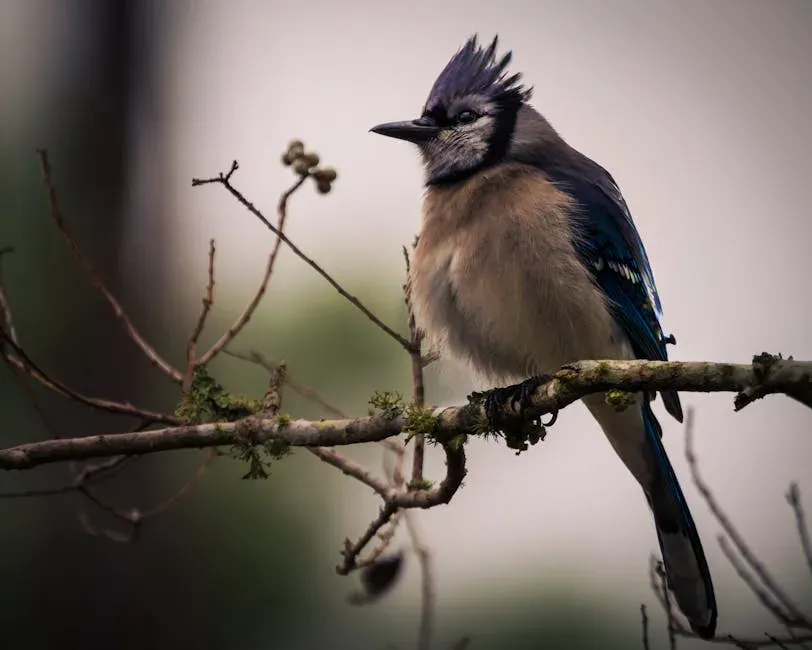
Beyond their physical stature, blue jays employ clever intimidation tactics. You’ll often witness their raised crest displays signaling aggression, while their vocalization mimicry of hawk calls creates deceptive behavior that scares away competitors. Their loud squawks combined with threatening postures constitute classic avian territorial behavior. The crest is not decorative. It’s a mood indicator running in real time.
Sound is only half the story. Blue jays layer their calls with visual signals that, once you know what to look for, are surprisingly readable. A fully raised, stiff crest signals high arousal, whether from fear, aggression, or intense excitement near a food source. A relaxed, lowered crest means the bird feels safe. It’s a surprisingly legible system once you start paying attention to it.
Frantic Autumn Acorn Caching
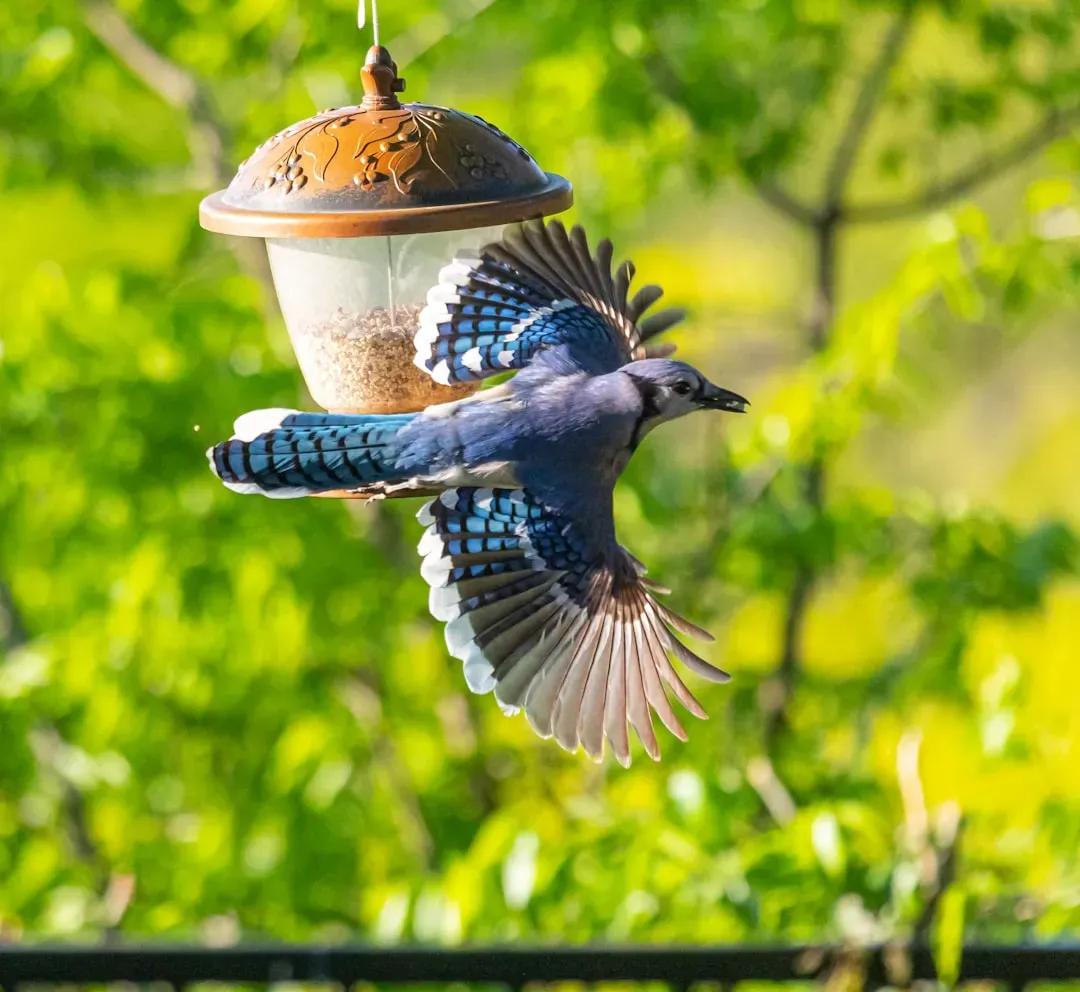
During autumn, blue jays frantically collect and cache acorns throughout their territory, burying them in the ground for later retrieval. Individual blue jays will cache anywhere from 3,000 to 5,000 acorns each year. When you see a jay making rapid, repeated trips between your yard and the nearby tree line, it’s doing something far more purposeful than it looks.
When blue jays bury acorns and forget their locations, those acorns often germinate and grow into new oak trees. Research suggests blue jays may be responsible for planting thousands of oak trees across their lifetimes, making them critical partners in forest regeneration and expansion. The distances blue jays carry acorns before caching them help oak trees colonize new areas far from parent trees. Birds often fly a mile or more with acorns, depositing them in locations where oaks might never naturally spread. That frantic autumn ritual is quietly reshaping the local landscape.
Courtship Flights in Pairs
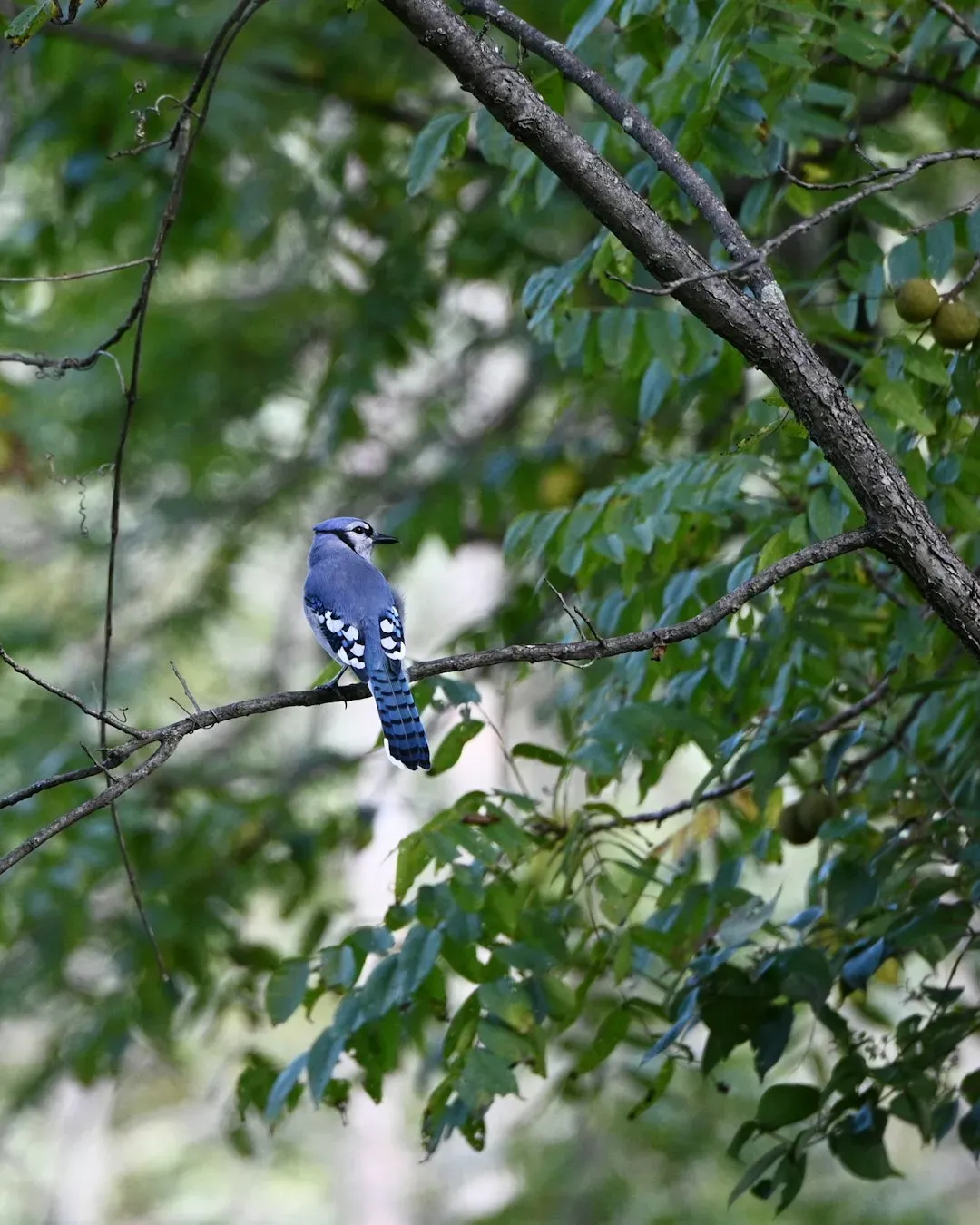
The behavioral lead-up to nesting begins weeks before any eggs are laid. Watch for early signs in late February and March: paired courtship flights, with male and female flying together in short loops through the canopy. These loops are easy to dismiss as ordinary flight, but the pairing and the choreography are deliberate. A nesting attempt is likely underway.
Both the male and female work on nest construction together, a trait that makes them notably cooperative nesters. Once nesting begins, the pair becomes hyperaware of everything happening in their immediate environment. If you’re noticing a pair of jays circling through the same section of your yard repeatedly over several days in late winter or early spring, there’s a very good chance they’re scouting a nest site in a tree you walk past every morning.
Gathering in Numbers Near One Tree
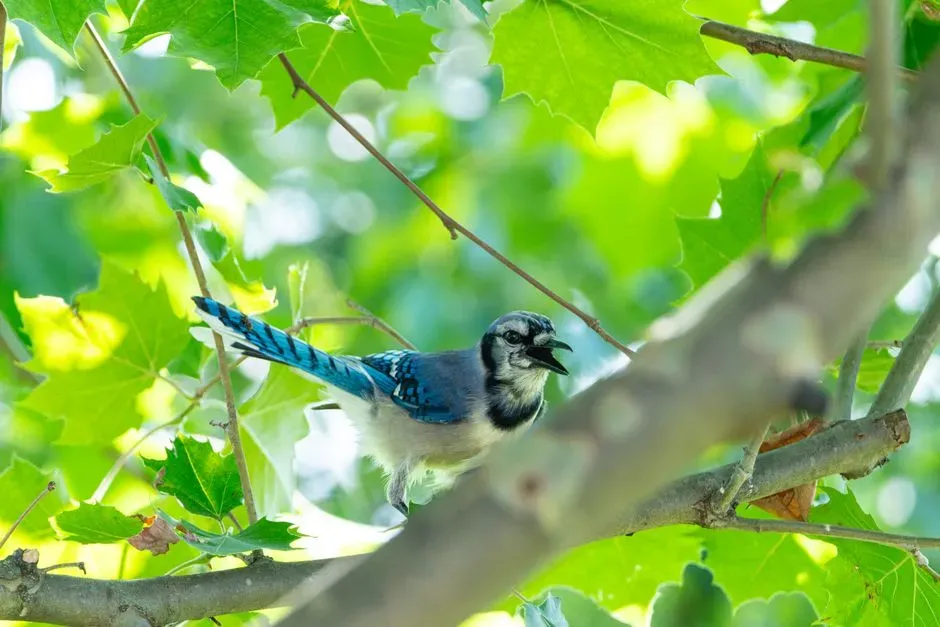
Jay alarms for owls can be incredible displays of noise and activity. This can involve as few as one to three birds, but can grow to ten or even more birds all screaming at the same point. The key thing to remember is that owls tend not to move around too much during the day. So if a growing cluster of jays is focused on a single dense tree, there’s likely a roosting owl tucked inside it.
Whenever a hawk or owl enters blue jay territory, everyone in the vicinity is going to know about it. They scream as loud as they can in an effort to sound the alarm. They want every blue jay, and other smaller birds by proxy, to know that hawks and other predators are in the vicinity. Tracking which tree the noise keeps returning to is often the fastest way to spot a daytime owl roost you’d otherwise never find.
Feeder Dominance That Shifts Other Species
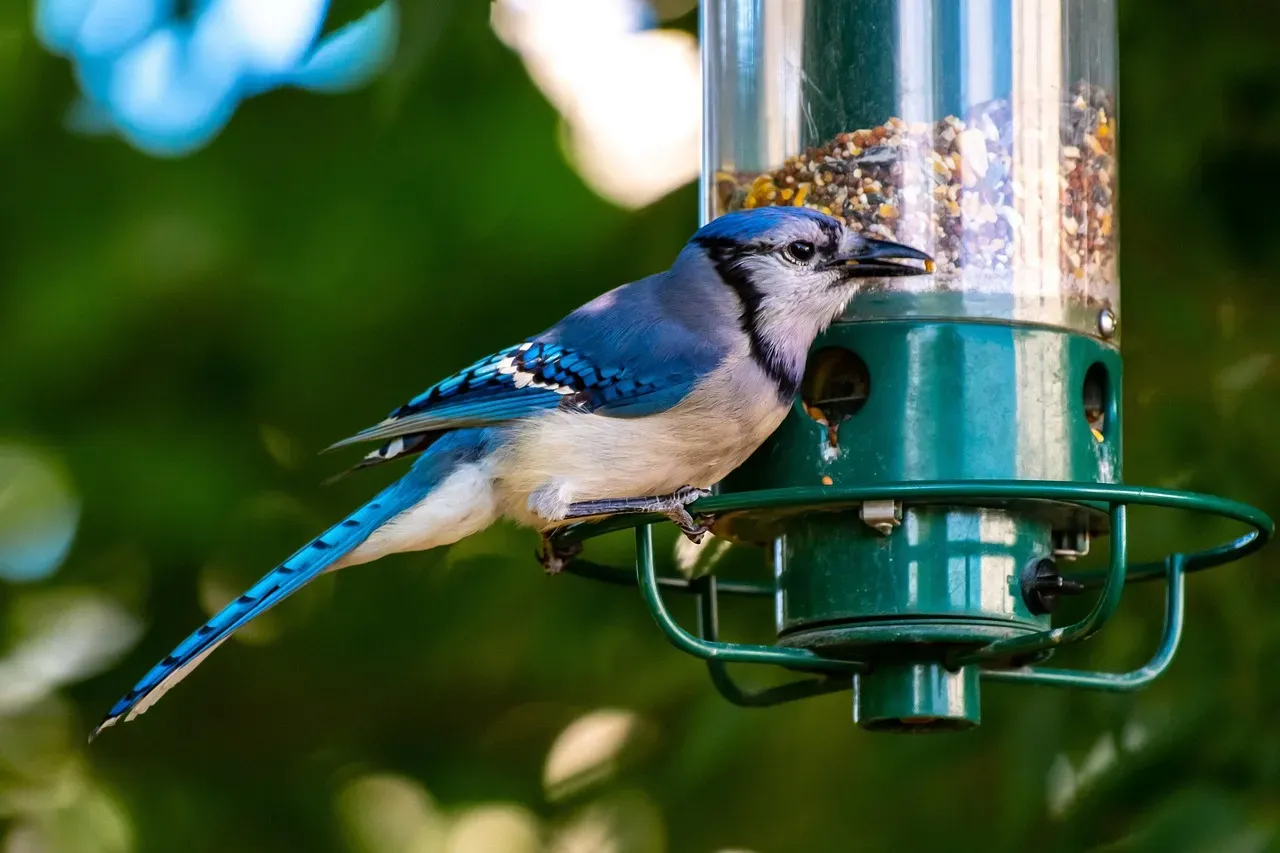
Many smaller birds face significant challenges when blue jays dominate their habitat. You’ll notice bird dominance hierarchies shift when blue jays appear, triggering competitive behavior among species that would otherwise coexist peacefully. This sudden shift in feeder dynamics isn’t always just about the jay’s appetite. It often signals broader changes in resource competition nearby, especially in winter.
Bird behavior experts note that resource scarcity, not inherent meanness, typically triggers their competitive displays. A blue jay suddenly monopolizing a feeder it previously shared may indicate that wild food sources have thinned out in the surrounding area. Blue jays show up where there are mature trees, reliable food sources, and clean water nearby. If one lands in your yard, chances are you have at least one of those things going for you. Their presence is as much an indicator of your yard’s ecological quality as it is a nuisance.
Warning Calls That Alert Non-Bird Wildlife
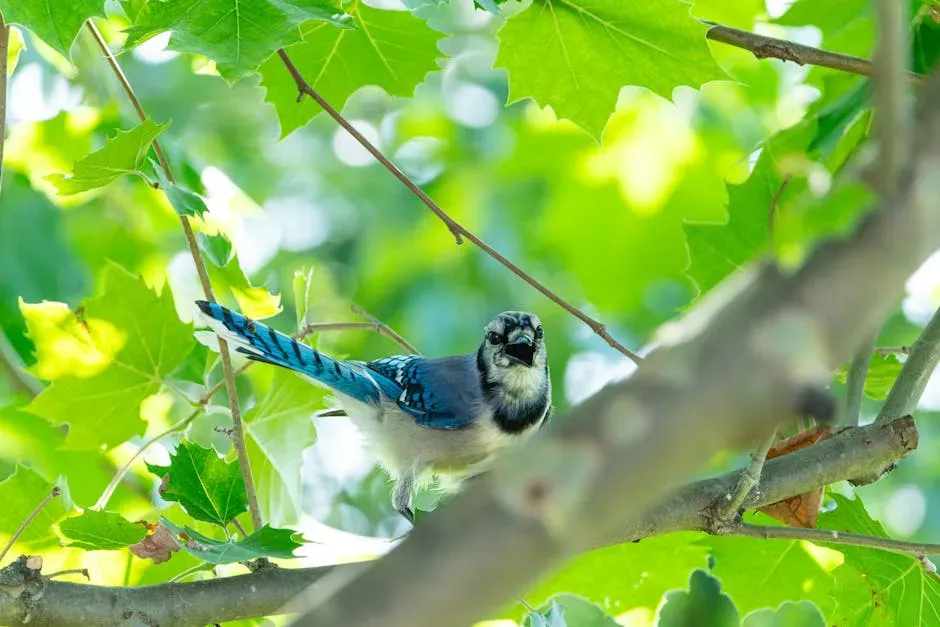
Beyond seed spreading, jays also serve as an alarm system for other wildlife. Their sharp warning calls alert squirrels, songbirds, and even deer when a predator is nearby. This cross-species service is largely overlooked, but it reflects just how deeply blue jays are woven into the fabric of the local ecosystem around your home.
Blue jays are among the most intelligent of all backyard birds. They communicate extremely well with one another, especially when it comes to warning of nearby predators. Their loud warning chatter also serves to help smaller animals escape the same nearby danger. Blue jays are one of the best hawk and eagle sentinels of all, not just for their own species, but for all of the other small animals and birds in danger. With their keen eyesight, intelligence, and vocal ability, jays signal among each other to warn of impending danger. They are almost always the first to warn of a nearby hawk or eagle.
Conclusion
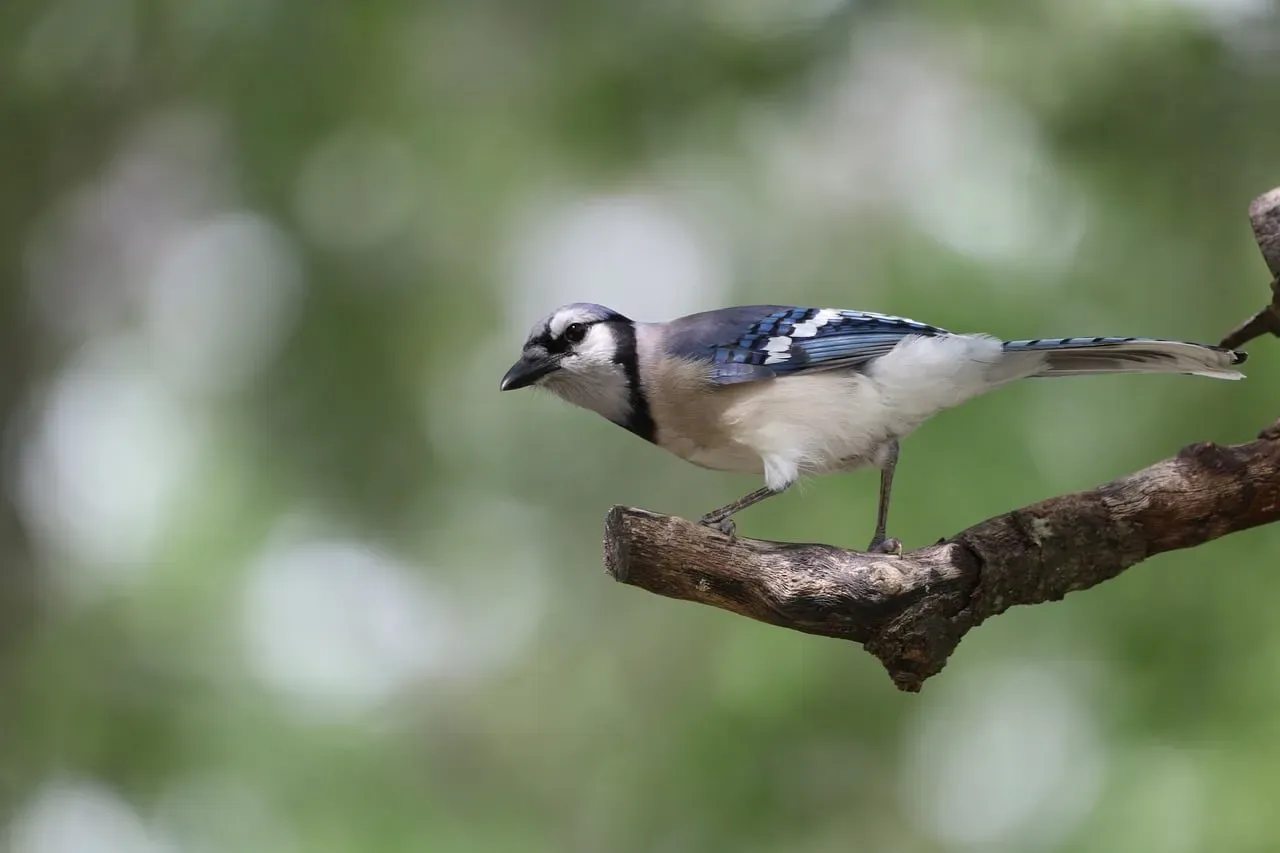
Blue jays deserve far more credit than they typically receive. They are not simply loud, aggressive birds pushing smaller species around for kicks. They are, in a very real sense, the self-appointed information officers of the backyard ecosystem, broadcasting predator locations, sounding multi-species alarms, and quietly planting thousands of trees over the course of their lifetimes.
The case for paying attention to them is genuinely strong. Blue jay communication behavior changes dramatically based on context, season, and social situation. The same individual jay uses different calls for mate bonding, territorial defense, foraging coordination, predator warnings, and offspring care. That’s not noise. That’s a language.
The opinion here is uncomplicated: dismissing blue jays as backyard nuisances is a failure of observation, not a reasonable judgment. Every habit on this list points to something real happening just beyond your sight line. The bird spotted it first. It has been broadcasting the information the whole time. We just haven’t been listening.
