

The Stone Age Survival Mechanism

Back when humans lived in small nomadic groups, getting cut off from the tribe meant losing access to food, protection, and mating opportunities. One wrong move or perceived slight could leave someone vulnerable to predators or starvation. That pressure shaped a nervous system tuned to detect rejection quickly and respond with urgency.
Today those same circuits fire even when the stakes involve a missed text or an unliked post. The response feels outsized because the wiring never fully updated for a world of billions. Belonging still registers as a core need rather than a nice extra.
Brain Scans Reveal Surprising Similarities
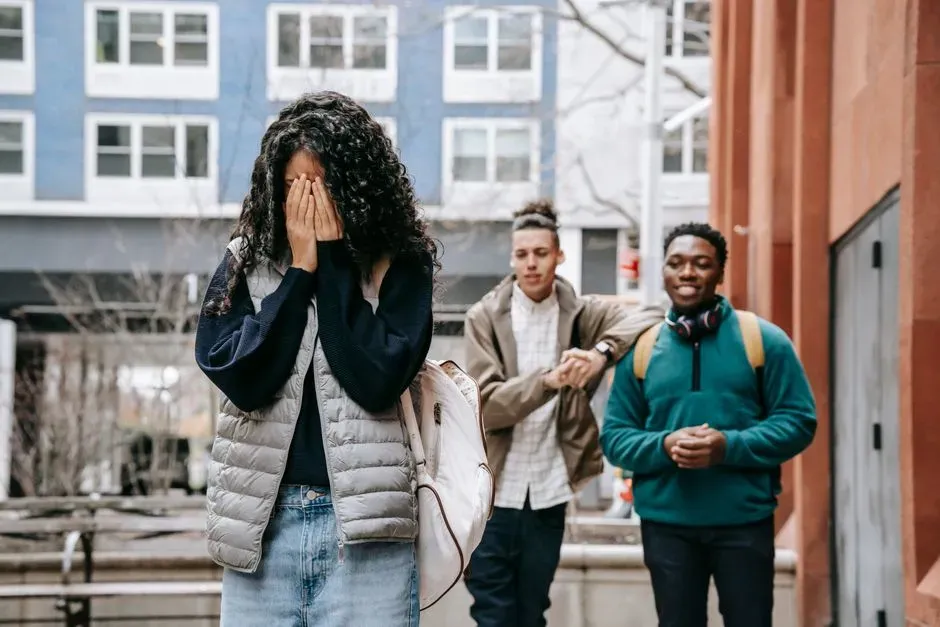
Neuroimaging work has shown that the dorsal anterior cingulate cortex lights up during both physical injury and the experience of being left out. This overlap suggests the brain processes social pain using some of the same pathways it uses for bodily harm. The result is a visceral sense that something is genuinely wrong.
Other regions tied to distress and motivation also activate, which helps explain why rejection can feel motivating in the moment yet draining afterward. The pattern holds across different experimental setups that simulate exclusion without any real-world consequences. It points to an ancient alarm system that remains active.
Rejection’s Ripple Effects on the Body

Feeling excluded often triggers a stress response that raises cortisol levels and keeps the body on alert. Sleep can suffer, appetite shifts, and even immune function takes a temporary hit in some cases. These changes make sense if the brain still interprets isolation as a survival risk.
Over repeated experiences the cumulative load can contribute to longer term mood dips or heightened sensitivity to future slights. The body does not always distinguish between a one time snub and ongoing marginalization. That lack of nuance keeps the physical echoes alive.
Why Small Slights Feel Like Major Threats

A brief moment of being ignored can activate the same defensive posture once reserved for outright banishment. The mind scans for signs of further withdrawal and may overinterpret neutral cues as hostile. This hyper vigilance once helped spot danger early in tight knit groups.
In current settings the same tendency can turn ordinary interactions into sources of anxiety. People might withdraw preemptively or push back harder than the situation warrants. The mismatch between ancient calibration and present reality creates friction that feels personal rather than structural.
Lessons from Ostracism Research

Controlled studies using simple ball tossing games have demonstrated how quickly participants report distress when they stop receiving throws. The effect appears across age groups and cultures, suggesting a shared human response rather than an individual quirk. Recovery tends to happen faster when reconnection follows soon after.
Longer term observations link repeated exclusion to changes in self perception and social approach. Some individuals become more attuned to acceptance signals while others grow wary. Both patterns reflect attempts to restore the sense of safety that belonging once provided.
Adapting Ancient Instincts to Today

Recognizing the evolutionary source of rejection sensitivity can reduce the shame that often accompanies it. The feeling is not a sign of weakness but evidence of a system built for different conditions. Small adjustments like seeking out reliable social anchors help dampen the intensity.
Practices that emphasize perspective taking or deliberate reconnection also seem to ease the immediate sting. Over time these steps allow the nervous system to register modern exclusions as less catastrophic. The goal is not to erase the response but to keep it proportionate.
A Fresh Perspective on Human Connection

Our shared vulnerability to rejection underscores how much we still depend on one another despite technological buffers. Rather than viewing sensitivity as outdated baggage, it can serve as a reminder to extend grace when others react strongly to perceived slights. The same wiring that causes pain also drives the deep satisfaction that comes from genuine inclusion.
In a world that often celebrates independence, honoring this ancient need for belonging feels like a quiet act of realism. It invites more patience with ourselves and with the people around us who are navigating the same inherited responses. Ultimately the reaction persists because connection remains essential to what it means to be human.

- 10 Remarkable Facts About the African Cheetah: The Lightning of the Grasslands - July 29, 2026
- 10 Most Heroic Horses in History - July 29, 2026
- Why You Should Never Play Dead When Attacked by a Black Bear - July 29, 2026