
Your dog has always treated the backyard like its own personal kingdom. One day the enthusiasm vanishes without warning. Owners often notice the shift first at the door, where a once eager companion now plants its feet or turns away.
The change feels abrupt and personal. It prompts questions about what might have altered the familiar space overnight. Many turn to experts for clues about this quiet withdrawal.
The Power of a Dog’s Sense of Smell

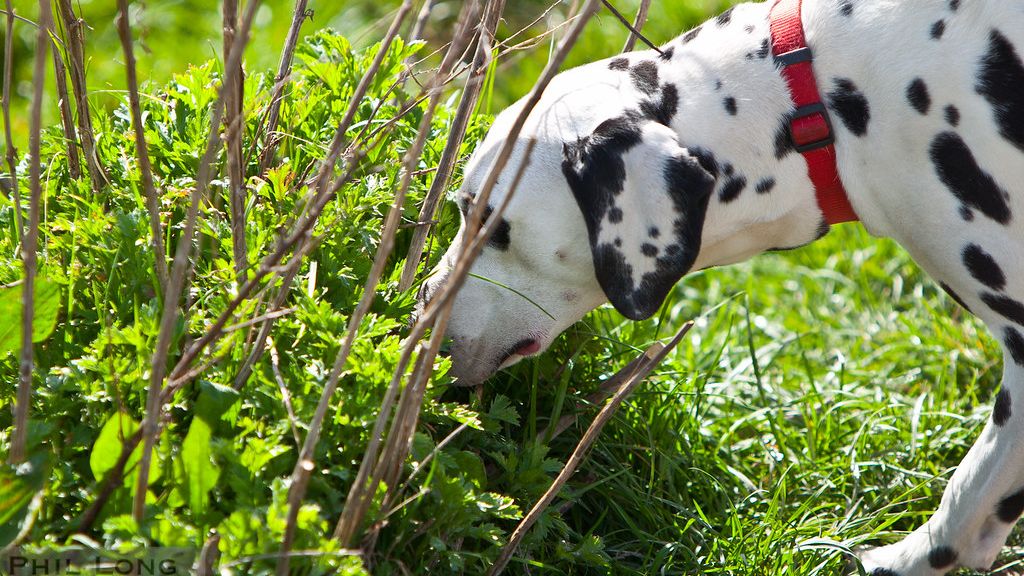
Dogs rely on scent far more than sight to read their surroundings. Their noses detect traces that humans overlook entirely. A sudden predator visit can leave lingering odors that signal danger long after the animal departs.
Behaviorists point out that these chemical signals trigger instinctive caution. The backyard no longer feels safe in the dog’s perception. This response stems from deep evolutionary wiring rather than any learned trick.
Recognizing Subtle Behavioral Shifts
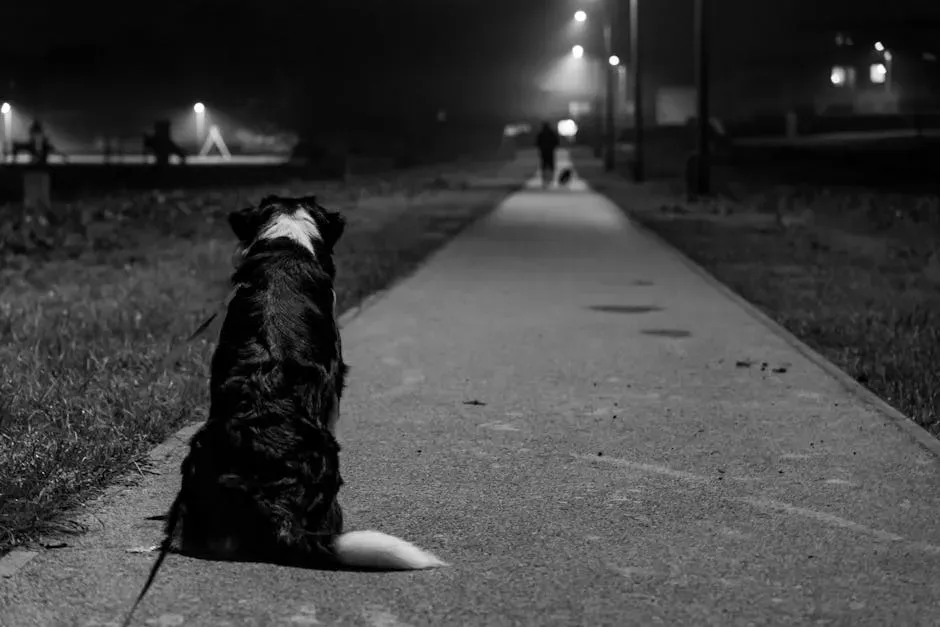
Owners describe dogs that pause at the threshold or circle nervously before stepping out. Some animals whine or tuck their tails when urged forward. These small signals often precede a complete refusal to enter the space.
Psychologists who study animal behavior note that such hesitation reflects heightened alertness. The dog processes new information about its territory. What looks like stubbornness is usually a protective response instead.
Predator Scents and Their Lasting Impact
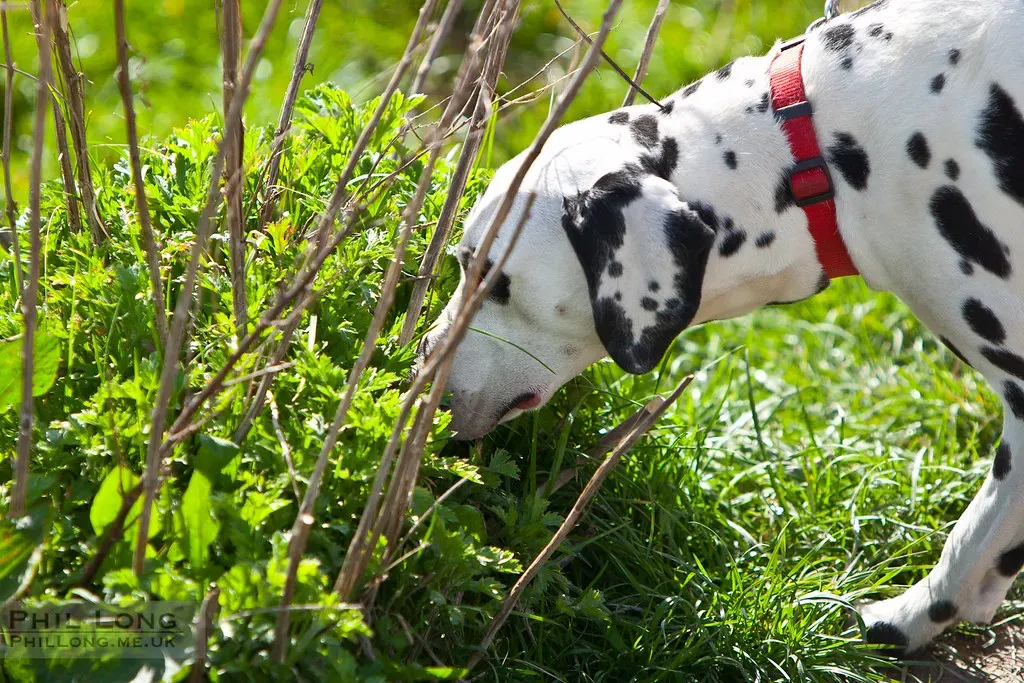
Even brief encounters with wildlife can deposit scents that persist for days. Coyotes, foxes, or birds of prey leave traces that a dog’s nose picks up immediately. The backyard transforms from playground to potential threat zone in the animal’s mind.
Animal behaviorists observe that dogs may avoid the area until the scent fades or new positive experiences overwrite the memory. This reaction protects the pet from perceived risk. It also explains why the refusal appears so sudden and specific to one location.
Other Factors That Can Mimic This Response

Medical issues sometimes produce similar avoidance without any predator involved. Pain from arthritis or an unnoticed injury makes movement uncomfortable. Routine changes like new construction noise can create unease as well.
Negative past events, such as a startling loud sound or an encounter with another animal, leave lasting impressions too. Behaviorists recommend ruling out health concerns first. Only then does the predator scent explanation gain stronger footing.
Steps to Rebuild Comfort in the Yard
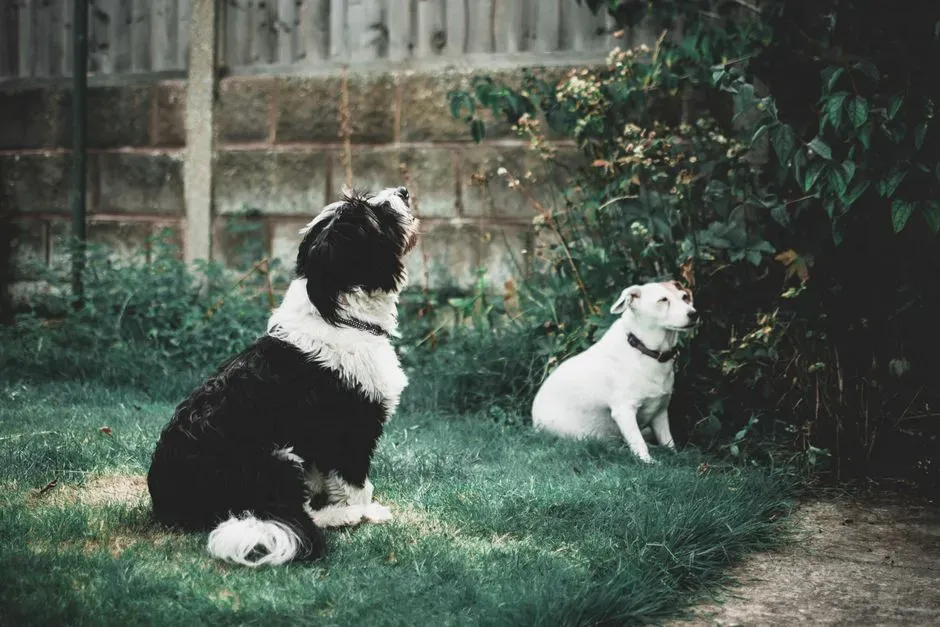
Start by walking the dog on a leash through the space during daylight hours. Offer calm praise and favorite treats for any progress. Gradual exposure helps the animal associate the area with safety again.
Clearing debris or trimming vegetation reduces hiding spots that might attract wildlife. Some owners install motion lights or ultrasonic deterrents as extra precautions. Patience remains essential throughout the process.
When Professional Guidance Becomes Helpful
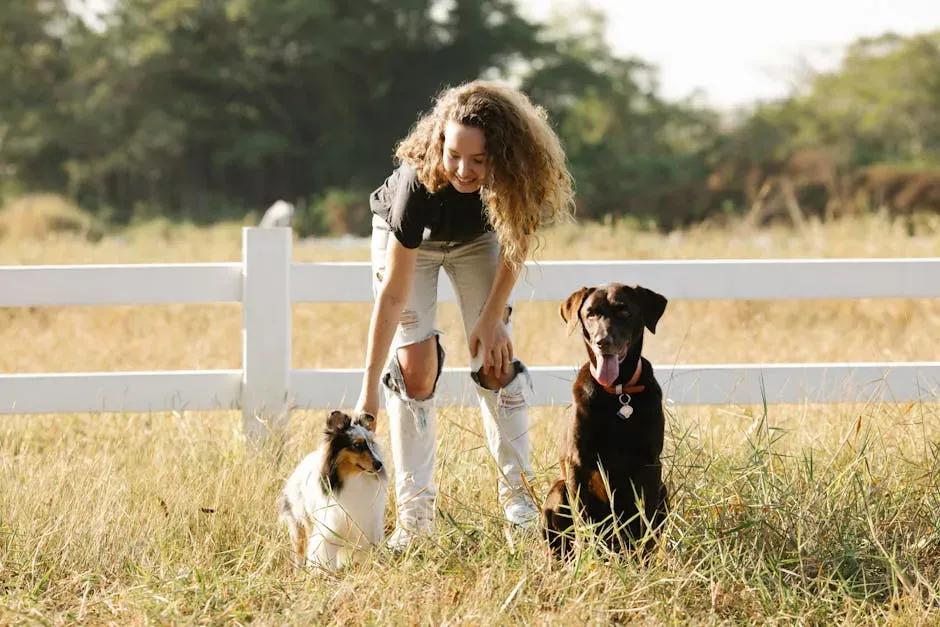
A certified behaviorist can assess whether the refusal ties to scent or stems from deeper anxiety. They evaluate the full context of the dog’s daily life. This outside perspective often uncovers details owners miss.
Veterinarians check for underlying conditions that might contribute. Together these experts create a tailored plan. The goal is restoring the dog’s confidence without forcing the issue.
Respecting What Your Dog Is Trying to Tell You
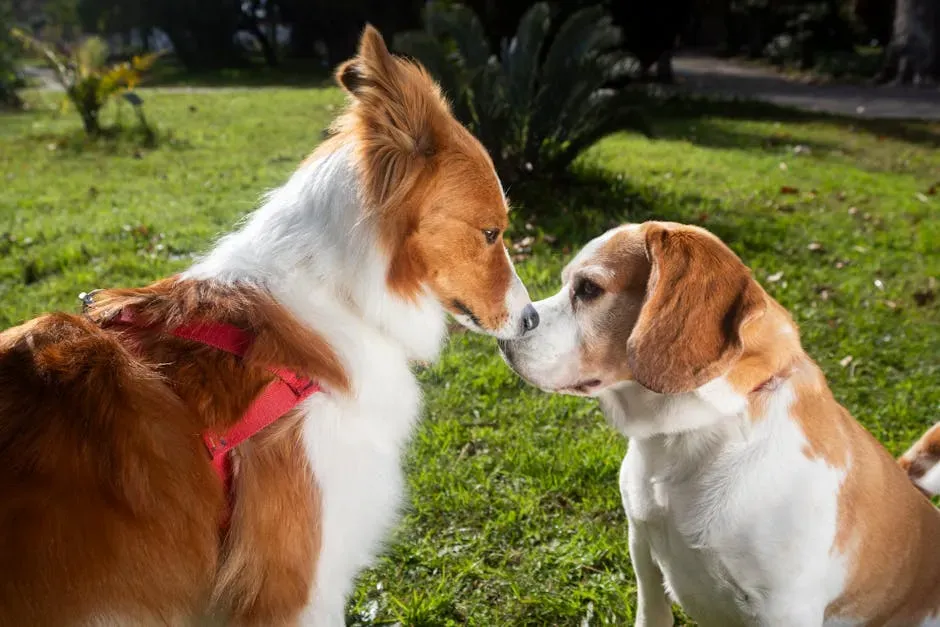
Dogs communicate through avoidance when words are unavailable. Their sudden refusal serves as an early warning system worth heeding. Dismissing it as mere stubbornness overlooks valuable information about their world.
Paying attention builds trust between pet and owner over time. The backyard can return to a shared space once the underlying concern is addressed. In the end, listening closely strengthens the bond that matters most.
