
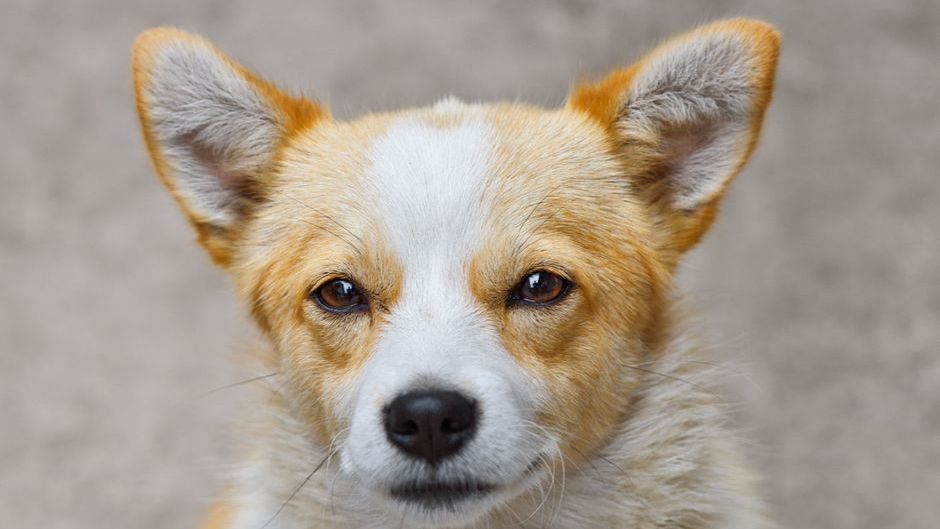
The Oxytocin Feedback That Turns a Look Into Connection
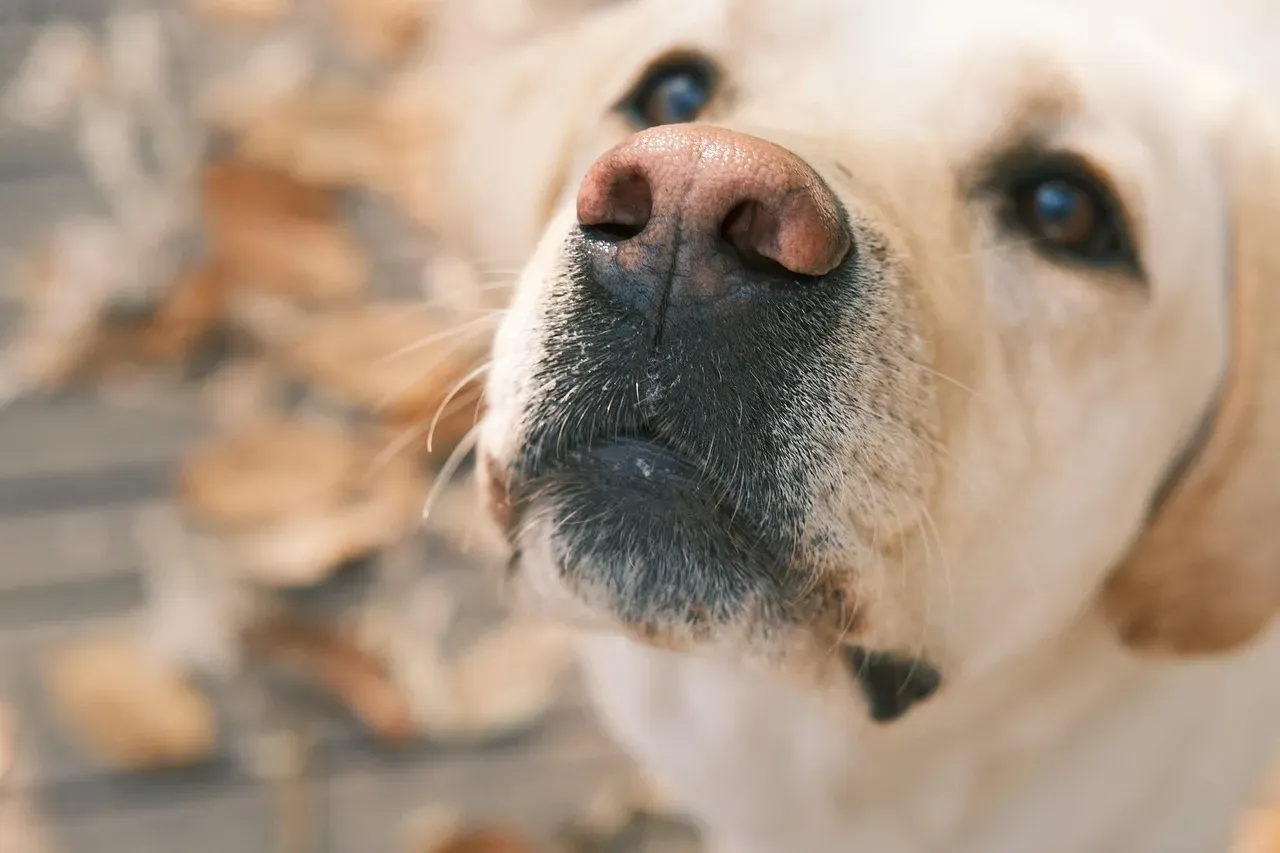
Mutual eye contact between dogs and their people triggers a measurable rise in oxytocin, the same hormone that surges during parent-infant bonding. Studies show levels in both can climb noticeably after just a few minutes of sustained gazing, creating a reinforcing cycle where each participant encourages more of the same behavior.
This loop does not require words or commands. It operates through ancient neural pathways that reward closeness and trust. The result feels familiar because it taps into systems humans already use for deep social attachment, now extended across species lines.
Domestication as a Slow Rewiring of Social Brains
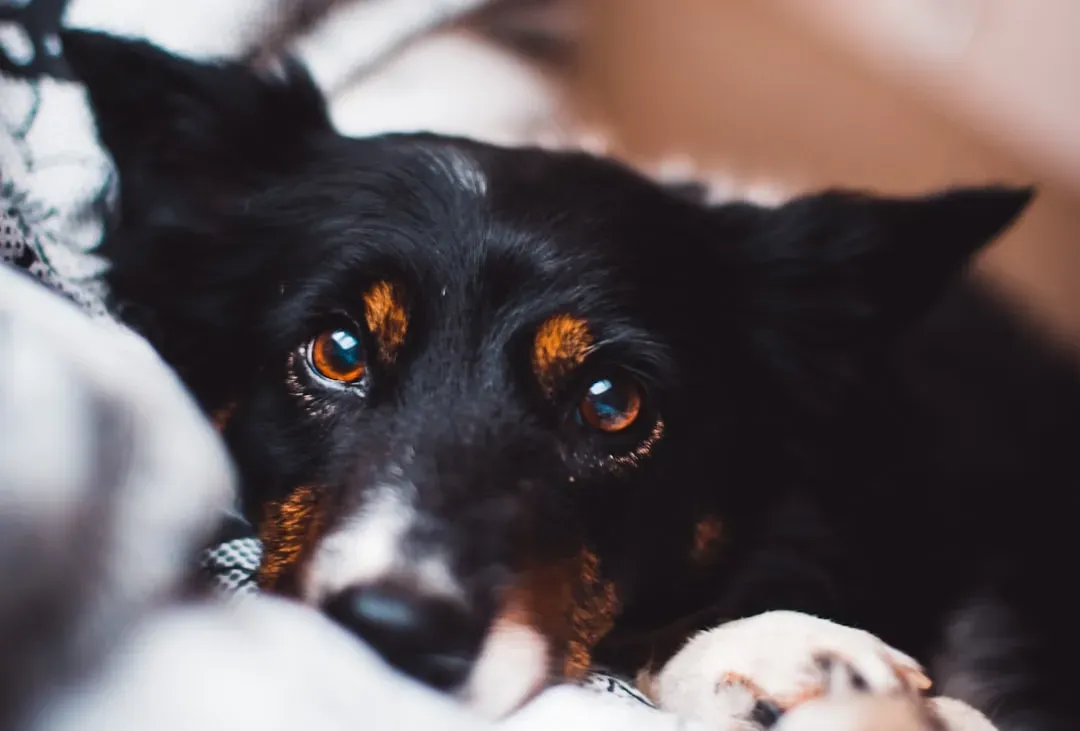
Over roughly fifteen thousand years, dogs moved from wary scavengers to companions whose brains respond to human faces in ways wolves never developed. Selective pressures favored individuals that could read subtle cues and sustain eye contact without triggering defensive responses.
That shift did not happen overnight. It unfolded across generations as dogs that formed stronger emotional ties gained advantages in human environments. The outcome is a species whose default social wiring now includes humans as primary attachment figures.
Why the Gaze Feels Different From Other Signals
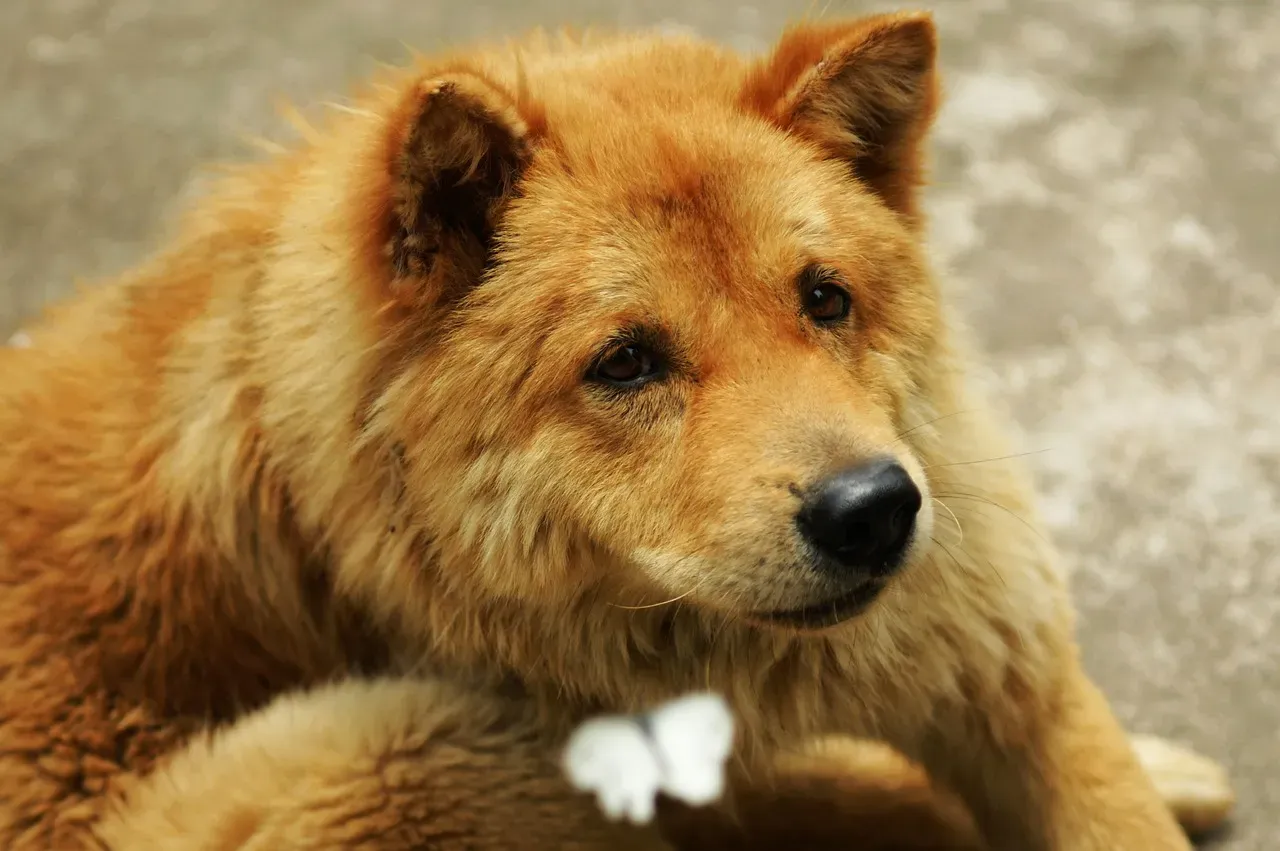
Dogs use staring to convey affection, check emotional states, and simply share presence, separate from requests for food or play. The behavior persists even when no immediate payoff appears, suggesting it serves an intrinsic social function rather than a learned trick.
Owners often describe the look as calming or reassuring, and physiological data backs that impression. The exchange lowers stress markers while elevating feelings of warmth on both sides of the interaction.
Evidence From Comparisons With Wolves
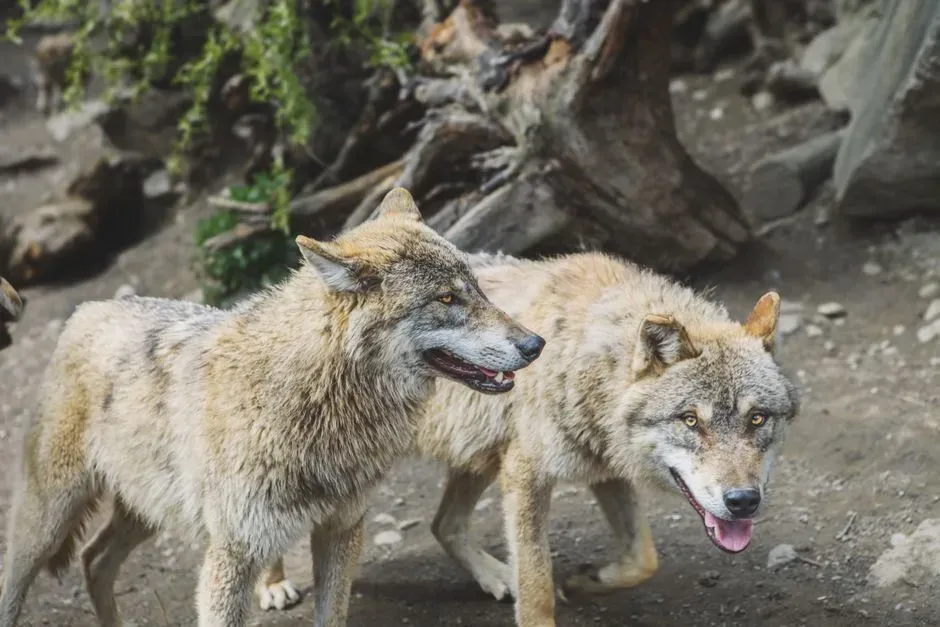
Hand-raised wolves rarely initiate or maintain prolonged eye contact with humans, and when they do, the oxytocin response stays muted or absent. This contrast highlights how domestication specifically tuned dogs for interspecies emotional exchange.
Wolves retain stronger avoidance of direct stares, a trait that protects them in competitive pack settings. Dogs, by contrast, treat human gaze as an invitation rather than a challenge, a difference rooted in thousands of years of living alongside people.
Emotional Circuitry That Operates Below Conscious Awareness
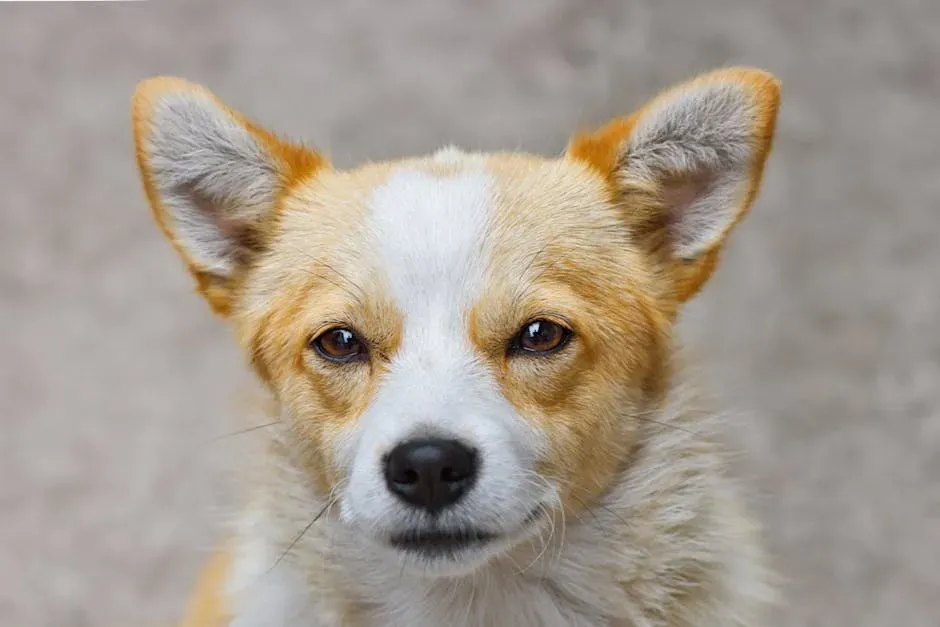
The pathways involved sit deep in the brain, overlapping with systems that manage fear, reward, and social memory. When a dog locks eyes, it activates these circuits in ways that feel automatic and mutual rather than deliberate.
Humans experience a parallel activation, which explains why the moment registers as meaningful even without training or context. The circuitry evolved to support reliable bonds in uncertain environments, and it continues to do so today in living rooms and parks.
Distinguishing Bonding From Simple Compliance
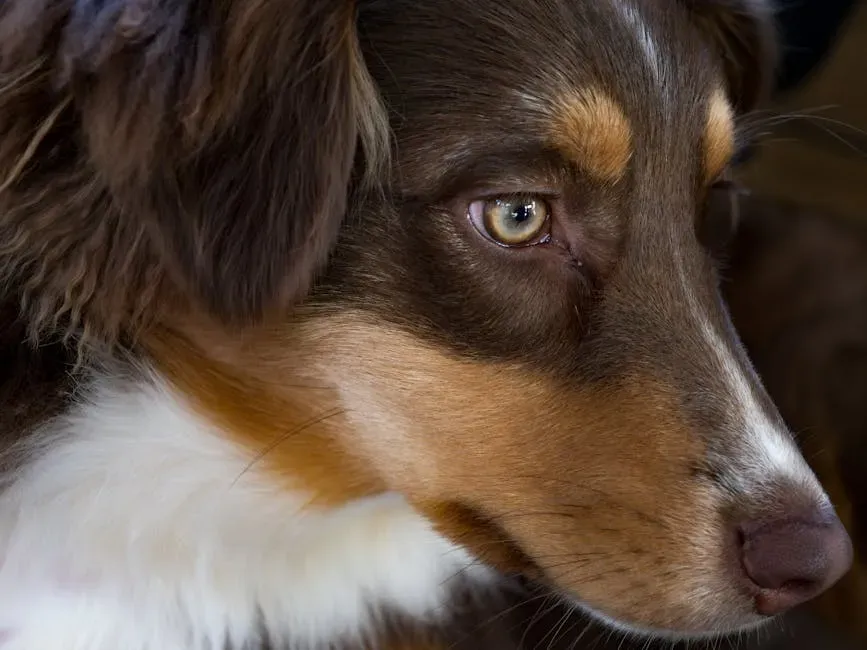
Obedience training relies on clear cues and consistent reinforcement, yet dogs often stare at owners during quiet moments with no task at hand. The behavior appears across well-trained and untrained dogs alike, pointing to an underlying motivation beyond performance.
Context matters, of course. A fixed stare paired with tense body language signals something else entirely. Relaxed, soft eye contact, however, aligns more closely with attachment than with any command structure.
How This History Shapes Everyday Interactions
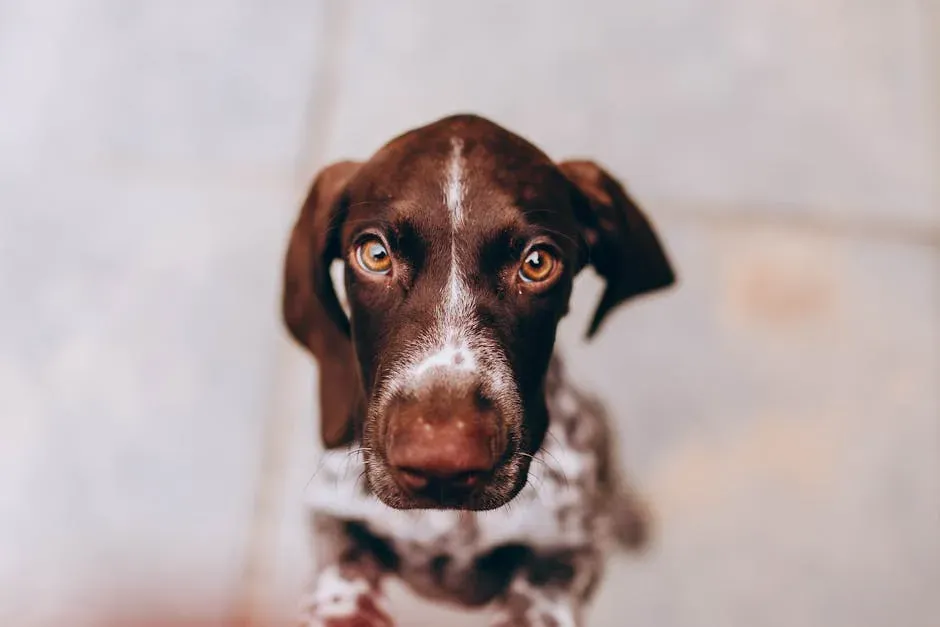
Recognizing the evolutionary layer helps explain why some dogs seem unusually attuned to their person’s moods through nothing more than a look. The same circuitry that supported survival on ancient landscapes now supports companionship in modern homes.
Owners who respond to these gazes with their own steady attention often notice the bond deepening over time. Small, repeated exchanges accumulate into the kind of relationship that feels less like ownership and more like partnership.
The science reframes those long looks as echoes of an ancient partnership rather than isolated quirks. Dogs did not simply learn to live with us. Their emotional systems grew alongside ours, turning ordinary eye contact into a quiet language of belonging that still resonates across living rooms today.