
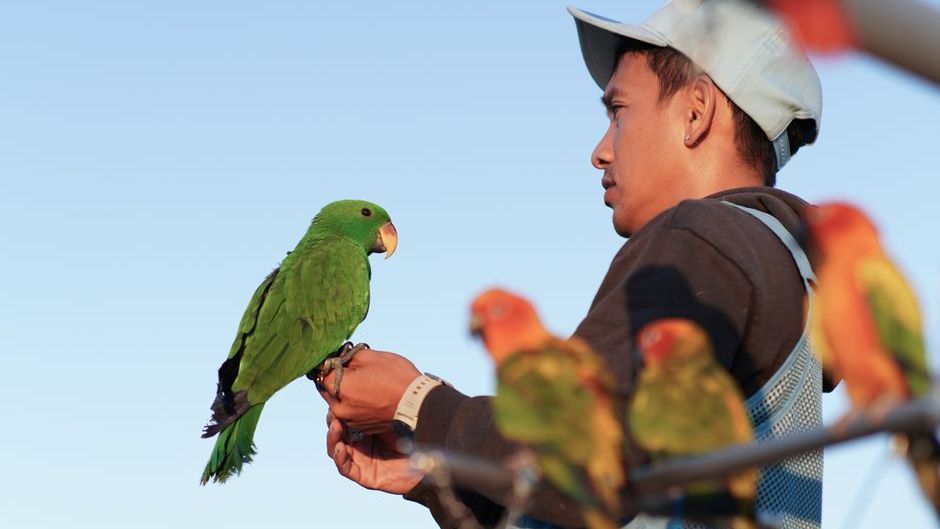
Picture a quiet afternoon at home. A parrot sits on its perch and begins repeating words and phrases, filling the space with sounds even though no one else is around to respond or reward the effort. The scene feels ordinary at first, yet it hints at something more deliberate unfolding in the bird’s mind.
The Nature of Parrot Vocalizations
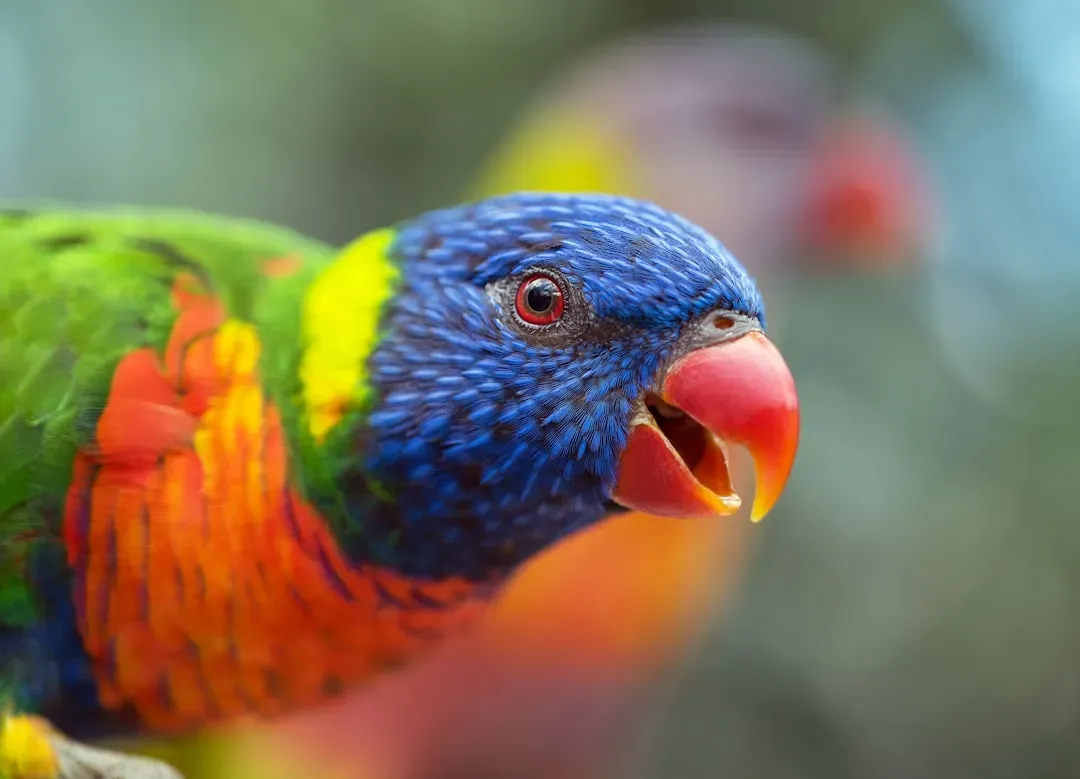
Parrots stand out among birds for their ability to produce a wide range of sounds that go beyond simple calls. Their vocal anatomy allows them to shape air flow in ways that approximate human speech patterns. This capacity evolved in social flocks where clear communication helps coordinate activities like finding food or avoiding threats.
In captivity the same skills turn toward human environments. Birds pick up words and tones from the people around them. The process involves listening closely and then reproducing what they hear, though the reasons behind each repetition can vary.
Evidence of Solitary Rehearsal
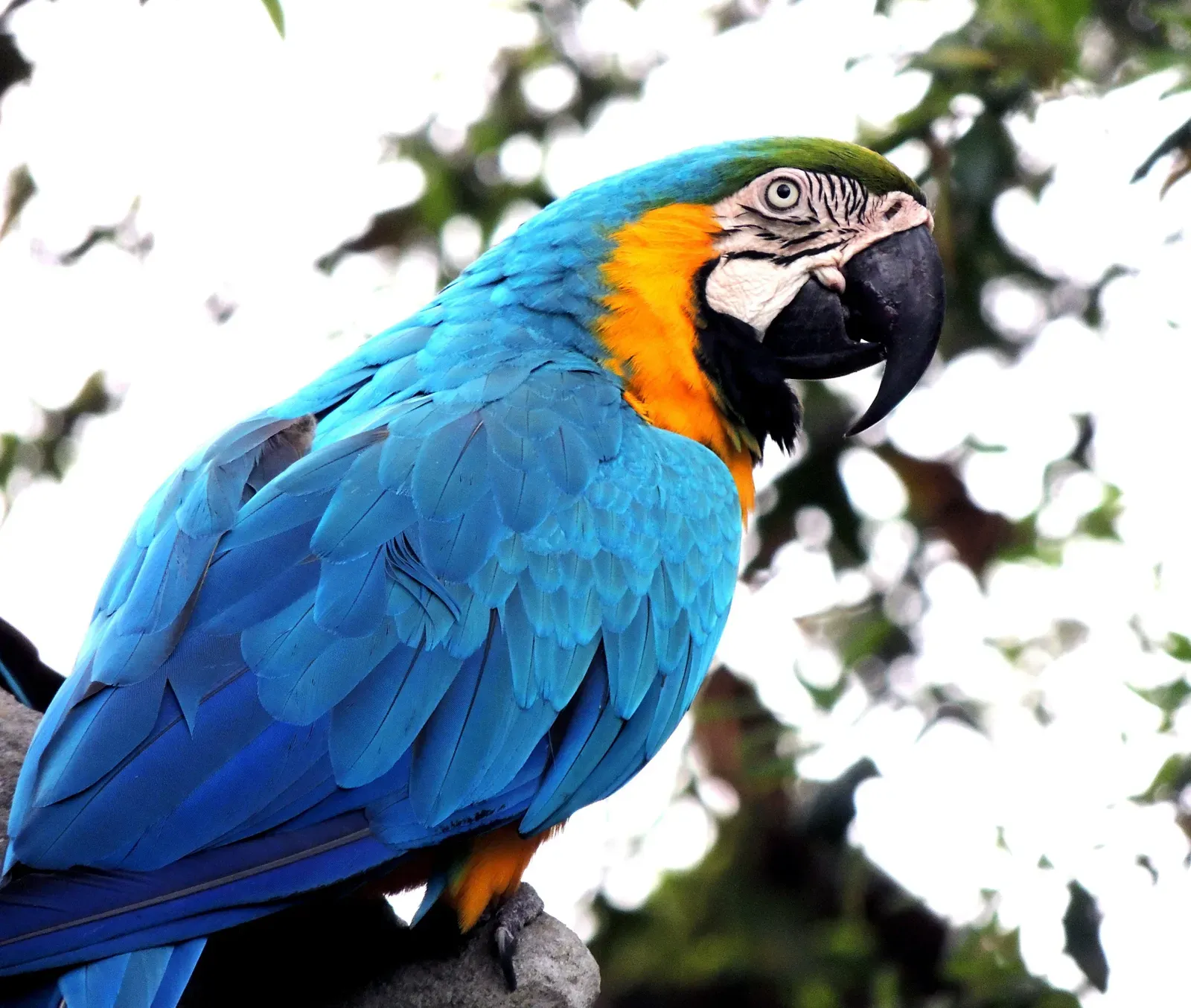
Observations show that many parrots vocalize more freely when left alone. They string together new combinations or repeat familiar ones without any immediate social cue. Researchers note this behavior resembles the babbling phase seen in young children or the practice sessions of songbirds learning their repertoire.
Such sessions often include sound play where existing words get recombined or altered slightly. Over time these variations can lead to clearer or more accurate versions of the target phrases. The activity appears self directed rather than aimed at an audience.
Parallels to Human Language Acquisition
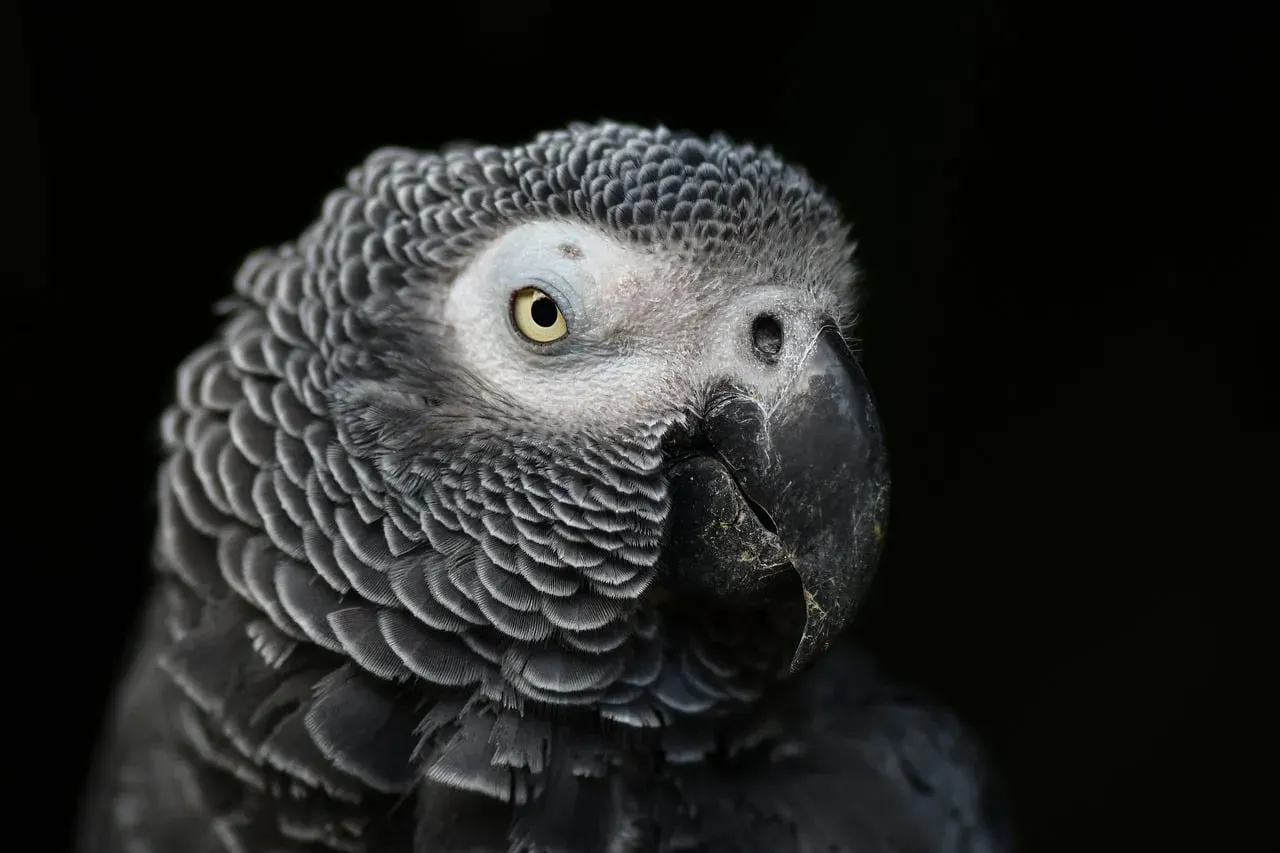
Young children often talk to themselves while playing or exploring. They test sounds and sentence structures in private before using them in conversation. Parrots display a similar pattern during their own learning periods.
Studies of African grey parrots in particular document periods of active vocal practice before a new word becomes reliable. The birds experiment with phonetics and context on their own. This shared trait suggests deeper cognitive similarities across species that rely on vocal learning.
Distinguishing Mimicry from Intentional Practice
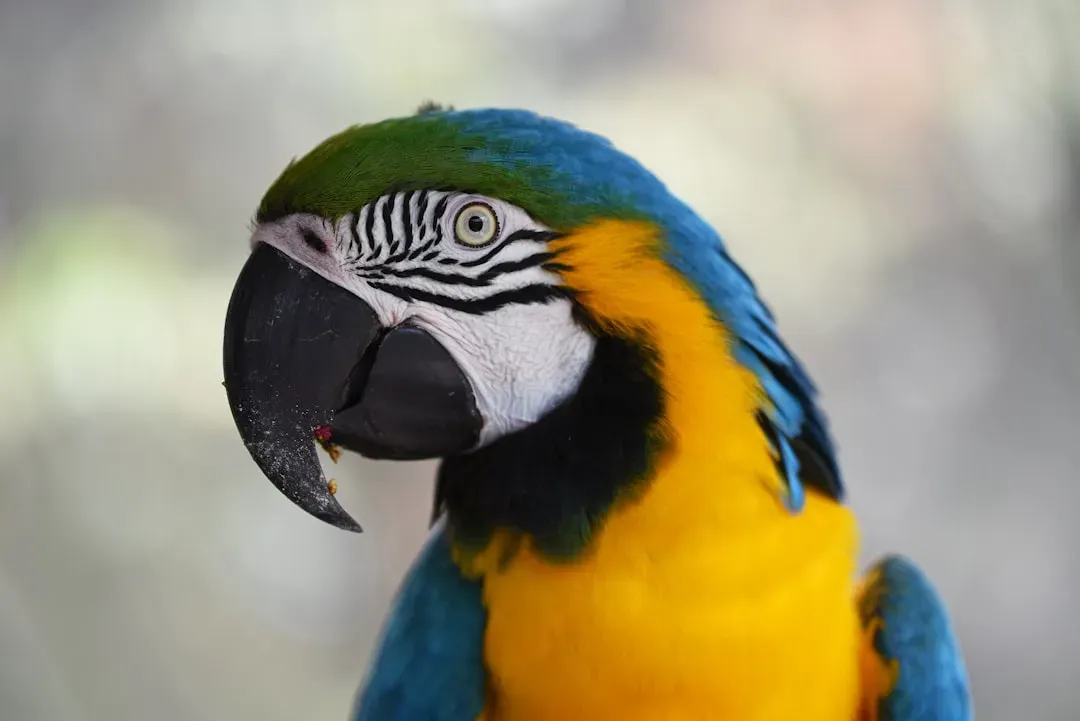
Mimicry implies copying without deeper processing or purpose beyond imitation. Practice, by contrast, involves repetition aimed at refinement and eventual mastery. The solitary setting removes external pressure and points toward the latter.
When a parrot works through phrases alone it can adjust pitch, timing, or sequence without interruption. These adjustments accumulate into better performance later. The distinction shifts how we interpret the behavior from automatic to purposeful.
What Studies Reveal About Cognitive Processes
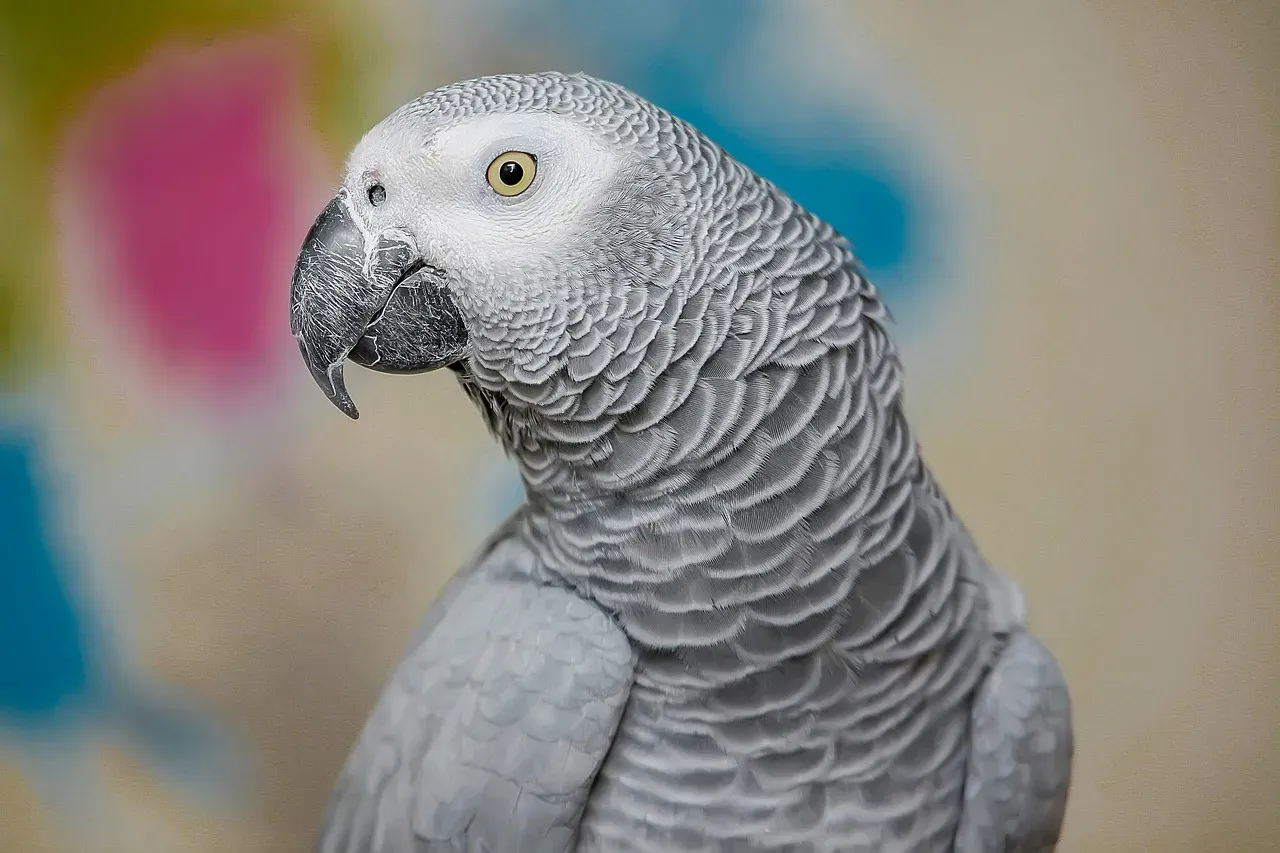
Long term research with grey parrots has tracked how individuals move from initial exposure to fluent use of words. Periods of private rehearsal appear essential for consolidating new material. The birds show flexibility in applying learned sounds to novel situations.
This flexibility hints at underlying mechanisms for categorization and memory that support vocal development. Solitary repetition may strengthen neural pathways in much the same way repeated practice helps other learners. The evidence supports viewing these moments as active skill building rather than idle noise.
Practical Observations for Bird Owners
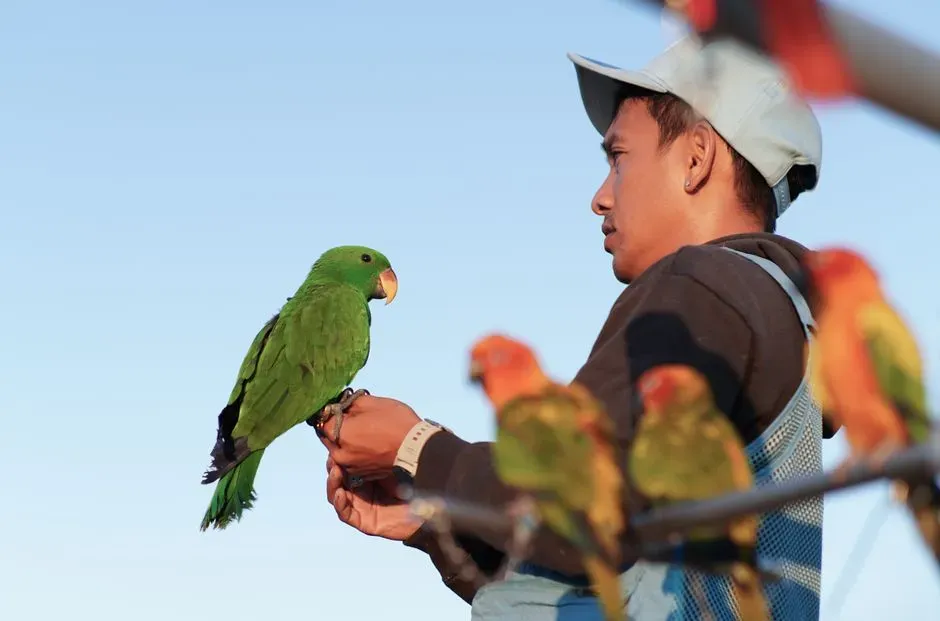
People who live with parrots sometimes notice increased chatter during quiet times of day. Leaving the bird with background recordings or toys can encourage continued exploration of sounds. Owners who recognize the practice element often feel less pressure to respond to every utterance.
Providing a stable environment with consistent exposure to language supports the natural learning rhythm. Watching for gradual improvements in clarity or variety offers a window into the bird’s progress. Small adjustments in daily routine can align better with these internal processes.
Why This Distinction Changes Our View of Animal Minds
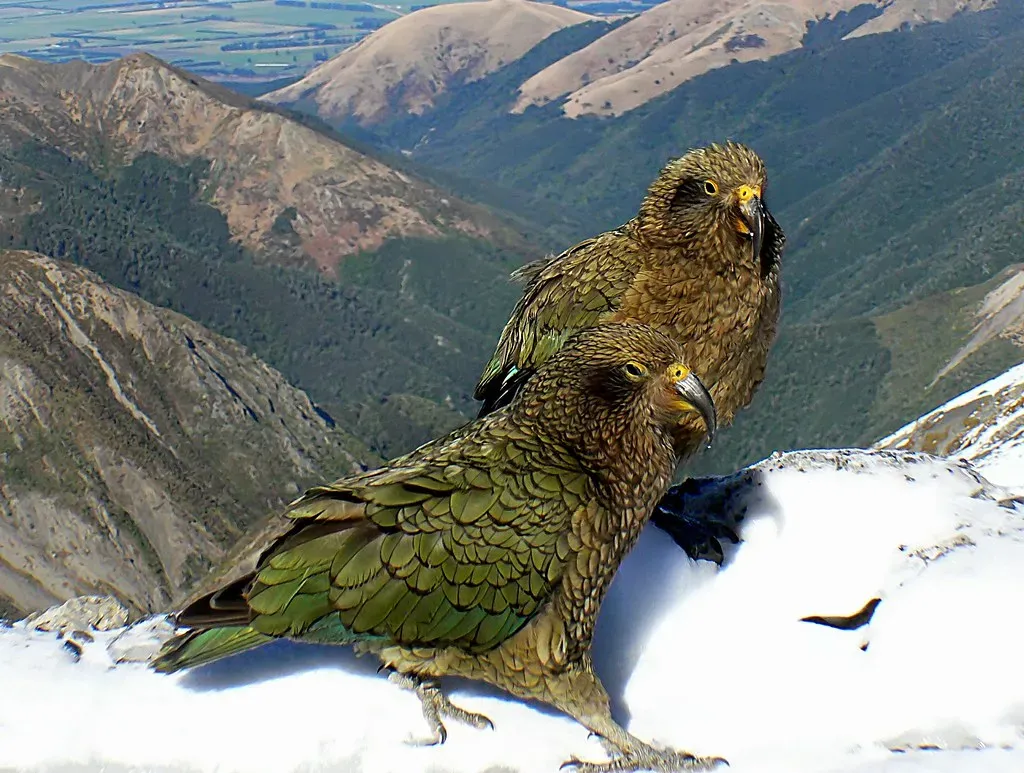
Recognizing practice over pure mimicry invites a more nuanced picture of parrot intelligence. It suggests capacities for self monitoring and goal directed behavior that extend beyond immediate social rewards. Such insights encourage richer interactions between humans and their avian companions.
The shift also broadens appreciation for how different species navigate learning. Solitary effort becomes a quiet but vital part of development rather than an oddity. In the end the distinction reminds us that animal behavior often holds layers worth noticing even in ordinary moments.

- 5 Unexpected Places Where Wildlife Is Flourishing in Your Own State - July 29, 2026
- 12 Birds With Unbelievable Beaks - July 29, 2026
- How a Dog Comforts You In Difficult Times - July 29, 2026