


America’s state symbols are more than just emblems on flags or seals—they’re living tributes to the diverse wildlife that shapes our national identity. From the majestic bison roaming Wyoming’s plains to the industrious honey bee buzzing through Utah’s deserts, these animals tell stories of regional pride, ecological significance, and historical connections. Each state’s official animal ambassadors were chosen through careful deliberation, often with passionate advocacy from schoolchildren, conservation groups, or historical societies. These symbols serve as educational tools, conservation ambassadors, and sources of state pride. Let’s explore some of the fascinating real-life creatures that have earned the honor of representing America’s states.
The American Bison: Symbol of American Perseverance
🔥 Would you like to save this?
We'll email this post to you, so you can come back to it later!
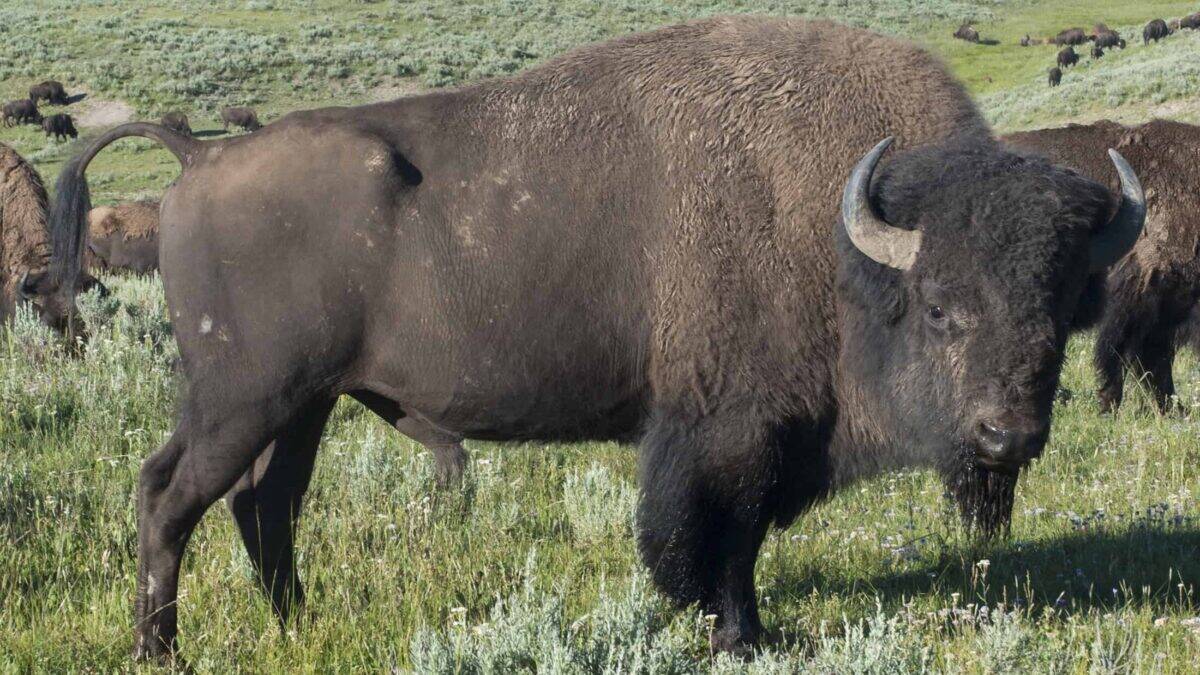
The American bison stands as one of the most iconic symbols in multiple states, including Wyoming, Oklahoma, and Kansas. Once numbering in the tens of millions across North America’s grasslands, these magnificent creatures were hunted to near extinction in the 19th century, with fewer than 1,000 remaining by 1890. Wyoming’s selection of the bison as its official mammal in 1985 recognized not only the animal’s historical significance to the state’s landscape and indigenous cultures but also celebrated its remarkable comeback story.
Conservation efforts beginning in the early 20th century have helped bison populations recover to approximately 500,000 today. The bison’s resilience mirrors America’s own spirit of perseverance, making it a particularly fitting symbol. Standing up to 6.5 feet tall at the shoulder and weighing up to 2,000 pounds, these impressive animals create an unmistakable silhouette on the western horizon, embodying the rugged character of the states they represent. Their adoption as state symbols has helped raise awareness about conservation success stories while honoring the cultural heritage of Native American tribes who have revered the bison for centuries.
California’s Golden Icon: The Grizzly Bear

🔥 Would you like to save this?
We'll email this post to you, so you can come back to it later!
Though grizzly bears no longer roam wild in California, the golden bear remains the state’s most recognizable animal symbol, prominently featured on its flag and seal since 1911. The last California grizzly, a subspecies of the brown bear, was reportedly shot in 1922 in Tulare County, marking the end of these magnificent creatures in the state. Standing up to 8 feet tall when upright and weighing as much as 1,700 pounds, these bears once dominated California’s valleys and mountains, playing a crucial role in the ecosystem and in Native American cultures.
The inspiration for California’s bear came from a specific individual—Monarch, a 1,200-pound grizzly captured in 1889 at the request of newspaper magnate William Randolph Hearst. Monarch lived in captivity at Golden Gate Park until his death in 1911, the same year California adopted its current flag. Though the bear on California’s flag is stylized, its silhouette was influenced by Monarch’s imposing figure. Today, the golden bear serves as a poignant reminder of California’s wild heritage and the importance of conservation, even as it represents a species now extinct within the state’s borders but preserved forever in its symbolism.
Florida’s Gentle Giant: The Manatee

🔥 Would you like to save this?
We'll email this post to you, so you can come back to it later!
In 1975, Florida designated the West Indian manatee (Trichechus manatus) as its state marine mammal, honoring these gentle giants that have become synonymous with Florida’s waterways. Often called “sea cows” for their peaceful grazing habits, manatees can grow up to 13 feet long and weigh more than 1,200 pounds. These herbivores spend up to eight hours daily eating aquatic plants, consuming 10-15% of their body weight in vegetation. Despite their size, manatees are remarkably graceful swimmers, capable of brief bursts of 20 mph though typically cruising at a more leisurely 3-5 mph.
The choice of the manatee as a state symbol was driven partly by concern for their survival. In the 1970s, manatee populations had dwindled dangerously due to boat collisions, habitat loss, and pollution. Their designation helped raise public awareness and strengthen conservation efforts, including the establishment of manatee protection zones and speed limits in key habitats. Today, while still listed as threatened, manatee numbers have increased from just a few hundred in the 1970s to over 7,500 in Florida waters. Their status as a state symbol has transformed them from overlooked creatures to beloved icons, with thousands of visitors coming to Florida specifically to glimpse these unique marine mammals in their natural habitat.
The Industrious Utah Honey Bee

🔥 Would you like to save this?
We'll email this post to you, so you can come back to it later!
Utah’s selection of the honey bee (Apis mellifera) as its state insect in 1983 reflects deep historical and cultural connections rather than simply highlighting a native species. In fact, honey bees were introduced to North America by European settlers in the 17th century. The honey bee holds special significance for Utah, where early Mormon settlers adopted the “beehive” as a symbol of industry and cooperation. This symbolism was so important that “Industry” became the state motto, and a beehive appears prominently on the state seal and flag.
Beyond cultural significance, honey bees play a crucial ecological and economic role in Utah. These industrious insects pollinate approximately $15 billion worth of crops nationwide annually, including Utah’s important fruit orchards and alfalfa fields. A single honey bee colony contains 20,000-60,000 bees, with workers visiting up to 2,000 flowers daily and traveling up to six miles from their hive in search of nectar. Utah beekeepers produce over 1.2 million pounds of honey annually, contributing significantly to the state’s agricultural economy. The bee’s selection as a state symbol has helped raise awareness about pollinator conservation issues, particularly as honey bee populations face threats from parasites, pesticides, and habitat loss—challenges that could impact both Utah’s ecosystem and economy.
The Resilient Alligator of Louisiana
🔥 Would you like to save this?
We'll email this post to you, so you can come back to it later!
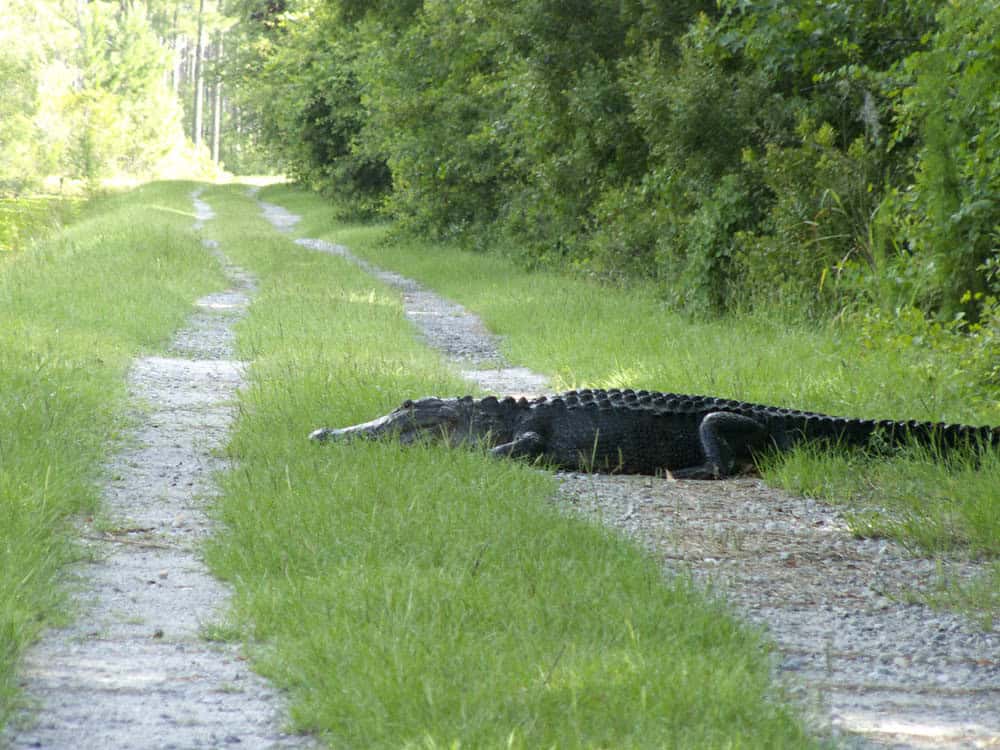
Louisiana’s designation of the American alligator (Alligator mississippiensis) as its state reptile in 1983 celebrates one of conservation’s greatest success stories. These prehistoric-looking creatures have inhabited Louisiana’s swamps and bayous for millions of years, growing up to 13 feet long and weighing up to 800 pounds. By the 1960s, unregulated hunting had driven alligator populations to dangerously low levels, prompting Louisiana to ban alligator hunting in 1962. This protection, combined with subsequent careful management, allowed populations to recover dramatically.
Today, Louisiana hosts the largest alligator population in the United States, estimated at over two million animals. The state now manages a sustainable alligator industry worth approximately $80 million annually, incorporating farming, regulated wild harvests, and tourism. Alligators have become central to Louisiana’s cultural identity, featuring in local cuisine, folklore, and tourism marketing. As apex predators, they play a vital ecological role in maintaining wetland health and biodiversity. Their comeback from near-extinction to abundance demonstrates how effective conservation can balance species protection with economic benefits—a success story proudly represented in Louisiana’s official symbolism.
New Mexico’s Greater Roadrunner: Beyond the Cartoon
🔥 Would you like to save this?
We'll email this post to you, so you can come back to it later!
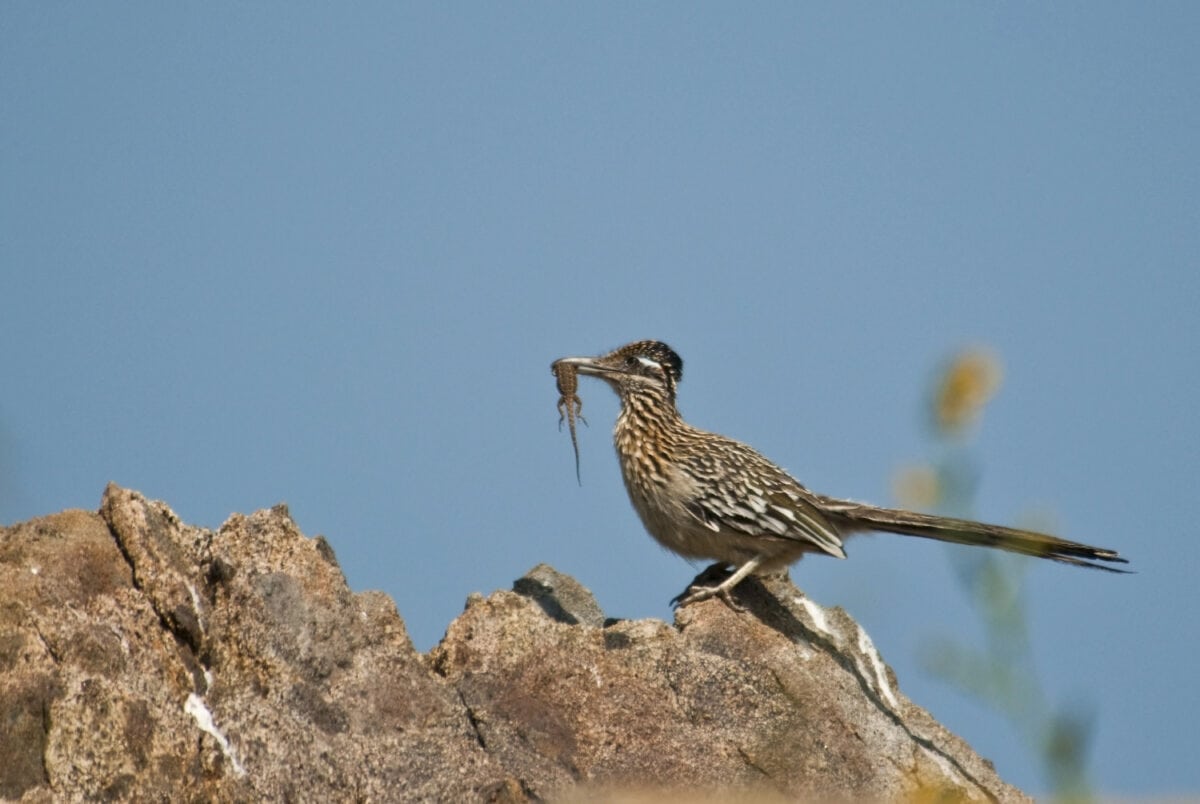
When New Mexico designated the greater roadrunner (Geococcyx californianus) as its state bird in 1949, they selected a creature far more fascinating than its popular cartoon counterpart. Standing about 2 feet tall with a distinctive crest and long tail, these members of the cuckoo family are perfectly adapted to the desert Southwest. Roadrunners can sprint at speeds up to 20 mph (though not the cartoon-exaggerated speeds), using their speed to catch prey including lizards, snakes, insects, and small mammals. Perhaps most impressively, they’re among the few predators capable of catching and killing rattlesnakes, which they accomplish through remarkable teamwork when hunting in pairs.
The roadrunner holds deep cultural significance in New Mexico, appearing in Native American mythologies and art long before becoming a state symbol. Many Pueblo tribes considered the bird sacred, believing its X-shaped footprints confused evil spirits by pointing in four directions. The bird’s adaptability—it can extract sufficient moisture from its prey to survive without drinking water—mirrors the resilience valued in New Mexico’s desert communities. Unlike many state birds that migrate seasonally, roadrunners remain year-round residents, strengthening their symbolic connection to the land. Their selection as New Mexico’s avian ambassador highlights the state’s unique ecosystem and cultural heritage, celebrating a distinctly southwestern character rather than following neighboring states in choosing more common songbirds.
Maryland’s Baltimore Oriole: A Perfect Match
🔥 Would you like to save this?
We'll email this post to you, so you can come back to it later!
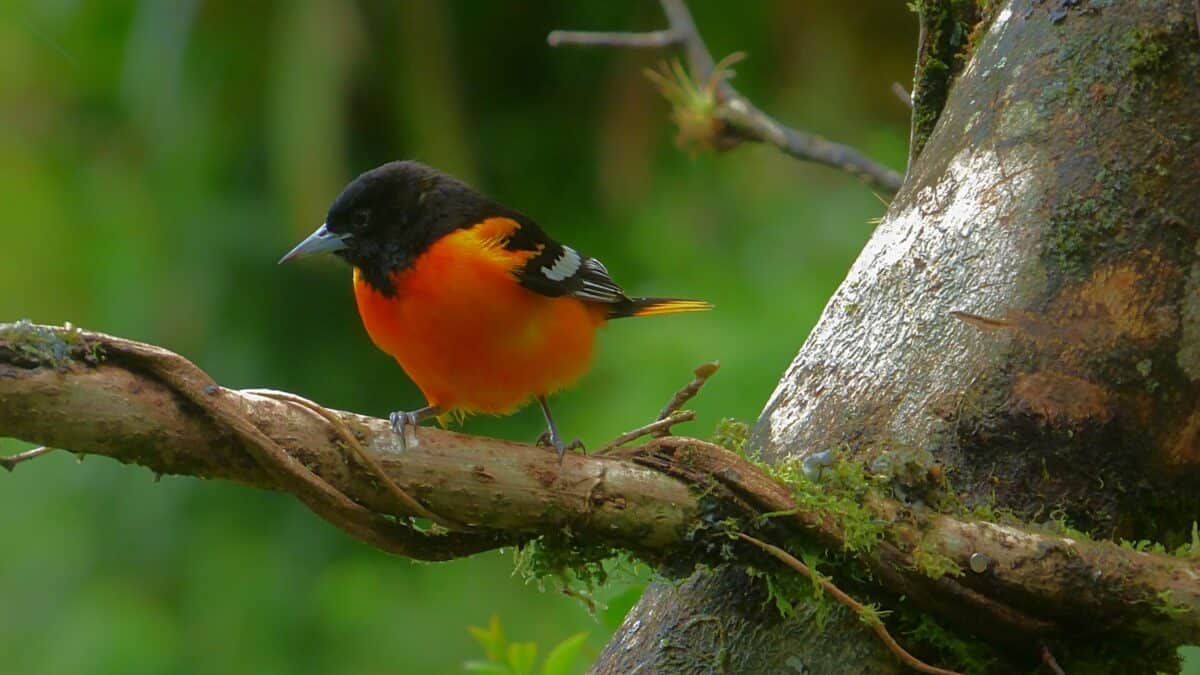
Maryland’s selection of the Baltimore oriole (Icterus galbula) as its state bird in 1947 represents one of the most perfect alignments between a state symbol and state identity in America. The male Baltimore oriole’s striking black and orange plumage exactly matches the colors of Lord Baltimore’s family coat of arms—the same colors that appear on Maryland’s flag and the uniforms of many state sports teams. These vibrant songbirds measure about 8 inches long and weigh less than an ounce, yet their brilliant coloration and flute-like songs make them stand out in Maryland’s forests and suburbs during summer months.
Baltimore orioles undertake an impressive migration, traveling up to 2,000 miles between their breeding grounds in eastern North America and wintering territories in Central and South America. Skilled architects, female orioles weave intricate hanging pouch nests from plant fibers, spending up to a week creating these pendulous nurseries that sway safely from tree branches. While populations have declined by about 42% since the 1970s due to habitat loss and climate change, conservation efforts in Maryland have included educational programs and habitat preservation initiatives. The oriole’s status as state bird has helped raise awareness about these challenges while maintaining a beloved connection between Marylanders and their orange-feathered ambassadors, further strengthened when Baltimore’s professional baseball team adopted the oriole as its mascot in 1954.
The Elusive Wolverine of Michigan

🔥 Would you like to save this?
We'll email this post to you, so you can come back to it later!
Despite being known as “The Wolverine State” since the 1800s and having the University of Michigan’s athletic teams called the Wolverines, Michigan didn’t officially adopt the wolverine (Gulo gulo) as its state mammal until 2006. Ironically, wolverines had been considered extinct in Michigan for over 200 years when the designation occurred. This changed dramatically in 2004 when wildlife researchers confirmed the first wolverine sighting in the state since the early 1800s. This single female wolverine, discovered in Michigan’s Thumb region, became something of a celebrity until her natural death in 2010.
Wolverines are the largest land-dwelling members of the weasel family, weighing up to 55 pounds and known for their disproportionate strength and ferocity. These solitary animals typically roam vast territories spanning up to 500 square miles in search of food. While historically present in Michigan, wolverines were likely never abundant in the state, with habitat loss and fur trapping leading to their disappearance. The designation of the wolverine as Michigan’s state mammal despite its rarity highlights how cultural identity can sometimes outweigh biological presence when it comes to state symbols. The wolverine’s reputation for strength, endurance, and tenacity appealed to Michigan’s self-image, making it a natural choice despite being more common in northern Canada and Alaska than in the Great Lakes State.
Hawaii’s Marine Marvel: The Humuhumunukunukuapua’a
🔥 Would you like to save this?
We'll email this post to you, so you can come back to it later!
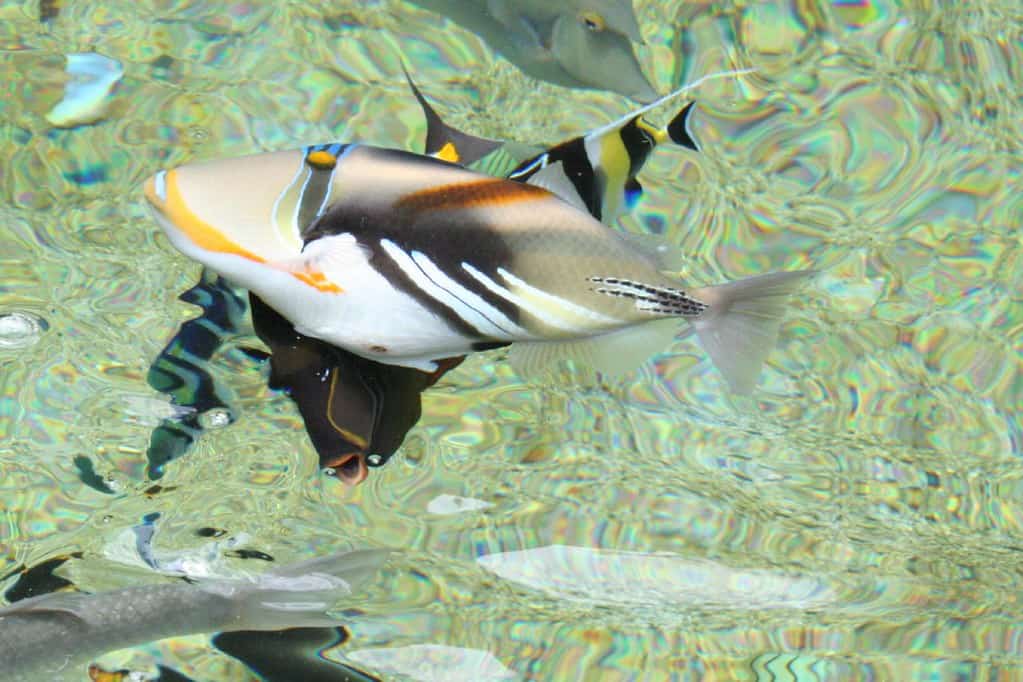
Hawaii made history in 1984 by becoming the first state to designate an official state fish: the reef triggerfish, known locally by its melodious Hawaiian name humuhumunukunukuapua’a (Rhinecanthus rectangulus). The name, which translates roughly to “triggerfish with a snout like a pig,” refers to the grunting sound these colorful fish make when threatened. Growing to about 10 inches long, these distinctive fish feature vibrant coloration—a blue-gray body adorned with horizontal yellow and black stripes, and bold black triangular markings. They populate the coral reefs surrounding all the Hawaiian Islands, typically at depths between 3 and 100 feet.
The humuhumunukunukuapua’a plays an important role in Hawaiian cultural heritage, appearing in traditional chants, legends, and as a common motif in indigenous art. These territorial fish have a fascinating defense mechanism—they can wedge themselves into coral crevices and lock their dorsal “trigger” spine in place, making them nearly impossible for predators to extract. When Hawaii’s state legislature initially designated the fish as a state symbol, they included a sunset provision that expired in 1990. After more than a decade without an official state fish, public enthusiasm (particularly from schoolchildren) led to the permanent reinstatement of the humuhumunukunukuapua’a in 2006. Beyond its cultural significance, this distinctive fish serves as an ambassador for Hawaii’s unique marine ecosystem, helping to raise awareness about coral reef conservation throughout the islands.
Alaska’s Mighty Moose

🔥 Would you like to save this?
We'll email this post to you, so you can come back to it later!
When Alaska designated the moose (Alces alces) as its official state mammal in 1998, it recognized North America’s largest deer species and one of the most iconic animals of the Last Frontier. Alaskan moose are giants among their kind, with bulls standing up to 7 feet tall at the shoulder, weighing up to 1,600 pounds, and sporting antler spreads that can exceed 6 feet across. These impressive antlers, which only males grow, can weigh up to 70 pounds and are shed annually. Alaska is home to approximately 175,000 moose—the largest population of any U.S. state—with the animals distributed across most of the state’s forested regions.
More than just impressive wildlife, moose hold significant practical importance for Alaskans. These animals provide a crucial food source for many rural and indigenous communities, with Alaskans harvesting about 7,000 moose annually, yielding roughly 3.5 million pounds of meat. This subsistence hunting is carefully regulated to maintain sustainable populations. Moose have adapted remarkably well to Alaska’s harsh climate, with specialized features including long legs to navigate deep snow, thick fur that provides insulation in temperatures as low as -60°F, and the ability to browse on woody vegetation when other food sources are scarce. Though generally solitary and peaceful, moose can be dangerous when threatened, causing more injuries to humans in Alaska than bears do. Their selection as the state mammal reflects both their ecological significance and their importance to Alaska’s cultural identity.
North Carolina’s Gray Squirrel: Small But Significant
🔥 Would you like to save this?
We'll email this post to you, so you can come back to it later!
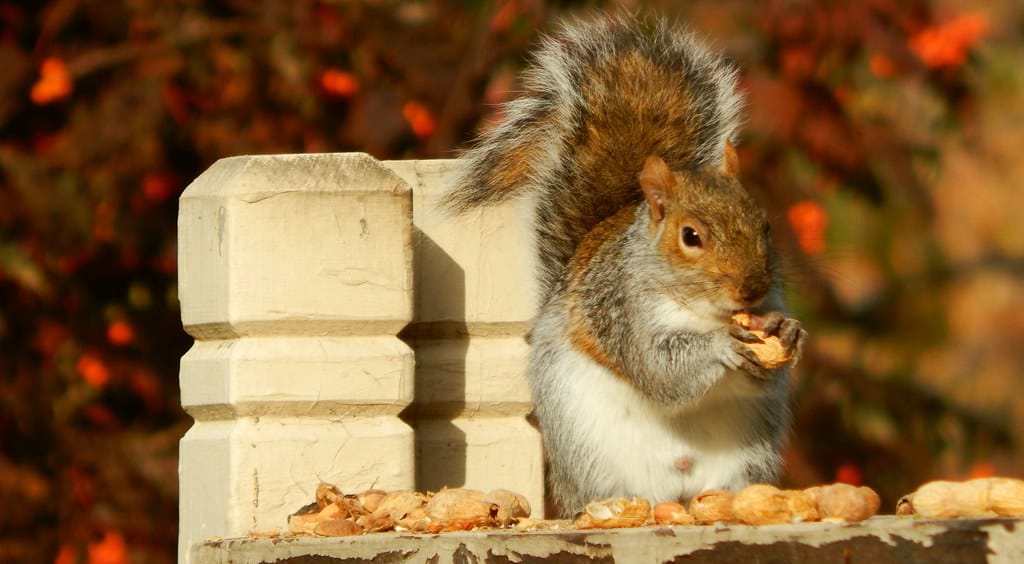
In 1969, North Carolina became the only state to designate the eastern gray squirrel (Sciurus carolinensis) as its official state mammal. This choice, initially proposed by schoolchildren, might seem surprising given the abundance of these small rodents across eastern North America. However, the gray squirrel plays a surprisingly significant ecological role in North Carolina’s diverse forests. These prolific planters bury thousands of nuts and seeds annually, remembering the locations of about 80% of their caches. The forgotten 20% often germinate, making squirrels one of the most important tree-planting animals in North Carolina’s forests.
Eastern gray squirrels typically weigh between 1-1.5 pounds and live 6-10 years in the wild, though some have reached 20 years in protected environments. They construct two types of nests: summer “dreys” made of twigs and leaves in tree branches, and more substantial winter dens in tree cavities lined with insulating materials. These adaptable animals have successfully inhabited both rural forests and urban parks throughout North Carolina. While some may view them as common backyard creatures, their designation as a state symbol encourages North Carolinians to appreciate even familiar wildlife. The selection of the gray squirrel reflects the state’s commitment to recognizing how even smaller, everyday species contribute significantly to forest ecology and biodiversity—a reminder that conservation isn’t only about charismatic megafauna.
Conclusion: Wildlife Ambassadors of American Identity

🔥 Would you like to save this?
We'll email this post to you, so you can come back to it later!
State animal symbols serve as more than just decorative emblems—they function as wildlife ambassadors that connect citizens to their natural heritage and ecological responsibilities. From endangered species like Florida’s manatee to abundant creatures like North Carolina’s gray squirrel, these officially recognized animals often benefit from increased conservation attention and public awareness that comes with their symbolic status. Many state animal designations have fascinating stories behind them, whether reflecting successful conservation comebacks like Louisiana’s alligator or cultural significance like Utah’s honey bee.
These symbols often reflect the unique ecological character and cultural values of each state, fostering a sense of pride and stewardship among residents. By choosing animals that are either ecologically significant, economically important, or culturally cherished, states highlight the vital role wildlife plays in their identity and heritage. Moreover, these designations provide educational opportunities, encouraging younger generations to learn about and protect the creatures that symbolize their home.
In an age of growing environmental challenges, state animal symbols remind us that wildlife conservation begins at the local level. They inspire citizens to appreciate the diversity in their own backyards and to take action to protect it. As enduring emblems of regional pride and natural beauty, these animals continue to bridge the gap between culture and conservation, ensuring that the stories of America’s wild heritage remain alive for generations to come.

From exploring the marine wonders in the Azores and witnessing the vast savannas of Kenya, to delving deep into the rich biodiversity of South Africa and traversing iconic landscapes in Australia and the US like Yellowstone, Chris's experiences are vast.
With a penchant for diving alongside sharks, the ocean holds a special place in his heart.
Through his academic insights, he champions wildlife conservation, striving with 'Animals Around The Globe' to cultivate a profound connection between humans and animals, enhancing our mutual appreciation.
Connect with him at Feedback@animalsaroundtheglobe.com.
- 15 Wild Animals You Might Spot in U.S. National Parks - November 5, 2026
- Top 10 Animals and Wildlife in Hawaii - November 4, 2026
- Top 10 Animal Encounters in Europe - November 3, 2026