


The natural world is ever-changing, and unfortunately, the rapid rate of human expansion, habitat destruction, and climate change has led to the extinction of numerous species. Here, we explore 15 recently extinct animals, serving as a somber reminder of the delicate balance of our ecosystems.
1. Spix’s Macaw

🔥 Would you like to save this?
We'll email this post to you, so you can come back to it later!
Famously known as the inspiration for the animated movie Rio, the Spix’s Macaw was declared extinct in the wild in 2000. Native to Brazil, its vibrant blue feathers and captivating presence couldn’t save it from deforestation and the illegal pet trade. Conservation efforts continue in captivity, with hopes of reintroducing the bird to its natural habitat.
2. Pinta Island Tortoise

(Chelonoidis nigra abingdoni)
Portrait
Controlled conditions
Extinct
Santa Cruz Island, Galapagos, Ecuador
🔥 Would you like to save this?
We'll email this post to you, so you can come back to it later!
Lonesome George, the last known individual of the Pinta Island Tortoise, died in 2012, marking the species’ extinction. Native to the Galápagos Islands, these tortoises suffered greatly from overexploitation and habitat loss due to human activity and introduced species.
3. Yangtze River Dolphin

🔥 Would you like to save this?
We'll email this post to you, so you can come back to it later!
Also known as the Baiji, this freshwater dolphin was declared functionally extinct in 2006. Rapid industrialization, overfishing, and pollution in the Yangtze River contributed to its decline, making it one of the first dolphin species driven to extinction by human activity.
4. Western Black Rhinoceros

🔥 Would you like to save this?
We'll email this post to you, so you can come back to it later!
Declared extinct in 2011, the Western Black Rhinoceros was a subspecies of the black rhinoceros native to Cameroon. Poaching for their horns, driven by the high value in traditional medicine and as status symbols, led to their demise despite conservation efforts.
5. Christmas Island Pipistrelle

🔥 Would you like to save this?
We'll email this post to you, so you can come back to it later!
This small bat species endemic to Christmas Island was declared extinct in 2009. Habitat destruction, predation by invasive species, and disease were major factors in its extinction, despite urgent conservation attempts.
6. Pyrenean Ibex

🔥 Would you like to save this?
We'll email this post to you, so you can come back to it later!
The Pyrenean Ibex, a subspecies of the Spanish ibex, was declared extinct in 2000 when the last known individual was found dead. Efforts to clone the species resulted in the birth of a cloned ibex in 2009, but it died shortly after birth, making it the first species to become extinct twice.
7. Formosan Clouded Leopard

🔥 Would you like to save this?
We'll email this post to you, so you can come back to it later!
Native to Taiwan, the Formosan Clouded Leopard was declared extinct in 2013. Extensive deforestation and hunting for its beautiful pelts led to its decline. Efforts to confirm sightings have continued, but none have been verified, suggesting it is likely lost forever.
8. Bramble Cay Melomys

🔥 Would you like to save this?
We'll email this post to you, so you can come back to it later!
This small rodent, native to a tiny island in the Great Barrier Reef, was declared extinct in 2016. Rising sea levels and severe weather events, exacerbated by climate change, led to the destruction of its habitat, making it the first mammal to go extinct due to human-induced climate change.
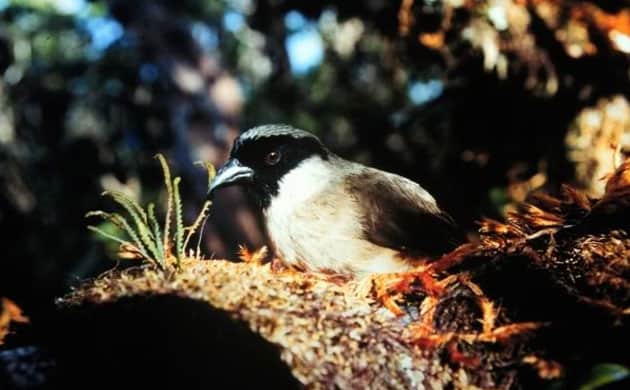
9. Poʻouli
🔥 Would you like to save this?
We'll email this post to you, so you can come back to it later!
The Poʻouli, or Black-faced Honeycreeper, was native to Maui in Hawaii and was declared extinct in 2004. Habitat loss, disease, and predation by introduced species decimated their populations. Conservation efforts failed to save the remaining individuals in time.
10. Tecopa Pupfish

🔥 Would you like to save this?
We'll email this post to you, so you can come back to it later!
This small fish, native to the hot springs of Tecopa in California, was declared extinct in 1981. Habitat modification due to the development of bathhouses and the introduction of non-native species contributed to its rapid decline.
11. Japanese River Otter

🔥 Would you like to save this?
We'll email this post to you, so you can come back to it later!
Last seen in the 1970s, the Japanese River Otter was declared extinct in 2012. Overhunting for fur, pollution, and habitat destruction due to urban development were the primary causes of its extinction. The loss of this subspecies highlighted the need for better environmental protections in Japan.
12. Northern White Rhinoceros

🔥 Would you like to save this?
We'll email this post to you, so you can come back to it later!
Although not yet officially declared extinct, the Northern White Rhinoceros is functionally extinct, with only two females remaining as of 2021. Poaching and habitat loss have decimated their populations. Scientists are exploring advanced reproductive technologies to try and revive the subspecies.
13. Madeiran Large White

🔥 Would you like to save this?
We'll email this post to you, so you can come back to it later!
This butterfly species, native to Madeira, was declared extinct in 2007. Habitat destruction due to agricultural expansion and the use of pesticides were significant factors in its extinction. Its loss is a reminder of the delicate balance required for insect populations.
14. Golden Toad

🔥 Would you like to save this?
We'll email this post to you, so you can come back to it later!
The golden toad, native to Costa Rica’s cloud forests, was last seen in 1989 and declared extinct in 2004. Climate change, disease, and habitat loss contributed to its extinction, making it a symbol of the fragility of amphibian populations worldwide.
15. Zanzibar Leopard

🔥 Would you like to save this?
We'll email this post to you, so you can come back to it later!
Believed extinct since the 1990s and declared so in 2018, the Zanzibar Leopard was native to Unguja Island in the Zanzibar archipelago. It was driven to extinction by hunting and habitat loss due to human encroachment. Some unverified sightings offer a glimmer of hope, but it is likely lost forever.
Conclusion

🔥 Would you like to save this?
We'll email this post to you, so you can come back to it later!
The extinction of these 15 species underscores the urgent need for conservation efforts and sustainable practices. Each species plays a unique role in its ecosystem, and their loss has lasting impacts on biodiversity. By learning from these tragedies, we can work towards protecting the remaining flora and fauna, ensuring that future generations can enjoy the rich diversity of life on Earth. The stories of these extinct animals should serve as a wake-up call to prioritize and invest in conservation before more species follow the same fate. I hope this article helped bring light to the impact of human activities on the environment. To read more like this, check out the articles below:
- 9 Animals That Have Gone Extinct During Your Lifetime
- 10 Extinct Animals You’ve Never Heard Of
- Are Sumatran Tigers Extinct? Science Thinks No

adventuring, photography and videography. I am currently working towards a BSc in Biodiversity and Ecology at Stellenbosch University to go on to specialise in Marine Sciences one day.
Please send any feedback to Feedback@animalsaroundtheglobe.com
- 26 Most Dangerous Snakes Found in North America - October 19, 2026
- 21 Things Not to Feed Your Pet Dog - October 18, 2026
- 10 Sacred Native American Sites in North America - October 16, 2026