


Something rare and wonderful is happening in the dense, thorny thickets of South Texas. Researchers at the Laguna Atascosa National Wildlife Refuge have confirmed sightings of at least 22 ocelots over the past two years—a record number for these elusive cats.
Considering that ocelots are basically nature’s stealth ninjas—silent, camouflaged, and mostly nocturnal—spotting even one is a big deal. Seeing 22? That’s practically a parade. The news has wildlife experts and conservationists grinning from ear to ear.
The findings are a major success story for conservation efforts in a region where habitat loss had once pushed these beautiful animals to the brink.
The Ocelot: A Feline Phantom
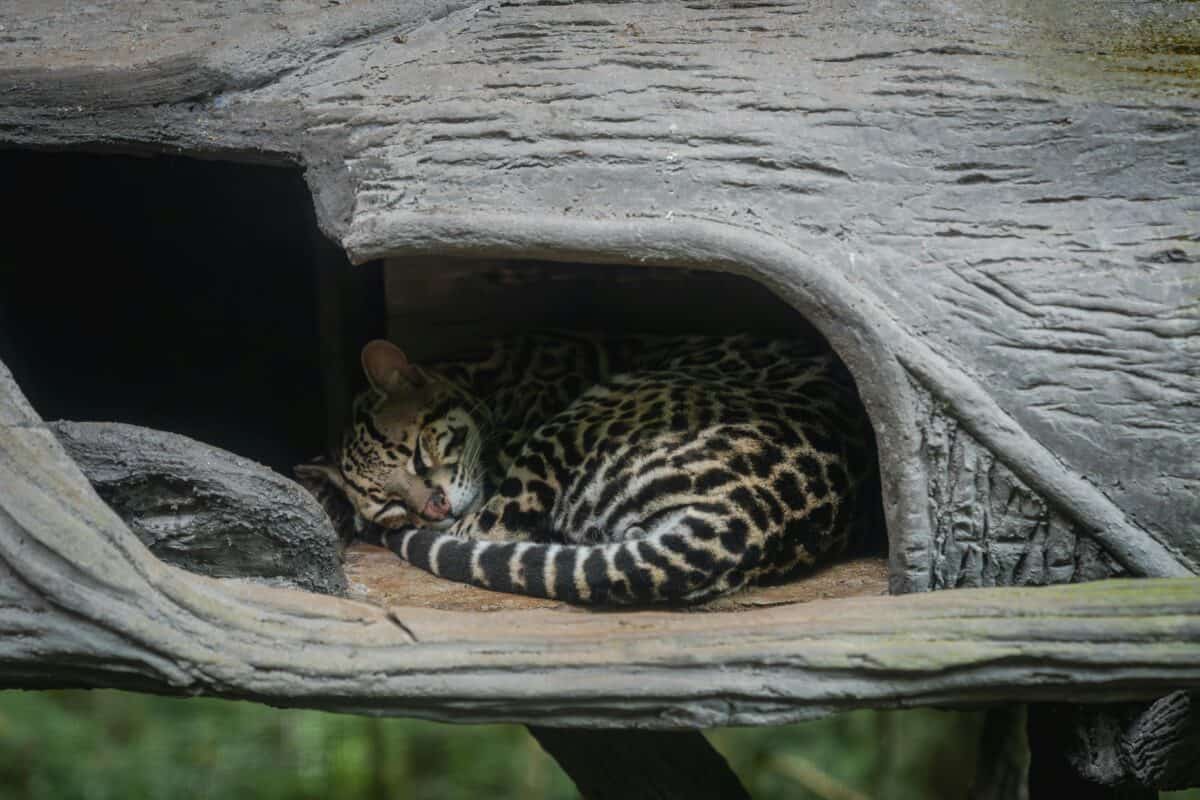
If you’ve never seen an ocelot, imagine a house cat crossed with a jaguar that went on a diet. Weighing up to 16 kilograms (35 pounds) and stretching up to 1 meter (3.5 feet) long, these wildcats are draped in golden fur decorated with dark rosettes and stripes—basically, runway models for the animal kingdom.
Ocelots used to roam much of the southern United States, but their numbers had crashed by the 20th century. Habitat loss from farming and urban expansion, combined with illegal hunting for their fancy fur, pushed ocelots into tiny pockets of survival.
Today, the thornscrub brushlands of South Texas are one of the last places in the U.S. where these cats call home.
Conservation Efforts Paying Off

The record number of sightings didn’t happen by accident. It’s the result of years of intense, boots-on-the-ground conservation work. The team at the Caesar Kleberg Wildlife Research Institute, along with refuge managers like Brandon Jones, has been out there installing trail cameras, analyzing fur patterns like detectives at a crime scene, and protecting key habitats.
One of their secret weapons? Recognizing that every ocelot’s coat is unique—like a fingerprint. Researchers like Elizabeth Grunwald and student Hunter Vasquez painstakingly catalog each cat’s markings to track who’s who in the dense brush.
Thanks to these efforts, they’ve been able to spot more individuals than ever before—giving hope that the South Texas ocelot population might finally be on the upswing.
Challenges Ahead
Of course, it’s not all sunshine and roses (or thornscrub and mesquite, in this case). Even with the good news, only about 120 ocelots are believed to survive in the wilds of South Texas. That’s not a lot when you consider the threats still lurking.
Habitat loss remains a huge problem, as does road mortality—yes, even these ninja-like cats aren’t quick enough to dodge speeding trucks. Diseases, shrinking territory, and genetic bottlenecking are also serious concerns.
Conservationists stress that protecting the remaining thornscrub habitat is crucial. Without it, the ocelots’ future could still slip through our fingers.
How You Can Help
Want to be part of the comeback story? Conservationists suggest a few ways regular folks can pitch in:
- Support wildlife organizations working on habitat restoration projects.
- Spread awareness about endangered species like the ocelot.
- Drive cautiously in wildlife zones—especially at night.
- Advocate for wildlife corridors to help animals safely cross roads and highways.
A little effort goes a long way. If we play our cards right, South Texas might just stay home to America’s most fashionable wildcat for generations to come.

- Texas Ranchers Injured and Horses Killed in Aggressive Bee Attack - July 19, 2026
- Cougar Attack on Cyclists Shakes Washington Wilderness - July 19, 2026
- Snake Found in Arizona Toilet Shocks Homeowner - July 19, 2026