


Florida’s gentle sea cows, the manatees, are facing a multitude of challenges that threaten their very existence. These docile marine mammals, once abundant in Florida’s warm coastal waters, have experienced alarming population declines in recent years. Between 2020 and 2023, over 2,000 manatees died in Florida’s waters—an unprecedented mortality event that has raised serious concerns among conservationists, scientists, and wildlife officials.
From disappearing seagrass beds to increasing boat traffic, manatees are struggling against both natural and human-induced threats. This article explores the complex factors contributing to the manatee crisis in Florida, the current conservation efforts, and what the future may hold for these beloved aquatic mammals.
The Historical Context of Florida’s Manatee Population

Manatees have been an integral part of Florida’s aquatic ecosystem for thousands of years. These large, herbivorous mammals, scientifically known as Trichechus manatus latirostris (Florida manatee), are a subspecies of the West Indian manatee. Historically, they thrived throughout Florida’s rivers, springs, and coastal waters. Indigenous peoples and early European explorers documented large numbers of manatees, sometimes gathering in herds of hundreds.
By the mid-20th century, however, hunting and habitat loss had severely reduced their numbers to just a few hundred individuals. This decline prompted their protection under the Endangered Species Act in 1973, which helped the population gradually recover to approximately 7,520 animals by 2019. Unfortunately, recent years have seen a dramatic reversal of this recovery trend, throwing manatees into a new crisis.
The Seagrass Crisis: A Fundamental Threat

At the heart of the current manatee crisis lies the devastating loss of seagrass—the primary food source for these herbivorous mammals. An adult manatee consumes 4-9% of its body weight daily in aquatic vegetation, translating to 100-200 pounds of seagrass per day. The Indian River Lagoon, a critical manatee habitat along Florida’s Atlantic coast, has lost an estimated 90% of its seagrass coverage since 2009.
This catastrophic decline is primarily driven by poor water quality and harmful algal blooms that block sunlight from reaching the underwater plants. Without adequate seagrass, manatees face starvation, weakened immune systems, and decreased reproductive success. During the winter of 2020-2021 alone, more than 200 manatees died of starvation in the Indian River Lagoon area, prompting wildlife officials to declare an Unusual Mortality Event (UME) that continues today.
Water Pollution and Harmful Algal Blooms
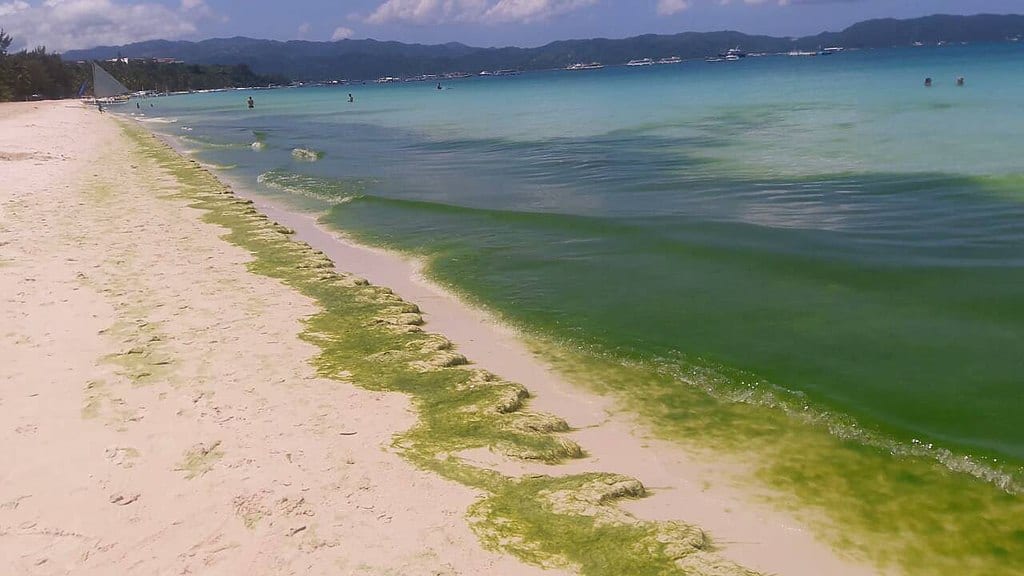
Water pollution represents one of the most pervasive threats to manatee survival in Florida. Excessive nutrients, particularly nitrogen and phosphorus from agricultural runoff, septic tank leakage, and urban development, fuel massive algal blooms in Florida’s waterways. These nutrients come from fertilizers, wastewater, and stormwater runoff. When these blooms occur, they create a dangerous cascade of effects: the algae block sunlight, killing seagrass beds; as the algae die and decompose, they deplete oxygen in the water, potentially creating dead zones; and some bloom species produce toxins harmful to manatees and other wildlife.
The frequency and intensity of these harmful algal blooms have increased dramatically in recent decades. Red tide events along Florida’s Gulf Coast have become particularly deadly for manatees, with a single red tide outbreak in 2013 claiming over 100 manatee lives. The toxins from these blooms can cause neurological damage when manatees breathe the airborne toxins or consume contaminated water and food.
Watercraft Collisions: A Persistent Danger

Despite increased regulatory protection, watercraft collisions remain one of the leading causes of manatee mortality in Florida. These slow-moving mammals, which typically swim at 3-5 mph, are no match for the speed of motorboats that can easily exceed 20-30 mph in Florida’s busy waterways. In 2021, at least 103 manatees died from watercraft strikes, and nearly every adult manatee bears scars from previous encounters with boats. Propeller blades inflict deep, often fatal cuts, while impact with boat hulls can cause crushing internal injuries and broken bones.
The problem has worsened as Florida’s human population and recreational boating have increased—the state now has over 1 million registered vessels. Manatees are particularly vulnerable during cold months when they congregate in warm-water refuges, creating high-density areas where boats and manatees frequently share the same narrow waterways. Despite manatee protection zones with speed restrictions covering many critical habitats, compliance issues and enforcement challenges persist.
Loss of Warm-Water Habitats
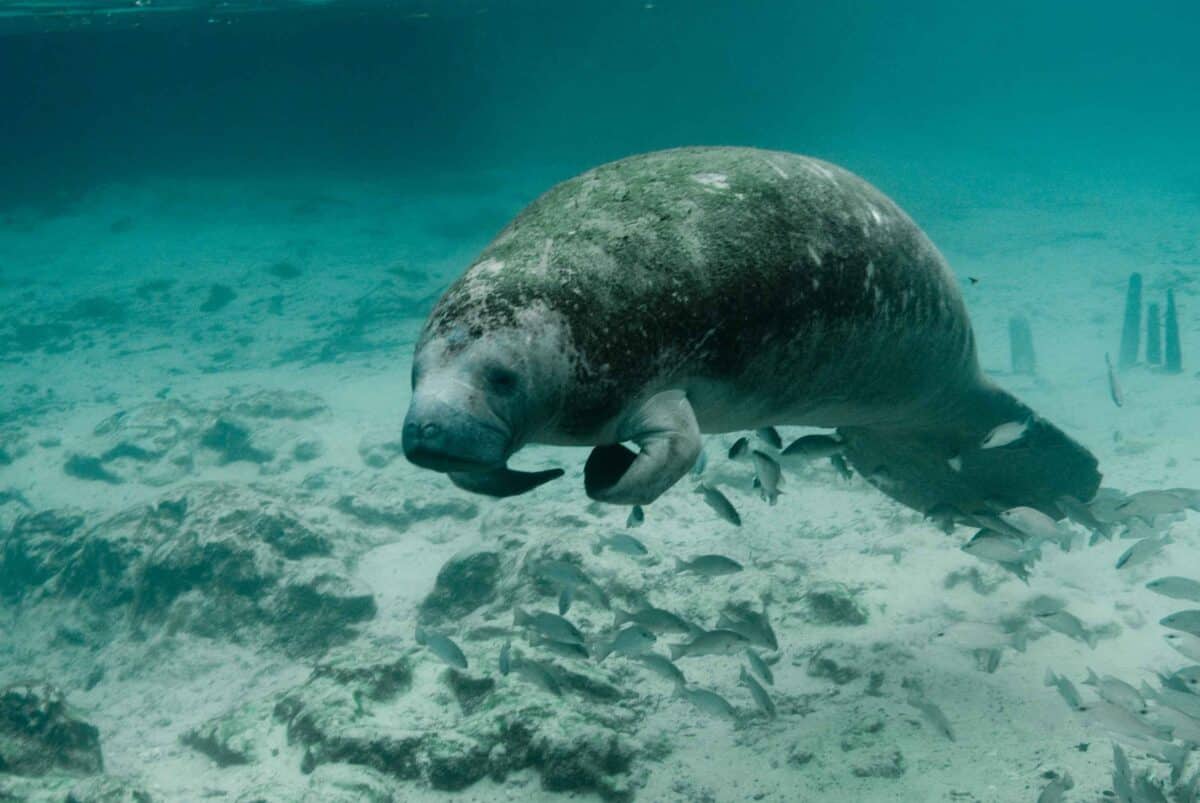
Manatees are tropical mammals with little tolerance for cold water. When water temperatures drop below 68°F (20°C), they become susceptible to cold stress syndrome, which can be fatal. Historically, Florida manatees relied on natural warm-water springs to survive winter months. However, many of these springs have been altered, developed, or experience reduced flow due to groundwater extraction. Today, approximately 60% of the manatee population winters near artificial warm-water outflows from power plants—a problematic dependency as these aging plants face potential closure or modernization.
The FPL Riviera Beach power plant alone provides winter refuge for hundreds of manatees. If these artificial warm-water sites disappear without alternative habitats being established, thousands of manatees could die from cold stress. This thermal habitat loss presents a looming threat that could dramatically reduce manatee numbers over a short period, especially as climate change creates more extreme and unpredictable winter cold snaps in Florida.
The Impact of Climate Change
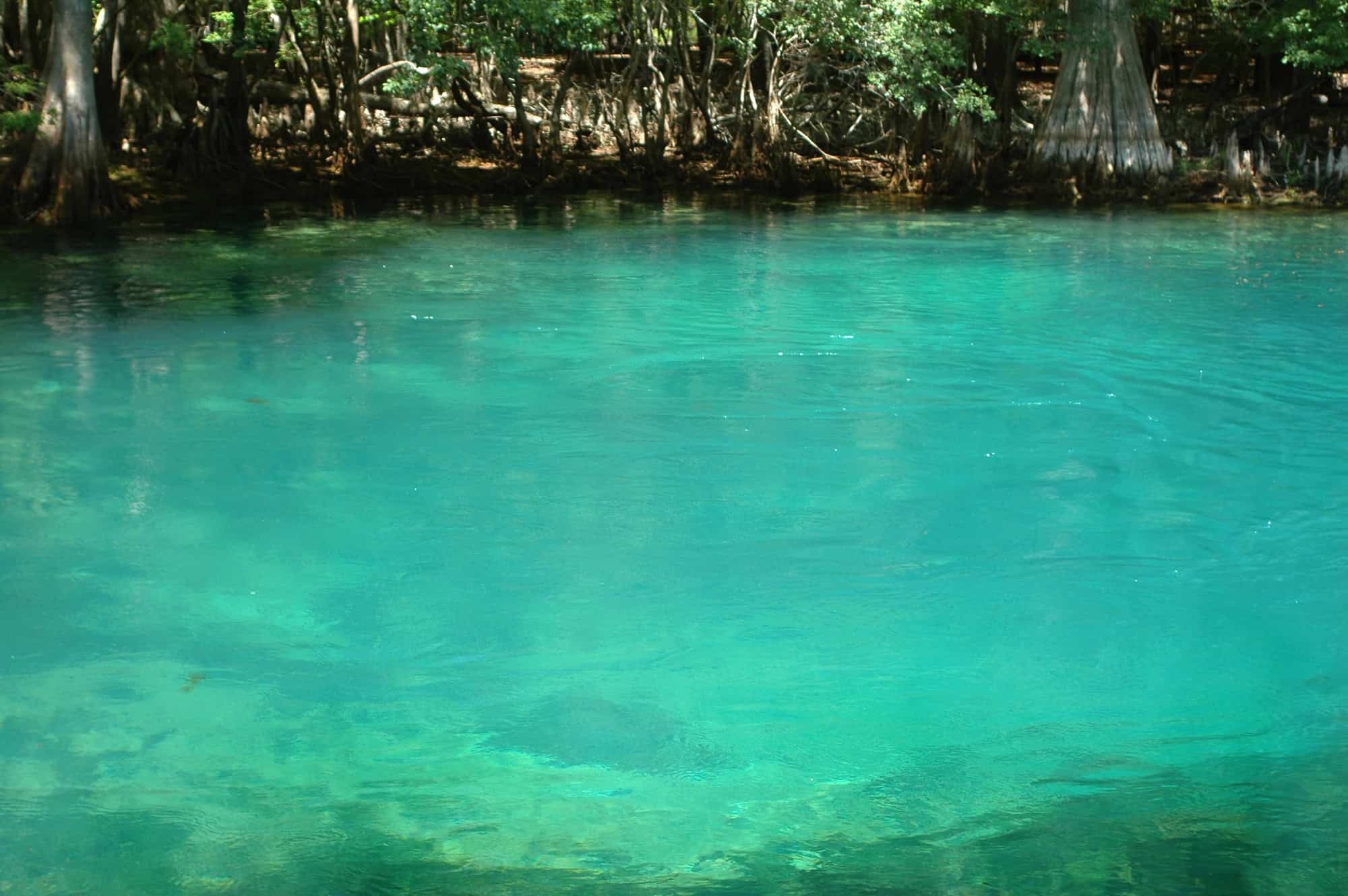
Climate change presents a complex array of threats to Florida’s manatees. Rising sea levels are altering coastal ecosystems and reducing available habitat. More frequent and intense storms, another consequence of climate change, can physically destroy seagrass beds through wave action and sediment disturbance. Additionally, warming waters are changing the distribution of plant species and potentially increasing the frequency and duration of harmful algal blooms. Climate change also brings more extreme weather patterns, including severe cold snaps that can kill manatees that haven’t migrated to warm-water refuges. The unpredictability of these cold events makes them particularly dangerous. Ocean acidification, caused by rising atmospheric CO2 levels, may also impact the quality and quantity of manatees’ food sources by changing water chemistry. These climate-related stressors compound existing threats, creating a more hostile environment for manatee survival and recovery.
Manatee Health Issues and Emerging Diseases
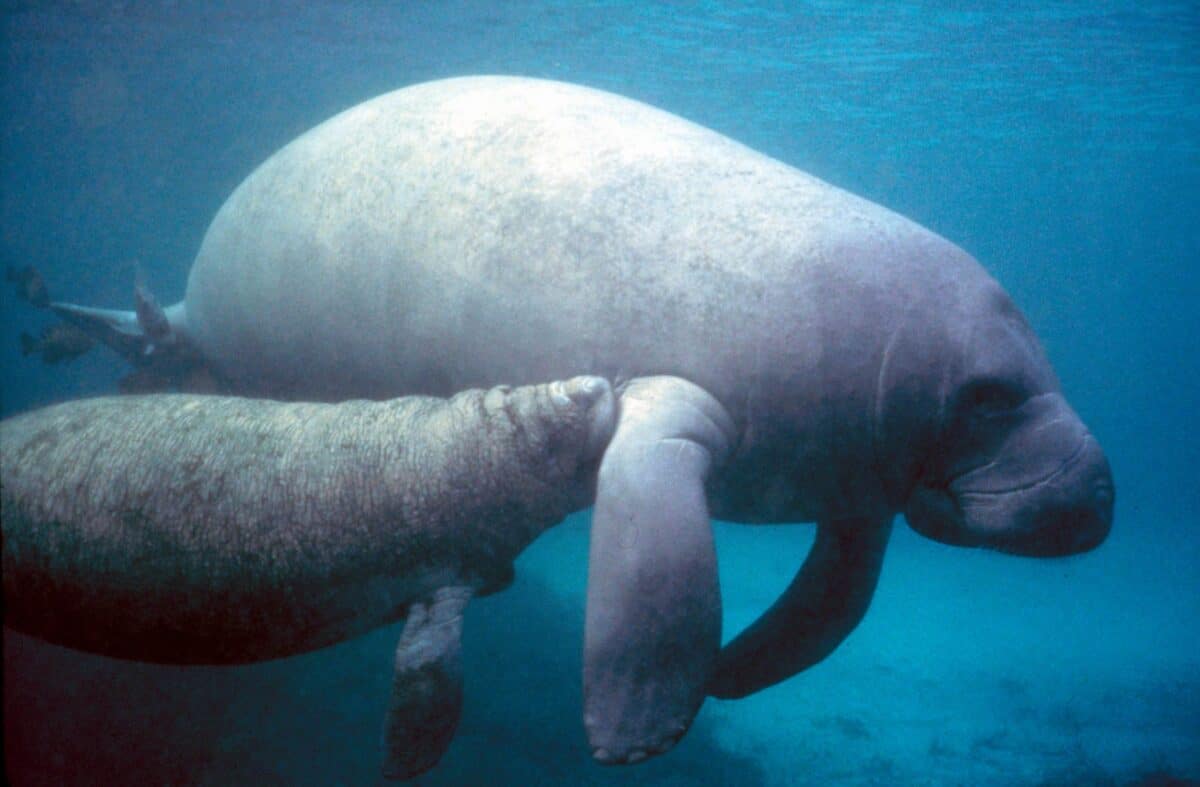
Beyond the visible threats of starvation and boat strikes, manatees face a range of health challenges that complicate conservation efforts. Cold stress syndrome affects manatees exposed to prolonged cold temperatures, causing skin lesions, weight loss, internal abscesses, and often death. Toxic algal blooms not only destroy food sources but also directly impact manatee health—red tide toxins can cause seizures and paralysis. Manatees also contend with various infectious diseases, including papillomavirus, which causes skin lesions, and pneumonia from fungal and bacterial infections.
Human-related contaminants like pesticides, heavy metals, and pharmaceutical residues present in Florida’s waters may compromise manatee immune systems and reproductive health. Recently, researchers have documented concerning levels of antibiotic-resistant bacteria in wild manatees, potentially from wastewater contamination. These health challenges are particularly problematic for a species with a naturally low reproductive rate—female manatees typically have only one calf every 2-5 years, making population recovery from mass mortality events extremely slow.
Manatee Rescue and Rehabilitation Efforts

As manatee threats have intensified, so too have rescue and rehabilitation efforts. Florida’s manatee rescue network includes the Florida Fish and Wildlife Conservation Commission (FWC), U.S. Fish and Wildlife Service, and specialized facilities like SeaWorld Orlando, ZooTampa at Lowry Park, Jacksonville Zoo, and Miami Seaquarium. These organizations respond to reports of injured, orphaned, or distressed manatees, providing emergency care and long-term rehabilitation. During the recent Unusual Mortality Event, these facilities have operated at or beyond capacity.
A typical manatee rehabilitation can last months or even years, especially for orphaned calves that must be taught survival skills. The costs are substantial—rehabilitating one manatee can exceed $15,000, with complex cases costing much more. In an unprecedented move to address starvation, wildlife officials initiated a supplemental feeding program in 2021-2022, providing over 200,000 pounds of lettuce to manatees at key locations—marking the first official feeding program for wild manatees in U.S. history. While these rescue efforts save individual lives, they cannot address the underlying habitat issues causing the crisis.
Legal Protections and Their Effectiveness
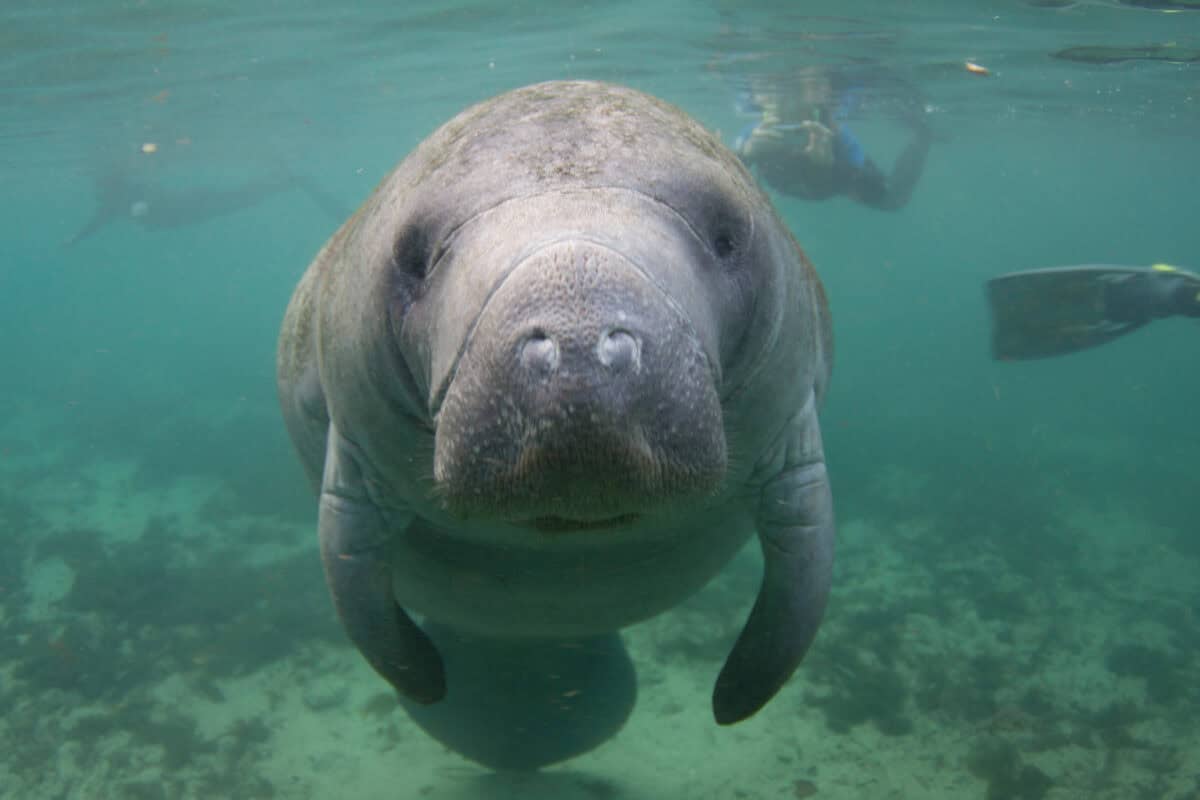
Manatees benefit from multiple layers of legal protection. They are protected under the federal Marine Mammal Protection Act and Endangered Species Act, as well as Florida’s Manatee Sanctuary Act. In 2017, the U.S. Fish and Wildlife Service downlisted manatees from “endangered” to “threatened”—a controversial decision that some conservation groups argued was premature. Current protections include regulations on boat speeds in designated manatee zones, restrictions on waterfront development in key habitats, and legal penalties for harassing or harming manatees. Despite these protections, enforcement challenges remain significant.
Florida’s extensive waterways make comprehensive monitoring nearly impossible, and funding limitations restrict the number of law enforcement officers patrolling manatee protection zones. Additionally, penalties for violations are often insufficient to deter repeat offenders. Many conservationists argue that existing regulations need stronger enforcement and that additional protections are necessary to address emerging threats like water quality degradation and warm-water habitat loss.
Restoration Initiatives for Seagrass and Water Quality

Recognizing that manatee recovery depends on habitat restoration, numerous initiatives focus on improving water quality and restoring seagrass beds. The Comprehensive Everglades Restoration Plan represents one of the largest ecosystem restoration efforts, aiming to restore natural water flow patterns that benefit water quality throughout South Florida. More targeted efforts include the Indian River Lagoon National Estuary Program, which coordinates pollution reduction strategies in this critical manatee habitat. In Tampa Bay, where water quality improvements have allowed seagrass to recover somewhat, partnerships between government agencies, utilities, and private stakeholders have demonstrated that restoration is possible with sustained effort.
Experimental seagrass replanting programs are underway in several locations, though scientists acknowledge that replanting alone cannot succeed without addressing underlying water quality issues. Advanced wastewater treatment technologies, septic-to-sewer conversion programs, and stricter fertilizer ordinances are being implemented in many Florida communities to reduce nutrient pollution. Despite these efforts, the scale of investment remains insufficient to match the magnitude of the problem, with estimates suggesting that comprehensive restoration would require billions in additional funding.
Public Awareness and Citizen Involvement

Public support plays a crucial role in manatee conservation. Educational programs at schools, nature centers, and online platforms help raise awareness about manatee challenges and inspire protective behaviors. The Save the Manatee Club, founded by singer Jimmy Buffett and former Florida Governor Bob Graham, leads many outreach initiatives including their Adopt-A-Manatee program. Citizen science projects engage the public in manatee conservation—volunteers help with population surveys, report sightings through the FWC’s mobile app, and participate in seagrass monitoring programs.
Community-based efforts to reduce pollution include storm drain marking, shoreline cleanups, and residential fertilizer reduction campaigns. Tourism centered around manatee viewing brings economic benefits while creating manatee advocates, particularly at Crystal River where visitors can legally observe manatees in their natural habitat. Research shows that these personal encounters significantly increase visitors’ conservation knowledge and willingness to support protective measures. However, conservation organizations emphasize that public enthusiasm must translate to political action and policy change to address the systemic issues threatening manatees.
Scientific Research and Monitoring Advancements
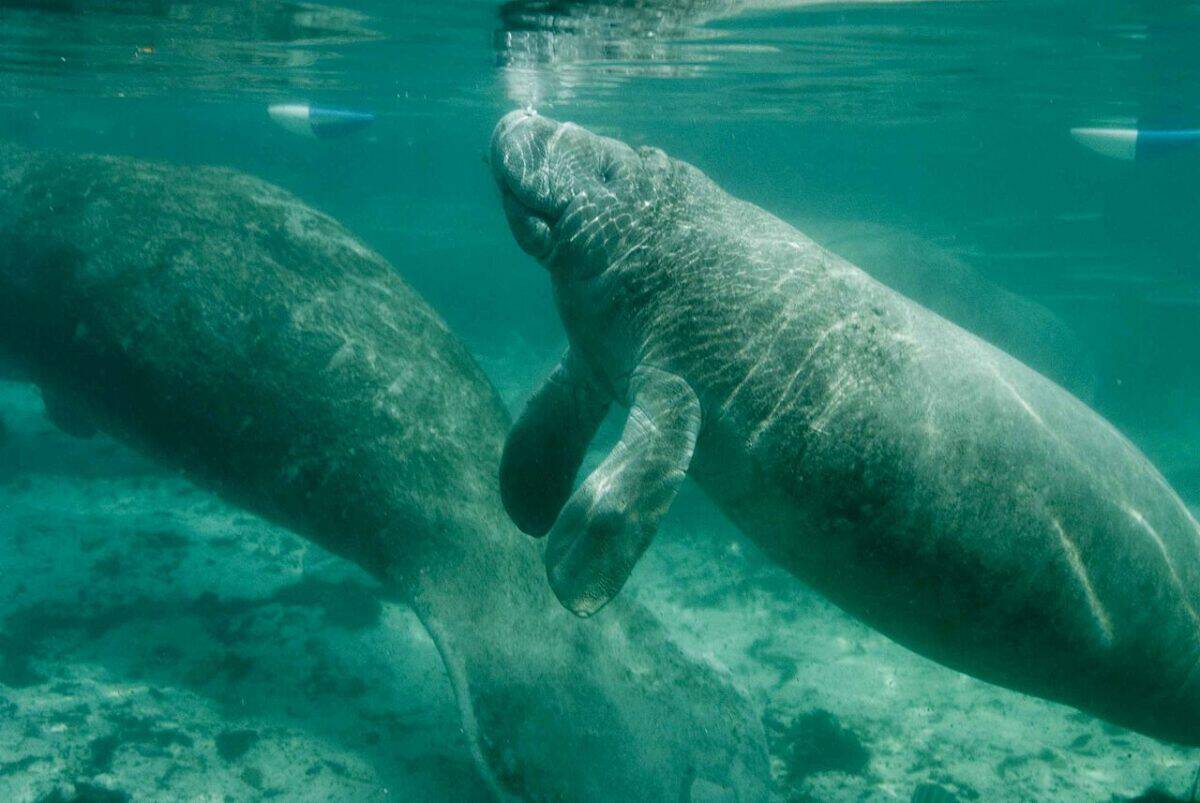
Scientific understanding of manatee ecology and threats continues to evolve through innovative research. Aerial surveys using improved methodologies provide more accurate population estimates, while GPS tracking devices yield detailed information about manatee movements, habitat use, and migration patterns. Health assessments of wild manatees help scientists monitor disease prevalence and physiological responses to environmental stressors. Genetic research has enhanced understanding of manatee population structure and potential vulnerability to inbreeding. Technologies like environmental DNA (eDNA) detection allow researchers to identify manatee presence in water bodies without direct observation.
Advancements in water quality monitoring, including satellite imagery and automated sampling stations, enable better tracking of conditions affecting manatee habitat. Acoustic monitoring helps document underwater boat traffic in manatee areas, informing management decisions about speed zones. The FWC’s manatee mortality investigations have become increasingly sophisticated, with comprehensive necropsies revealing detailed cause-of-death information that guides conservation priorities. Despite these advances, significant knowledge gaps remain, particularly regarding the sublethal effects of multiple stressors and the most effective restoration approaches for degraded habitats.
The Future of Florida’s Manatees: Challenges and Hope
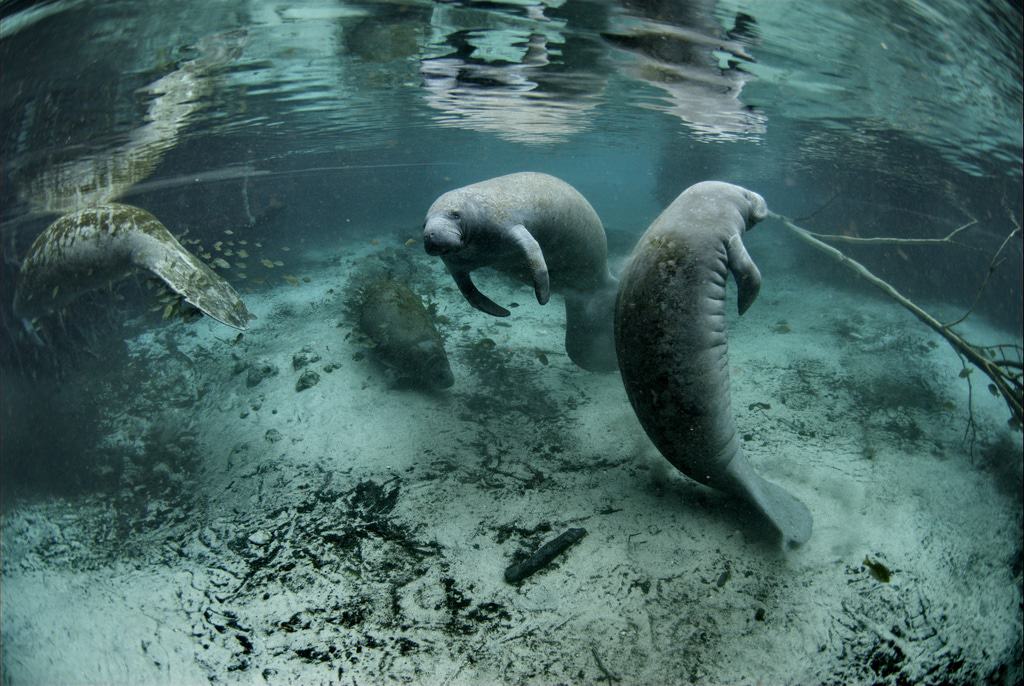
The future for Florida’s manatees hangs in a precarious balance. The recent mortality crisis demonstrates the vulnerability of even a seemingly recovered species when essential habitat components deteriorate. Florida’s projected human population growth—expected to add several million more residents by 2030—will intensify pressures on aquatic ecosystems and increase potential human-manatee conflicts. Climate change impacts, including sea-level rise and more frequent extreme weather events, will further complicate conservation efforts.
However, signs of hope exist. Enhanced public awareness has translated into political support for manatee protection, with the Florida legislature appropriating increased funding for manatee programs in recent years. Successful water quality improvements in Tampa Bay demonstrate that restoration is possible with sustained commitment. Technological innovations in wastewater treatment, renewable energy, and sustainable agriculture offer pathways to reduce environmental impacts. Conservation organizations point to the manatee’s recovery from hunting-related decimation in the 20th century as evidence of the species’ resilience when given adequate protection. Ultimately, manatee survival will depend on society’s willingness to make the substantial investments and policy changes needed to restore Florida’s aquatic ecosystems to health.
Conclusion
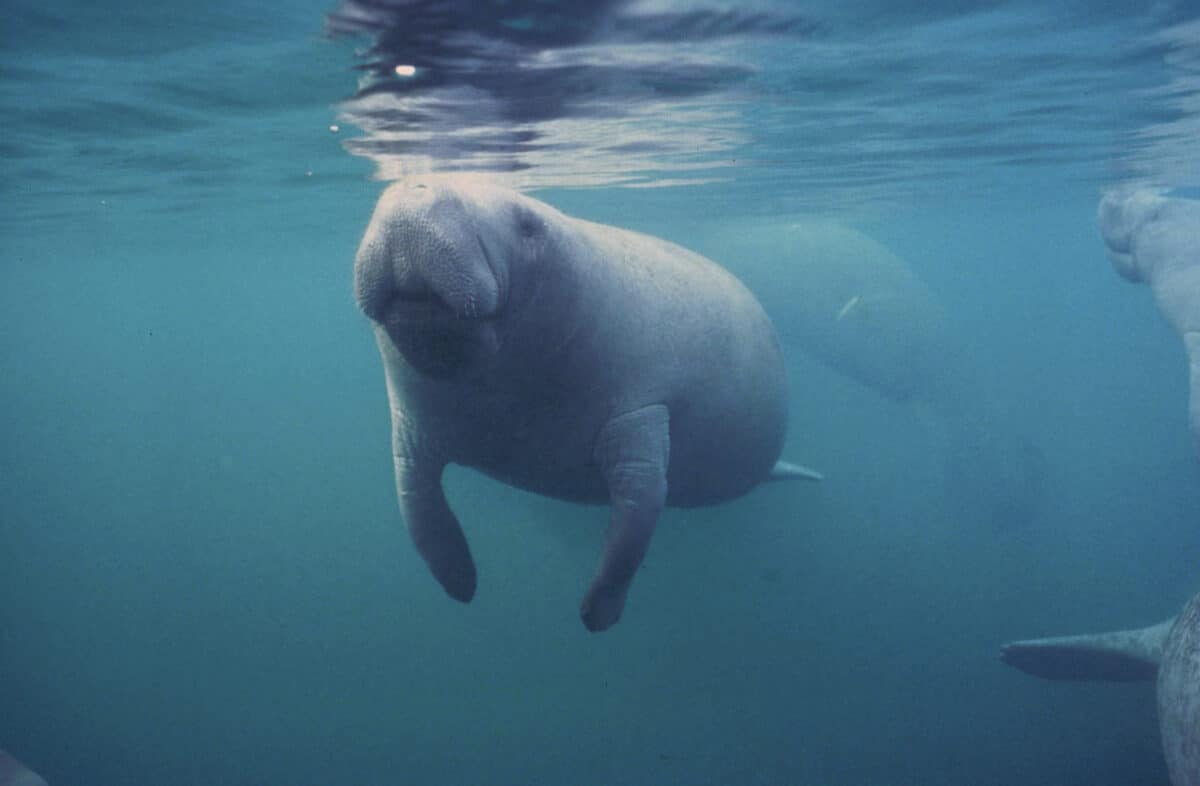
Florida’s manatees face an uncertain future as they battle multiple threats across their range. The dramatic decline in seagrass habitat, persistent watercraft mortalities, water pollution, loss of warm-water refuges, and emerging climate impacts create a complex conservation challenge that defies simple solutions. While rescue and rehabilitation efforts save individual manatees, only systemic changes to water quality management, habitat protection, and human behavior will ensure the species’ long-term survival.
The manatee crisis serves as a canary in the coal mine—an indicator of the broader health problems affecting Florida’s aquatic ecosystems that ultimately impact human communities as well. As Florida continues to grow and develop, the fate of manatees will depend on whether citizens and policymakers recognize that protecting these gentle giants requires protecting the entire web of life that sustains Florida’s waters. With sufficient political will, scientific guidance, and public support, there remains hope that future generations will continue to share Florida’s waters with these unique marine mammals.

From exploring the marine wonders in the Azores and witnessing the vast savannas of Kenya, to delving deep into the rich biodiversity of South Africa and traversing iconic landscapes in Australia and the US like Yellowstone, Chris's experiences are vast.
With a penchant for diving alongside sharks, the ocean holds a special place in his heart.
Through his academic insights, he champions wildlife conservation, striving with 'Animals Around The Globe' to cultivate a profound connection between humans and animals, enhancing our mutual appreciation.
Connect with him at Feedback@animalsaroundtheglobe.com.
- How Tigers Mark Their Territory Using Scent and Scratches - July 29, 2026
- The Deadly Volcano That Erased a Town Is Now Active Again - July 29, 2026
- 12 Deep Sea Animals With Terrifying Adaptations - July 29, 2026