
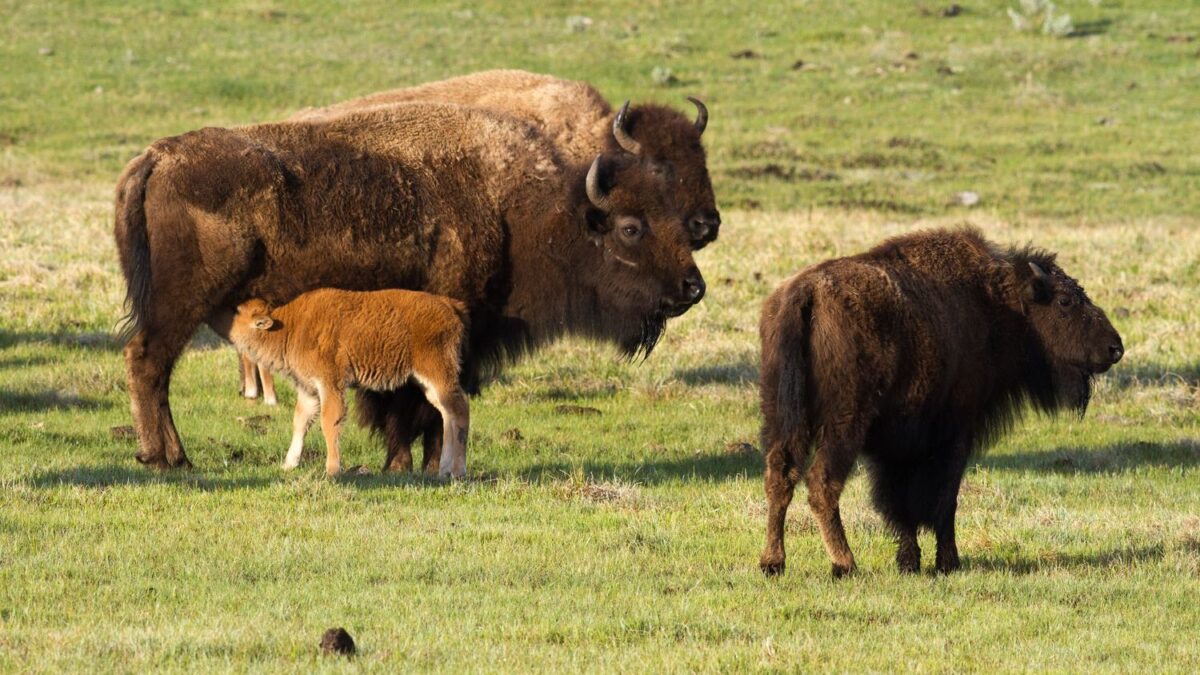
The massive form emerges from the brush ahead, steam rising from its nostrils in the cool morning air. Your heart skips a beat as you realize what you’re facing. This isn’t a distant photo opportunity or a casual wildlife sighting from your car window. This is an up-close encounter with North America’s largest land mammal, and what you do in the next few moments could determine whether you walk away with an incredible memory or become another cautionary tale.
Encountering bison on hiking trails happens more often than most people realize. Bison can run three times faster than humans can sprint and weigh up to two thousand pounds. Yet many hikers are unprepared for these meetings, mistaking these magnificent creatures for oversized, gentle farm animals. That assumption can be deadly.
The Golden Rule: Twenty-Five Yards Minimum
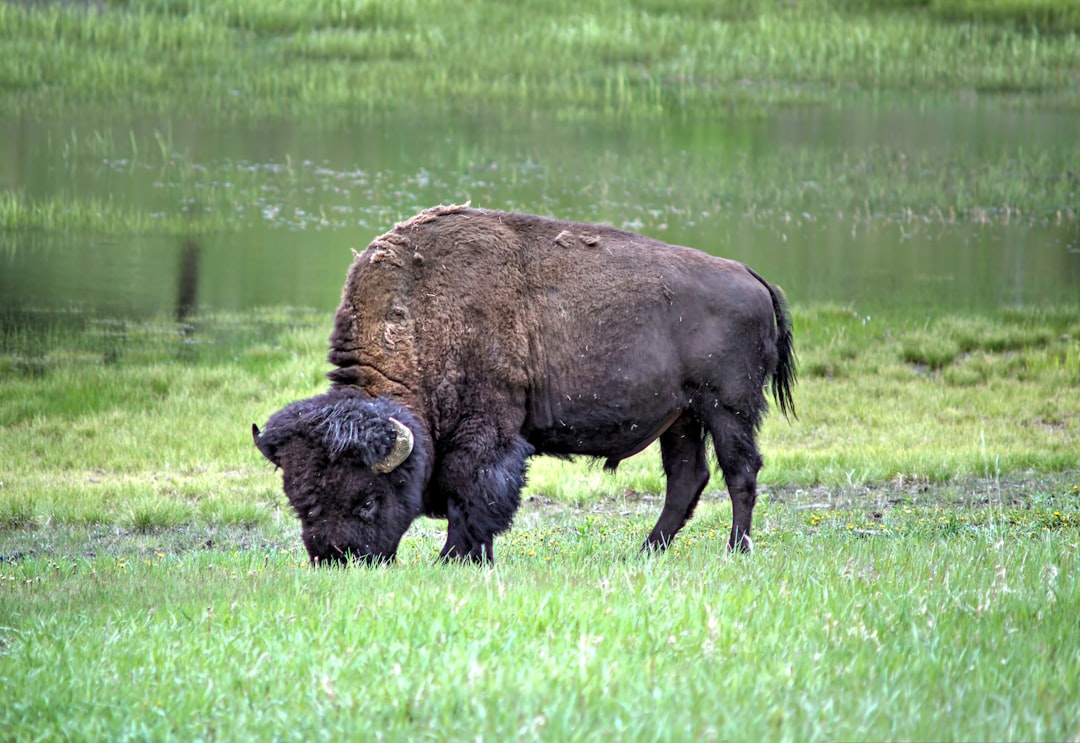
The National Park Service recommends staying at least 25 yards away from bison. A good rule of thumb is to consider the distance you think is safe enough and then double it. This isn’t just a suggestion scribbled on a park sign somewhere. It’s a lifeline based on documented incidents where people got too close and paid dearly for it.
Picture roughly six car lengths or the width of an Olympic swimming pool. Picture roughly six car lengths or the width of an Olympic swimming pool. That’s your safety buffer. Honestly, I’ve seen tourists inch closer and closer for that perfect selfie, completely oblivious to the danger they’re creating. Remember, “If you cause an animal to move, you’re too close,” as park officials frequently remind visitors.
Reading the Warning Signs Before It’s Too Late
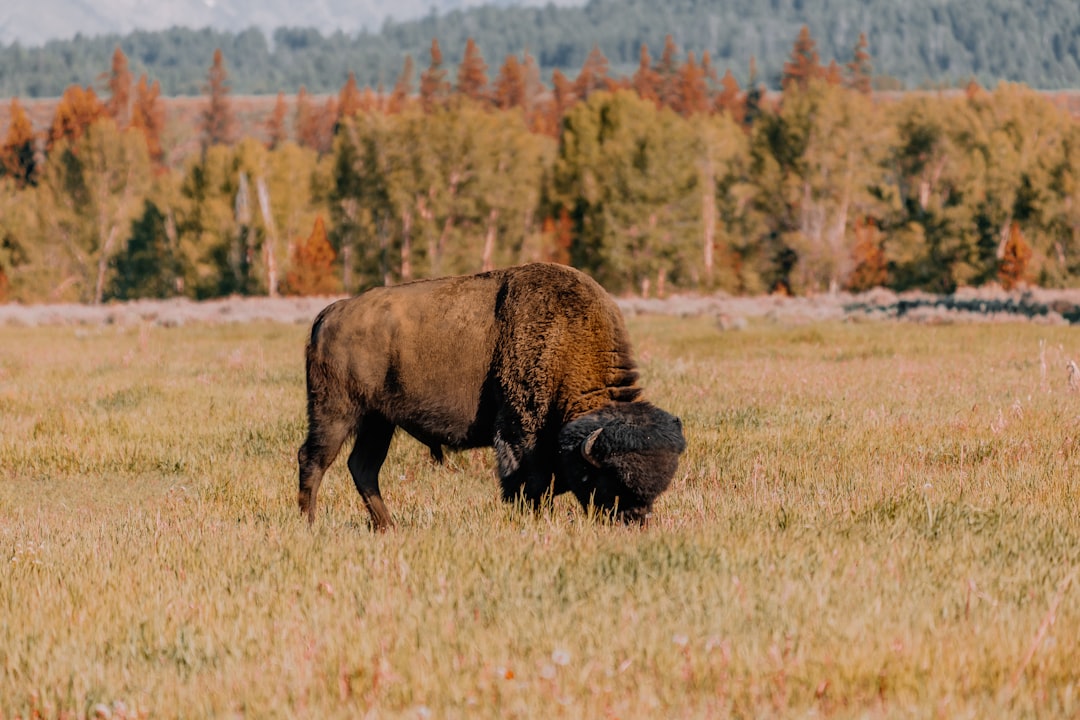
Approaching bison threatens them, and they may respond by bluff charging, head bobbing, pawing, bellowing, or snorting. These are warning signs that you are too close and that a charge is imminent. Think of these behaviors as nature’s emergency broadcast system. The bison is literally telling you that you’ve crossed a line.
Watch for Tail-raising is commonly considered a sign that bison are agitated. We found that snorting, head shaking, foot-stomping, tree-thrashing, or wallowing may also be warning signals that a bison is about to charge. These aren’t subtle hints. When a two-thousand-pound animal starts pawing the ground and snorting like an old steam engine, it’s screaming at you in the only language it knows.
When You’re Caught on the Trail
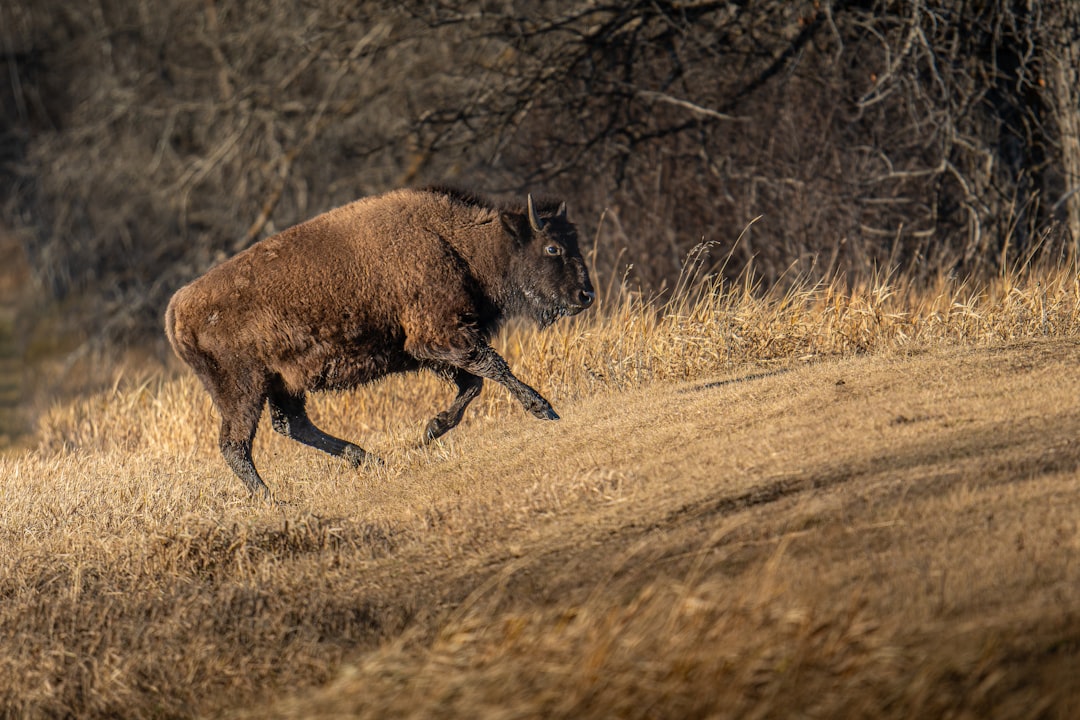
If you are hiking and a bison is close to or on the trail, you should either back away and return the way you came, or leave the trail and give the animal a very wide berth when passing it. It is OK to go off the trail if your safety is at risk. This might feel wrong if you’re in a protected area with strict trail guidelines, but survival trumps regulations every time.
Don’t try to squeeze past hoping the bison won’t notice. If the bison is walking down the trail toward you, either retreat where you came from or leave the trail, giving it a wide berth. Sometimes the smart move is turning around completely. There’s no shame in abandoning your hiking plans when faced with a creature that can toss you fifteen feet into the air.
The Speed Trap: Why Running Is Futile
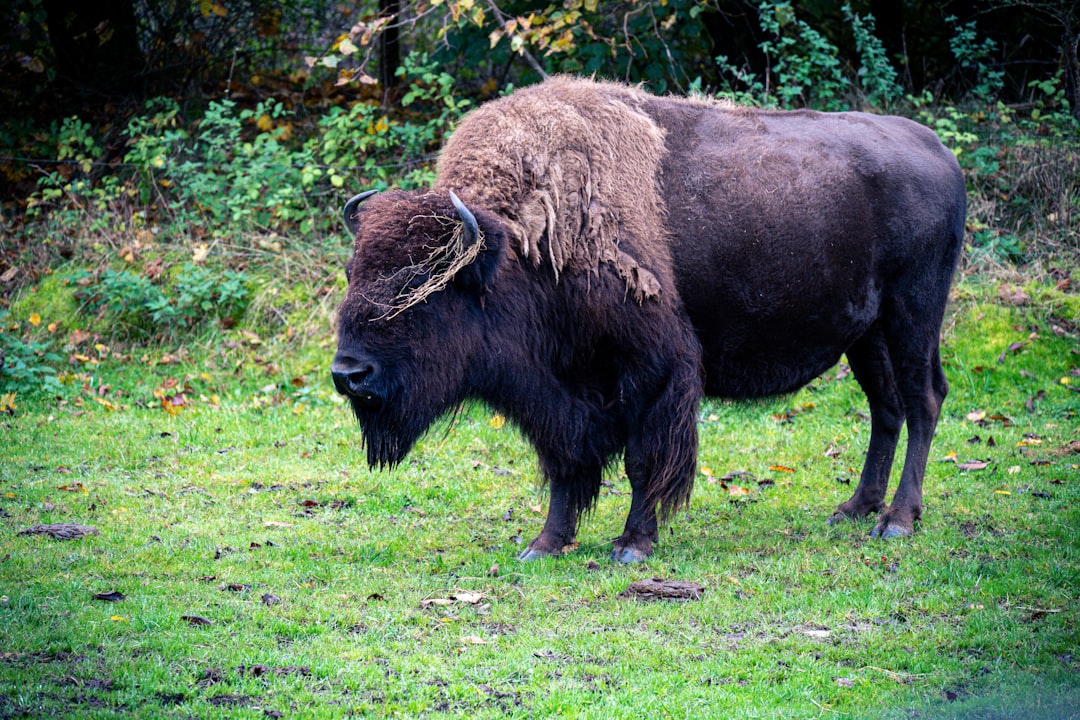
American bison are North America’s largest land mammal. Adult cows weigh about 1,000 pounds and reach a height of 4-5 feet, while full-grown bulls can weigh twice as much, up to 2,000 pounds, and get 6 feet tall. Yet despite their bulk, Bison can run up to 35 mph (more than three times as fast as the average human).
I think many people see these massive animals and assume they’re slow, like walking tanks. That’s a fatal misconception. A charging bison can cover twenty-five feet per second, and don’t think you can just dodge at the last second; bison corner and turn easily and can hook you with its horns before tossing you into the air. Your best chance isn’t outrunning them, it’s preventing a charge in the first place.
The Mock Charge: Nature’s Final Warning
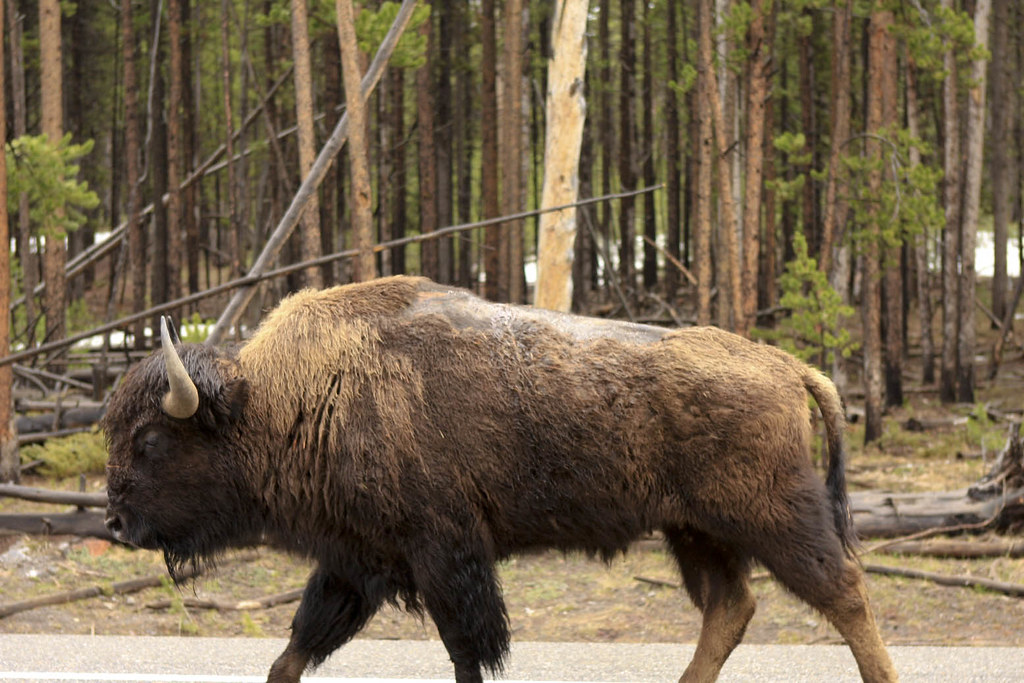
Mock charges – where a bison rushes forward briefly before stopping – are serious warning signals that should never be ignored. These false starts serve as the animal’s final warning before potentially committing to a full charge. During this terrifying display, the animal might run toward you for several yards before stopping abruptly.
Mock charges are particularly dangerous because they can quickly transform into full charges if the bison perceives continued threat. Never assume a stopped mock charge means the danger has passed – the animal is actively deciding whether to proceed with aggression. This is your absolute last chance to de-escalate the situation by backing away slowly and showing you’re not a threat.
Special Seasons: When Danger Peaks
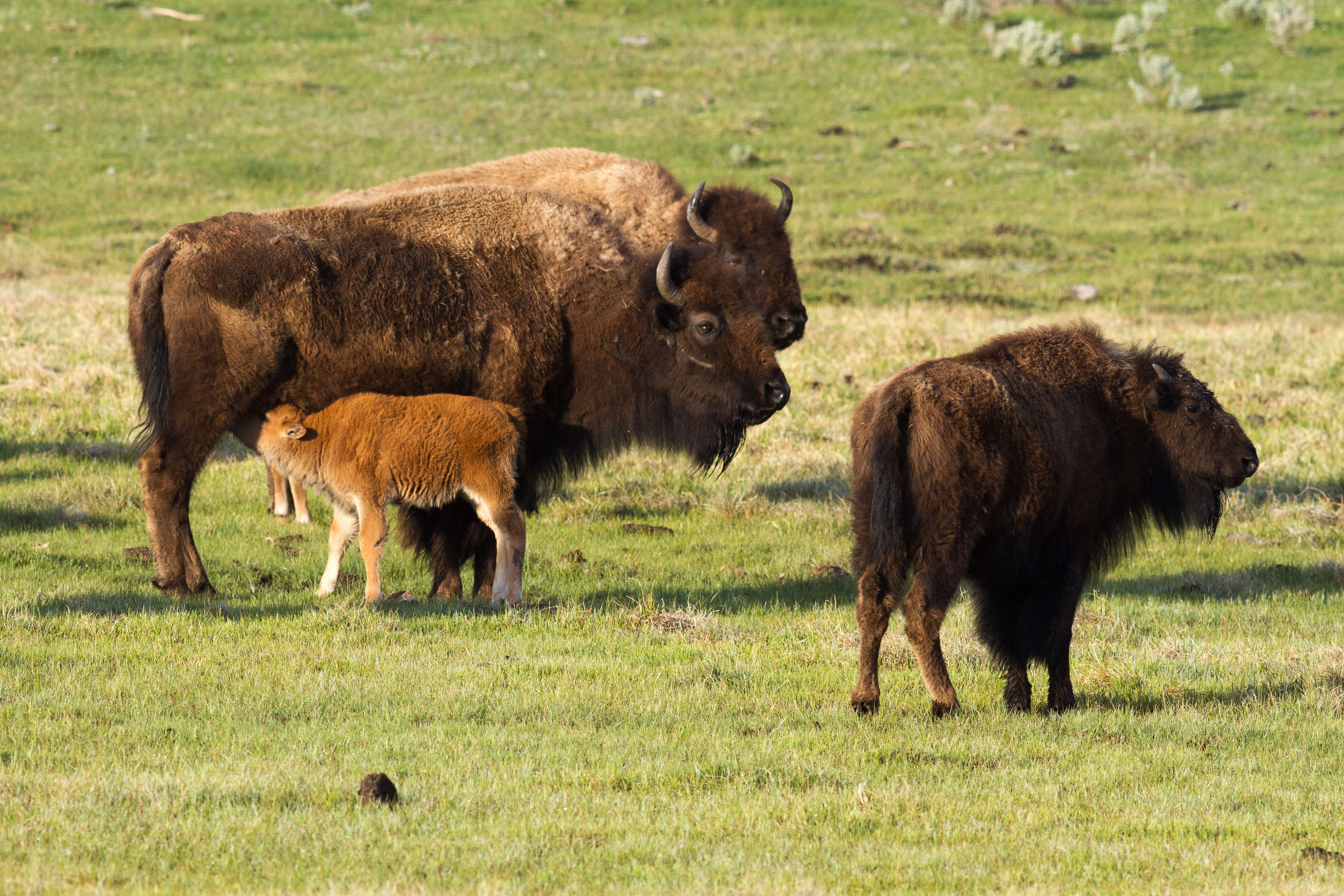
They’re most aggressive during their mating season in late July and August, and calving season in April and May. During these periods, normally docile animals transform into defensive powerhouses. Perhaps the most dangerous bison encounter involves a mother (cow) protecting her calf. Bison cows become extraordinarily protective from April through June when most calves are born. The protective radius of a mother bison can extend 50-70 yards around her calf.
Summer hikers need to be especially vigilant. Be extra cautious in May and June when cows are super-protective of their young calves. July and August, on the other hand, is the bison mating season and when testosterone-charged bulls can be much more aggressive. During rutting season, males engage in violent competition that can spill over into encounters with humans.
Your Survival Strategy if Things Go Wrong
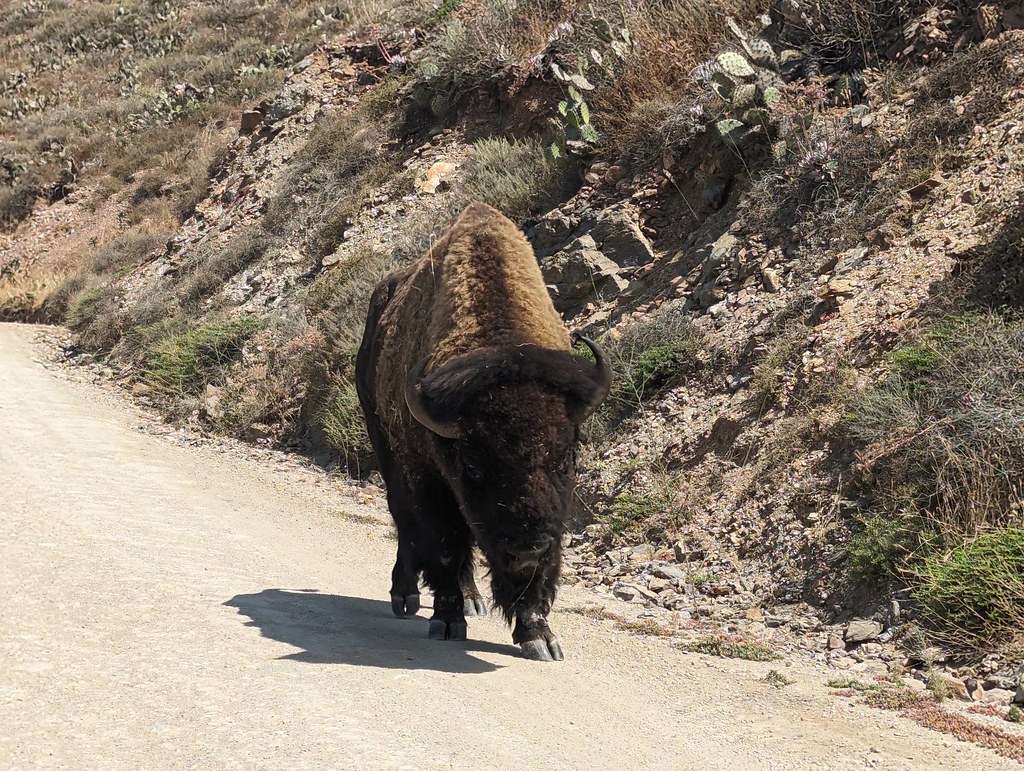
Do not stand your ground. Immediately walk or run away from the animal. Spray bear spray as you are moving away if the animal follows you. Unlike dealing with bears, mountain lions, and other wildlife, no amount of noise, waving your arms, or making yourself appear larger will increase your chances of survival when you’ve angered a bison. You could carry bear spray to discourage a charge, but unless you see the animal approaching from a long way off, you may not have time to use the spray.
Find cover immediately. Find an obstacle – something to put between you and the bison. In other words, you should run to a big boulder, a vehicle, or even a group of trees if possible. Get up a tree if there is one nearby – they can’t climb, so you might be safe. Think of it as the ultimate game of hide-and-seek where second place means serious injury or death.
The Bottom Line: Respect Equals Safety
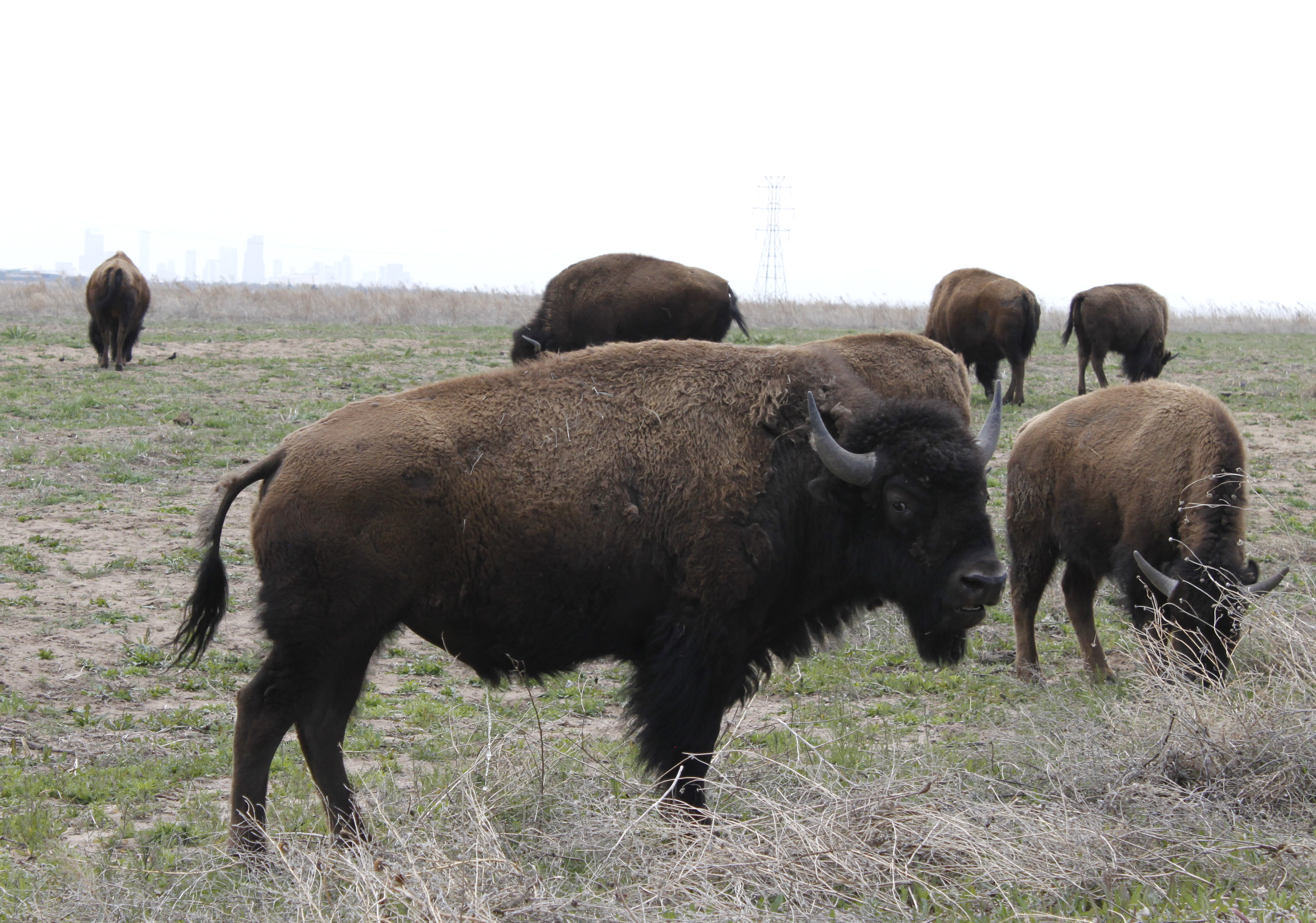
In short, the best bison safety tip to avoid bison attacks is simply keeping your distance. If a bison stops what it is doing and begins watching an onlooker, that’s a sign the individual is too close and should slowly back away. These animals don’t want conflict any more than you do, but they’ll defend themselves if they feel threatened.
The wilderness belongs to these magnificent creatures first. We’re just visitors in their home. Lastly, don’t become complacent: even “tame” bison seen congregating near photo ops and near cars on roads are dangerous. These are large, wild animals, and should always be treated with caution and respect. Every encounter is a privilege that demands our utmost respect and caution.
What started as a simple hiking rule becomes a philosophy: give wildlife the space they deserve, stay alert to warning signs, and never underestimate the power of North America’s largest land mammal. Your next trail encounter with a bison could be magical, but only if you remember to keep your distance and respect these incredible survivors of the American West. What would you do if you rounded a corner tomorrow and found yourself face-to-face with a bison?

- 13 Odd Hummingbird Habits Ornithologists Say Still Puzzle Them After More Than Four Decades of Study - August 2, 2026
- 18 Dog Breeds Older Vets Remember Treating Constantly That Younger Vets Have Never Once Seen - August 2, 2026
- 17 Small Things Your Old Cat Starts Doing When It Knows the End Is Coming Closer - August 2, 2026