

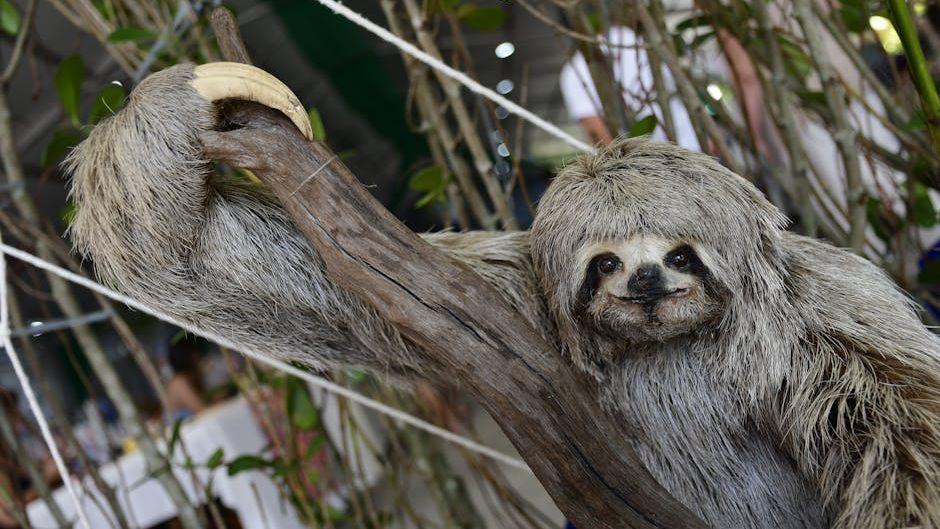
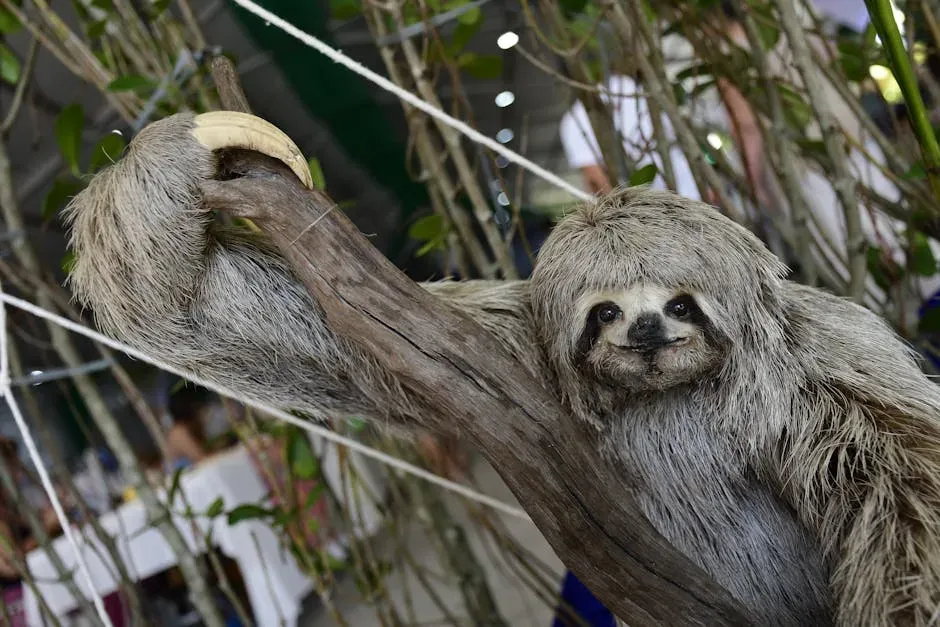
In the lush but perilous rainforests of Venezuela, sloths face constant threats from habitat fragmentation and unexpected falls. René, a two-fingered sloth, plummeted from a snapping branch onto a busy highway, suffering a severe fracture in his left arm. A quick-thinking driver spotted the injured animal and kept him safe atop the vehicle until rescuers arrived. Today, April 8, 2026, René stands as a symbol of resilience, fully healed and preparing for release back into the wild. What makes this case stand out lies in the innovative care that turned a dire situation around.
Fundación Chuwie’s Expertise Saves the Day
Fundación Chuwie, a dedicated sloth rescue center in Miranda, Venezuela, specializes in rehabilitating these arboreal creatures. Co-founded by experts like Juan Carlos Rodríguez, the organization handles everything from urban rescues to complex surgeries. Upon René’s arrival, veterinarians confirmed the arm fracture through x-rays and opted for immediate surgery. They installed an external fixation device, complete with screws into the bone and a stabilizing rod, to promote proper healing. This approach, tailored to sloth physiology, minimized stress while maximizing recovery potential. Their round-the-clock monitoring ensured René received optimal nutrition and pain management from day one.
Overcoming Initial Hurdles and Dehydration
René arrived dehydrated and unable to climb or forage, classic signs of trauma in sloths. The compound fracture posed risks of infection and permanent disability, with early survival odds hovering below 50 percent. Handlers noted his surprisingly calm demeanor, which allowed treatment with minimal sedation. Dehydration treatment began alongside wound care, using fluids rich in electrolytes drawn from native leaves and fruits. Within days, stabilization set in, marking the first victory against formidable odds. This phase tested the team’s holistic methods, blending medical intervention with environmental enrichment to rebuild trust.
Phased Rehabilitation and Key Milestones
Custom splinting and bi-weekly checkups tracked bone realignment over the critical first weeks. Physical therapy, gentle and sloth-specific, restored gripping strength without reinjury. By the fourth week, René gripped branches voluntarily, a clear sign of progress. Nutritional supplements accelerated tissue repair, while anti-inflammatories reduced swelling effectively. Behavioral shifts, like increased appetite and playfulness, confirmed emotional recovery too. After five months, surgeons removed the screws, revealing complete healing far ahead of projections.
From Dependency to Independence
Playful antics emerged, such as hanging upside down and reaching independently for food. Weight gain exceeded pre-injury levels, bolstering overall vitality. Reduced reliance on human contact signaled psychological readiness for the wild. Acclimation enclosures now mimic rainforest conditions, sharpening foraging and climbing instincts. GPS preparations ensure post-release tracking for vital data. René’s transformation highlights how targeted care revives natural behaviors in rescued wildlife.
Conservation Ripple Effects
Stories like René’s spotlight deforestation and urban sprawl driving sloth injuries. Palm oil expansion and road networks fragment habitats, spiking rescue demands. Fundación Chuwie partners globally for reforestation and policy advocacy. Public interest from producer Jackie’s coverage has surged donations by nearly a third last year. Each released sloth aids ecosystems as seed dispersers. These successes push preventive measures over reactive rescues.
Final Thought
René’s journey proves that with expert intervention, even the frailest creatures can reclaim their treetop lives. As release nears, his story inspires broader action for sloth habitats. What threats do you see facing wildlife in your area?
Source: Original YouTube Video

- Urban Coyotes Show Remarkable Adaptability, Learning to Thrive in City Environments - July 22, 2026
- Beavers Are Nature’s Engineers, Creating Vital Habitats for Other Wildlife Species - July 21, 2026
- The Recovery of the California Condor Offers Hope for Other Critically Endangered Birds - July 21, 2026