


In the intricate tapestry of the natural world, survival often hinges not on sheer strength but on the ability to work together as a cohesive unit. Teamwork is not a uniquely human trait; many animal species have evolved to adopt collaboration as a survival strategy. This article explores twelve remarkable animals that have mastered the art of collaboration, showcasing the diverse and sometimes surprising ways that teamwork plays out in the wild.
African Wild Dogs
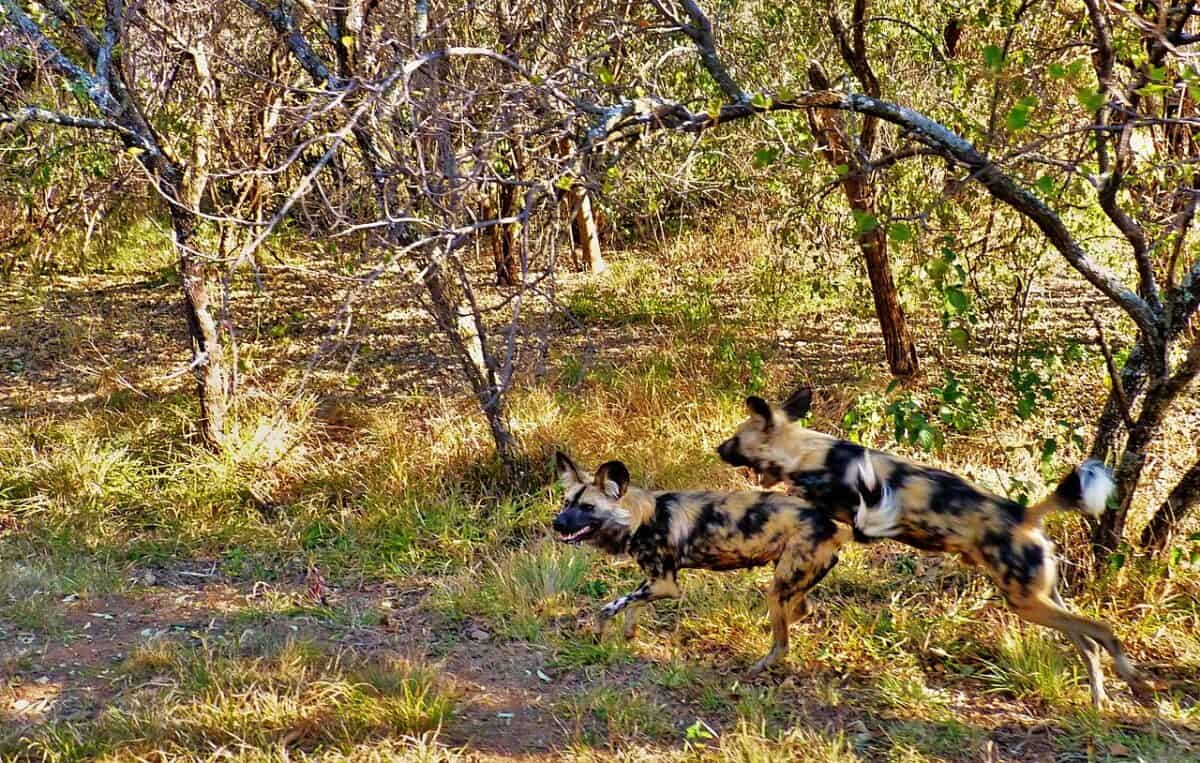
Known for their stunning cooperation, African wild dogs are exceptional hunters. They operate in packs, using strategic planning and communication to outmanoeuvre and exhaust their prey. Each member of the pack has a specific role, whether it’s chasing, flanking, or leading, which enhances their hunting success rate significantly. Their teamwork extends beyond hunting, as they also collaborate in raising and caring for their pups.
Ants

Ants are often seen as the epitome of teamwork. They live in highly organized colonies that can consist of millions of individuals. Ants work together to build elaborate nests, find food, and defend their communities. Some species, like leafcutter ants, are known for their impressive ability to farm fungus, which they feed on. This agricultural effort requires teamwork at multiple levels to ensure the colony’s survival.
Meerkats
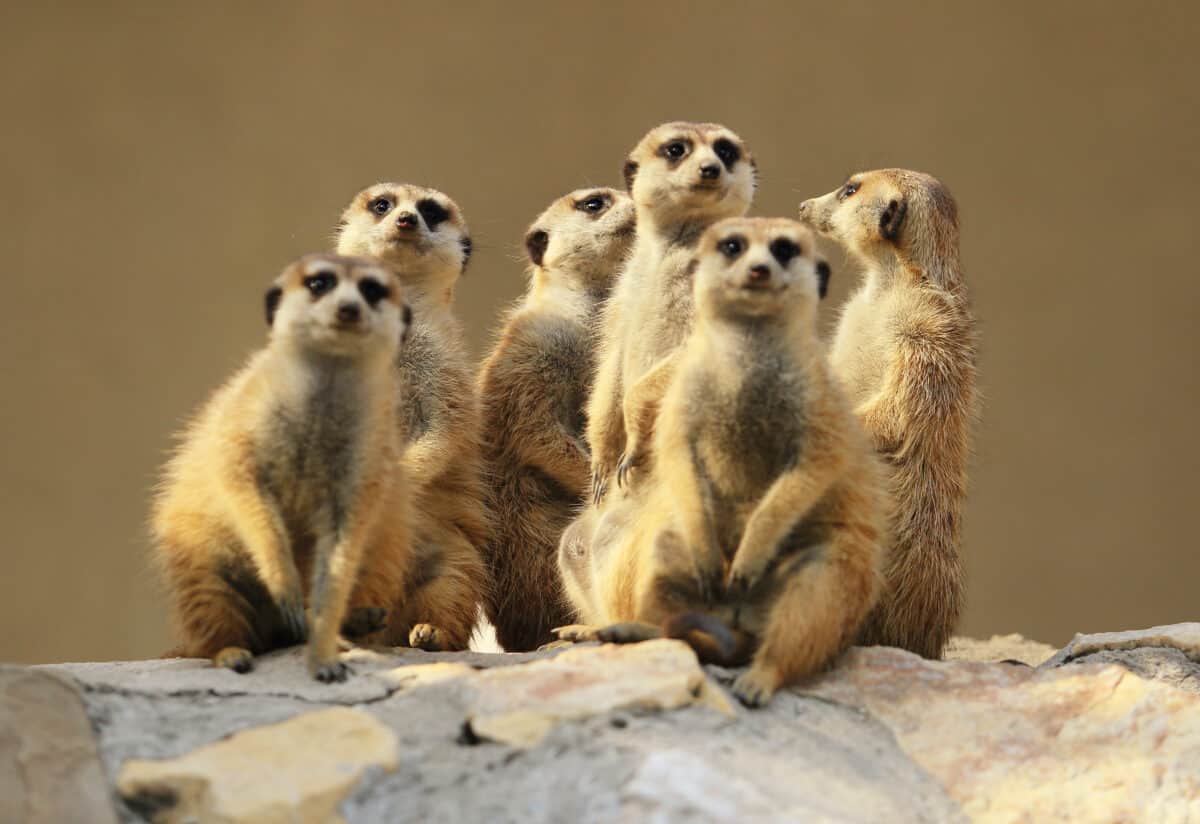
In the arid deserts of southern Africa, meerkats rely heavily on teamwork for protection and food gathering. A typical meerkat family, or mob, cooperatively cares for their young. While some individuals forage, others take on the role of sentinels, watching out for predators and alerting the group to any danger. This division of labour ensures the survival of their community despite the harsh environment.
Orcas

Orcas, or killer whales, are apex predators known for their complex hunting strategies. These marine mammals hunt in pods and utilize coordinated manoeuvres to capture prey like fish, seals, and even whales. Some pods have developed specialized hunting techniques, such as creating waves to knock seals off ice floes. Their remarkable intelligence and communication skills make them one of the ocean’s most successful predators.
Honeybees

Honeybees are a testament to the power of collective effort. Within their hives, each bee has a specific role, ranging from foragers to nurse bees and guards. They communicate through dance to relay information about food sources and locations. Honeybee teamwork extends to regulating hive temperature and defending against predators, demonstrating a complex social structure that ensures the colony’s prosperity.
Dolphins

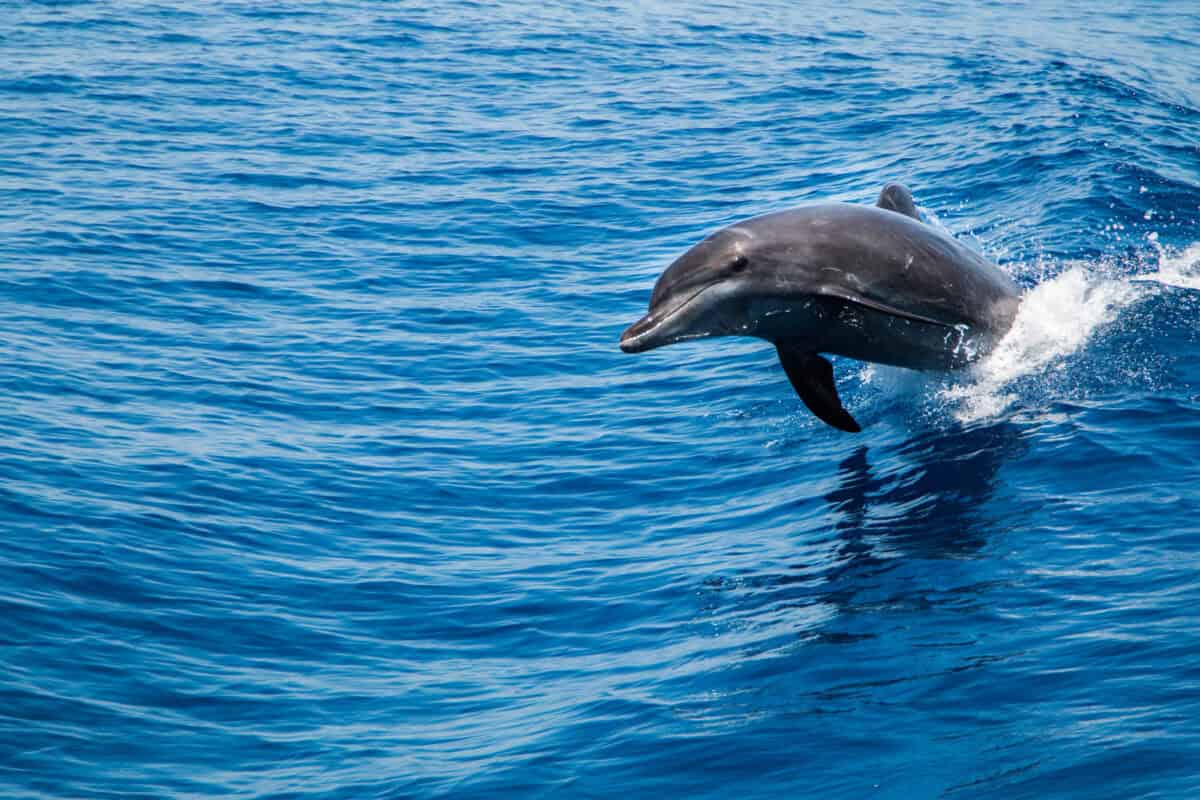
Dolphins are highly intelligent marine mammals known for their playful behaviour and sophisticated social structures. They often hunt in groups, using tactics like herding fish into tight balls for easier feeding. Dolphins also collaborate to care for their sick or injured, showcasing empathy and strong social bonds. Their cooperation is a key factor in their success as predators and in their ability to thrive in diverse environments.
Wolves
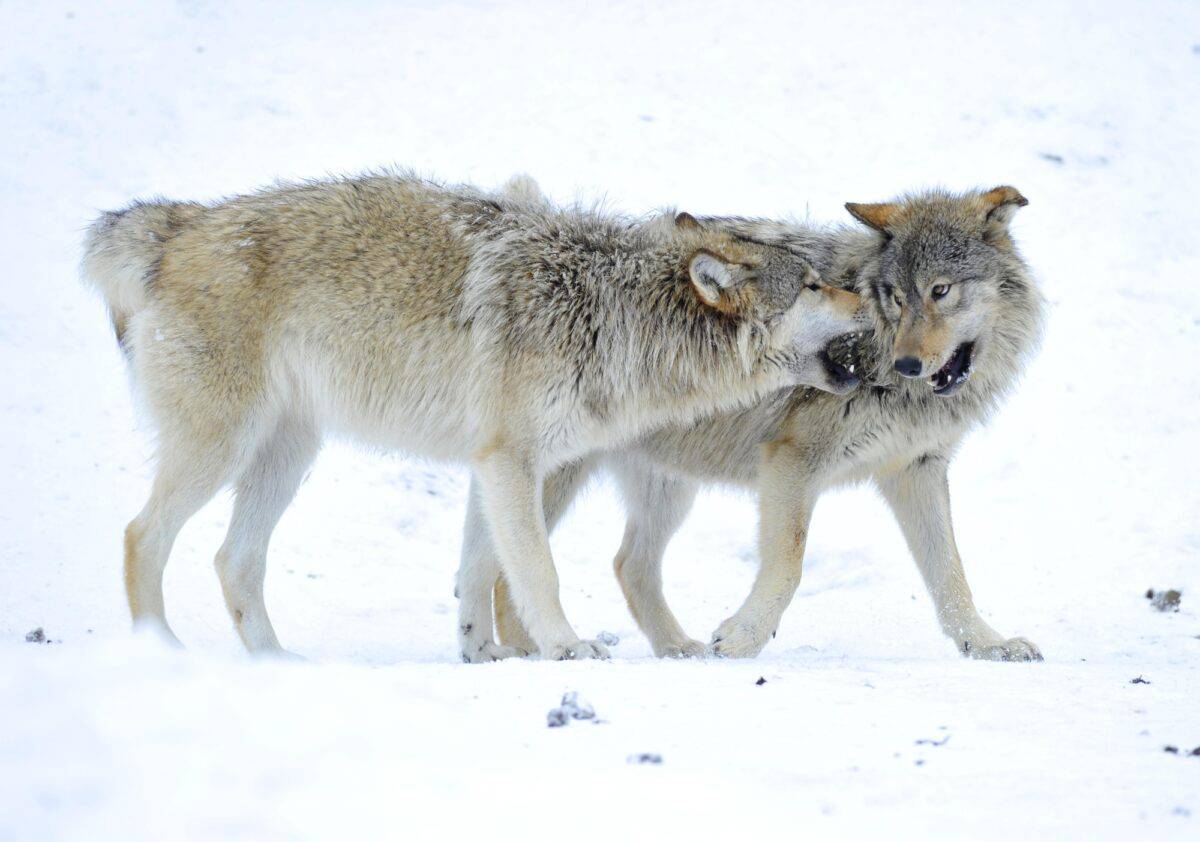
The social structure of a wolf pack revolves around collaboration and communication. Wolves hunt in packs to bring down animals much larger than themselves, such as deer and elk. Each wolf in the pack plays a specific role in the hunt, showcasing the importance of teamwork in ensuring the survival of the pack. This social cooperation extends to raising pups and territory defence, making wolves one of nature’s exemplary team-working species.
Spotted Hyenas
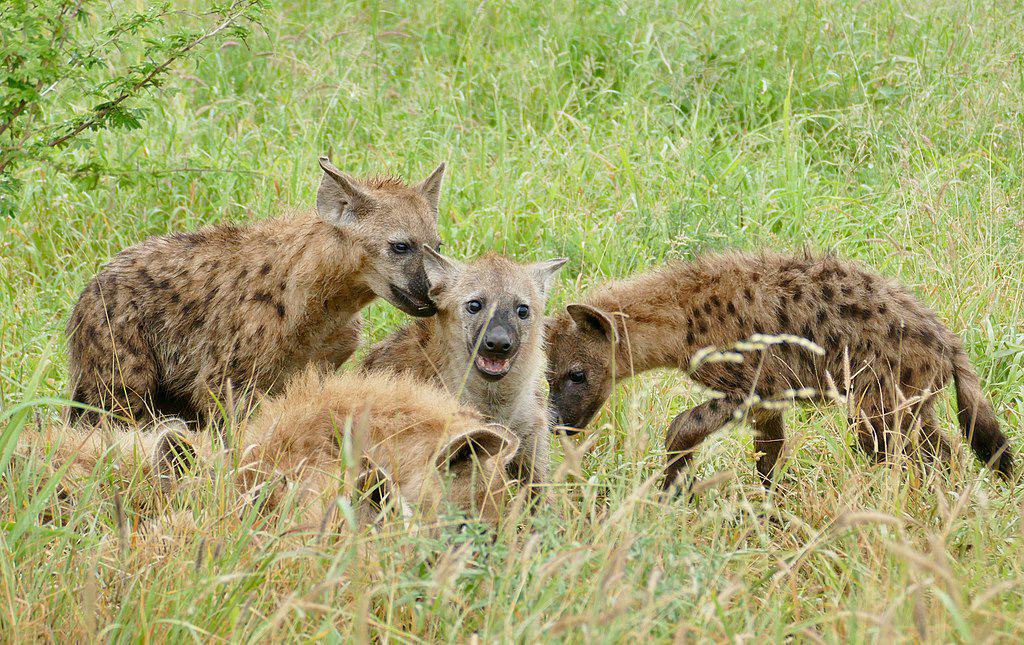
Spotted hyenas live in large clans led by females and are known for their complex social structures. They showcase teamwork in hunting and defending their territory. Unlike many carnivores, hyenas hunt in groups, using strategic planning to chase and capture prey. Their cooperative hunting strategies and social structure make them highly successful predators on the African savannah.
Emperor Penguins

In the harsh environment of Antarctica, emperor penguins have mastered the art of teamwork for breeding and survival. During the harsh winter months, males huddle together in large groups to conserve warmth while incubating eggs. This communal effort lowers the energy expenditure of each individual, allowing them to survive extreme conditions and successfully raise their young.
Chimpanzees

Chimpanzees display advanced forms of cooperation, especially in hunting. They team up to hunt monkeys and other small animals, using intricate strategies to trap and capture their prey. Chimpanzee collaboration also extends to grooming and social bonding, which strengthens relationships and maintains group harmony. Their cooperative behaviours highlight their intelligence and social complexity.
Lions

Lions are the only big cats that live in social groups known as prides. Lionesses, in particular, showcase exceptional teamwork in hunting, coordinating their efforts to encircle and capture prey. They also work together to defend their territory and care for their cubs. The pride’s cooperative structure ensures high success rates in hunting and survival in their challenging environment.
Buffalo
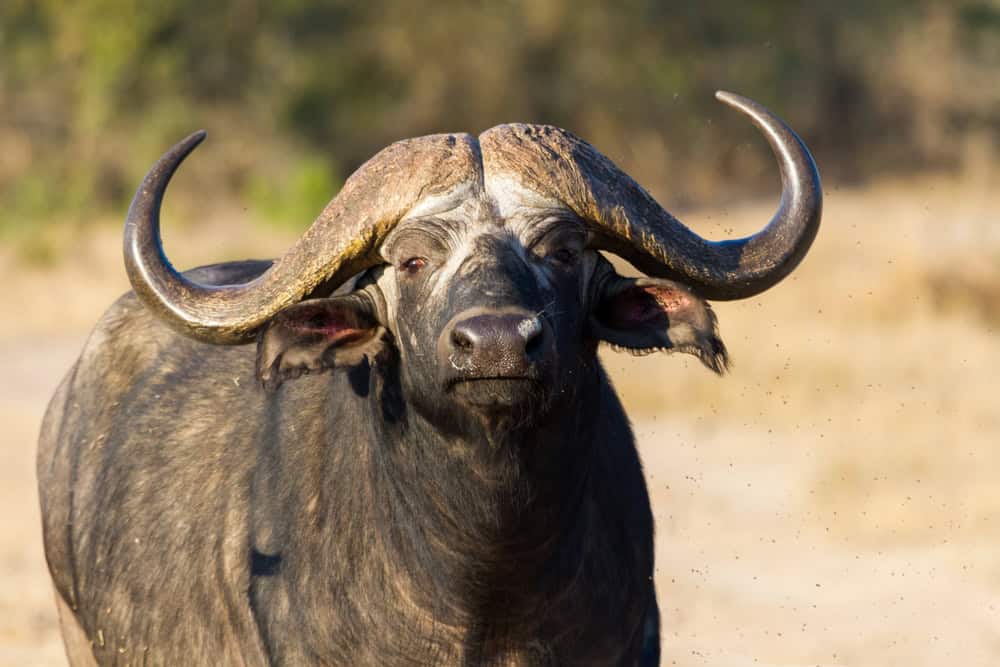
African buffaloes are notable for their collective defence strategies against predators. When threatened by lions or other predators, buffaloes form a protective circle around their young and confront attackers as a united front. Their strong sense of community and mutual defence significantly enhance each member’s survival prospects in the wild.
Conclusion
The animal kingdom offers a fascinating glimpse into the diverse ways that teamwork manifests in nature. From the complex social structures of ants and bees to the strategic hunting partnerships of orcas and wolves, teamwork is a crucial survival strategy for many species. By understanding these cooperative behaviours, we gain insight into the evolutionary importance of collaboration and the interconnectedness of life on Earth.

As a little kid, I fell in love with nature, wildlife, and animals. Living in the USA, South Africa, Italy, China and Germany gave me the opportunity to discover the world's Wildlife. My favorite animals are Mountain Gorillas, Siberian Tigers, and Great White Sharks.
I'm a certified PADI Open Water Diver, went to Everest Base Camp and Trekked Gorillas in Uganda. I hold a Master of Science in Economics and Finance.
Please send any feedback to feedback@animalsaroundtheglobe.com
- 10 Amazing Ways Animals Survive Extreme Cold - August 1, 2026
- Why America Next Megaquake Might Strike Sooner Than We Think - August 1, 2026
- 10 Lakes With Strange and Deadly Secrets - August 1, 2026