

Rivers are often thought of as the epitome of natural stability, flowing tirelessly toward the sea or larger bodies of water. Yet, some rivers defy this expectation by reversing their course, flowing backward. This rare phenomenon can capture the imagination and curiosity of anyone interested in the wonders of our natural world. In this article, we explore twelve rivers known for their unexpected backward flow and the fascinating reasons behind this occurrence. Whether caused by natural events or human intervention, these rivers demonstrate the dynamic and ever-changing nature of our planet.
The Chicago River, USA
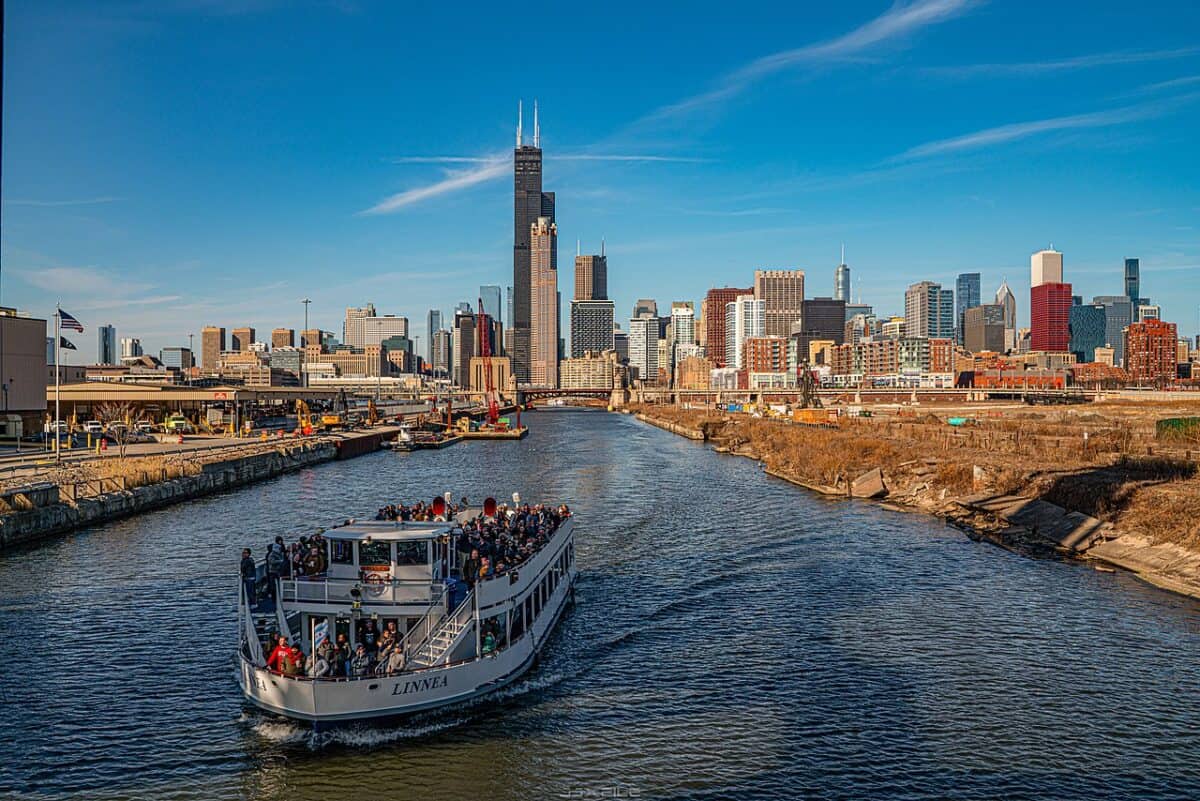
The Chicago River’s reversal is a well-documented human engineering marvel. Originally flowing into Lake Michigan, the river was reversed at the turn of the 20th century to safeguard the city’s drinking water supply from pollution. Engineers constructed a series of canals to change the river’s direction, directing wastewater away from Lake Michigan toward the Mississippi River watershed. Today, it stands as a testament to human ingenuity in the face of urban challenges.
The Amazon River, South America
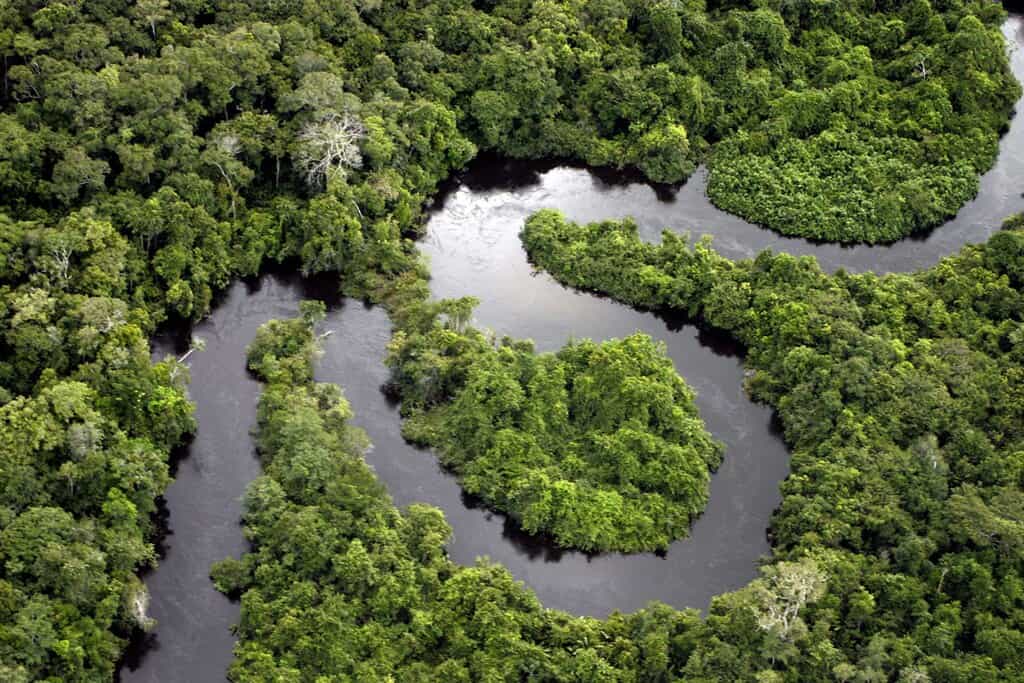
While the Amazon is famed for its massive size and biodiversity, it also has the unique distinction of having reversed course entirely in the distant past. Some 10 million years ago, tectonic shifts caused by the rise of the Andes Mountains redirected the river’s flow from westward to its present eastward course toward the Atlantic Ocean. This dramatic transformation has contributed to the Amazon’s complex ecosystem and dynamic environmental history.
The Mississippi River, USA
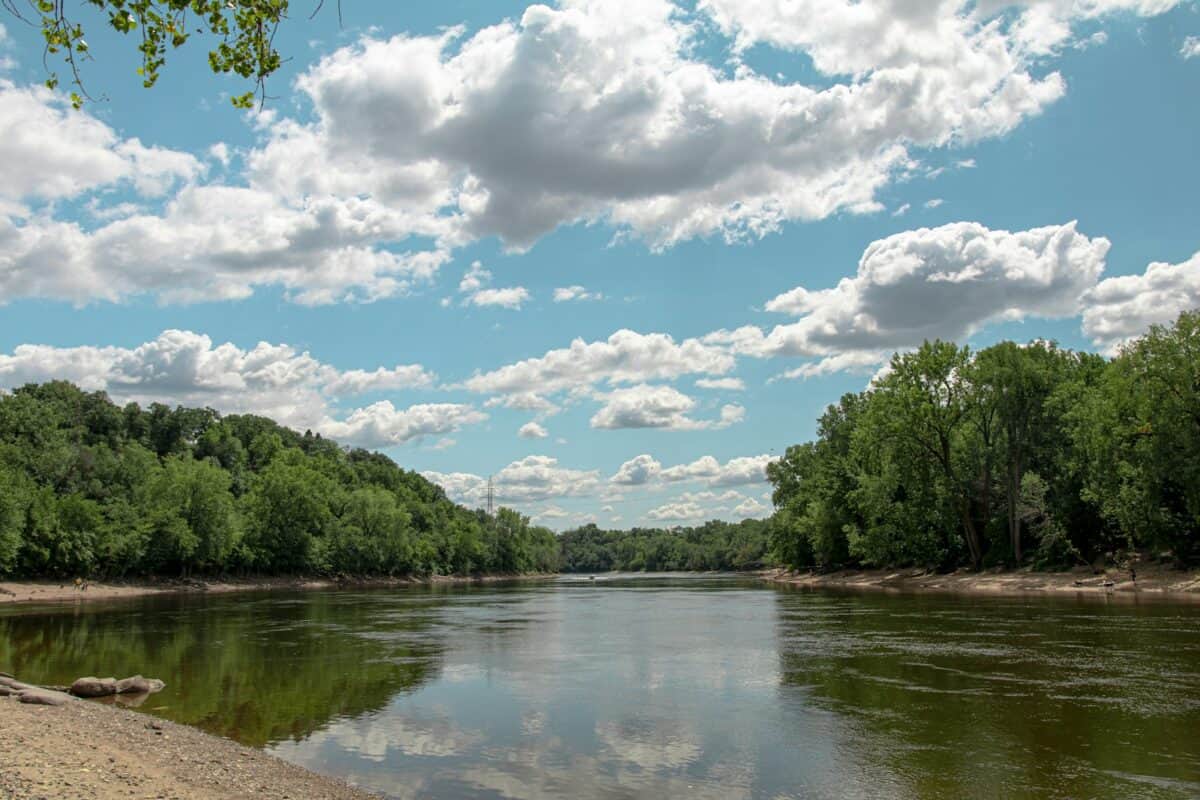
The mighty Mississippi River is not immune to backward flow, though it occurs under extraordinary circumstances. Major hurricanes, like Hurricane Katrina, have been powerful enough to reverse the flow temporarily. During such massive storms, the overwhelming surge of water from the Gulf of Mexico can push back against the river’s natural flow, demonstrating the immense power of nature.
The Tonlé Sap River, Cambodia
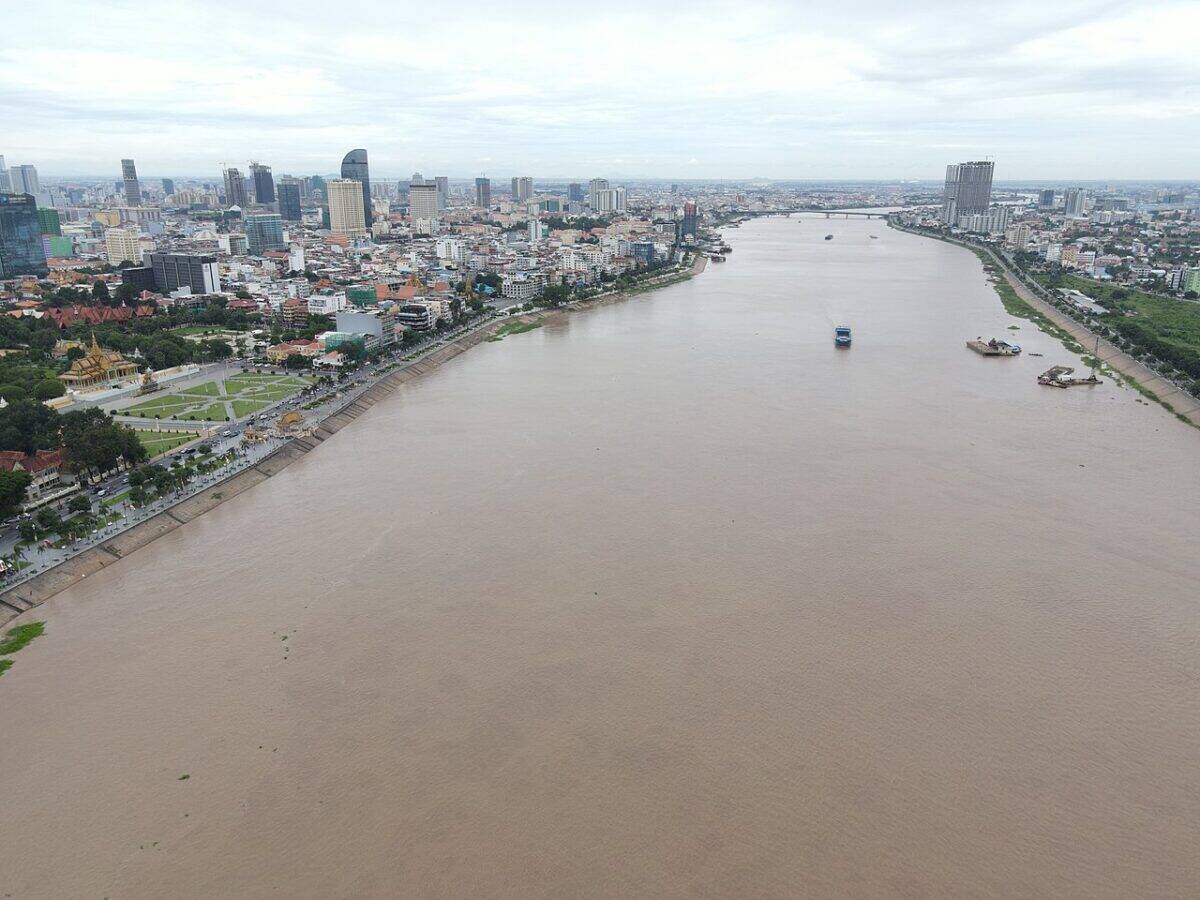
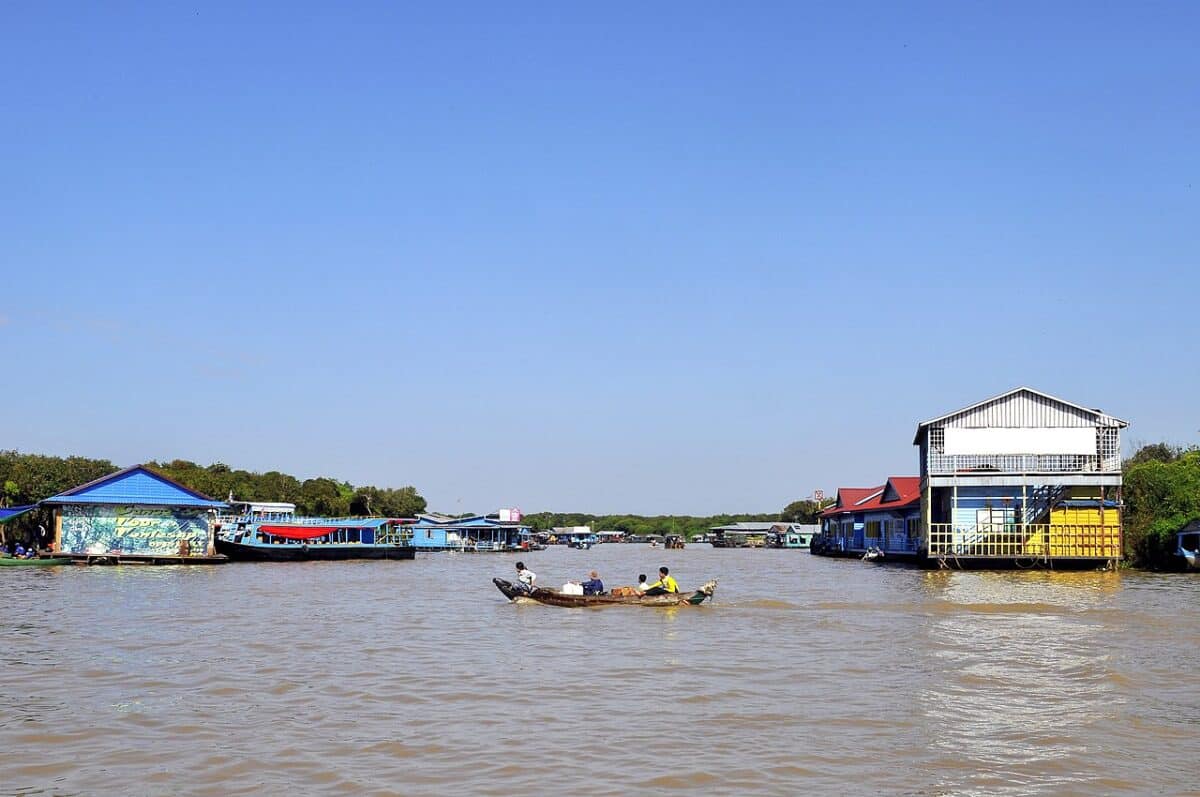
Tonlé Sap River in Cambodia undergoes a natural and predictable reversal of flow each year. During the rainy season, the Mekong River swells and pushes water upstream into the Tonlé Sap Lake. This reversal is crucial for replenishing the lake’s fish stocks and sustaining the wildlife and communities that depend on its resources. It is a wonderful example of how natural cycles sustain life in diverse ecosystems.
The Araguari River, Brazil
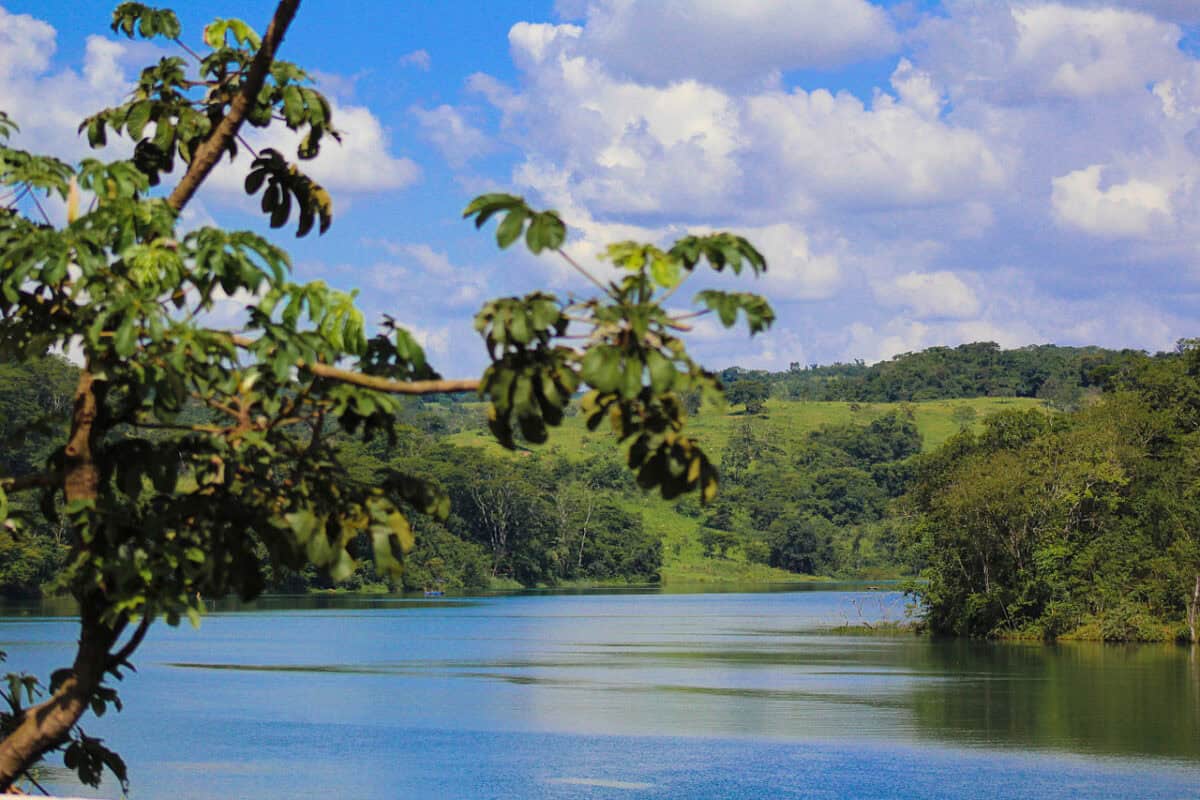
The Araguari River in Brazil was once famous for a tidal phenomenon known as the “pororoca,” where incoming Atlantic tides caused massive waves to travel upriver. While the construction of dams and bridges has largely calmed the pororoca, it serves as a remarkable instance of tidal forces overcoming a river’s flow, causing temporary backward motion.
The Paddré River, Italy
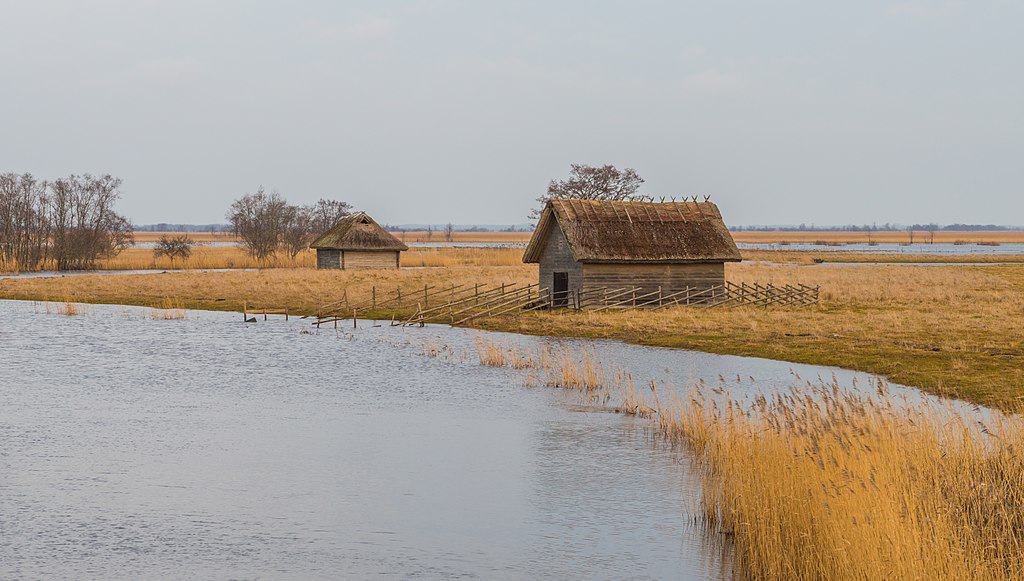
Italy’s Paddré River is another example of tidal influence leading to a backward flow. During high tides, the force of the incoming water can overpower the river’s current, reversing its direction. This periodic backflow impacts local navigation and ecosystems, showcasing the interconnectedness between rivers and ocean tides.
The St. Johns River, USA
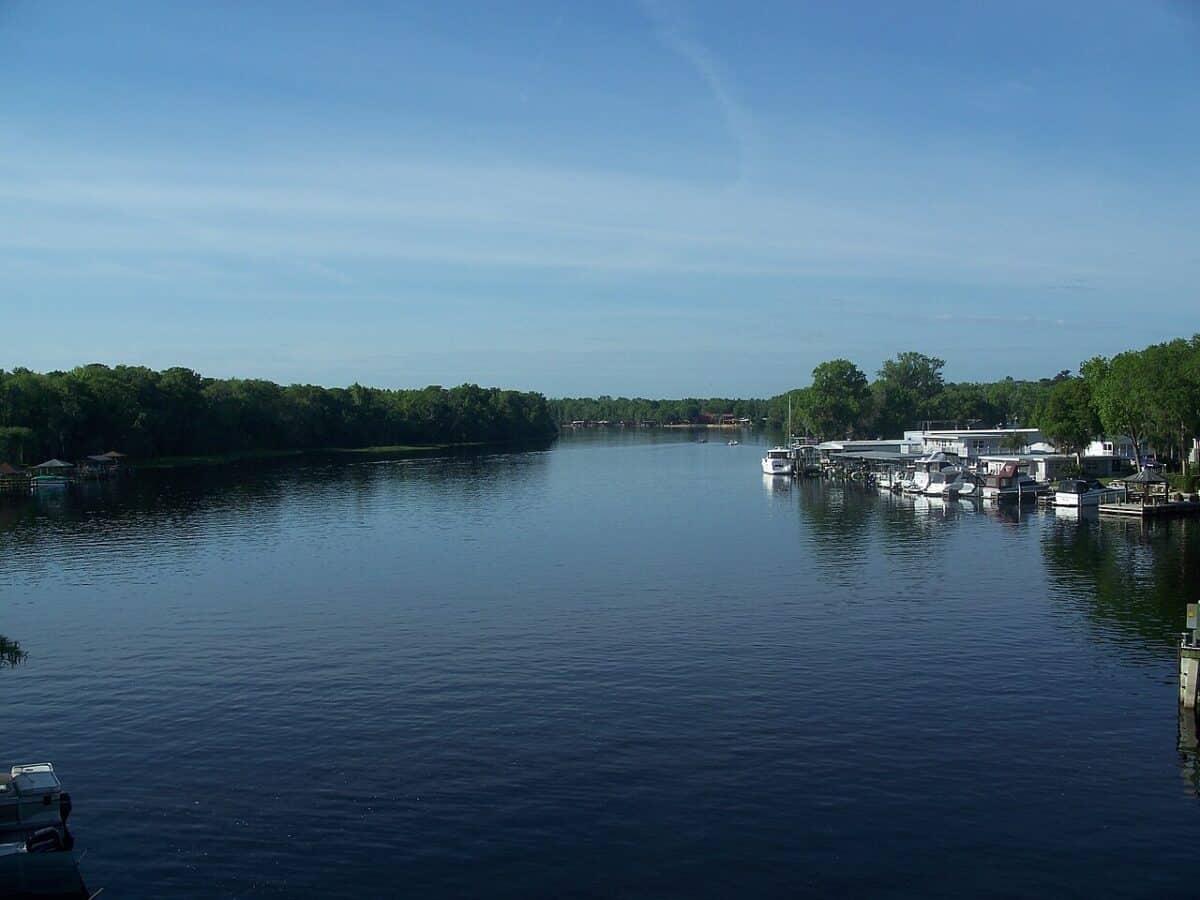
Flowing through Florida, the St. Johns River is distinguished as one of the few north-flowing rivers in North America. While not truly flowing backward, its unusual direction results from the state’s topography, which slopes gently from south to north. Tidal interactions in its lower reaches occasionally cause temporary reversals, influencing local habitats and water management strategies.
The Krishna River, India
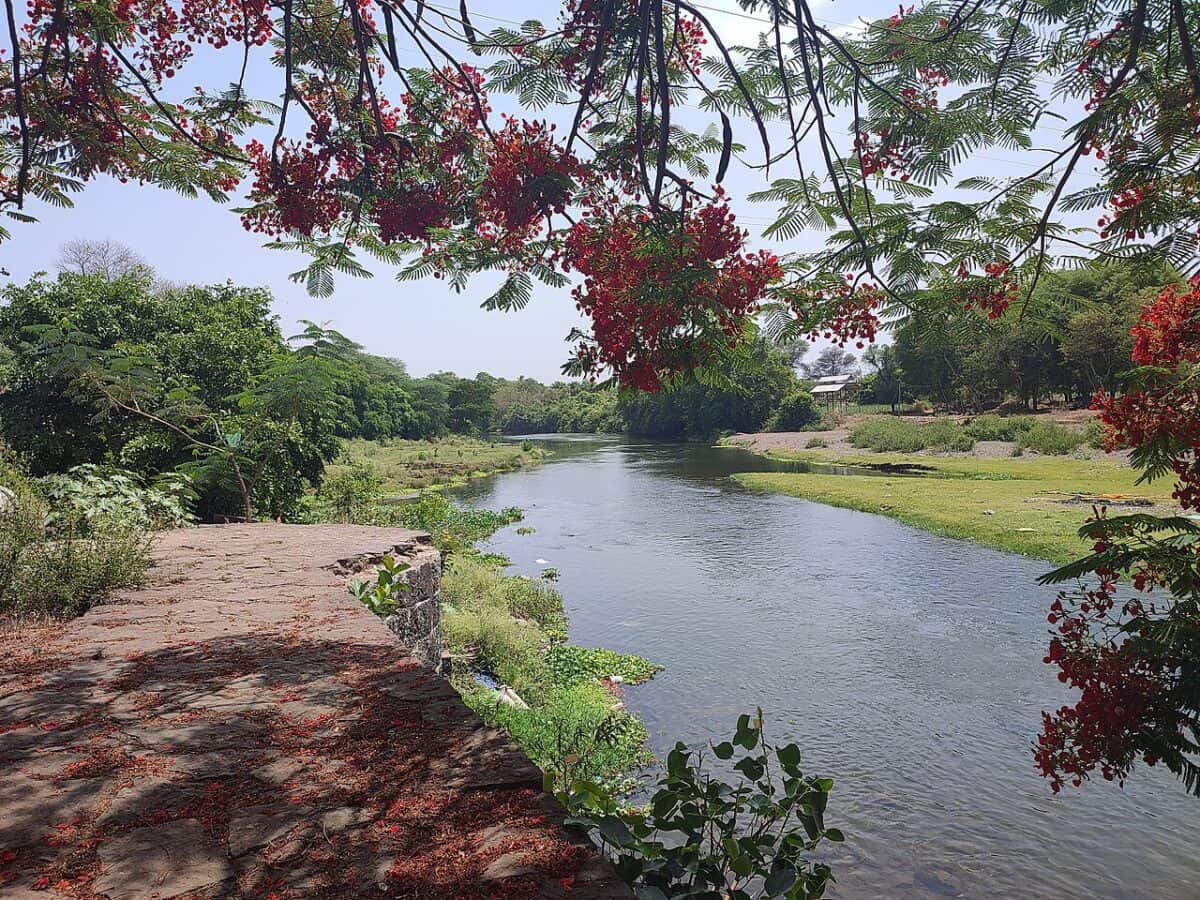
The Krishna River in India can experience backward flow due to the phenomenon known as the “neap tide.” During certain lunar phases, the tides in its delta can push upstream, reversing the river’s course. Such occurrences are vital for irrigation, as they bring nutrient-rich saline water into agricultural regions, aiding local farming practices.
Hooghly River, India
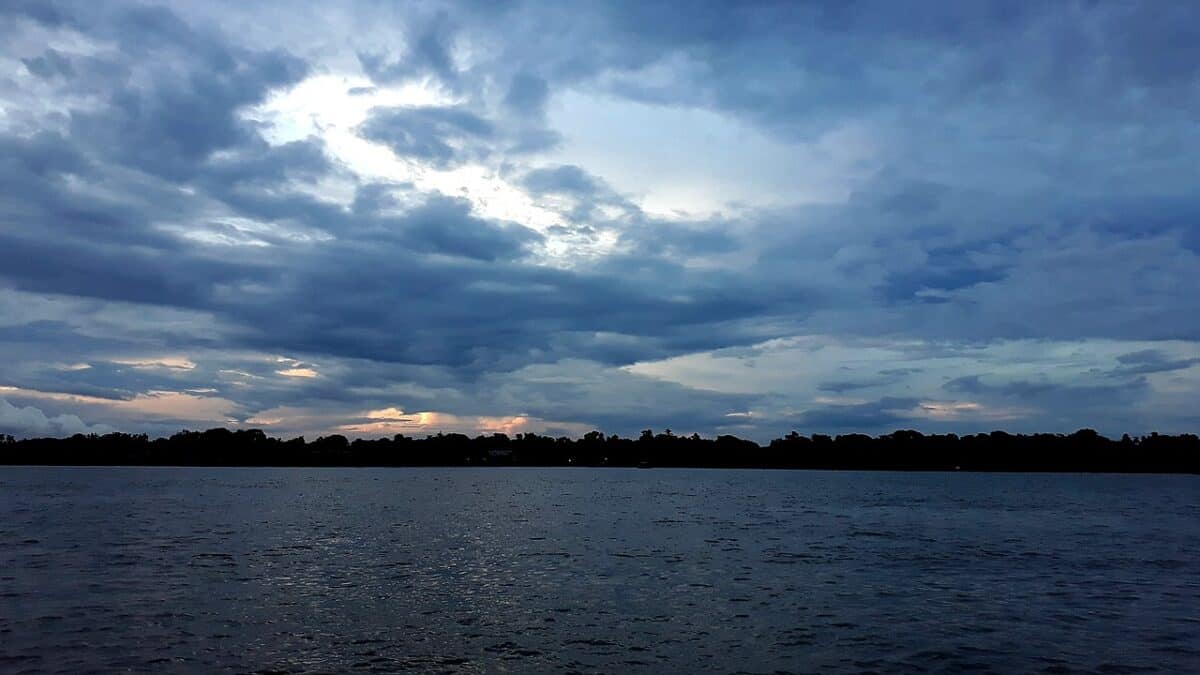
A distributary of the Ganges, the Hooghly River in India occasionally reverses due to tidal impacts, particularly near the Bay of Bengal. When tidal waves are especially strong, they can push upstream, altering the direction of flow. This interplay affects navigation, fisheries, and local riverfront communities significantly.
The Narmada River, India
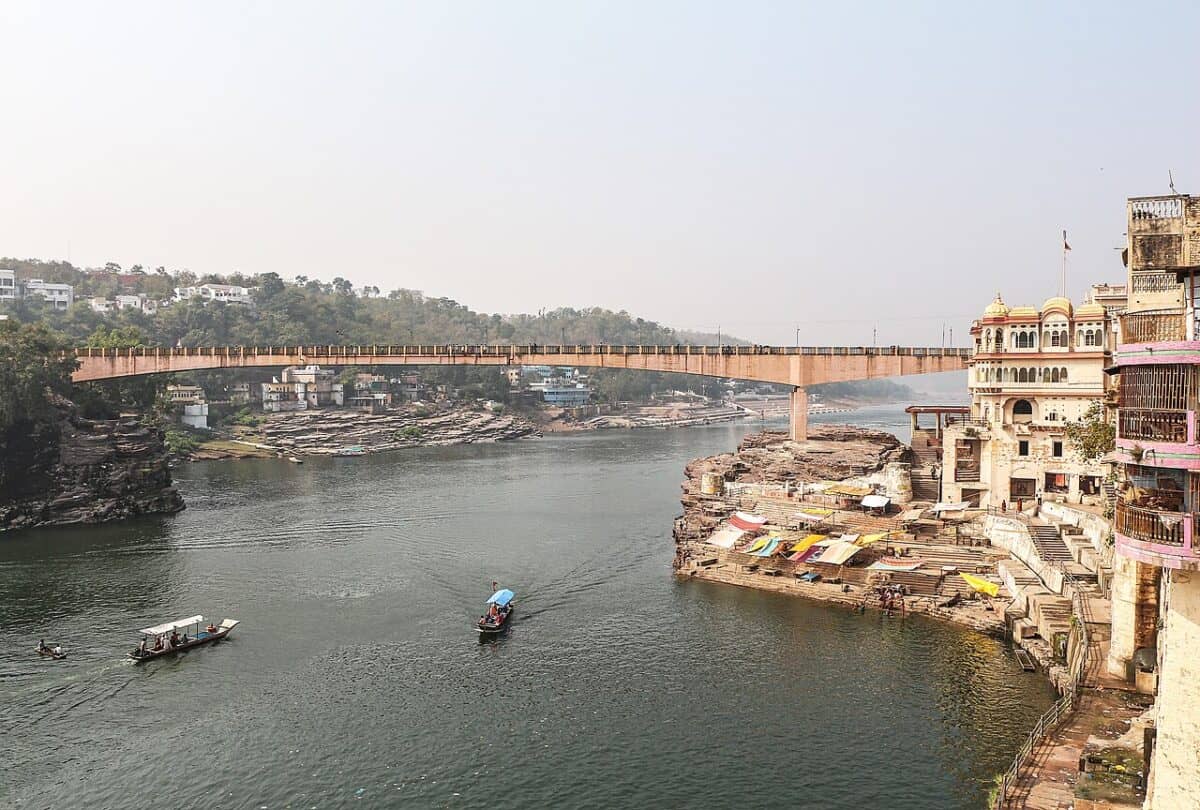
The Narmada River’s reversal is influenced by both tidal activity and human infrastructure. During high tides, especially in the monsoon season, solar storms and monsoon surges force the river to flow backward. Dams and embankments also play a role, managing the river’s flow for agricultural and hydropower purposes.
The Mekong River, Southeast Asia
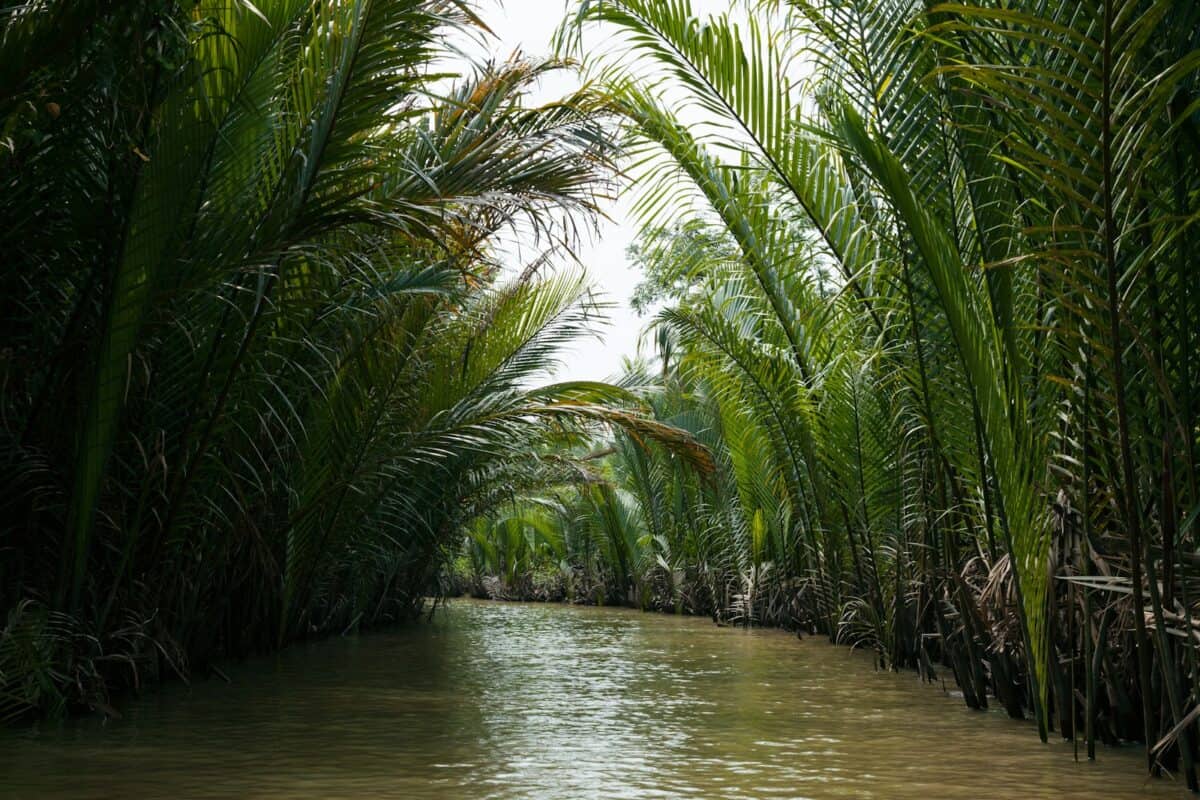
The Mekong River, one of the great rivers of Asia, may occasionally experience a reversed flow during significant rainfall events. Such events cause large volumes of water from downstream regions or increased dam releases to push upstream. These incidents highlight the delicate balance between natural water systems and engineered structures.
The Nile River, Egypt
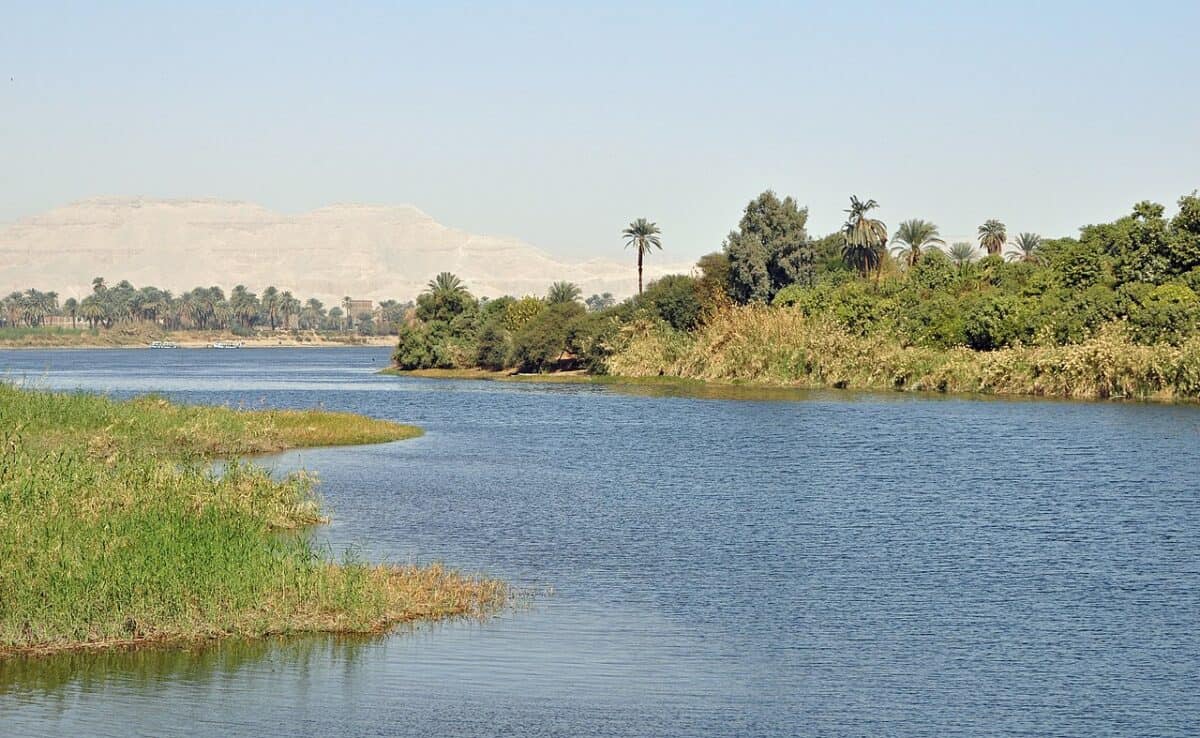
The ancient Nile, while primarily flowing northward to the Mediterranean, can exhibit brief and localized backward flow during intense flood seasons or changes in sediment load. Historical accounts describe how these shifts have long impacted Egyptian agriculture and settlement patterns, underscoring the river’s importance to the region’s history.
Concluding Thoughts
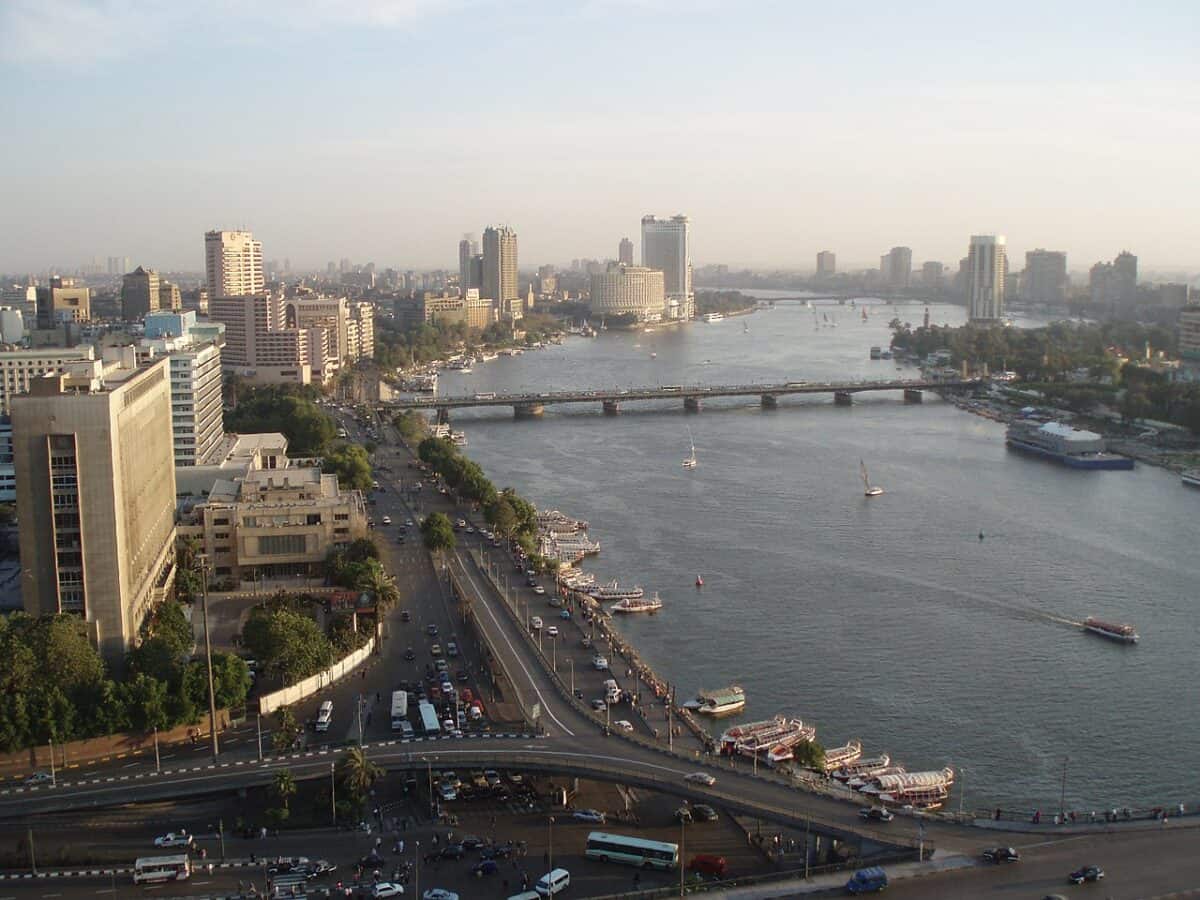
The instances of rivers flowing backward, whether caused by human intervention, tidal influences, or geologic shifts, serve as fascinating reminders of the dynamic and powerful forces shaping our planet’s rivers. Each occurrence offers a unique glimpse into the relationship between natural environments and human engineering, inviting us to appreciate and respect the fluid boundaries of nature.

As a little kid, I fell in love with nature, wildlife, and animals. Living in the USA, South Africa, Italy, China and Germany gave me the opportunity to discover the world's Wildlife. My favorite animals are Mountain Gorillas, Siberian Tigers, and Great White Sharks.
I'm a certified PADI Open Water Diver, went to Everest Base Camp and Trekked Gorillas in Uganda. I hold a Master of Science in Economics and Finance.
Please send any feedback to feedback@animalsaroundtheglobe.com
- 16 Most Loyal Dog Breeds in the World - August 2, 2026
- 10 Places Where Lightning Strikes More Than Anywhere Else - August 2, 2026
- The Animal With the Most Shock Absorption in Its Legs - August 2, 2026