

Worried about unexpected vet bills?
Pet insurance can cover thousands in unexpected vet costs. Get a free quote from Lemonade in under 2 minutes.
Get My Free Quote →Sponsored · Opens Lemonade.com
Crate training is an essential aspect of responsible dog ownership, providing both safety and comfort for your furry friend. A well-set-up crate serves as a cozy den for your dog, offering a personal space where they can retreat, relax, and feel secure. However, the idea of confining a pet may sound restrictive. It is crucial to remember that, when used correctly, a crate is not a punishment tool but a positive space that fosters good behavior and supports potty training. Let’s delve into how to set up a safe and comfortable crate for your dog, ensuring it meets your dog’s needs and promotes their well-being.
Selecting the Right Crate Type and Size
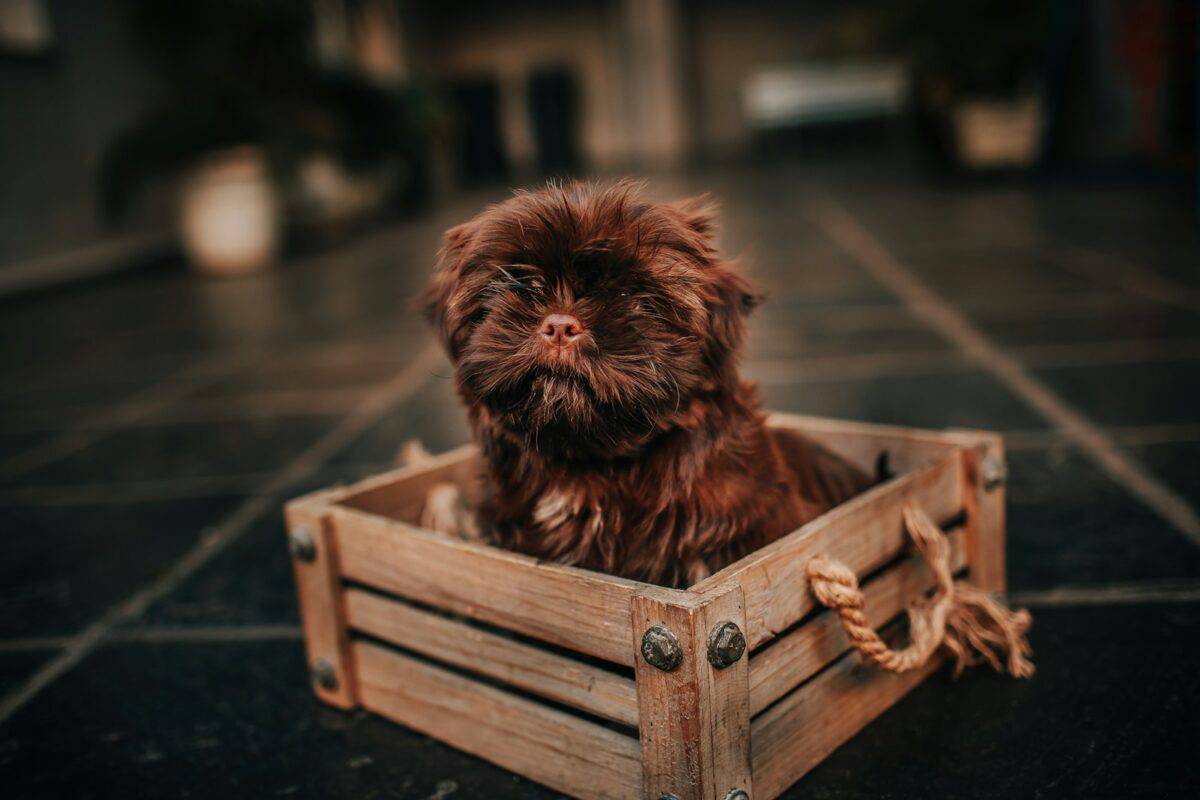
The first step in setting up a crate is choosing the right type and size. Crates come in various materials—wire, plastic, and fabric—each with its specific benefits. Wire crates provide excellent ventilation and visibility, while plastic crates offer den-like coziness, and fabric crates are lightweight and portable.
When it comes to size, ensure the crate is spacious enough for your dog to stand, turn around, and lie down comfortably. A crate that is too small can be uncomfortable, while a crate that is too large may undermine house training efforts. Measure your dog’s height and length, then add a few inches to determine the appropriate crate dimensions.
Creating a Comfortable Environment
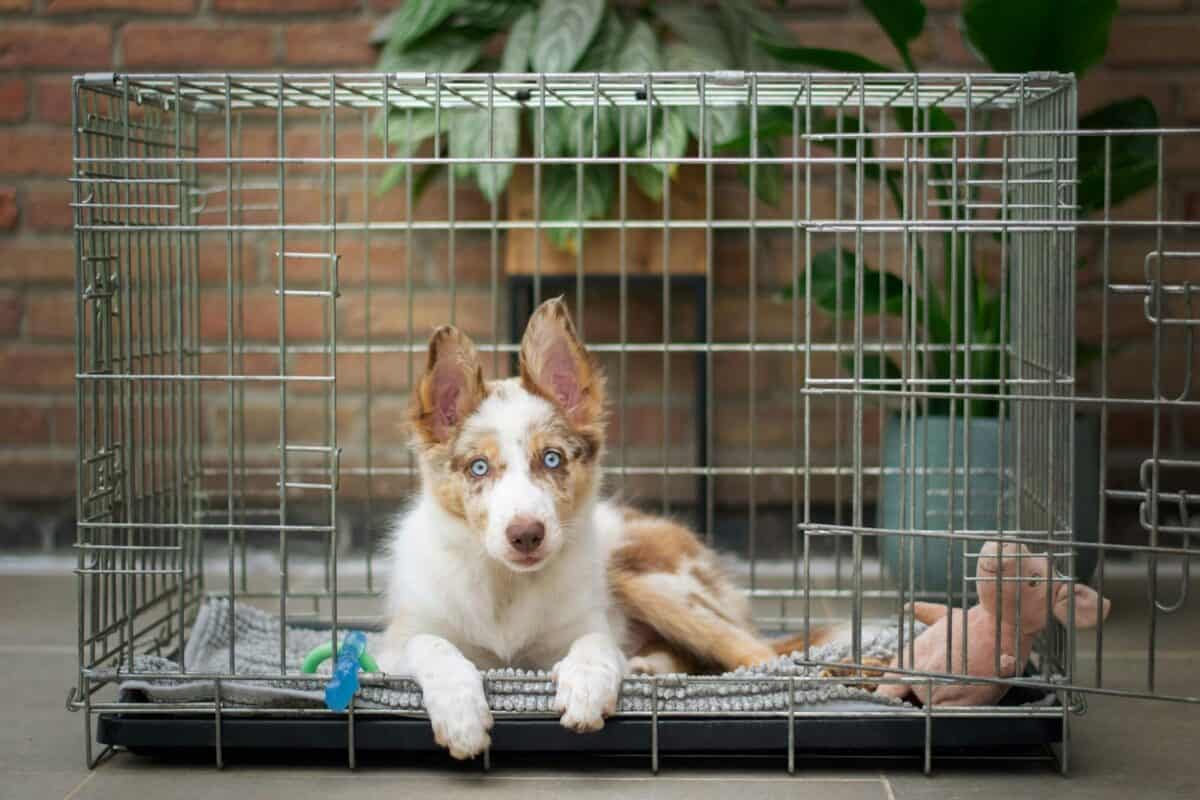
Once you have the right crate, it’s time to make it inviting. Start by adding a soft, washable bedding that provides comfort and warmth. Avoid materials that are easily destructible or hazardous if ingested, as some dogs have a tendency to chew. Consider placing a blanket or a towel to add layers if your pup enjoys burrowing. For dogs that may feel anxious, covering the crate with a light, breathable cover can induce calmness by mimicking a den-like environment.
Integrating Toys and Chews

To make the crate an engaging place where your dog is happy to spend time, introduce safe toys and chews. Durable chew toys can help keep your dog occupied and can be a soothing activity, especially for puppies that are teething. Rotating the toys regularly can also prevent boredom. Be sure to select toys that are appropriate for your dog’s size and chewing habits to prevent any choking hazards.
Positioning the Crate in the Home
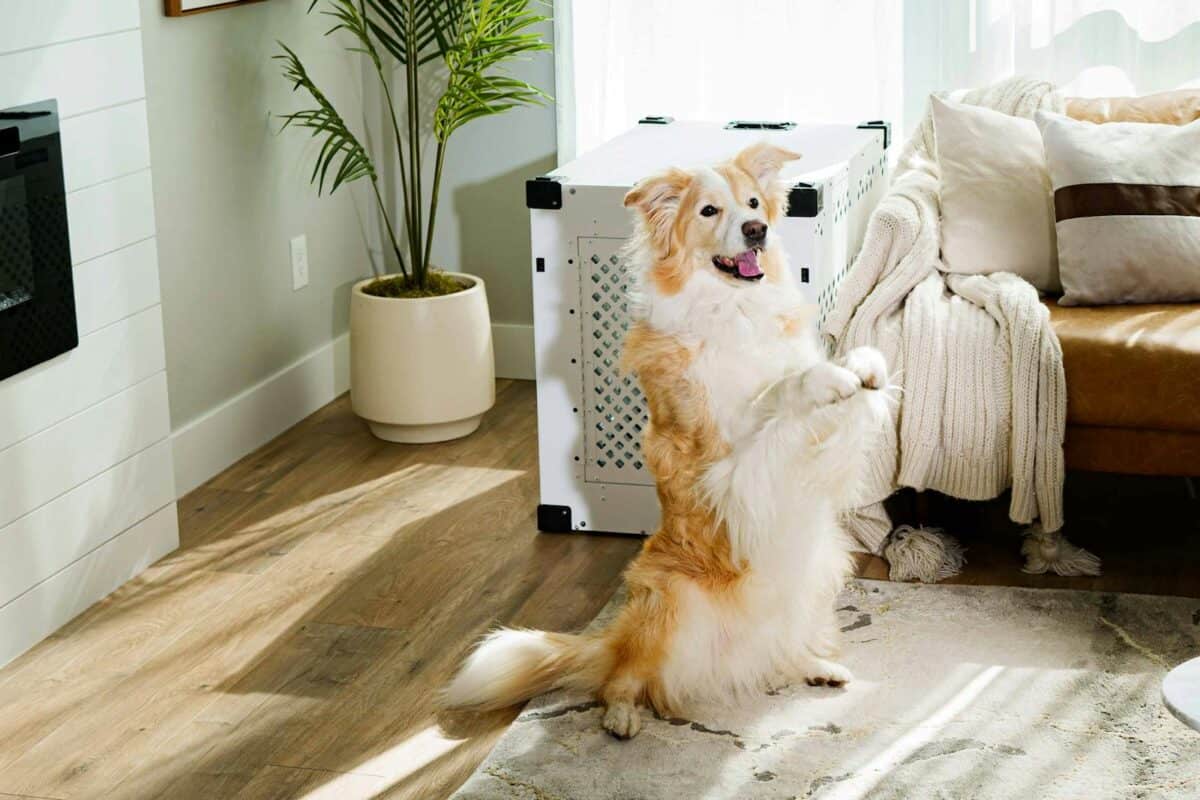
The location of the crate within your home can substantially affect how your dog perceives it. Place the crate in a central area, such as a living room or a family room, where they can observe household activities without feeling isolated. However, avoid high-traffic spots that might cause stress. The aim is to make the crate part of the dog’s environment while maintaining a quiet spot for rest.
Establishing a Routine

Consistency is key to successful crate training. Establish a routine that incorporates crate time, including mealtimes, naps, and overnight sleeping. Gradually increase the duration your dog spends in the crate, starting with short intervals and slowly extending as they become accustomed to it. Always use positive reinforcement, such as treats and praise, when your dog enters and relaxes in the crate willingly.
Safety Concerns and Precautions
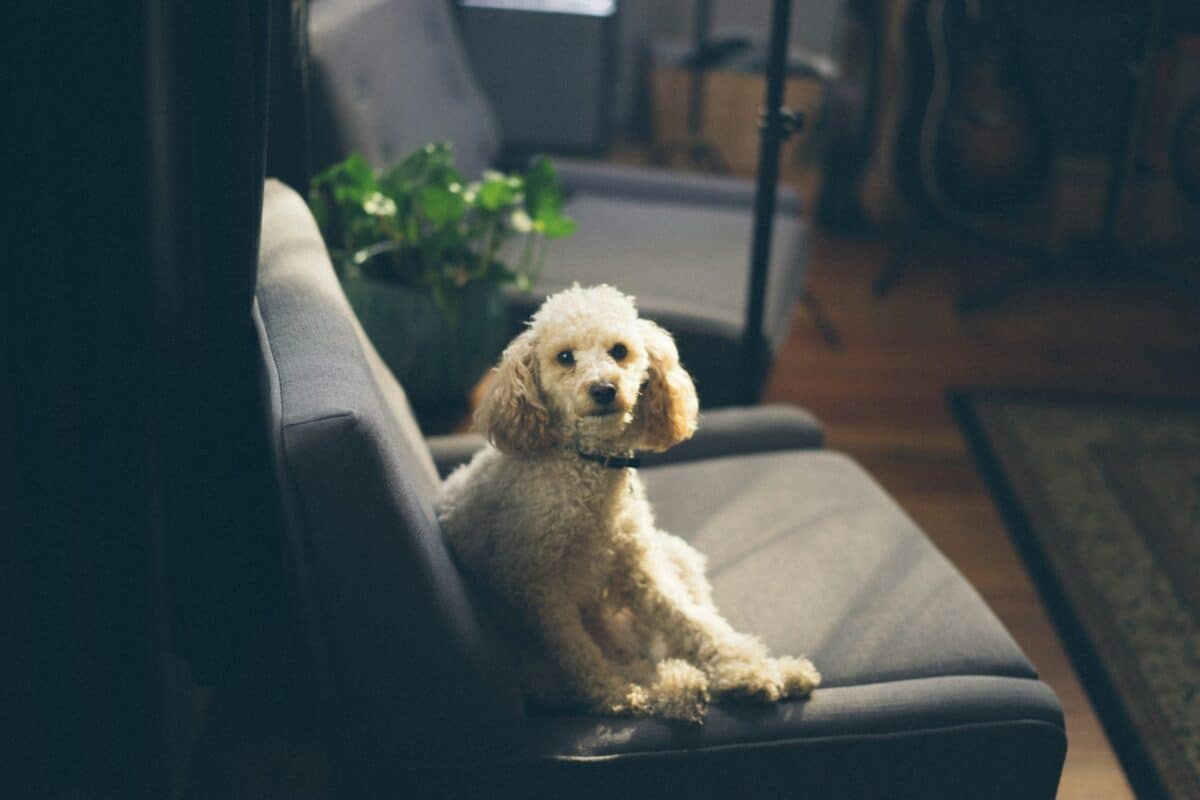
Ensuring the crate is a safe haven means considering several safety precautions. Remove any collars or tags when crating your dog to prevent accidental entanglement. Regularly inspect the crate for signs of wear or damage that could harm your dog. If your dog experiences anxiety or stress in the crate, consider consulting with a veterinarian or an animal behaviorist to address potential underlying issues.
Conclusion
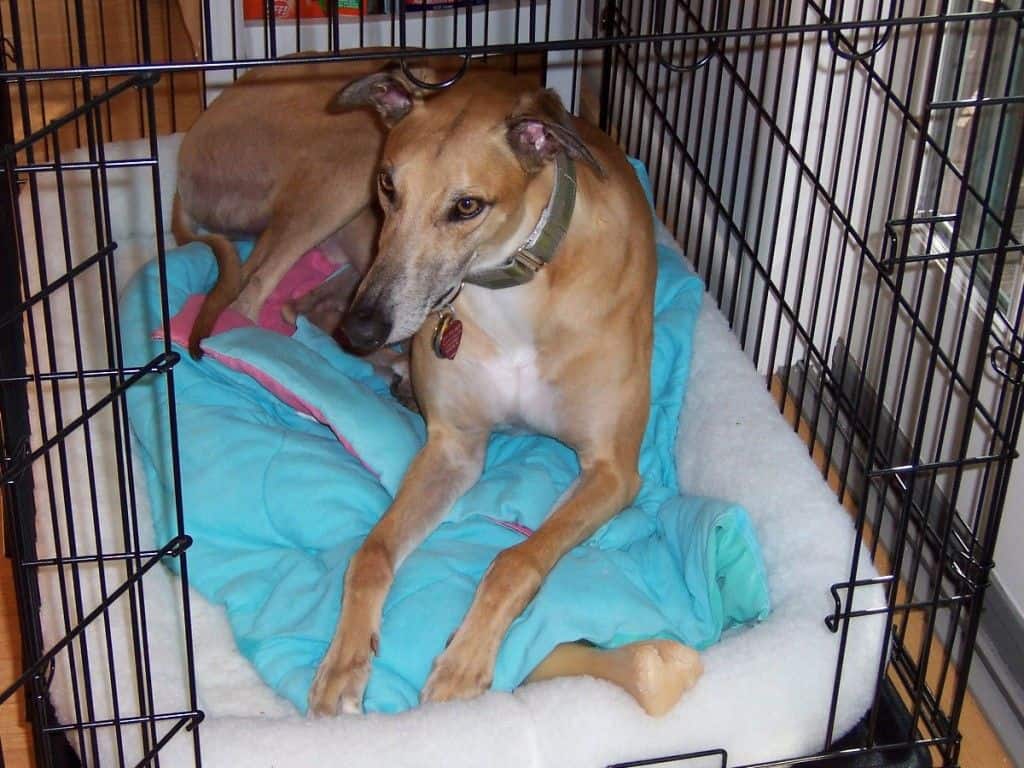
Setting up a safe and comfortable crate for your dog requires thoughtful consideration and a perceptive understanding of your pet’s needs. A well-prepared crate provides your dog with a sense of security and personal comfort, contributing positively to their overall behavior and well-being. By following these guidelines, you are well on your way to creating a haven where your dog feels loved, secure, and a valued family member.
Worried about unexpected vet bills?
Pet insurance can cover thousands in unexpected vet costs. Get a free quote from Lemonade in under 2 minutes.
Get My Free Quote →Sponsored · Opens Lemonade.com

- The Invasive Murder Hornet’s Impact on US Bee Population - June 6, 2026
- 20 Animals That Have Been Saved by Conservation Efforts - June 6, 2026
- 18 Most Playful Cat Breeds for Cat Lovers - June 5, 2026
Leave a comment
You must be logged in to post a comment.