


The red panda is a charismatic and charming creature that has captured the hearts of many with its adorable appearance and playful demeanour. Despite its popularity, the red panda faces significant threats in the wild and has been classified as Endangered by the International Union for Conservation of Nature (IUCN). This article explores the fascinating biology, habitat, and conservation challenges of red pandas, shedding light on their struggle for survival and the efforts being made to protect them.
Biology and Physical Characteristics
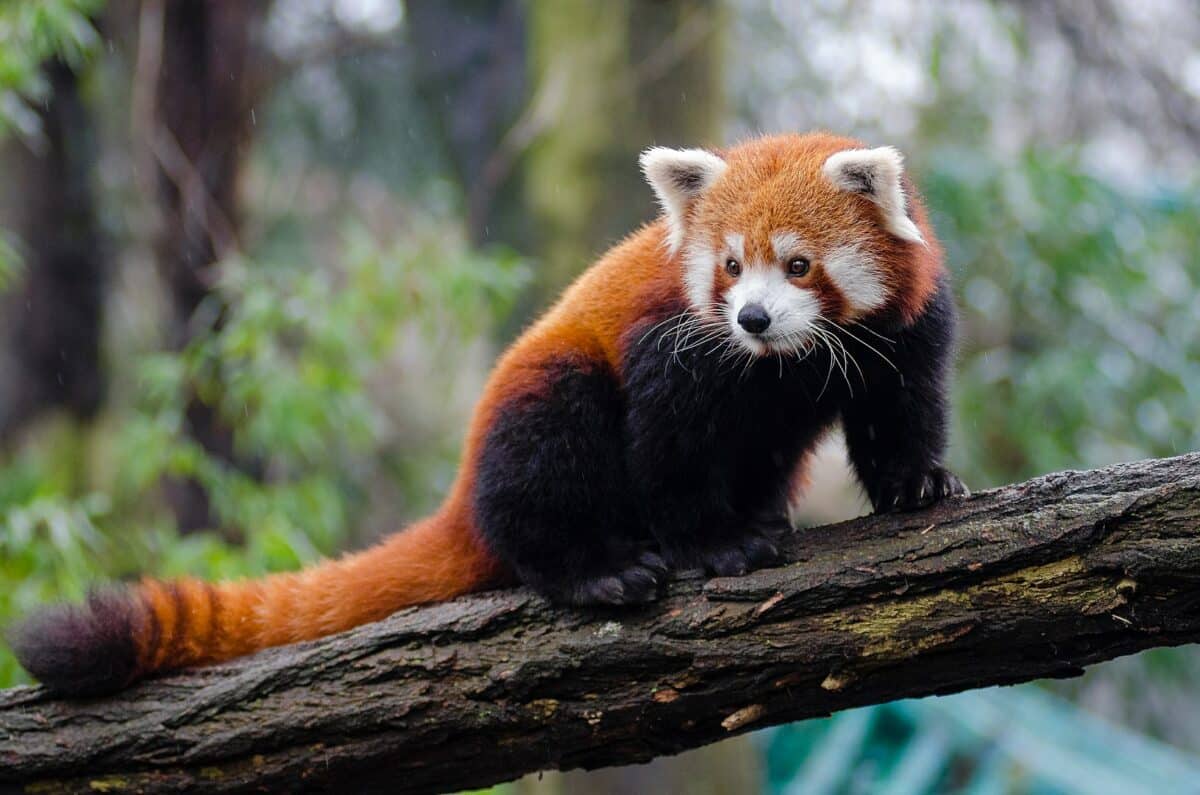
Red pandas (Ailurus fulgens) are small, arboreal mammals native to the temperate forests of the Himalayas, including regions in Nepal, Bhutan, northern India, Myanmar, and southern China. Despite their name, red pandas have no close relation to giant pandas; they are part of their own distinct family, Ailuridae. This unique lineage contributes to their distinct characteristics, setting them apart from other species.
Weighing between 8 to 14 pounds and measuring around 20 to 25 inches in body length, red pandas are slightly larger than domestic cats, though their long, bushy tails can add 18 inches. Their reddish-brown fur provides camouflage among the reddish moss and white lichens of their forest environment. The distinctive facial markings and dark lower bodies add to their enchanting appearance.
Habitat and Diet

Red pandas inhabit high-altitude, temperate forests that provide the cool climate and abundance of bamboo they thrive on. Bamboo constitutes approximately 95% of their diet, which makes them bamboo specialists like their namesake, the giant panda. While bamboo is the staple of their diet, red pandas occasionally eat eggs, fruits, insects, and small mammals.
These solitary creatures are largely nocturnal and crepuscular, meaning they are most active during the twilight hours. They spend much of their time in the trees, using their semi-retractable claws and long, bushy tails for balance and warmth. Habitat loss, however, poses a serious threat to their survival, as the forests they rely on are being steadily destroyed.
Threats to Survival
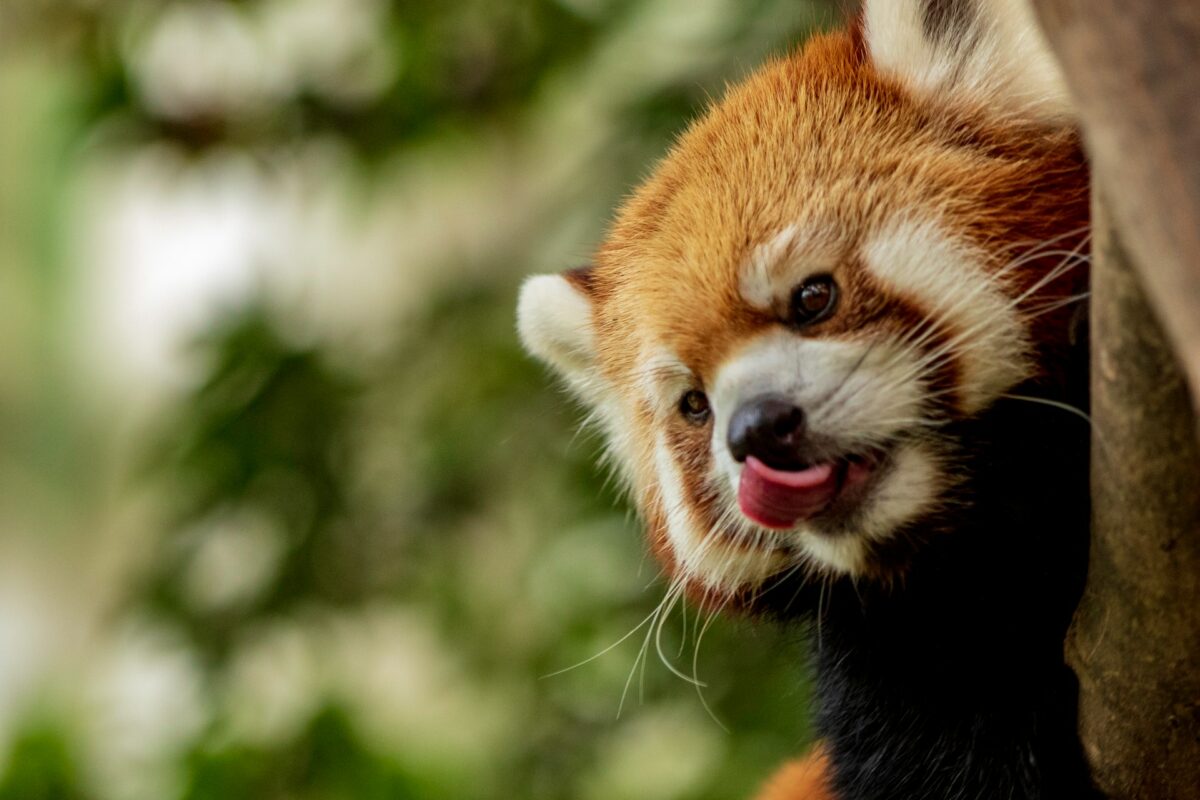
Red pandas are currently listed as Endangered due to a variety of factors, chief among them being habitat destruction and fragmentation. Deforestation for agriculture, logging, and infrastructure development significantly reduces their natural habitat, isolating populations and making it difficult for them to find food and mates.
Illegal hunting and poaching also pose a severe threat to their survival. Red pandas are hunted for their distinctive pelts and captured for the illegal pet trade. Additionally, the effects of climate change are exacerbating these challenges by altering the delicate balance of their habitats and food supply.
Conservation Efforts

Conservationists and organizations worldwide are working diligently to protect red pandas and their habitats. Efforts include anti-poaching initiatives, habitat restoration projects, and community-based conservation programs that involve local communities in protecting these animals. By promoting ecotourism and offering sustainable livelihood alternatives, these programs aim to reduce human impact on red panda habitats.
Zoos and wildlife parks around the globe are also playing a critical role in conservation through captive breeding programs and raising awareness about the plight of red pandas. By studying red panda biology and behaviour in these environments, researchers can gather valuable data to inform conservation strategies.
Conclusion

The red panda is a symbol of the rich biodiversity found in the Himalayas but also highlights the vulnerabilities many species face due to human activities. Their charm and unique characteristics make them a beloved figure in the animal kingdom, yet this is not enough to ensure their survival. It requires a concerted effort on the part of conservationists, governments, and local communities to address the threats they face and secure a future where red pandas can flourish. By taking steps to protect these enchanting creatures, we contribute to the preservation of the entire ecosystem they inhabit.

As a little kid, I fell in love with nature, wildlife, and animals. Living in the USA, South Africa, Italy, China and Germany gave me the opportunity to discover the world's Wildlife. My favorite animals are Mountain Gorillas, Siberian Tigers, and Great White Sharks.
I'm a certified PADI Open Water Diver, went to Everest Base Camp and Trekked Gorillas in Uganda. I hold a Master of Science in Economics and Finance.
Please send any feedback to feedback@animalsaroundtheglobe.com
- Why Australia Is the Best Place to Spot Kangaroos in the Wild - August 2, 2026
- If The Wolf is Your Spirit Animal, Here’s What It Means - August 2, 2026
- 14 Native U.S. Animals Making a Major Comeback - August 2, 2026