

There is a frog out there that freezes solid every winter, stops its own heartbeat, lets its blood turn to ice, and then simply wakes up in spring like nothing happened. There is a microscopic animal that has survived in outer space, endured all five mass extinctions in Earth’s history, and can exist for decades without food or water. And there is a jellyfish that, when it gets old or sick, just reverses its own aging entirely.
Nature’s most extreme survivors are not the biggest, the fastest, or the most fearsome. They are, honestly, some of the strangest, most overlooked creatures on the planet. Yet what they have achieved through millions of years of evolution puts human endurance to absolute shame. So let’s dive in.
The Tardigrade: Earth’s Indestructible “Water Bear”
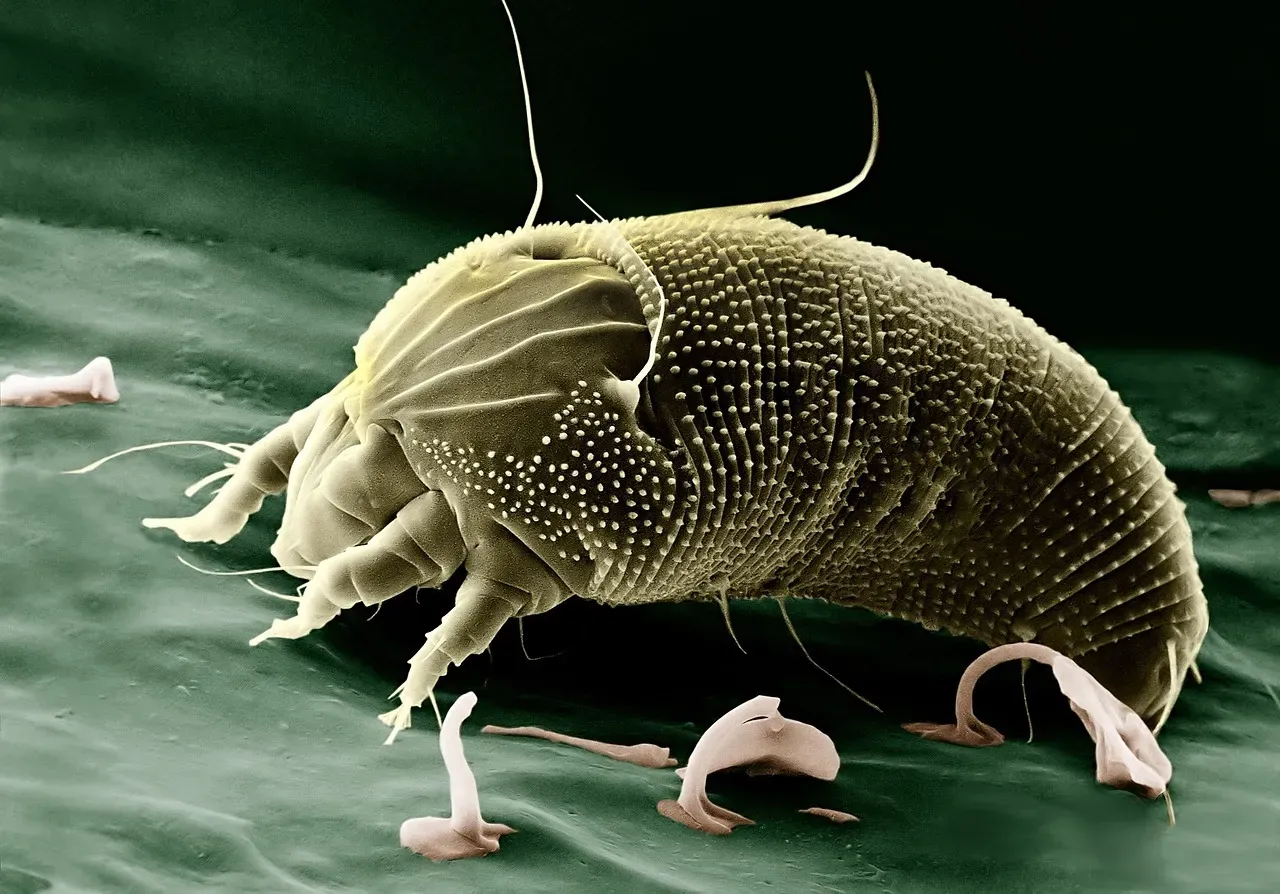
Here is something that genuinely blew my mind when I first encountered it. Tardigrades live in diverse regions of Earth’s biosphere, from mountaintops and the deep sea to tropical rainforests and the Antarctic, and they are among the most resilient animals known, capable of surviving extreme temperatures, extreme pressures, air deprivation, radiation, dehydration, and starvation. Think about that for a moment. Every single environment on Earth, and they have conquered all of them.
Measuring less than half a millimeter long, tardigrades can survive being completely dried out, being frozen to just above absolute zero, heated to more than 300 degrees Fahrenheit, irradiated several thousand times beyond what a human could withstand, and even the vacuum of outer space. In human terms, that is like being nuked, frozen in liquid nitrogen, and then launched into space, all before lunchtime.
Tardigrades are capable of suspending their metabolism, going into a state of cryptobiosis. Terrestrial and freshwater tardigrades are able to tolerate long periods when water is not available by drawing their legs in and forming a desiccated cyst, the cryptobiotic “tun” state, where no metabolic activity takes place. In this state, they can go without food or water for several years. Some estimates push that figure to more than three decades.
Tardigrade DNA is protected from radiation by the Dsup (“damage suppressor”) protein. The Dsup proteins promote survival by binding to nucleosomes and protecting chromosomal DNA from hydroxyl radicals. Scientists are now actively exploring whether this protein could one day protect human cells from radiation damage. The tiniest creature on Earth may hold the key to treating cancer. Let that sink in.
A study published in Scientific Reports showed that these tiny creatures will survive the risk of extinction from all astrophysical catastrophes, and be around for at least 10 billion years, far longer than the human race. We are not the planet’s most dominant species. The tardigrade is. We just haven’t accepted it yet.
The Wood Frog: The Animal That Dies and Comes Back
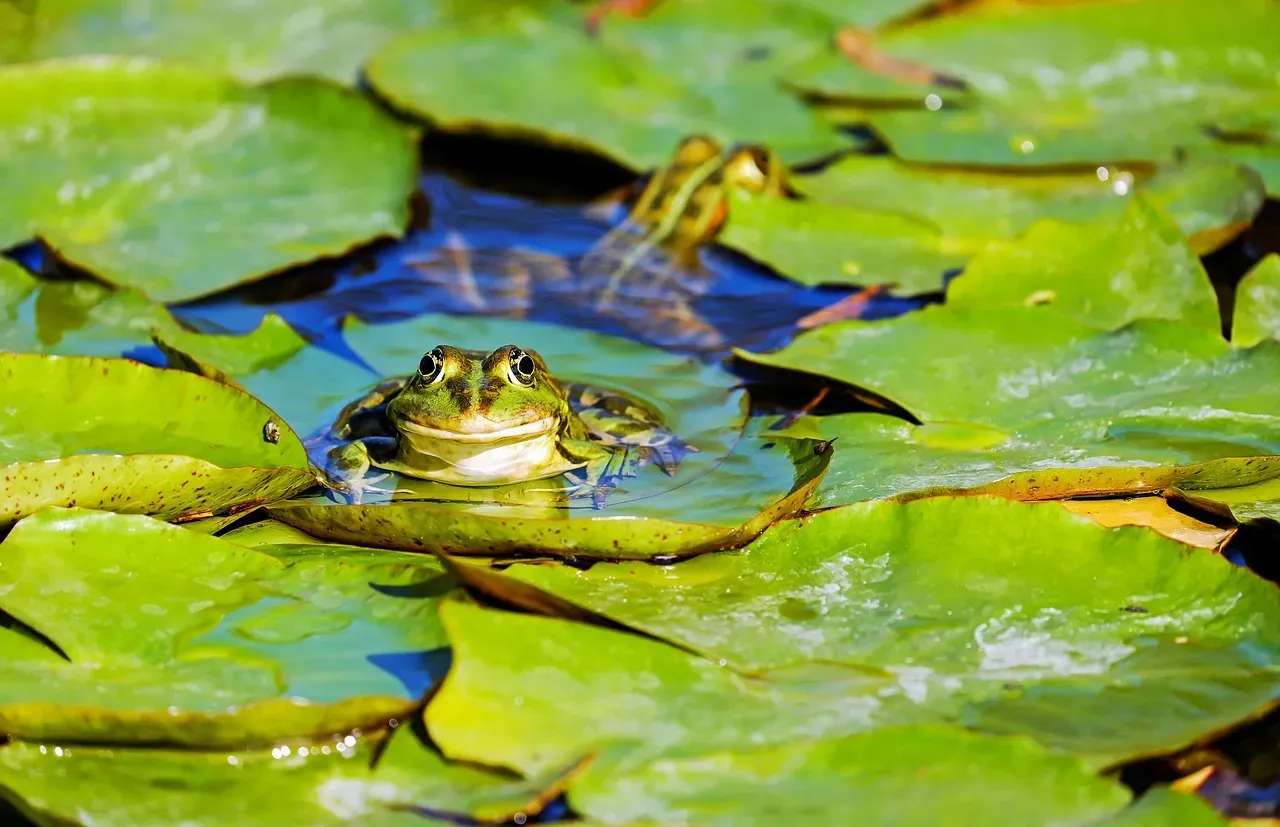
Another creature that can survive an extreme chill is the wood frog. Rather than insulating themselves, these undistinguished-looking amphibians have the remarkable ability to survive actually being frozen. Not just cold. Not just chilly. Completely, utterly, solidly frozen. Heart stopped. Blood iced over. Lungs shut down.
As the temperature drops below freezing, the frog freezes solid, with up to 70 per cent of the water in its body turning to ice. Crucially, it is the liquid outside its cells and organs that freezes, rather than inside, where freezing would cause irreparable damage. The frog prevents its cells freezing by producing substances called cryoprotectants, essentially antifreeze made from glucose and urea. It is a natural biochemical engineering miracle, and it happens inside a frog that most people would walk past without a second thought.
During this time, the frog stops breathing, its heart stops beating and its kidneys stop functioning. Wood frogs have been recorded staying frozen for as long as eight months. As temperatures rise in the spring, the frog thaws, starting with its heart and brain, and within 10 hours, it is back to normal function. Eight months. Frozen solid. Then, hop. Off it goes to find a mate.
While humans are not able to withstand blood glucose levels over twice the norm, wood frogs can tolerate blood glucose levels up to 100 times their normal average. If any human had blood sugar that high, they would not survive. The wood frog thrives on it. Scientists are studying this freeze-thaw process in the hope of developing technology for the storage and transportation of human organs for transplants, as human organs cannot survive the freezing process currently. A small frog from the forest floor could one day save thousands of human lives.
The Cockroach: The Survivor That Outlasted the Dinosaurs
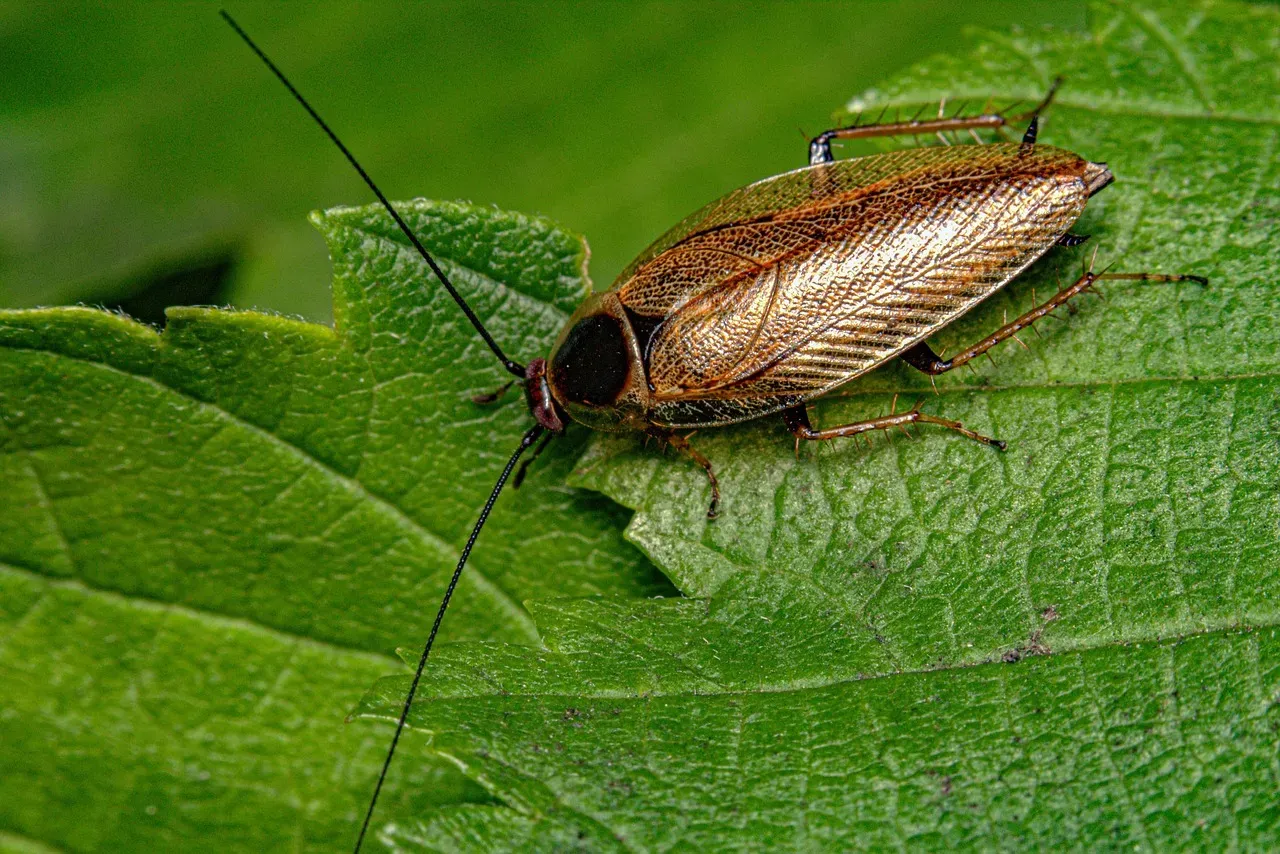
Let’s be real. Nobody likes cockroaches. They are the uninvited guest at every party, the horror of every kitchen, the subject of nightmares worldwide. Still, it would be deeply unfair not to give them their due. For over 300 million years, cockroaches have scuttled through Earth’s changing landscapes, surviving mass extinctions, ice ages, and even human attempts to eradicate them. Three hundred million years. Dinosaurs came and went. Ice ages came and went. Cockroaches just kept scuttling.
These insects can survive extreme conditions, including intense heat, cold, and even radiation levels that would be lethal to humans. They can live for weeks without food and water, and some species are capable of enduring extreme dryness. Cockroaches also have a unique ability to withstand high levels of radiation, far more than humans can tolerate. Their radiation resistance alone makes them the stuff of post-apocalyptic legend.
While most insects die almost instantly when they lose their heads, cockroaches can continue living for days after decapitation. This is not science fiction, it is a documented biological reality that reveals just how incredibly resilient these persistent household invaders truly are. Think of it like a headless chicken, except far more disciplined and far more terrifying.
Cockroach neural networks operate through multiple ganglia, or nerve clusters, located throughout their body rather than centralized brain control. These distributed nerve centers can coordinate basic functions including movement, reflexes, and responses to environmental stimuli without input from the brain. Their whole body is essentially a backup brain. Nature truly does not waste anything.
The Immortal Jellyfish and the Naked Mole Rat: Defying Death Itself
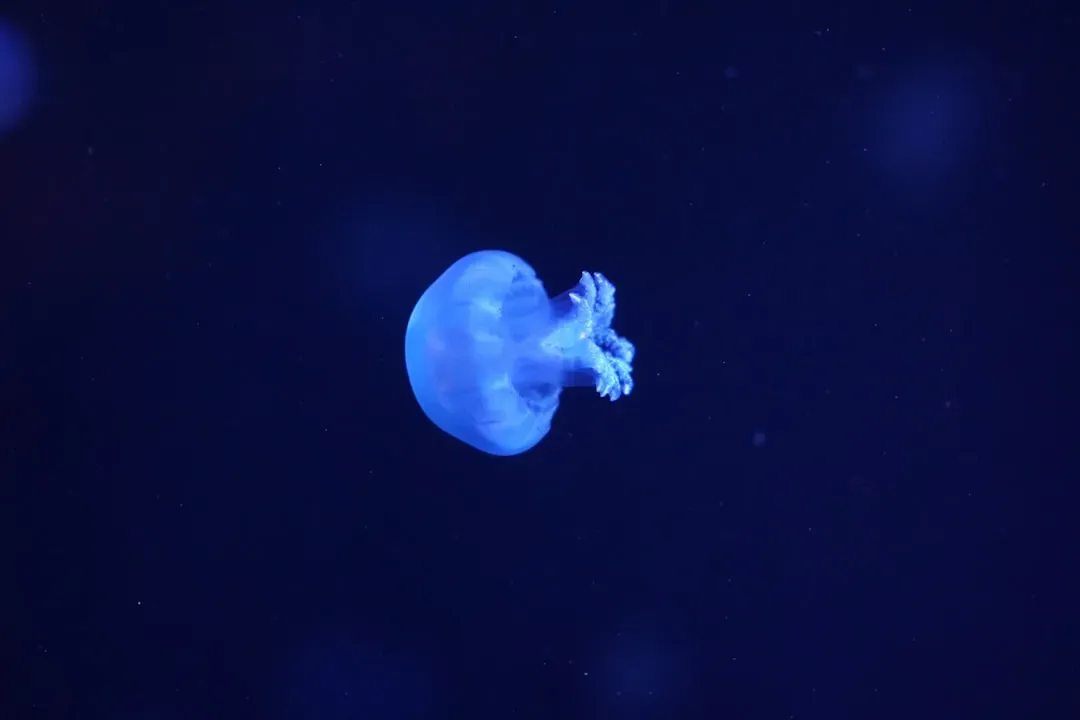
If tardigrades are the toughest creatures alive, then the immortal jellyfish and the naked mole rat are arguably the most bizarre. They do not just survive harsh conditions. They seem to actively refuse to age. The species Turritopsis dohrnii is the most famous example of biological immortality. When stressed, injured, or simply old, this jellyfish does something no other known animal can: it reverts from its adult form back into its juvenile polyp stage, essentially restarting its life cycle. It is like a human shrinking back into a baby when they get too old. Impossible, right? Not for this four-millimeter jellyfish.
This process, called transdifferentiation, allows the jellyfish’s cells to transform from one type to another, enabling the adult jellyfish to collapse in on itself, reabsorb its tentacles, and transform back into a polyp colony that can produce new, genetically identical jellyfish. Theoretically, this cycle could continue indefinitely. The operative word is theoretically. It still gets eaten by predators. Immortality in the wild is never a guarantee.
Despite their small size, naked mole rats can live over 30 years, nearly 10 times longer than similarly sized mice. Even into their late 20s, they hardly seem to age, remaining fit and healthy with robust heartbeats, strong bones, sharp minds, and high fertility. They do not seem to feel pain, and, unlike other mammals, they almost never get cancer. For a rodent the size of a thumb, that is extraordinary.
Beneath the dry soils of East Africa lives an animal that seems to have broken the rules of biology, the naked mole rat. With wrinkled skin, tiny eyes, and a social structure more like ants than mammals, this creature may not look like much. Yet it is one of the most extraordinary survivors on Earth. Scientists believe that understanding the mole rat’s cancer resistance could provide real breakthroughs in human oncology research. It is hard to say for sure, but the potential is enormous.
Deep-Sea Extremophiles and the Pompeii Worm: Life in the Impossible Zone
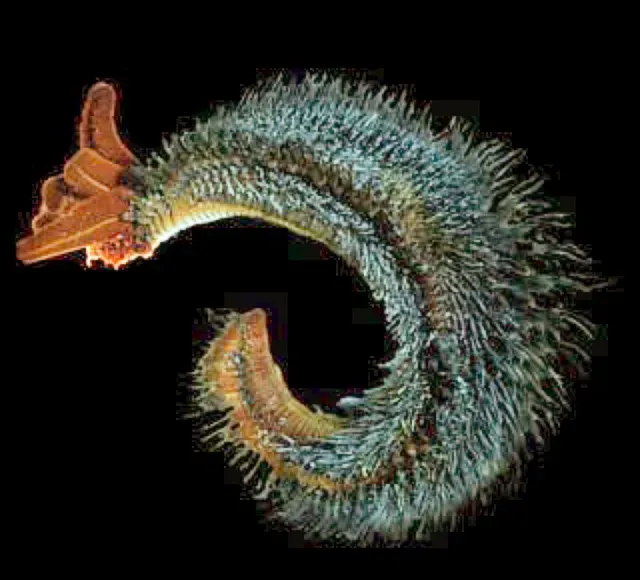
If space is the final frontier, then the deep ocean floor might be a close second. The pressure down there would crush a human like a tin can. The temperatures near hydrothermal vents would boil flesh instantly. Pompeii worms are remarkable marine creatures that thrive near hydrothermal vents in the depths of the ocean, where temperatures soar above 80 degrees Celsius. These worms owe their survival to a symbiotic relationship with bacteria that insulate them from the extreme heat and acidity. Their walls of bacterial colonies serve as living protective suits, enabling them to thrive in one of the most hostile environments on Earth. It is like wearing a living coat made of microscopic organisms. Nature’s version of a hazmat suit.
The Pompeii worm’s endurance is not just physical, it is evolutionary genius. It turns lethal heat into a life-giving force, proving that cooperation, not just toughness, can be a path to resilience. There is a lesson buried in that somewhere, even for us.
These deep-sea creatures survive without sunlight and use bacteria in their bodies to convert chemicals from the vents into food in a process called chemosynthesis. No sun. No photosynthesis. No problem. They simply rewrote the rules of how life gets its energy. The entire concept that life needs sunlight to survive was overturned the moment scientists discovered these creatures in 1977.
As Earth’s climate grows more volatile, these extremophiles offer vital clues for science. Their adaptations could inspire breakthroughs in biotechnology, medicine, and even space exploration. We are only just beginning to understand what they have mastered over millions of years. Every new discovery in these extreme ecosystems rewrites our understanding of what life is capable of.
Conclusion: What These Creatures Teach Us About Survival
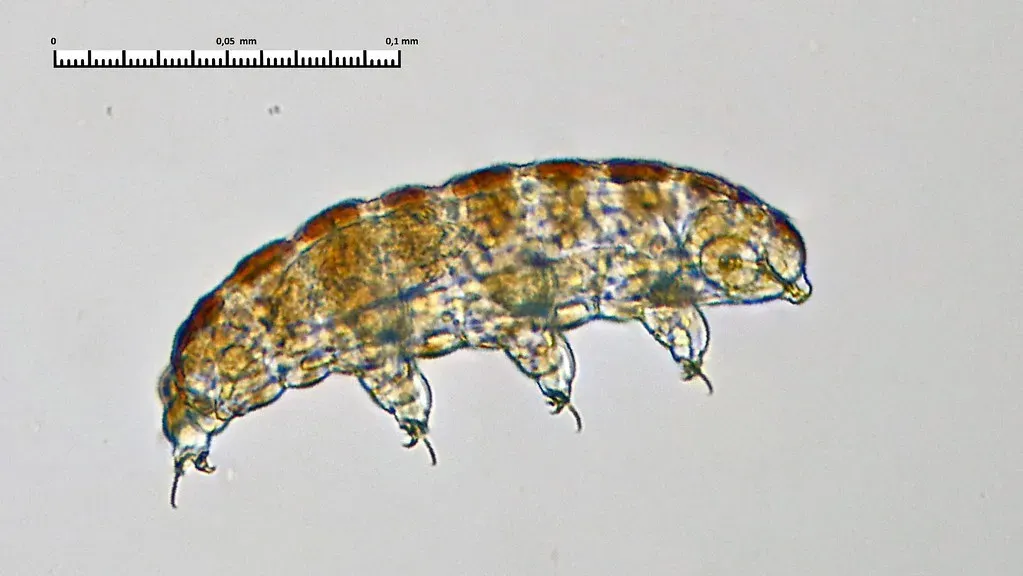
There is something genuinely humbling about looking at a half-millimeter water bear and realizing it would outlive humanity in almost any catastrophic scenario imaginable. Or watching a frozen frog thaw back to life on a spring morning like it just took a long nap. These creatures are not just biological curiosities. They are living proof that life does not give up easily.
The creatures that thrive in extremes are not just survivors, they are living testaments to life’s unyielding will to persist. Resilience in nature is not merely strength, it is adaptability, ingenuity, and an almost poetic defiance of the impossible. That is the real takeaway here.
Honestly, the more science uncovers about these animals, the more it seems like we are the fragile ones. Human beings cannot handle a week without food, a few minutes without oxygen, or even a mild sunburn without complaint. These creatures laugh at radiation, freeze their own hearts on purpose, and reverse their own aging. In a strange, wonderful way, they are teaching us how to be tougher, healthier, and more resilient ourselves, one astonishing biological secret at a time.
Which of these creatures surprised you the most? Drop your thoughts in the comments below.
