

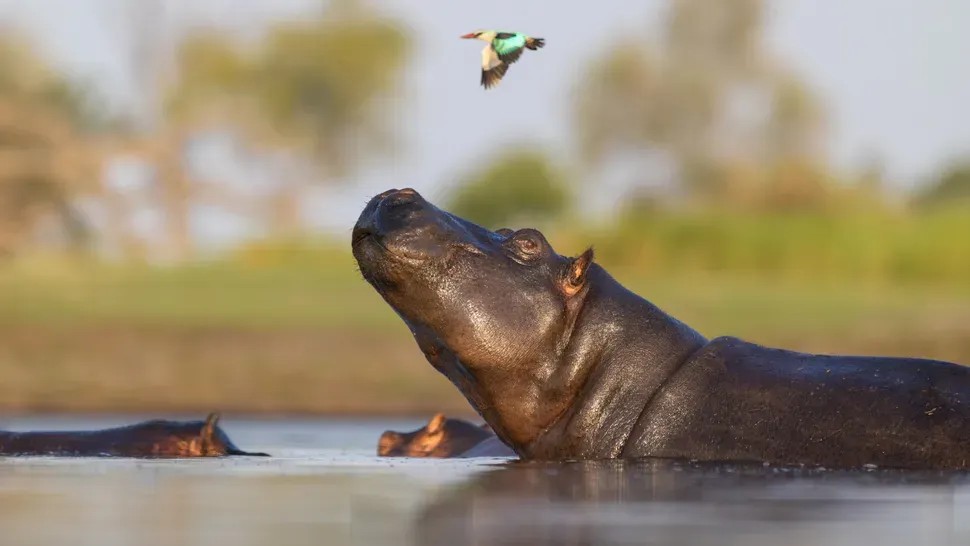
Walk through a tropical forest and you’ll notice something odd. The birds are electric blue, the frogs are neon green, the lizards shimmer like living jewels – and then there’s a squirrel. Brown. Just brown.
It’s easy to take this for granted, but honestly, it’s one of nature’s most fascinating mysteries. Why are mammals, the supposedly “advanced” class of animals, so remarkably drab compared to nearly everything else crawling, swimming, or flying around them? The answer stretches back millions of years, and it’s far more dramatic than you’d expect. Let’s dive in.
The Ancient Roots of Mammalian Dullness
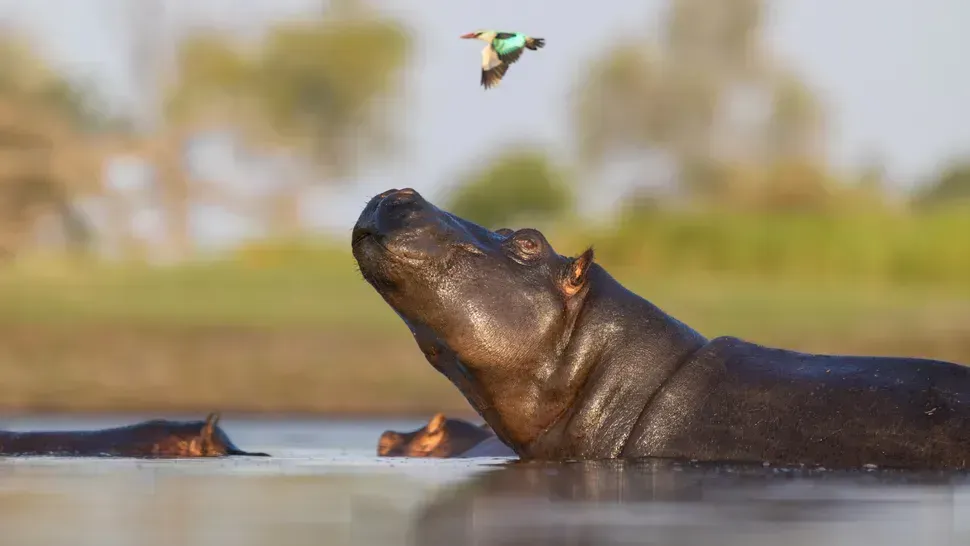
Here’s the thing: mammals weren’t always destined to be boring. The story actually starts with our very distant ancestors, the early synapsids, who roamed the Earth long before the age of dinosaurs. These creatures likely had a broader color palette available to them, at least in theory.
The real turning point came during a brutal evolutionary bottleneck. Early mammals were small, nocturnal, and hiding for their lives from predators. Being flashy in the dark is pretty much pointless. Over tens of millions of years, natural selection simply had no reason to preserve or develop vivid pigmentation – staying invisible was the whole game.
The Eye Has It: How Vision Shaped Everything
Most mammals today are dichromats. That means they only have two types of color-sensitive cone cells in their eyes. Compare that to birds and reptiles, which often have four cone types, letting them perceive a dazzling range of colors that we can’t even imagine.
This matters enormously because coloration and vision evolve together. There’s genuinely no point in a species developing stunning red and blue markings if its own kind can’t even see them properly. It’s like painting a masterpiece for an audience that’s colorblind. The loss of color vision in early nocturnal mammals essentially broke the evolutionary feedback loop that drives colorful displays in other animals.
Melanin: The One Trick Pony of Mammal Pigmentation
When you look at the range of mammal colors, almost all of it comes down to a single pigment system: melanin. Specifically, two forms called eumelanin (which produces blacks and browns) and phaeomelanin (which creates yellows and reds). That’s essentially the entire toolkit.
Reptiles, fish, and birds, on the other hand, can tap into structural colors, carotenoids they absorb from food, and even biopigments that mammals simply cannot produce. Some fish literally have iridescent cells called iridophores that bend light itself to create color. Mammals never evolved the genetic machinery for most of these. Honestly, it’s a bit like being stuck painting with only two colors while everyone else has the full set.
The Nocturnal Bottleneck That Changed Everything
Scientists often refer to a specific period as the “nocturnal bottleneck,” a stretch of evolutionary time lasting roughly one hundred million years during which mammalian ancestors lived primarily in the dark. This wasn’t just a lifestyle choice – it was survival. The dinosaurs owned the daytime, and mammals simply adapted to the scraps of time left over.
During this long nocturnal phase, color vision degraded because it wasn’t useful in low light conditions. The genetic pathways responsible for producing diverse pigments also began to shrink through a process called gene loss. You don’t maintain expensive biological machinery you never use. By the time mammals eventually re-entered daylight habitats, the tools for color were largely gone – and they never came back.
Primates Are the Weird Exception (And That Includes Us)
Here’s where it gets genuinely interesting. Old World primates, including humans, actually re-evolved a third type of cone cell. This brought trichromatic color vision back into the picture, letting us see reds, greens, and blues much more vividly than most other mammals.
The leading theory? Fruit. Being able to spot ripe red fruit against a green canopy gave primates a significant survival advantage. It’s a striking example of evolution solving a problem it previously created. Still, even with this upgrade, primates haven’t re-developed the vivid skin pigmentation seen in birds or reptiles. The exception to that might be mandrills, whose males display brilliant blue and red facial coloration – one of the most dramatic examples of color in any mammal. I think mandrills deserve far more attention for basically doing what every other mammal decided wasn’t worth the effort.
Does Camouflage Explain It All?
A common assumption is that dull coloration simply helps mammals hide from predators. While that’s partially true, it’s not the whole story. Camouflage does play a real role, especially in prey species like deer, rabbits, and mice. Blending into a background of bark, soil, or dry grass is genuinely life-saving.
However, camouflage doesn’t fully explain why even large predators like lions and tigers aren’t more colorful. After all, plenty of brightly colored animals are also excellent at hiding. Poison dart frogs are vivid precisely to be seen. The camouflage explanation works as one piece of the puzzle, but reducing the entire story to “mammals are brown to hide” would be oversimplifying things badly. The real picture is a tangled web of vision loss, pigment gene erosion, ecological pressure, and just plain evolutionary bad luck.
Could Mammals Ever Become More Colorful?
It’s a wild question to sit with. Evolutionary timescales are immense, so don’t expect peacock-patterned tigers anytime soon. However, small bursts of color have appeared in mammals when selection pressure demands it. Mandrills, as mentioned, are a clear example. Certain golden monkeys, some species of squirrels, and even the stripped patterns of zebras show that mammalian pigment systems aren’t completely rigid.
The deeper constraint isn’t just pigmentation – it’s vision. Until mammalian color perception becomes significantly richer across more species, there’s simply no strong evolutionary incentive to develop flashy displays. The audience wouldn’t fully appreciate the show. It’s a bit of a chicken-and-egg problem: you need vivid colors to drive selection for better color vision, and you need better color vision to make vivid colors worthwhile in the first place.
Conclusion: Nature’s Most Underrated Mystery
There’s something almost poetic about the fact that mammals, widely considered the pinnacle of vertebrate evolution, are arguably the least visually spectacular. The reasons are buried deep in a hundred-million-year-old survival story, written in darkness, driven by predator pressure, and sealed by the slow erosion of genes we’d need to paint ourselves bright.
What strikes me most is how much of our biology was shaped not by what we gained, but by what we were forced to give up. The drab coat of a mouse or a wolf isn’t a failure – it’s a historical document. Every shade of brown is a fossil record of survival under impossible pressure. So next time you see a brilliantly colored bird and a plain gray squirrel side by side, consider which one carries the more dramatic backstory.
What do you think – does this change the way you see the animals around you? Drop your thoughts in the comments.

- Beavers Are Nature’s Engineers, Creating Vital Habitats for Other Wildlife Species - July 21, 2026
- The Recovery of the California Condor Offers Hope for Other Critically Endangered Birds - July 21, 2026
- Bats Play a Crucial Role in Controlling Insect Populations Across the United States - July 21, 2026