

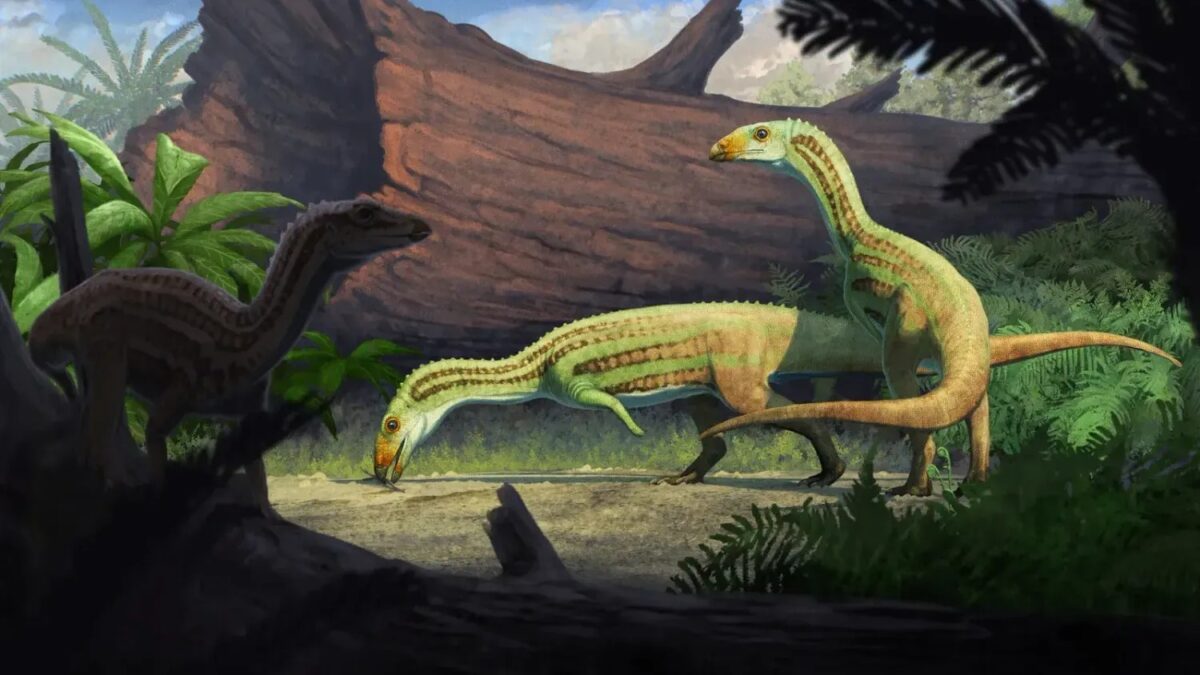
Millions of years before crocodiles became the semi-aquatic, ambush-predator machines we know today, their ancestors were doing something surprisingly different. Something that honestly makes you rethink everything you thought you knew about these ancient reptiles.
A newly studied fossil is rewriting the early chapters of crocodilian evolution, and the implications are fascinating. Researchers are piecing together a picture of a creature that looks almost nothing like what roams riverbanks today. Let’s dive in.
A Fossil That Defied Expectations
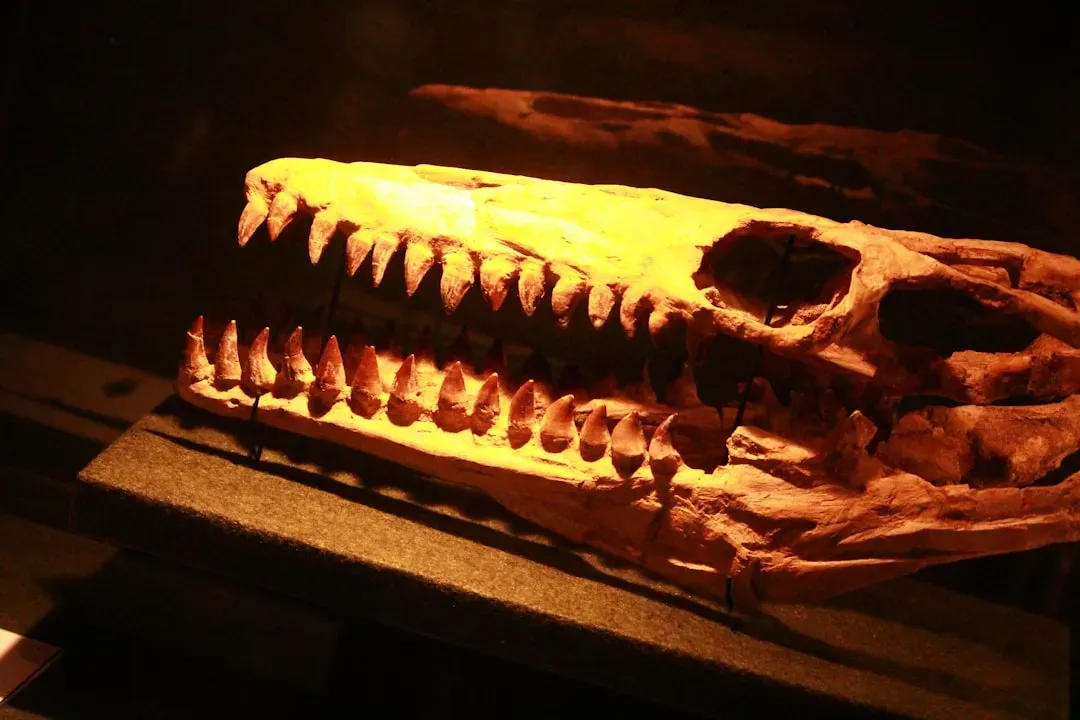
Here’s the thing – paleontologists don’t often get genuinely surprised anymore. Decades of fossil hunting have created a fairly predictable script for how ancient animals are discovered and classified. So when a peculiar crocodile ancestor turned up with limb proportions suggesting a fully terrestrial lifestyle, it genuinely turned heads in the scientific community.
The fossil belongs to a lineage predating the crocodilians we recognize today, and its skeletal structure points clearly toward life on land rather than in water. The legs were positioned more directly beneath the body, much like a dog or a deer, which is strikingly different from the sprawling, low-slung posture of modern crocodiles.
This kind of upright stance is not something you typically associate with the crocodile family tree. It suggests a level of mobility and agility that seems almost alien when you picture a modern croc lumbering across a muddy bank.
What Made This Creature So Peculiar
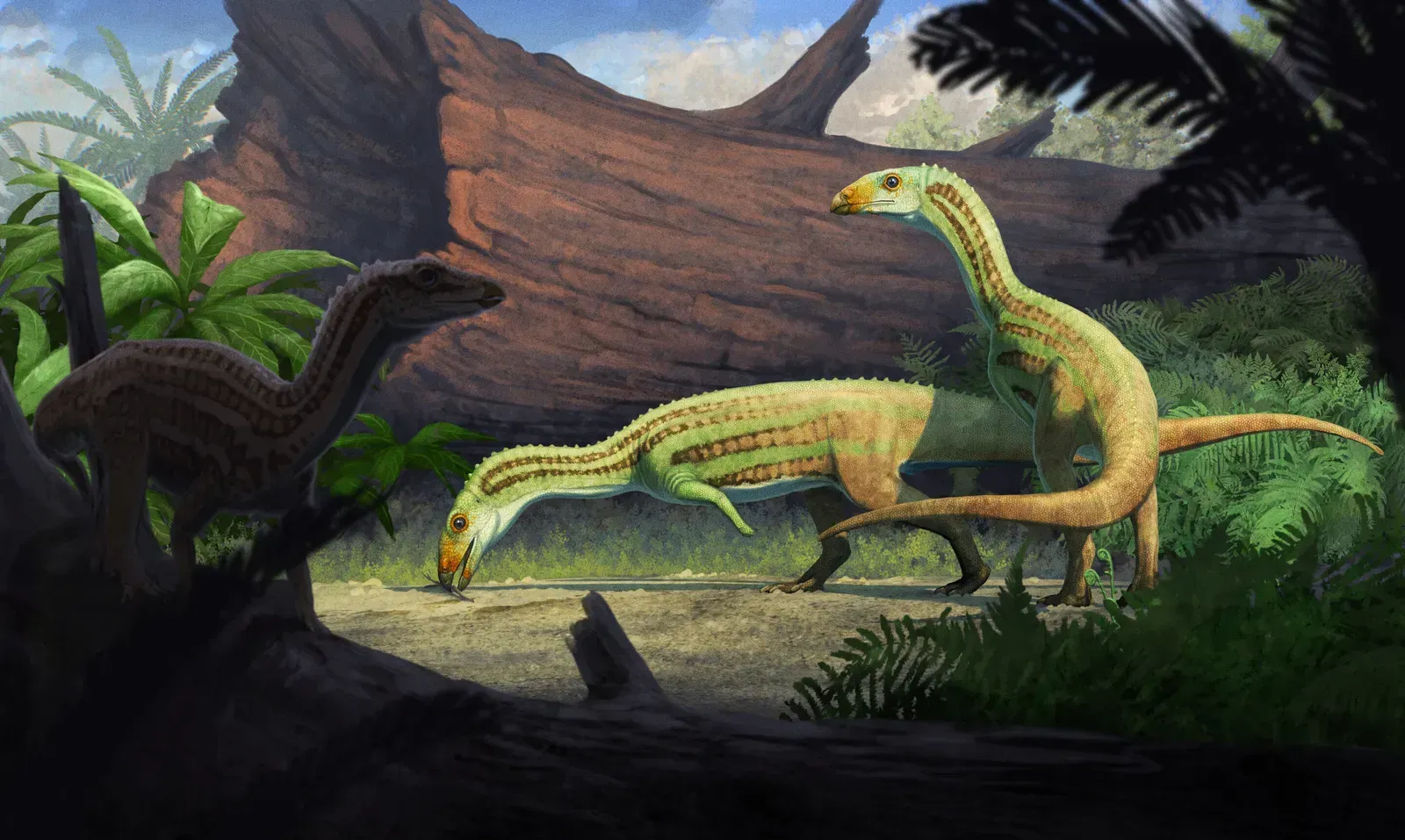
Scientists described this ancient creature as genuinely “peculiar” and honestly, that word feels earned. Its anatomy combines features from multiple evolutionary paths in a way that complicates clean classification. Think of it like finding a car with a motorcycle engine – technically possible, but confusing at first glance.
The creature’s legs were longer relative to its body than what we see in modern crocodilians, indicating it was built for covering ground efficiently. This was not a beast dragging itself through shallow water. It was walking, possibly even running, on solid earth.
What makes it even more intriguing is the combination of these terrestrial limb features alongside other anatomical traits that clearly link it to the crocodile lineage. It occupies a strange middle ground in evolutionary history.
How Old Is This Ancient Lineage
The timeline here is staggering. We’re talking about an ancestor that lived during the Triassic period, a time when dinosaurs were just beginning their own rise to dominance. The world back then looked nothing like it does today, and the creatures filling ecological roles were equally alien by modern standards.
Crocodile relatives during this era were extraordinarily diverse. Some were herbivores. Some walked upright. Some were armored in ways that rivaled any dinosaur. The lineage we now associate purely with swamps and rivers was, in fact, experimenting wildly with body plans and lifestyles.
It’s hard to say for sure exactly when the shift toward a more aquatic lifestyle began, but fossils like this one suggest the transition was far more gradual and nonlinear than previously thought. Evolution rarely takes a straight road.
The Role of Leg Posture in Understanding Evolution
Leg posture is one of those details that tells paleontologists an enormous amount about how an animal actually lived. It’s almost like reading someone’s footwear – you can infer a lot about their daily life just from that one clue.
An erect, column-like limb posture beneath the body, as seen in this fossil, reduces the energy cost of walking significantly. It allows for longer strides and better sustained movement across terrain. Modern crocodiles, by contrast, use what’s called a “high walk” on land but revert to a sprawling posture more naturally, and they are not built for endurance on solid ground.
The fact that this ancestor had limbs suggesting a more upright posture indicates it likely occupied a very different ecological niche than its modern relatives. It may have been chasing prey across open landscapes rather than lurking at water’s edge.
What This Tells Us About Early Ecosystems
The Triassic world was a genuinely wild place to be alive. Following the catastrophic Permian extinction, which wiped out the vast majority of species on Earth, ecosystems were wide open. Niches were available, competition was reshuffling, and evolution was running experiments at a remarkable pace.
Into this ecological vacuum stepped a dizzying array of reptilian forms, and crocodile ancestors were among the most successful experimenters. This particular lineage may have thrived as a land predator, filling roles that would later be occupied by dinosaurs and early mammals.
Honestly, I find this period of life on Earth endlessly fascinating. It was a time when the rulebook hadn’t been written yet, and creatures like this terrestrial crocodile ancestor represent evolution at its most adventurous.
Why This Discovery Matters for Science Today
Every major fossil find adds another data point to the grand map of life’s history, but some finds shift the map itself. This one falls into that latter category. It challenges the assumption that the crocodile body plan has always been oriented toward aquatic environments.
Understanding how and why crocodilians eventually committed to a semi-aquatic lifestyle has implications beyond just paleontology. It touches on evolutionary biology, biogeography, and even climate science, since the environments that drove these transitions tell us about ancient climates and ecosystems.
For researchers studying convergent evolution, cases like this are pure gold. Here is a lineage that clearly had the anatomical toolkit for terrestrial life, yet ultimately landed in rivers and swamps. That transition, and the forces behind it, is a story scientists are eager to fully decode.
What Comes Next in the Research
With a discovery this significant, the work is really just beginning. Researchers will likely dedicate years to studying the fossil in detail, comparing its bone density, joint structure, and musculature attachment points to both modern crocodilians and other ancient relatives.
Advanced imaging techniques, including CT scanning, can reveal internal bone structure without damaging the specimen, offering clues about growth rates and physiology. These details help paint a fuller picture of not just what this animal looked like, but how it moved, grew, and lived day to day.
There is also the broader question of where this creature fits within the larger crocodilian family tree. Refining that picture will require comparing the fossil against the growing database of known species, a painstaking but genuinely exciting process for anyone who loves the puzzle-like nature of paleontology.
A Creature That Rewrites the Story
It’s easy to look at a modern crocodile and assume that’s always been the design. Flat, low, water-loving, patient. The reality is that the lineage producing today’s crocodilians was once far more dynamic, varied, and frankly surprising than that image suggests.
This terrestrial ancestor is a reminder that evolution doesn’t lock creatures into a single path. It explores, it backtracks, it builds and rebuilds. The crocodile family tree is not a straight line from ancient swamp to modern river – it’s a sprawling network of experiments, most of which the world has long forgotten.
I think what’s most thrilling about a discovery like this is the humility it demands. The more we learn, the more we realize how much we’ve been oversimplifying the story of life on Earth. This peculiar, four-legged, land-walking ancestor is proof that even the most familiar animals carry deep surprises in their past.
What other evolutionary secrets might still be buried just beneath our feet, waiting for the right paleontologist with a brush and a little patience to find them?

- Beavers Are Nature’s Engineers, Creating Vital Habitats for Other Wildlife Species - July 21, 2026
- The Recovery of the California Condor Offers Hope for Other Critically Endangered Birds - July 21, 2026
- Bats Play a Crucial Role in Controlling Insect Populations Across the United States - July 21, 2026