
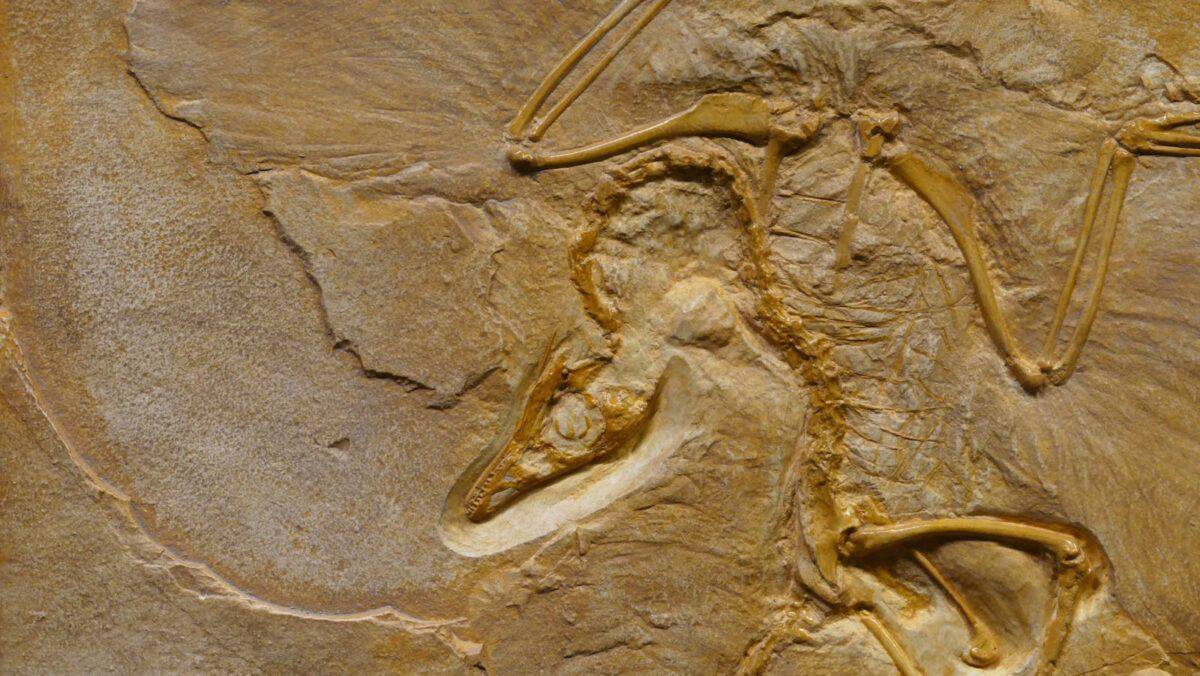
In an astounding revelation that has captured the attention of the scientific community, researchers have unearthed the oldest fossil ever found in America. This groundbreaking discovery offers an unprecedented glimpse into the ancient history of the continent, reshaping our understanding of prehistoric life and the timeline of Earth’s biological evolution. As scientists continue to analyze this fossil, we delve into the significance of this find and what it reveals about our planet’s distant past.
The Context: Where It All Began

The discovery of the fossil was made in a sediment-rich region known for its rich paleontological history. This area has long intrigued scientists due to its extensive array of geological formations and historical significance. The latest find, however, goes beyond previous discoveries, marking a pivotal moment in paleontology. The fossil, found embedded in ancient rock layers, provides an essential piece of the puzzle in understanding the Earth’s evolutionary timeline.
What Makes This Fossil the Oldest?
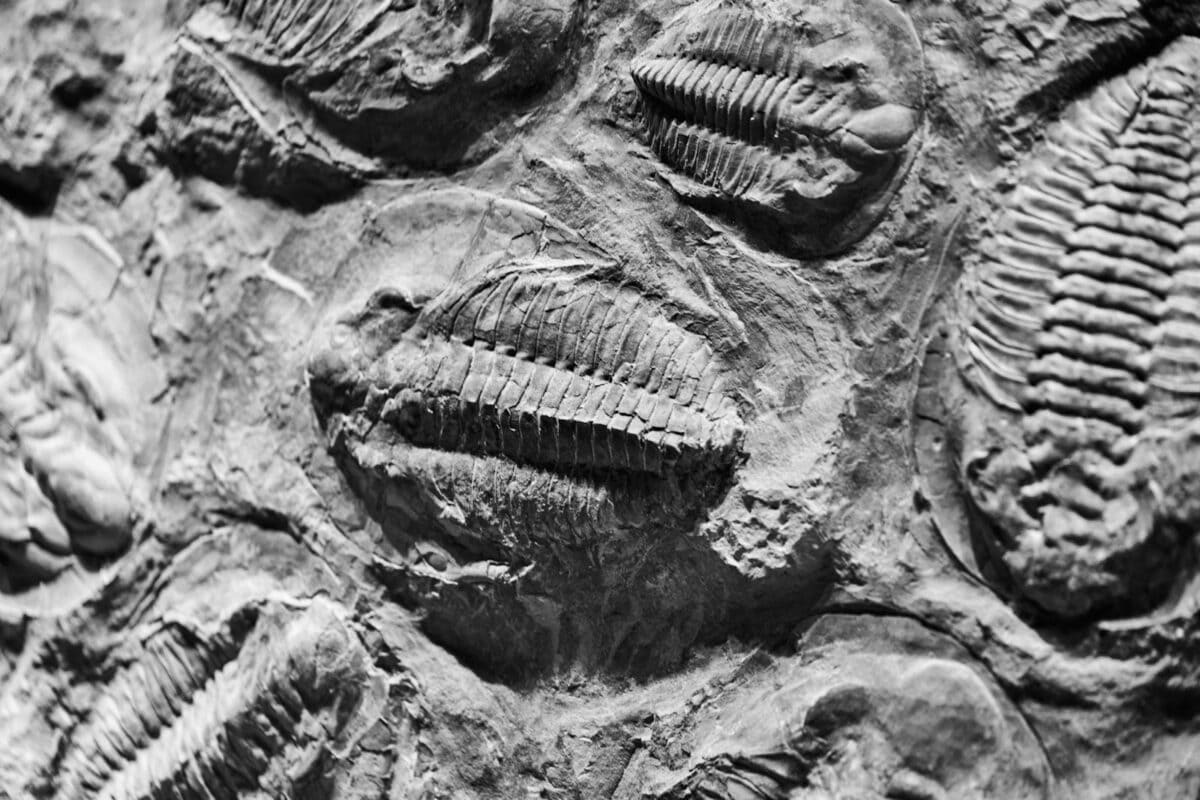
What sets this fossil apart from others is its age, estimated to be over 500 million years old. This places it in the Cambrian period, a time known for an explosion in the diversity of life forms. The age of the fossil was determined through a combination of radiometric dating techniques and stratigraphic analysis, ensuring a high level of accuracy. This makes it several million years older than any previously discovered fossil on the continent.
The Significance of Dating

Determining the age of a fossil is a complex process that involves analyzing the decay of isotopes within the layers of rock surrounding the specimen. Radiometric dating techniques such as carbon dating are crucial for establishing timelines. The precise dating of this fossil not only affirms its antiquity but also provides a benchmark for comparing other fossil finds in the region and beyond.
An Insight into Early Life

The fossil represents a period of Earth’s history when life was primarily marine, featuring simple multicellular organisms. Understanding this fossil helps scientists piece together the evolutionary developments that occurred during the Cambrian explosion. It offers insights into the adaptations that life forms had to make to thrive in different environmental conditions of that era.
The Fossil’s Physical Characteristics
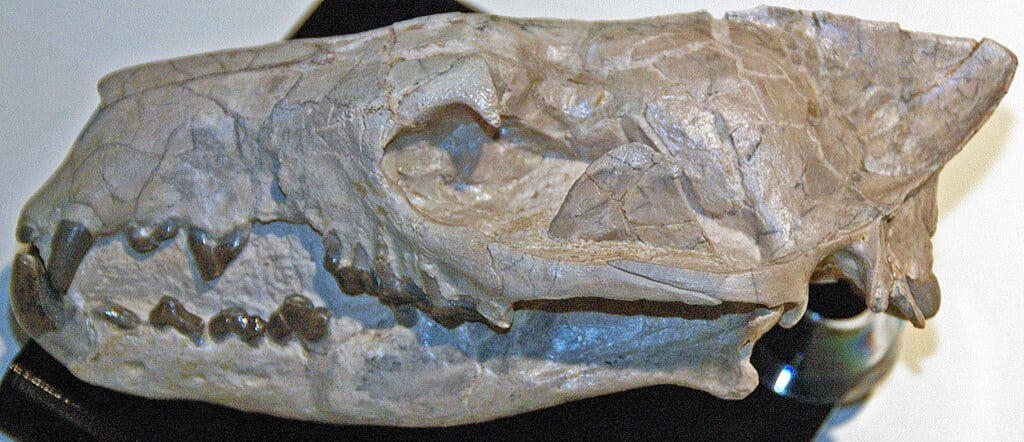
The fossil is remarkable not only because of its age but also due to its well-preserved state. The remains exhibit key anatomical features that provide clues about its lifestyle and environmental adaptations. Detailed analysis of its structure using modern imaging techniques has revealed intricate details that were previously unknown, offering important data on its biological functions.
Technological Innovations in Paleontology
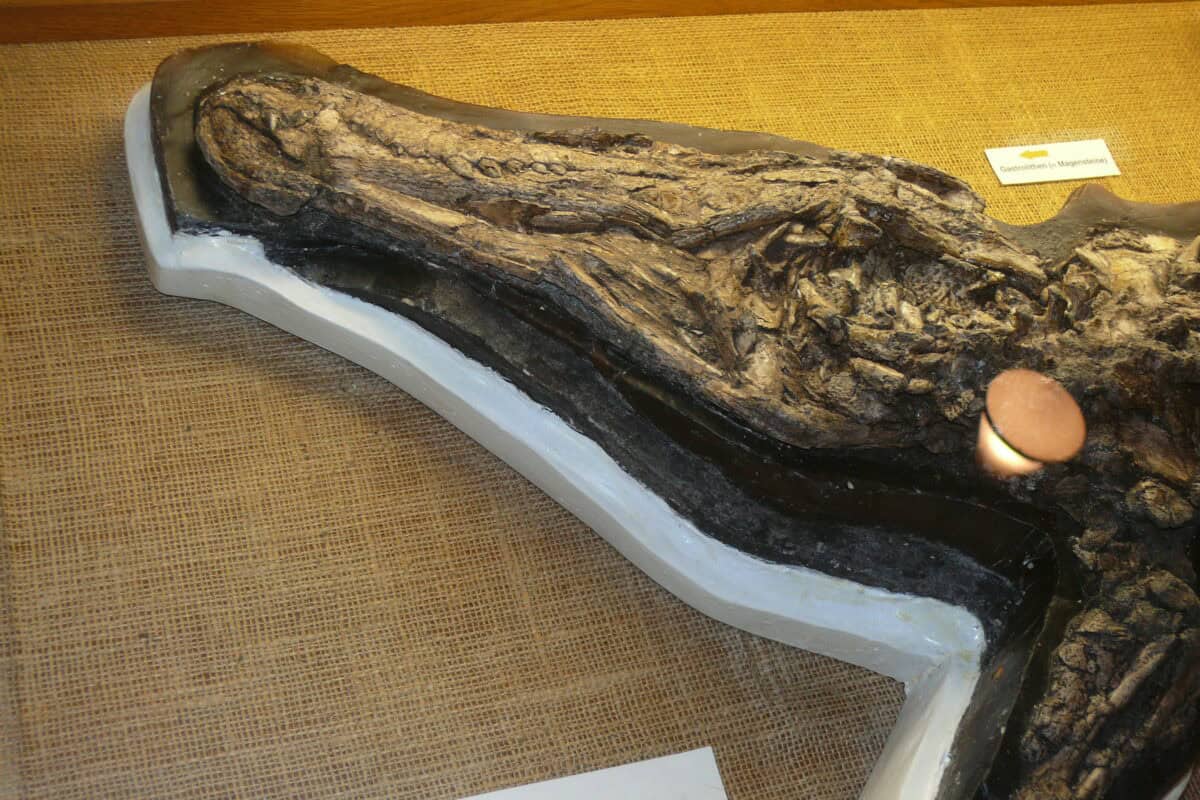
The discovery and analysis of the fossil were made possible through the use of advanced technology. Techniques such as 3D scanning and digital modeling have allowed scientists to reconstruct the ancient organism with unparalleled accuracy. These technological innovations are revolutionizing the field of paleontology, enabling researchers to uncover and understand details that would have been impossible to discern in the past.
The Impact on Scientific Theories
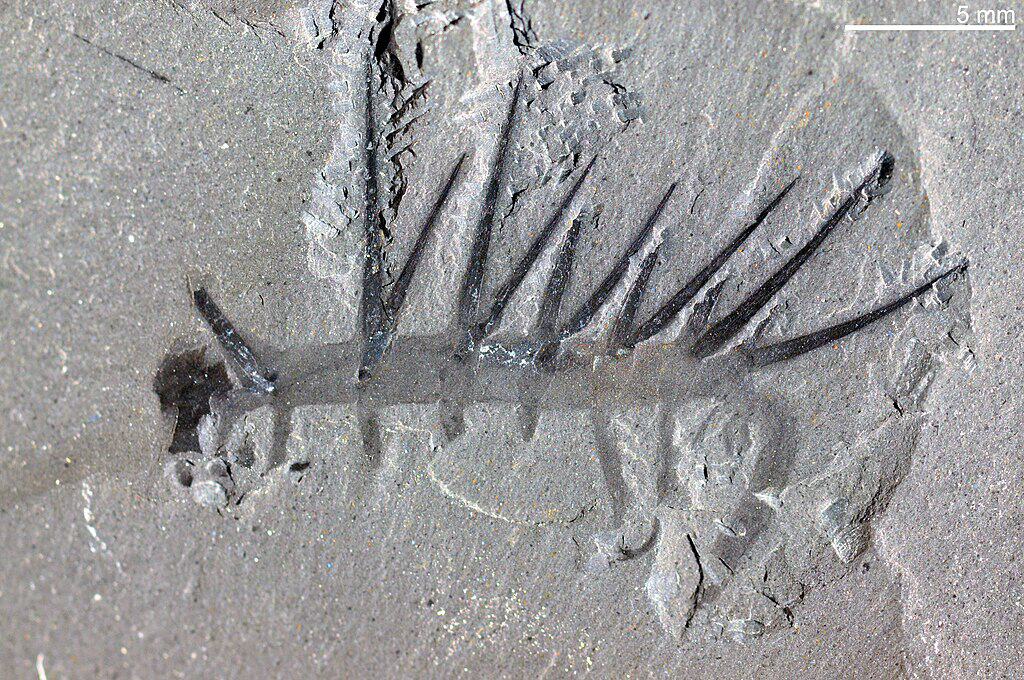
Findings like this are more than just historical footnotes; they have far-reaching implications for our understanding of evolution and the history of life on Earth. This discovery has prompted scientists to re-evaluate existing theories about the diversification of early life forms and the environmental factors that influenced their development. It challenges previous assumptions and encourages new research directions.
How This Discovery Shapes Modern Science

The implications of discovering the oldest fossil extend into various scientific domains, from biology to geology. This find provides critical data that can inform studies on climate change, biodiversity, and even the search for life beyond Earth. Understanding how life on Earth adapted to past environments gives modern scientists clues about potential adaptability in other planetary settings.
The Role of Collaboration in Scientific Discoveries

This discovery highlights the collaborative nature of modern scientific research. Teams composed of geologists, biologists, and other specialists worked together to unearth, preserve, and analyze the fossil. Such interdisciplinary efforts are essential for advancing our understanding of the natural world, demonstrating that collective expertise is key to unlocking the mysteries of our planet’s history.
Preserving Our Fossil Heritage

The meticulous work involved in preserving a fossil of this significance underscores the importance of fossil conservation. Efforts to protect and maintain these ancient remnants are crucial for future scientific research. Fossil preservation not only aids current study but also ensures that subsequent generations can continue to learn from these invaluable historical artifacts.
Conclusion: A Portal into the Distant Past

The unearthing of the oldest fossil in America marks a milestone in our understanding of ancient life on Earth. This discovery not only enriches our knowledge of the planet’s history but also inspires further exploration into the origins of life. As scientists continue to analyze and interpret these ancient clues, we gain a deeper appreciation for the complexity and resilience of life, both past and present. The journey into Earth’s prehistoric timeline is far from over, with each new discovery paving the way for future revelations.

- The Story of the Arctic Fox’s Incredible Seasonal Transformation - July 18, 2026
- 10 Most Venomous Snakes in US National Parks - July 18, 2026
- The Moth That Drinks Blood - July 18, 2026