

Worried about unexpected vet bills?
Pet insurance can cover thousands in unexpected vet costs. Get a free quote from Lemonade in under 2 minutes.
Get My Free Quote →Sponsored · Opens Lemonade.com
In a world where scientific explanations exist for most natural phenomena, certain mysteries continue to baffle researchers. Among these enigmas is the captivating case of lakes that transform into vibrant pink bodies of water. While some pink lakes have been studied extensively, others remain puzzling to scientists who struggle to definitively explain their rosy hues. These naturally occurring pink lakes have become tourist attractions and subjects of scientific inquiry, with researchers proposing various theories but still seeking conclusive answers. This article explores the fascinating phenomenon of pink lakes, focusing on those that continue to confound scientific understanding despite years of research.
The Pink Lake Phenomenon Around the World
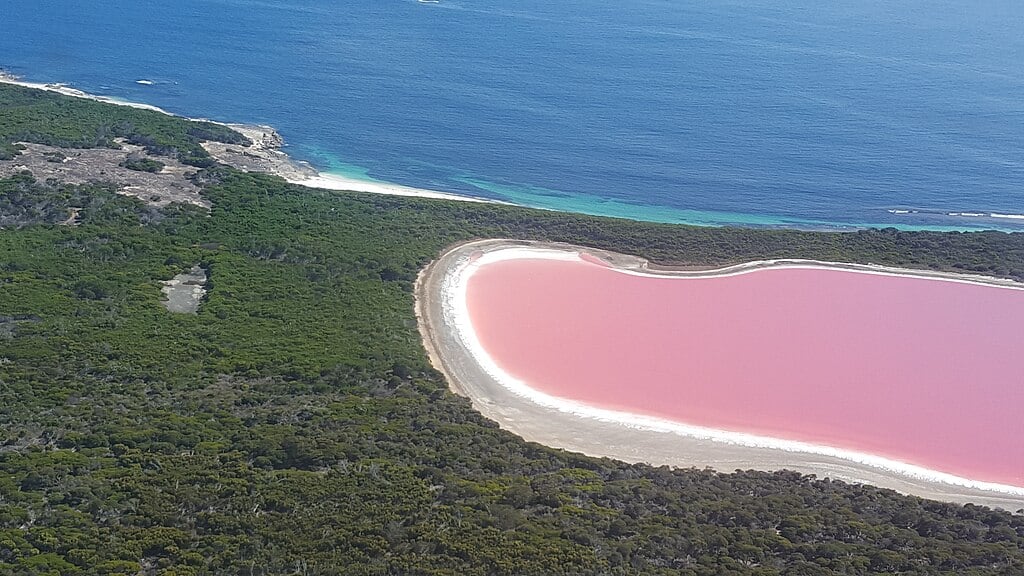
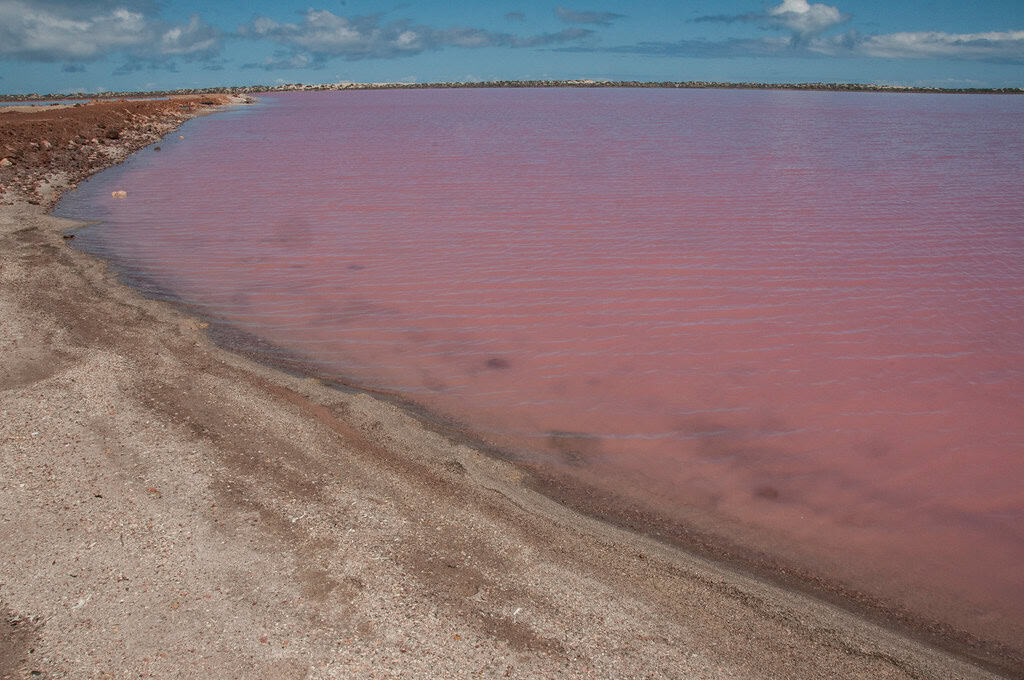
Pink lakes exist on every continent except Antarctica, appearing like patches of strawberry milkshake amid ordinary landscapes. The most famous include Lake Hillier in Australia, Lake Retba in Senegal, Las Coloradas in Mexico, and Lake Natron in Tanzania. These bodies of water range from slightly salmon-colored to vibrant bubblegum pink, with their intensity often fluctuating seasonally. What makes these lakes particularly intriguing is that while they share a similar appearance, the mechanisms behind their coloration can differ significantly. Some have been thoroughly explained by science, while others—despite extensive research—continue to perplex experts who cannot fully account for their persistent pink properties under changing environmental conditions.
Lake Hillier: Australia’s Enduring Mystery
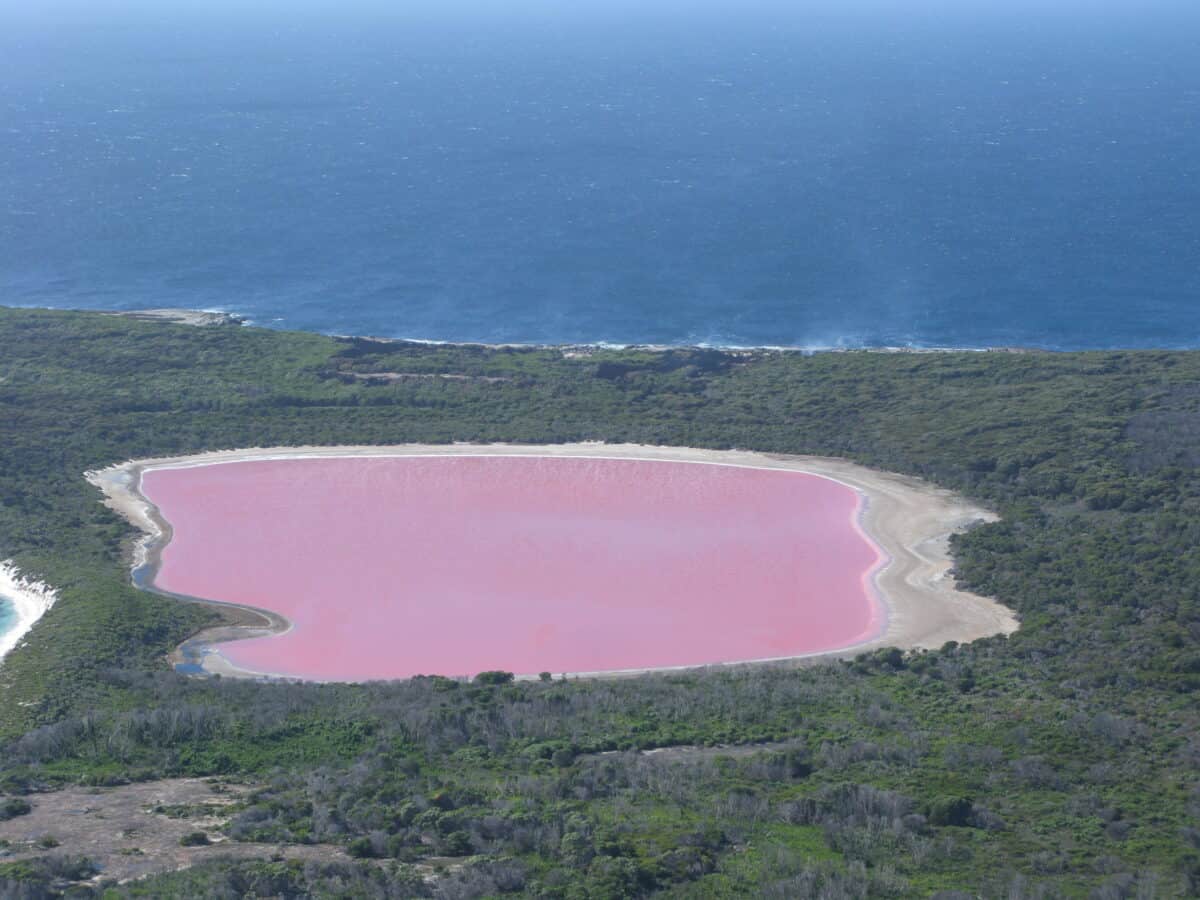
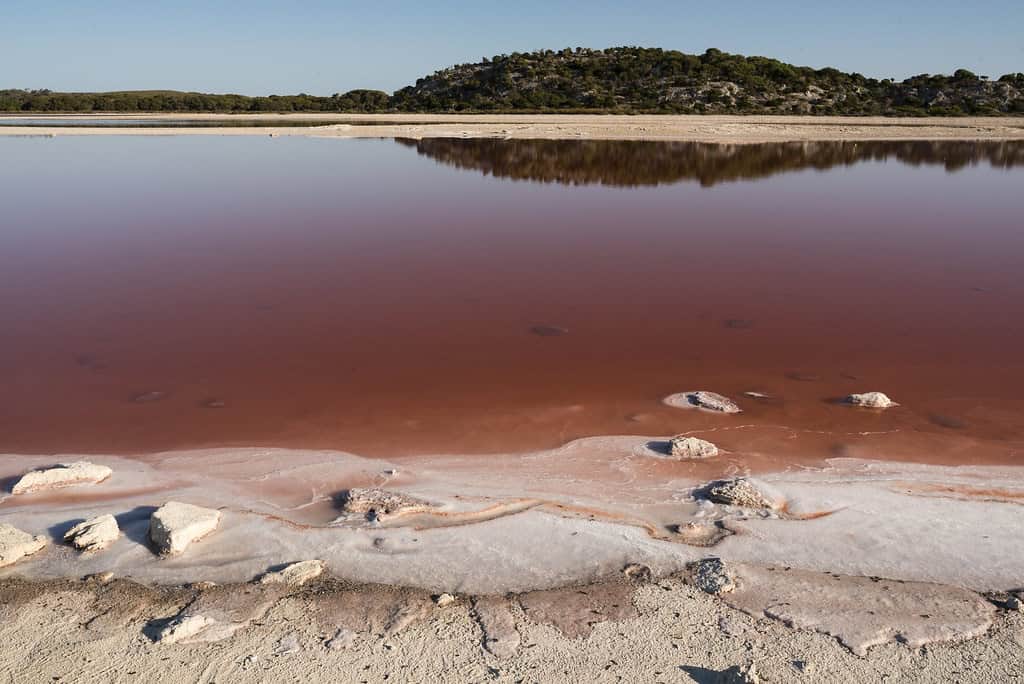
Lake Hillier, located on Middle Island off Western Australia’s coast, remains one of the most mysterious pink lakes in the world. Unlike many other pink lakes that change color seasonally, Lake Hillier maintains its distinctive bubblegum pink color year-round, regardless of temperature fluctuations. What puzzles scientists is that while they have identified the presence of Dunaliella salina algae and halophilic bacteria in the lake, these organisms alone don’t fully explain the lake’s persistent pink color. Even when water is removed from the lake and stored in containers, it retains its pink hue—a characteristic not observed in many other pink lakes. This suggests complex interactions between multiple factors that scientists have yet to fully unravel despite numerous studies conducted since the lake’s discovery in 1802.
The Science Behind Pink Water
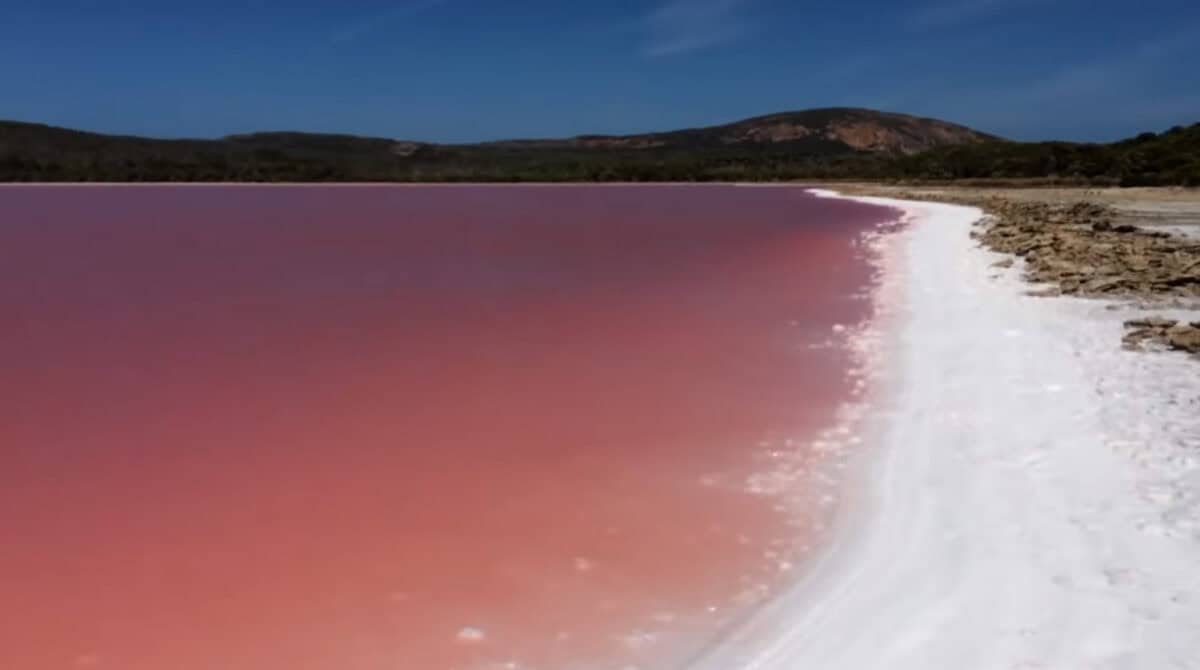
The pink coloration in most lakes is typically attributed to the presence of microorganisms that produce carotenoid pigments, particularly beta-carotene. The primary suspects are often Dunaliella salina algae and halophilic (salt-loving) bacteria like Halobacterium and Halococcus species. These organisms thrive in highly saline environments and produce these pigments as protection against intense sunlight and salt stress. However, the science becomes complicated when different lakes with seemingly similar compositions display varying shades and persistence of pink. Some lakes will turn pink only under specific temperature conditions or salinity levels, while others maintain their color despite environmental changes. This variability suggests that unknown factors or complex interactions between known elements contribute to the phenomenon, leaving scientists with incomplete explanations.
The Role of Salinity in Pink Lakes
Extreme salinity plays a crucial role in the development of pink lakes, with most having salt concentrations ranging from 25% to 40%—significantly higher than seawater’s average 3.5%. This hypersaline environment creates optimal conditions for halophilic microorganisms to thrive while limiting competition from other life forms that cannot tolerate such conditions. The relationship between salinity and pink coloration is complex: as water evaporates during hot seasons, salt concentration increases, often intensifying the pink color as microorganisms produce more protective pigments. However, this relationship doesn’t hold true for all pink lakes. Some maintain consistent coloration despite fluctuating salinity levels, suggesting that salt concentration alone doesn’t provide a complete explanation. Scientists are still investigating how different salt compositions (not just concentration) might influence the specific microbiological communities responsible for the pink hues.
Bacterial Mysteries and Genetic Factors
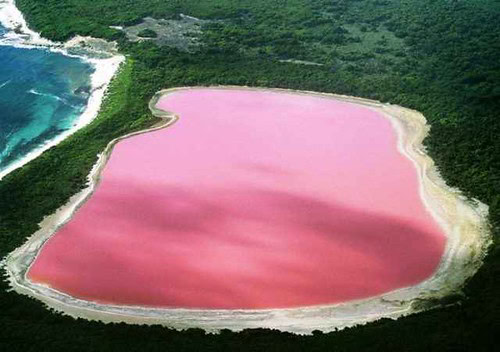
Recent genetic studies of pink lakes have revealed incredibly diverse microbial communities with many previously unidentified species. These complex ecosystems feature intricate relationships between different microorganisms that collectively contribute to the pink phenomenon. In some lakes, researchers have discovered novel bacteria with unique pigment-producing capabilities not found elsewhere. What remains puzzling is how these microbial communities adapt and evolve in response to environmental changes while maintaining the lake’s pink appearance. Additionally, scientists have found that some bacteria can transfer genes responsible for pigment production to other species through horizontal gene transfer, creating dynamic ecosystems that respond differently to environmental stressors. This genetic complexity makes it difficult to predict how these lakes will behave under changing conditions and explains why simple explanations often fall short.
The Weather Factor: Seasonal Variations
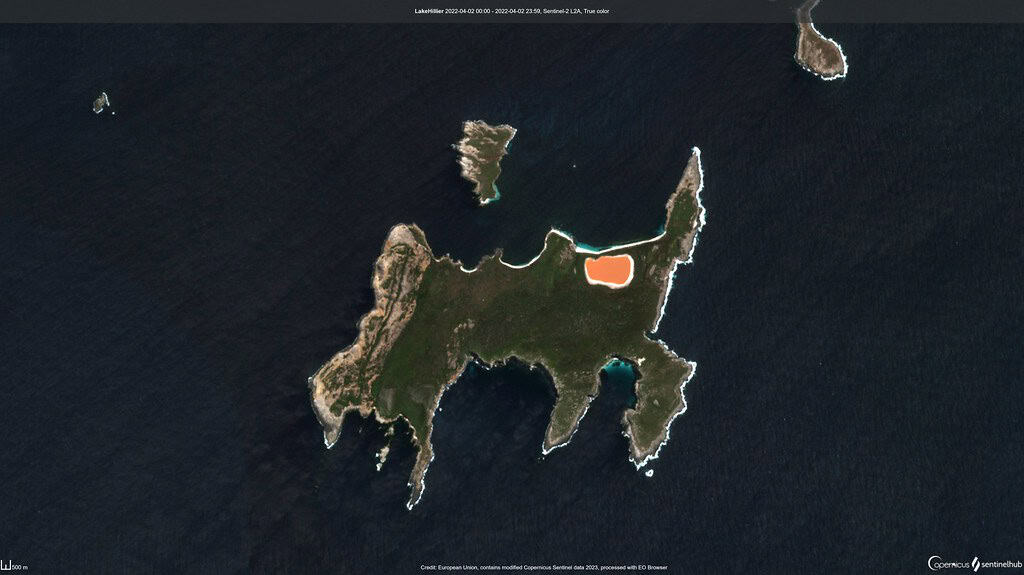
Weather patterns significantly impact many pink lakes, with some displaying dramatic color changes corresponding to seasonal shifts. Lakes like Las Coloradas in Mexico intensify in color during hot, dry periods when evaporation increases salt concentration and stresses microorganisms into producing more protective pigments. Conversely, heavy rainfall can dilute the salt content and temporarily reduce the pink hue. What confounds scientists is that these weather-dependent patterns aren’t universal. Some pink lakes, like Lake Hillier, maintain consistent coloration regardless of seasonal changes. Even more puzzling are lakes that unexpectedly lose their pink color despite seemingly favorable conditions, or others that suddenly turn pink after decades of normal appearance. These inconsistencies suggest that our understanding of how weather influences the complex biological and chemical processes in these lakes remains incomplete.
Chemical Composition and Mineral Content
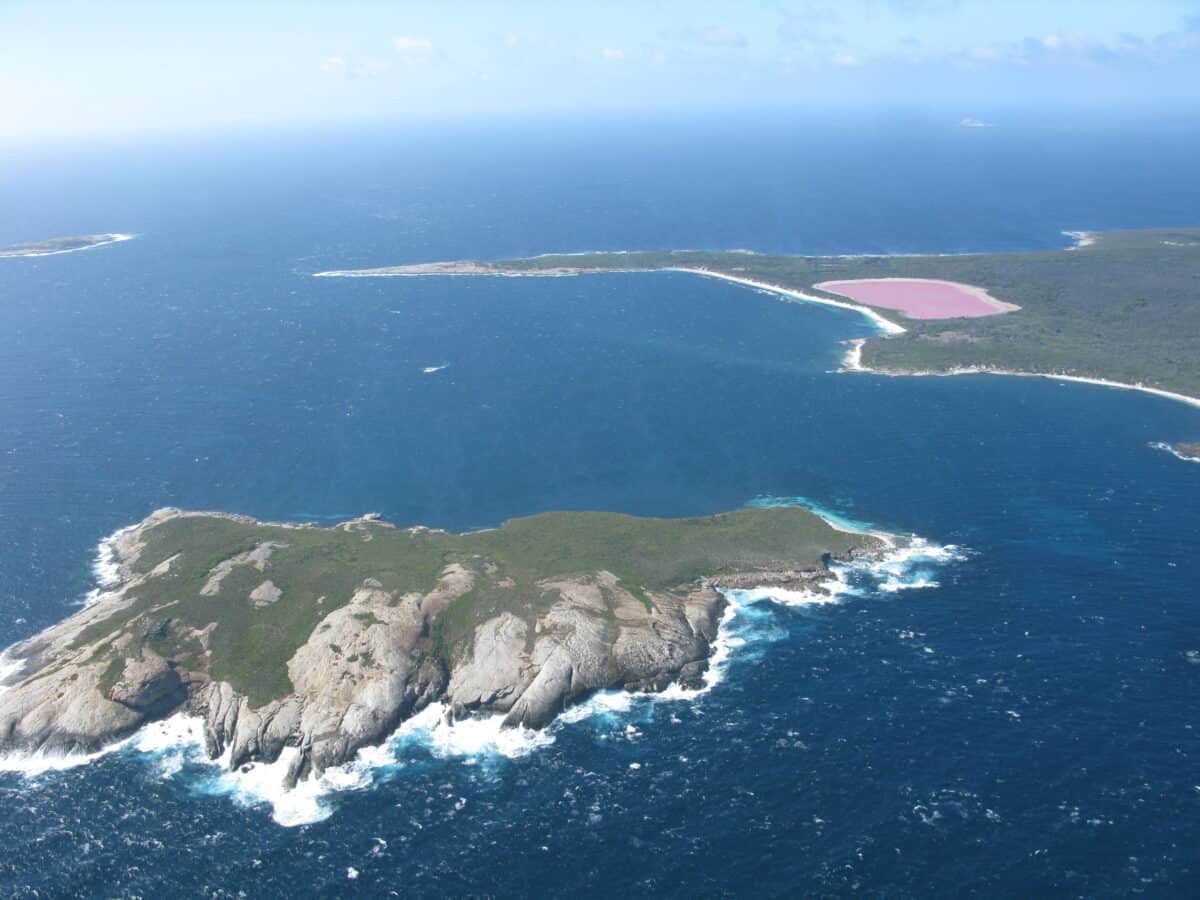
The mineral composition of pink lakes varies significantly and influences both their color and the types of microorganisms that can thrive in them. Beyond simply being “salty,” these lakes contain different mixtures of sodium chloride, magnesium chloride, calcium chloride, and various sulfates. Some pink lakes also contain high levels of iron oxide or manganese, which can contribute to reddish tints independent of biological factors. The puzzling aspect for scientists is determining how these chemicals interact with biological processes to create and maintain pink coloration. Laboratory experiments attempting to recreate pink lake conditions often fail to produce the same vivid colors found in nature, suggesting that the precise chemical recipe—combined with biological factors—involves subtleties not yet fully captured in scientific models. Recent studies have also identified unique mineral nanoparticles in some pink lakes that may play previously unrecognized roles in light scattering and color production.
Human Impact on Pink Lakes
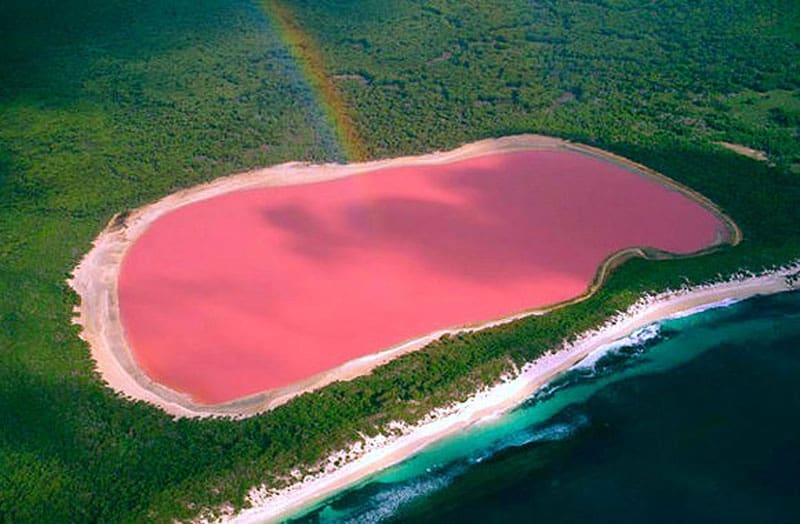
Human activities increasingly threaten the delicate ecosystems of pink lakes worldwide. Industrial pollution, agricultural runoff, water diversion, and climate change all potentially alter the conditions necessary for maintaining these unique environments. Paradoxically, some pink lakes have appeared or intensified in color due to human-induced environmental changes, while others have lost their distinctive hue. For example, Spain’s Laguna de Peña Hueca dramatically increased in pink intensity following changes in local agricultural practices. Conversely, parts of Australia’s Pink Lake (near Esperance) lost their color after road construction altered water flow patterns. These inconsistent responses to human interference demonstrate the complex and sometimes unpredictable nature of these ecosystems. Scientists struggle to develop comprehensive protection strategies when the fundamental mechanisms behind pink lakes remain partially understood.
The Case of Lake Lonar: A Recent Mystery
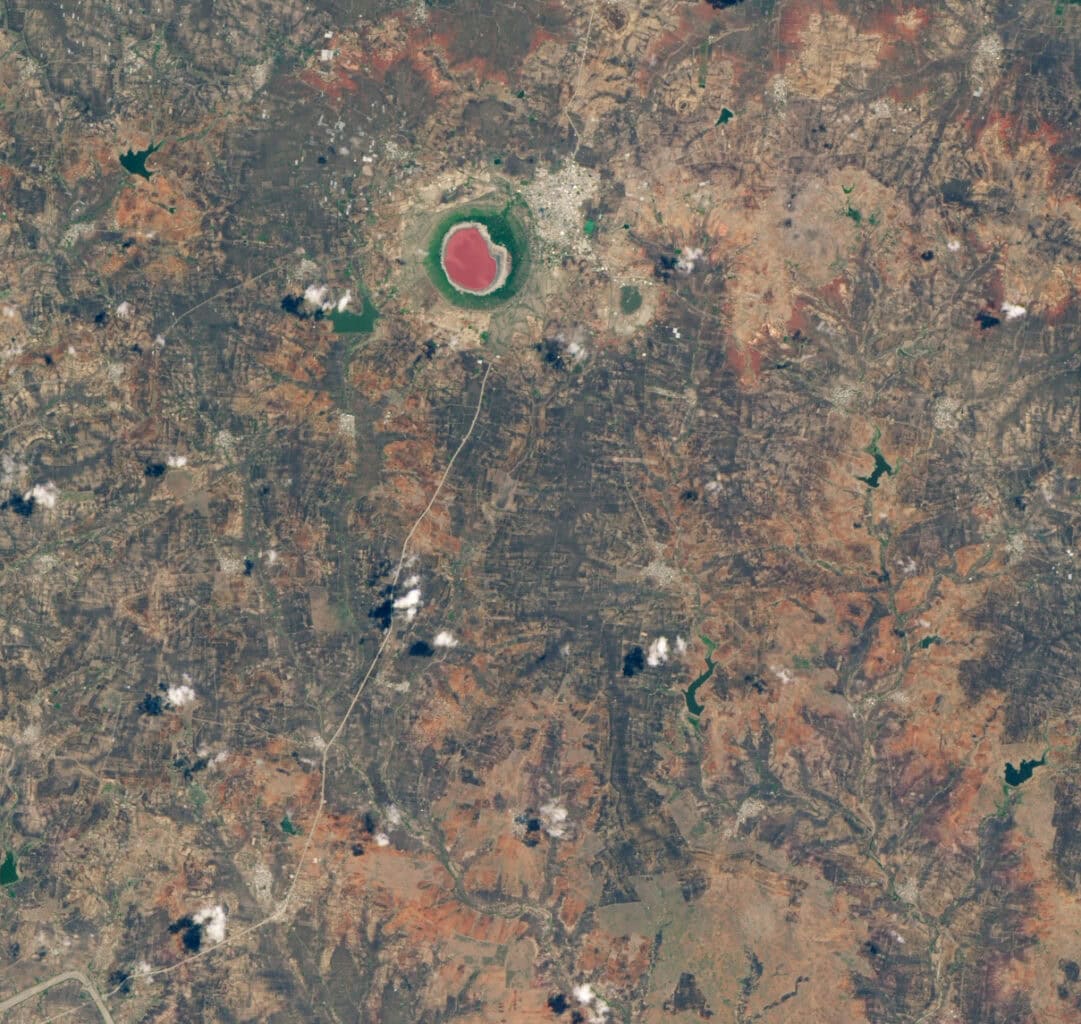
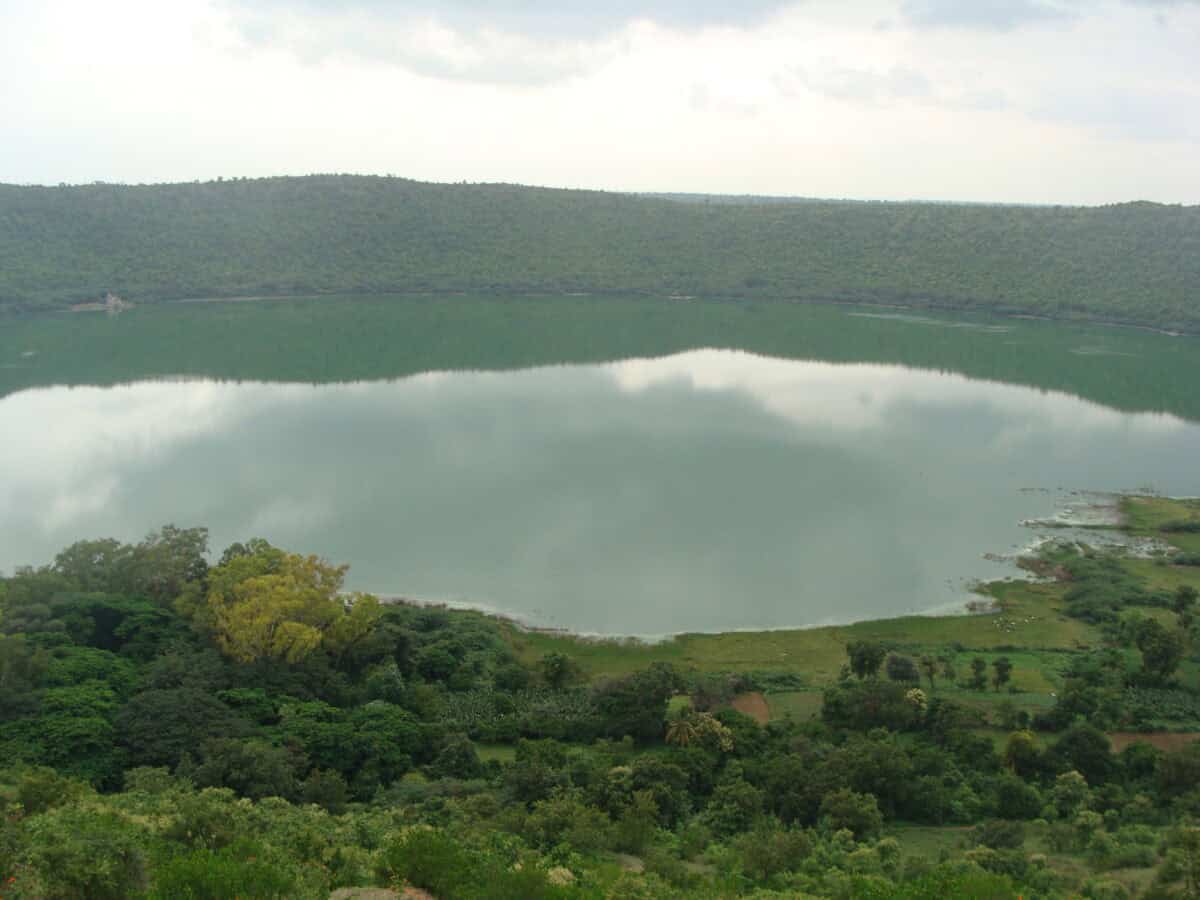
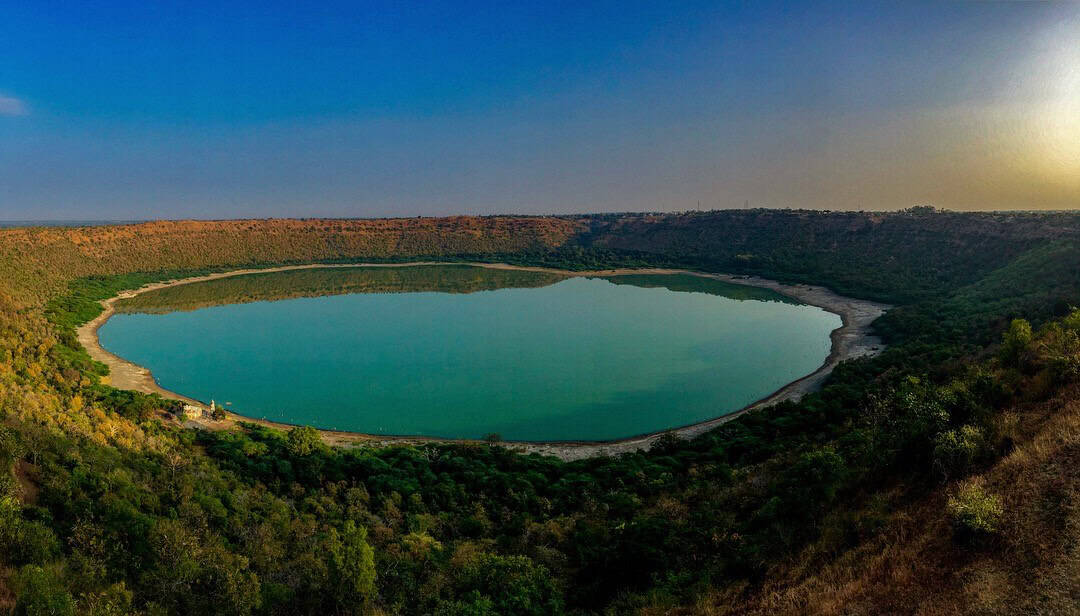
In June 2020, India’s Lake Lonar—a 50,000-year-old crater lake in Maharashtra—suddenly turned pink, baffling local scientists. This normally green-blue lake became bright pink within days without obvious explanation. Initial investigations suggested reduced water levels during a drought combined with increased salinity triggered a rapid bloom of Halobacteriaceae and Dunaliella algae. However, what surprised researchers was the lake’s rapid color change despite having experienced similar drought conditions in previous years without turning pink. Additionally puzzling was the lake’s relatively low salt content compared to other pink lakes worldwide. After several months, the lake returned to its normal color just as mysteriously as it had changed. This case exemplifies how pink lake formations can occur unexpectedly and temporarily, challenging existing scientific frameworks for understanding this phenomenon.
Research Challenges and Limitations
Scientists studying pink lakes face numerous obstacles that hinder complete understanding of these ecosystems. Many pink lakes exist in remote locations with limited access, making regular monitoring difficult. The extreme conditions in these environments also pose challenges for standard research equipment and techniques. Additionally, the complex interplay between biological, chemical, and physical factors requires multidisciplinary approaches not always available to research teams. Sample collection can inadvertently alter the very conditions being studied, and laboratory recreations struggle to account for all environmental variables. Perhaps most significantly, pink lakes often exist in developing regions where research funding is limited. Long-term studies necessary to observe patterns across decades are rare, leaving gaps in understanding how these ecosystems evolve over time. These research limitations explain why, despite significant scientific interest, many aspects of pink lakes remain poorly understood.
Folklore and Cultural Significance
Pink lakes have inspired rich tapestries of folklore and cultural significance among indigenous communities worldwide. In Australia, Aboriginal traditions view Lake Hillier as a place of healing energy and spiritual significance. Senegal’s Lake Retba features in local creation myths explaining how the gods spilled their blood into the waters. These cultural narratives often contain observations about lake behaviors that precede scientific study, sometimes offering clues that modern researchers find valuable. However, the mysterious nature of pink lakes has also led to superstitions and misconceptions. Some communities believe the waters can cure ailments, while others consider them dangerous or cursed. These cultural dimensions add another layer to understanding pink lakes: they represent not just scientific puzzles but also important cultural heritage sites where traditional knowledge and modern science sometimes complement and sometimes contradict each other in explaining these natural wonders.
Future Research Directions
The scientific community is employing advanced technologies and interdisciplinary approaches to unravel the remaining mysteries of pink lakes. Genome sequencing projects are identifying the complete genetic makeup of microbial communities in these environments, potentially revealing undiscovered organisms and metabolic pathways. Satellite monitoring using multispectral imaging now allows researchers to track color changes remotely and correlate them with environmental data. Climate change models are being applied to predict how pink lakes might respond to warming temperatures and changing precipitation patterns. Some scientists are developing artificial intelligence algorithms to analyze the complex interactions between dozens of variables simultaneously—something traditional research methods struggle to accomplish. Citizen science initiatives engage local communities in regular monitoring, providing valuable data continuity. Despite these advances, researchers acknowledge that some aspects of pink lakes may remain enigmatic for years to come, as these complex ecosystems continue to challenge our scientific understanding.
Conclusion: Nature’s Enduring Enigma
Pink lakes stand as beautiful reminders that even in our technologically advanced age, nature retains secrets that elude complete scientific explanation. The ongoing mystery surrounding these colorful bodies of water highlights the complex interactions between biology, chemistry, and environmental factors that can produce unexpected results in natural systems. As research continues, scientists may eventually unlock the full mechanisms behind pink lakes, but for now, their partial enigma status enhances rather than diminishes their appeal. These vibrant waterscapes remind us of the humility required in scientific pursuit—that despite our impressive knowledge, nature’s complexity can still surprise and confound us, driving curious minds to continue exploring and questioning the world around us.
Worried about unexpected vet bills?
Pet insurance can cover thousands in unexpected vet costs. Get a free quote from Lemonade in under 2 minutes.
Get My Free Quote →Sponsored · Opens Lemonade.com

- 15 Common Snake Species Found in the US - June 5, 2026
- Ancient DNA Found in Cave Dirt May Rewrite Animal History - June 5, 2026
- What Steve Irwin Taught Us About Crocodiles - June 5, 2026