


In an astounding discovery that bridges our past with potential insights into our future, scientists have unearthed a mummified forest preserved beneath the ice in Greenland. This hidden arboreal treasure offers a tantalizing glimpse into ancient climate conditions and beckons us to reconsider the implications of our current environmental trajectory. Through a series of interdisciplinary studies, researchers aim to decipher the stories held within these ancient trunks to better understand the shifting climate patterns that have shaped our planet.
Discovery of the Mummified Forest

A team of scientists from various institutions came upon the mummified forest during a routine ice-melt investigation in Greenland. Beneath layers of ice that had remained undisturbed for millennia, they discovered roots, wood, and leaves remarkably well-preserved by the encompassing frigid environment. This rare finding is not just a relic of Earth’s thriving ancient ecosystems but an incredible natural archive waiting to be explored.
The Importance of such Discoveries

Finding a mummified forest beneath Greenland’s ice signifies more than just an ecological curiosity. Such discoveries offer crucial insights into Earth’s climatic past, potentially aiding in the prediction of future trends. By studying these preserved plant materials, scientists can reconstruct ancient climates, providing invaluable data on how plant life adapted to past climate changes and how currently impacted ecosystems might react to present and future challenges.
Methods Used in Uncovering Ancient Forests
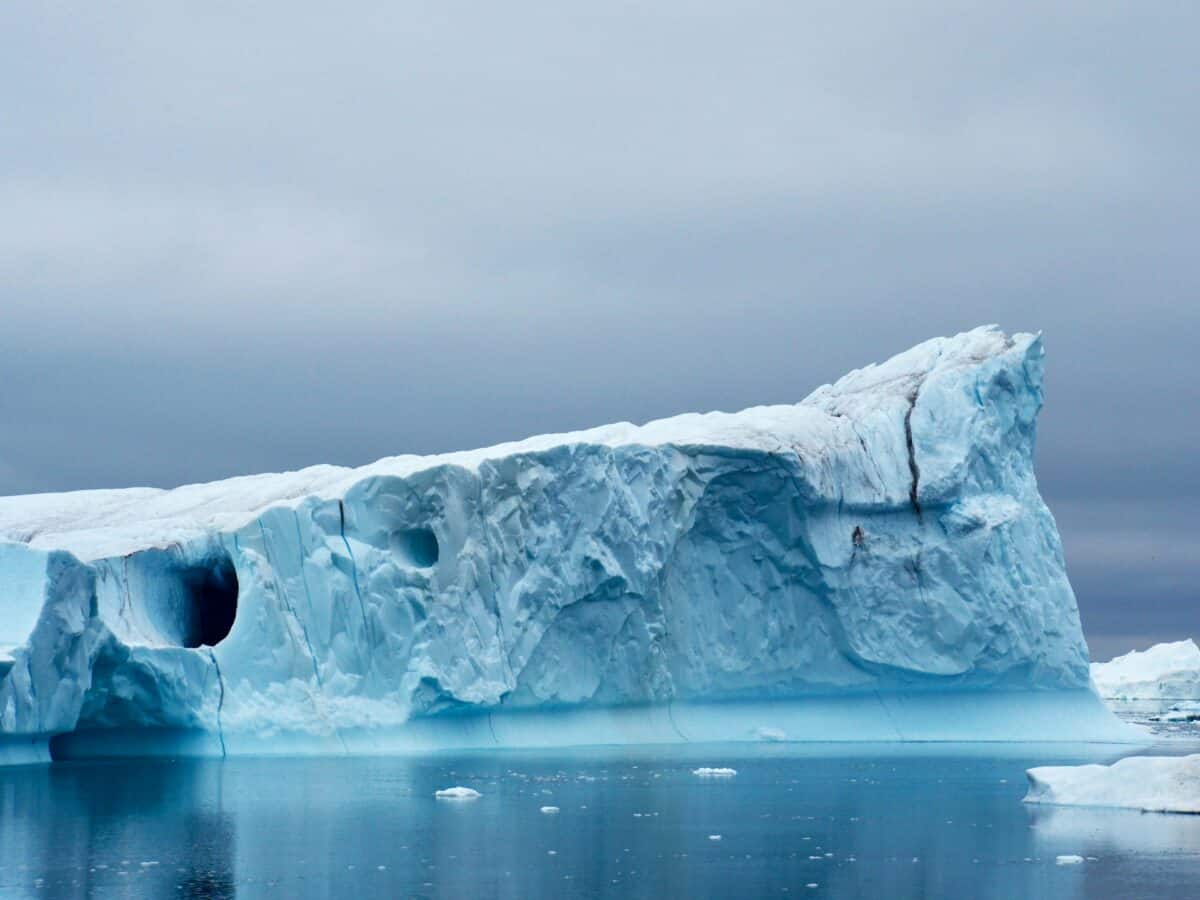
The unearthing of the mummified forest was made possible through a blend of satellite imagery, ground-penetrating radar, and ice core sampling. These tools, combined with modern carbon dating techniques and DNA analysis, allowed scientists to identify, verify, and date the remnants of this prehistoric forest, painting a detailed picture of its historical significance.
Chronicles of Ancient Climate
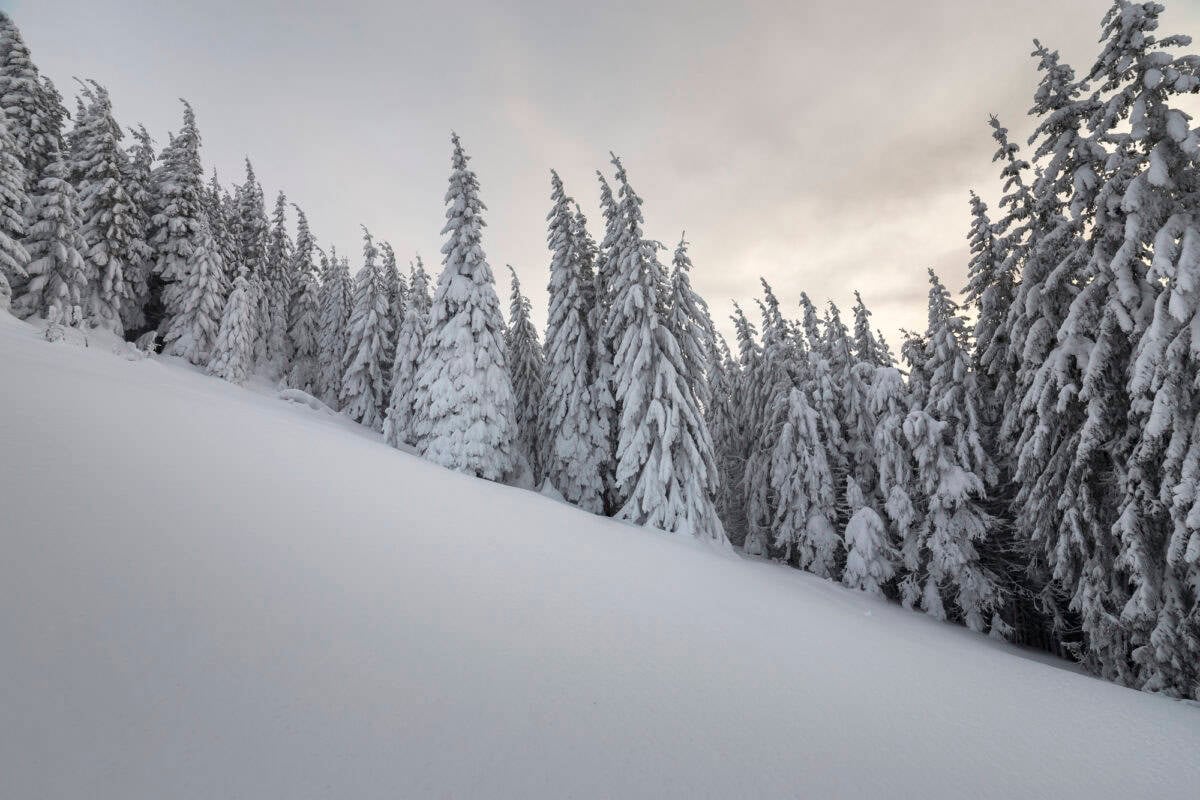
The discovery of this forest has revealed much about Earth’s climatic history. Geological evidence suggests that Greenland once experienced temperatures that supported vibrant life, including lush forests. These findings are pivotal to understanding how different climate zones shift and evolve over eons, thus informing models that predict future climatic changes.
The Mammoth Implication for Climate Science

The study of the mummified forest isn’t merely an exercise in historical curiosity—it’s a necessary chapter in climate science. By monitoring how the ice sheets and their hidden contents respond to warming temperatures, scientists can gain perspective on how polar ecosystems could further transform under continued climate change.
Evidence of Ancient Life and Biodiversity

The mummified remains of trees and plant material represent a period where Greenland shared characteristics of a boreal forest, teeming with life. The types of trees found in this ancient forest can reveal a great deal about the biodiversity that once flourished there, offering a stark contrast to today’s ice-dominated landscape.
Impact of Ice Melting on Global Sea Levels

The study dovetails with concerns about global ice melt and rising sea levels. Understanding how previous periods of warmth affected ice cover and sea levels will help scientists predict how current ice sheets might react to ongoing temperature increases and the potential ramifications for coastal communities worldwide.
Contributions to Paleobotany

The findings are also vital to the field of paleobotany, the study of fossilized plants. The discovery enhances our knowledge of plant evolution and distribution, particularly how flora adjusted or migrated in response to past climate changes, thereby aiding forecasts regarding plant survival and adaptation in current climates.
Cross-Disciplinary Collaboration

The uncovering and analysis of the mummified forest highlight the collaborative efforts of climate scientists, paleobotanists, geologists, and environmentalists. Their collective expertise drives forward our understanding of both historical and modern ecological challenges while fostering initiatives for sustainable environmental management.
Greenland’s Geopolitical Significance
Beneath its icy exterior, Greenland holds a wealth of untapped natural historical resources. The data derived from this discovery reinforces Greenland’s geopolitical significance as a critical region in studies related to global climate patterns and environmental changes, influencing global policy and conservation efforts.
Challenges of Conducting Research in Polar Regions

Conducting research in Greenland’s arctic environment presents immense challenges, from severe weather conditions to logistical and resource constraints. Nonetheless, the findings from such expeditions are invaluable, providing data that fuels scientific inquiry and policy-making decisions worldwide.
Future Research and Conservation Efforts

Ongoing research of Greenland’s mummified forest opens avenues for further investigation into how ancient ecosystems operated and evolved. Future research plans include extensive studies of pollen deposits, dendrochronology analyses, and DNA sequencing, all geared toward enriching our understanding of historical climatic conditions and informing conservation strategies.
The uncovering of a mummified forest beneath Greenland’s ice is a monumental milestone in climate science. As researchers continue to explore this ancient woodland, we glean critical lessons about our past climate, present ecosystem dynamics, and future environmental stewardship. This discovery reminds us of the intricate tapestries woven throughout Earth’s history and underscores the profound impact of climate on shaping our natural world.

From exploring the marine wonders in the Azores and witnessing the vast savannas of Kenya, to delving deep into the rich biodiversity of South Africa and traversing iconic landscapes in Australia and the US like Yellowstone, Chris's experiences are vast.
With a penchant for diving alongside sharks, the ocean holds a special place in his heart.
Through his academic insights, he champions wildlife conservation, striving with 'Animals Around The Globe' to cultivate a profound connection between humans and animals, enhancing our mutual appreciation.
Connect with him at Feedback@animalsaroundtheglobe.com.
- The Sacred Goose of Ancient Rome: Protector of the Capitol - July 21, 2026
- Top 10 Animal Encounters in Europe - July 21, 2026
- The Lizard That Shoots Blood From Its Eyes - July 21, 2026