

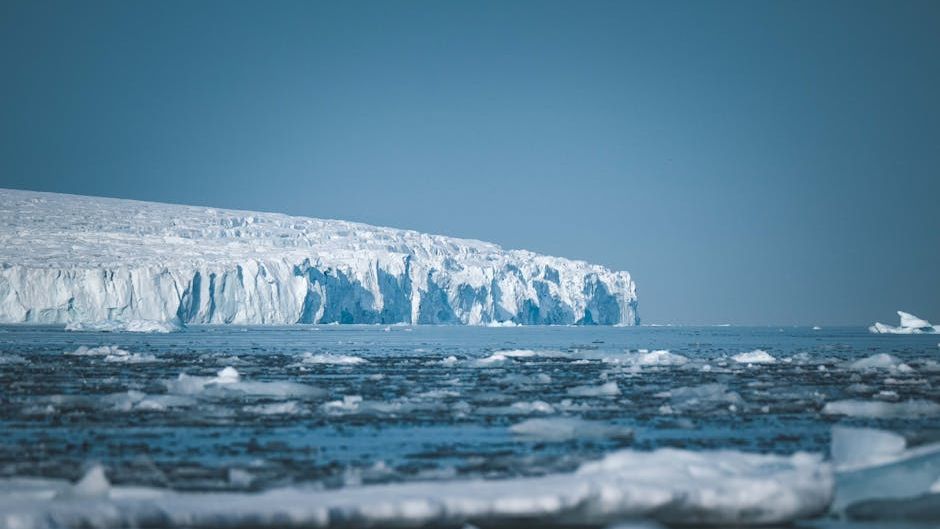
Instruments positioned at the precise spot where Antarctica’s largest ice shelf transitions from grounded to floating ice have captured a unique dataset. This rare collection highlights ocean dynamics that accelerate melting from underneath. The results question long-held views on the resilience of deep-reaching Antarctic ice structures.
Probing the Critical Transition Zone
Researchers deployed specialized instruments right at the grounding line of the ice shelf. This boundary marks where the ice lifts off the seabed and begins to float freely. The data gathered there offered an unprecedented look into sub-ice ocean behavior.
Ocean currents and heat transport processes emerged as key drivers of basal melting. Warm water appears to penetrate farther than previously modeled. Such insights stem directly from measurements taken in this hard-to-access location.
Upsetting Models of Ice Shelf Durability
Prior studies often assumed that deeper parts of Antarctic ice shelves remained somewhat shielded from ocean warming. The new findings contradict that notion. Heat from below reaches elevations once thought secure.
This revelation points to greater vulnerability across extensive ice formations. Stability hinges more on sub-surface ocean interactions than surface conditions alone. The dataset provides concrete evidence for revising predictive frameworks.
Why Ocean Heat Penetration Matters Now
Understanding the extent of warm water incursion proves essential for forecasting ice loss. Ice shelves play a vital role in restraining inland glaciers from sliding into the sea. Accelerated basal melting could hasten their retreat.
With global oceans absorbing excess heat, these processes intensify. The observations emphasize the need for targeted monitoring at grounding zones. Future efforts may focus on similar sites to map heat distribution comprehensively.
These findings arrive amid ongoing concerns over polar amplification. They reinforce calls for refined climate models that account for under-ice dynamics. As data collection expands, clearer pictures of ice shelf futures should emerge.
