


In a quiet home just outside Fredericksburg, Texas, a 36-year-old woman was jolted awake around 2 a.m. by what she described as a “hot needle to the face.” Half-asleep, she flicked on the lamp and saw a striped bark scorpion crawling across her pillow.
“I screamed, jumped out of bed, and ran to the bathroom,” she said. “It felt like my skin was burning and going numb at the same time.” Her cheek was already swelling by the time her husband grabbed the keys and rushed her to the emergency room.
The Culprit: Striped Bark Scorpion
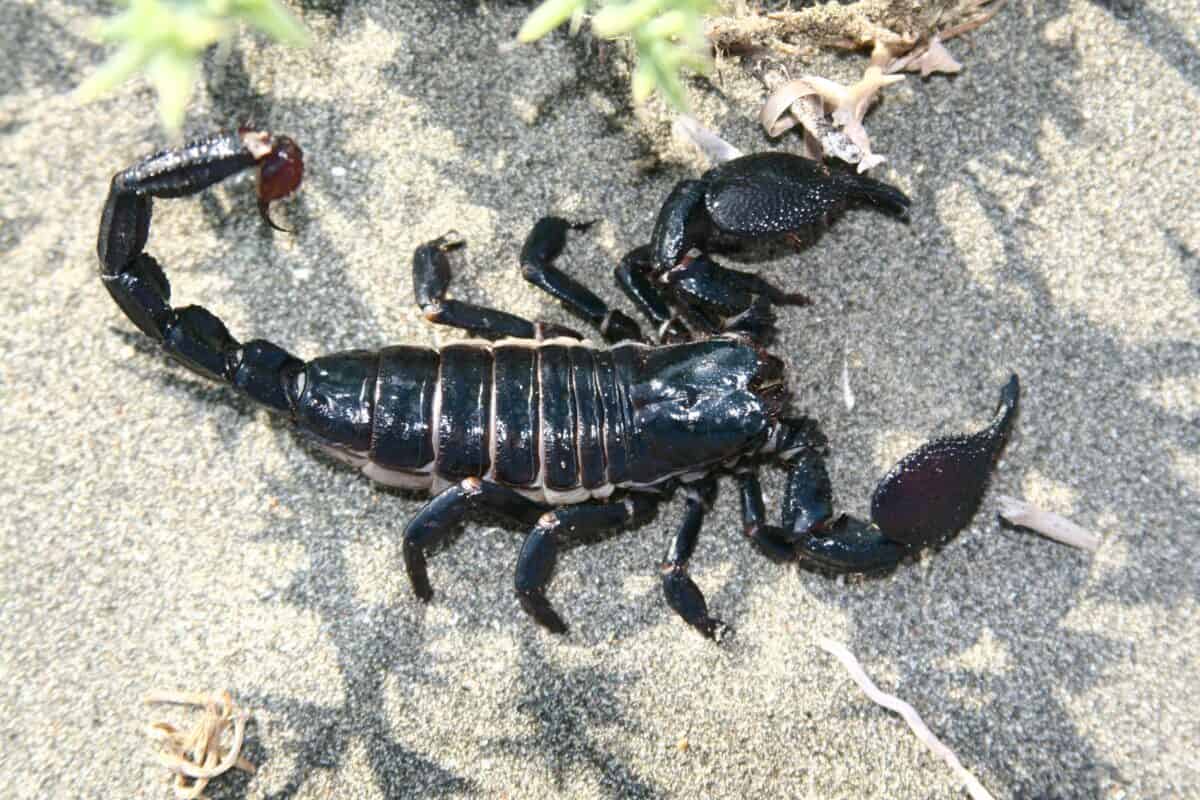
The striped bark scorpion (Centruroides vittatus) is the most common scorpion species in Texas, found from Central Texas all the way into parts of the Midwest. While not considered deadly, their stings can be excruciating, especially when they hit sensitive areas like the face, hands, or feet.
They’re nocturnal and love to hide in cool, dark spaces—think shoes, laundry baskets, under bedsheets, and, yes, inside pillows. During dry spells or heatwaves, scorpions often wander indoors in search of moisture and shelter.
“It’s their version of air-conditioning,” said Dr. Nathan Bell, a local entomologist. “Unfortunately, that sometimes means your bedroom.”
ER Treatment and Lingering Effects
At the emergency room, doctors treated the woman for moderate swelling and tingling along the jawline and cheekbone. She was monitored for several hours to rule out an allergic reaction.
Though no antivenom was required, she received painkillers and a corticosteroid injection to control the inflammation. Doctors said the numbness could last a day or two, but she was lucky—the sting hadn’t hit near the eye or throat, where swelling can be more serious.
Keeping Scorpions Out of the House

Texas homeowners are no strangers to creepy crawlies, but scorpions slipping into beds is a nightmare scenario. Pest control experts say now is the time to start “scorpion-proofing” homes—especially in rural areas where brush, woodpiles, and dry creeks are nearby.
Here’s what experts recommend:
- Seal up baseboards, window gaps, and door frames
- Keep bedding off the floor and avoid letting sheets drape down
- Shake out towels, clothing, and shoes before using them
- Use yellow-tinted bug lights on porches—they attract fewer insects, which means fewer scorpions
The woman said she’s since torn the bedroom apart, hired a pest control service, and now inspects the bed like it’s part of a military drill. “If there’s a scorpion in there again, it’s not going to catch me off guard,” she added.
When the Desert Follows You Inside
While most people picture scorpions in rocky deserts or movie scenes, they’re a real concern across central and west Texas—especially during hot, dry months.
And though fatalities from stings are incredibly rare, the fear they cause is very real. As the woman put it: “Snakes I can handle. But something that stings your face in your sleep? That’s next-level Texas terror.”

- Texas Ranchers Injured and Horses Killed in Aggressive Bee Attack - July 19, 2026
- Cougar Attack on Cyclists Shakes Washington Wilderness - July 19, 2026
- Snake Found in Arizona Toilet Shocks Homeowner - July 19, 2026