
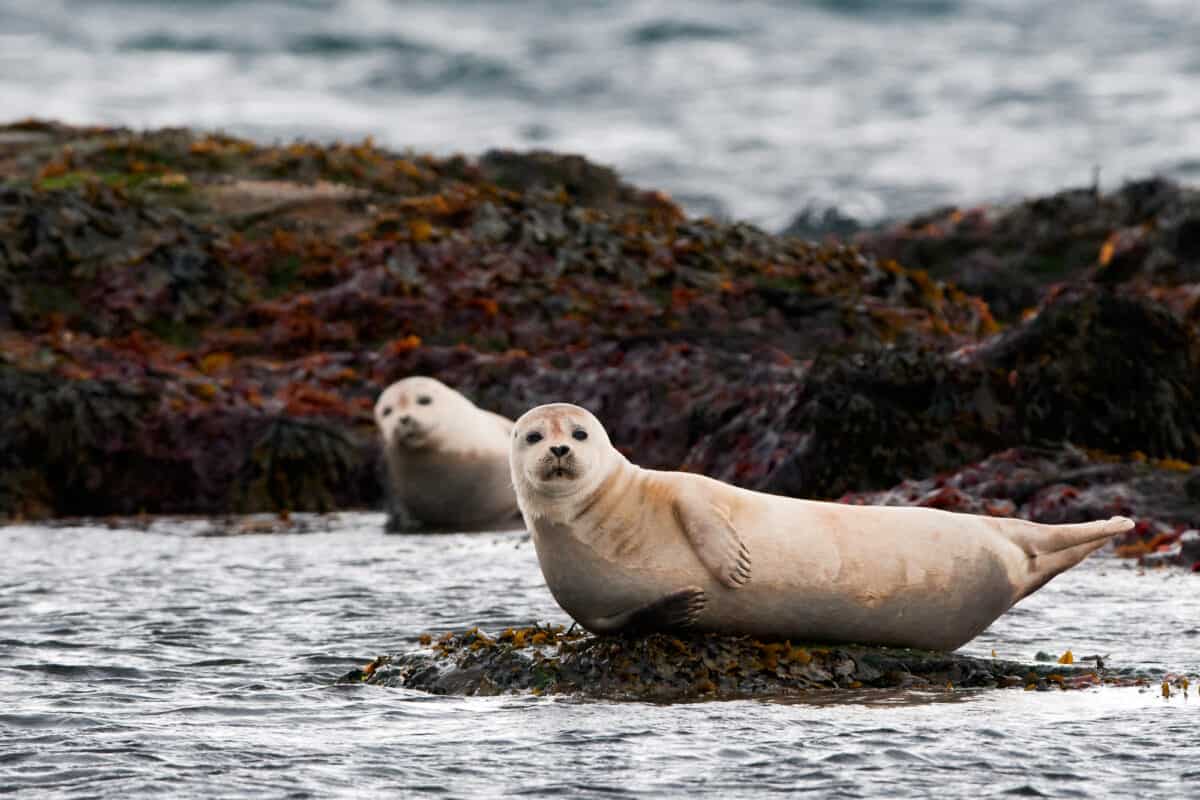
In the vast expanse of our oceans, a remarkable social phenomenon has been unfolding beneath the waves, largely unnoticed by human observers until recent decades. Seals, those charismatic marine mammals that often capture our hearts with their expressive eyes and playful demeanor, have been quietly demonstrating sophisticated social behaviors that mirror our own human alliances in surprising ways. Far from being simple creatures driven solely by instinct, these intelligent pinnipeds form complex relationships, strategic partnerships, and lasting bonds that serve various purposes in their challenging marine environments. Recent research has revealed compelling evidence that seals engage in alliance formation remarkably similar to human social structures, challenging our understanding of animal cognition and social complexity. This fascinating discovery not only reshapes how we view these marine mammals but also offers intriguing insights into the evolution of cooperative behavior across species.
The Social Intelligence of Seals

For decades, scientists underestimated the cognitive abilities of seals, viewing them primarily through the lens of simple predatory behavior and reproductive strategies. However, advances in marine mammal research have revealed that seals possess remarkable social intelligence. Studies conducted on harbor seals, grey seals, and elephant seals have documented their ability to recognize dozens of individuals, remember social interactions over extended periods, and modify their behavior based on past experiences. This cognitive foundation serves as the essential groundwork for forming the complex alliances observed in their natural habitat. Researchers at the Marine Mammal Research Unit at the University of British Columbia have documented seals demonstrating problem-solving abilities comparable to those of dolphins and some primates, challenging the traditional hierarchy of animal intelligence. These cognitive skills are crucial for navigating the intricate social landscapes that support alliance formation, as seals must remember individuals, assess trustworthiness, and understand the benefits of cooperation across changing circumstances.
Types of Seal Alliances Observed
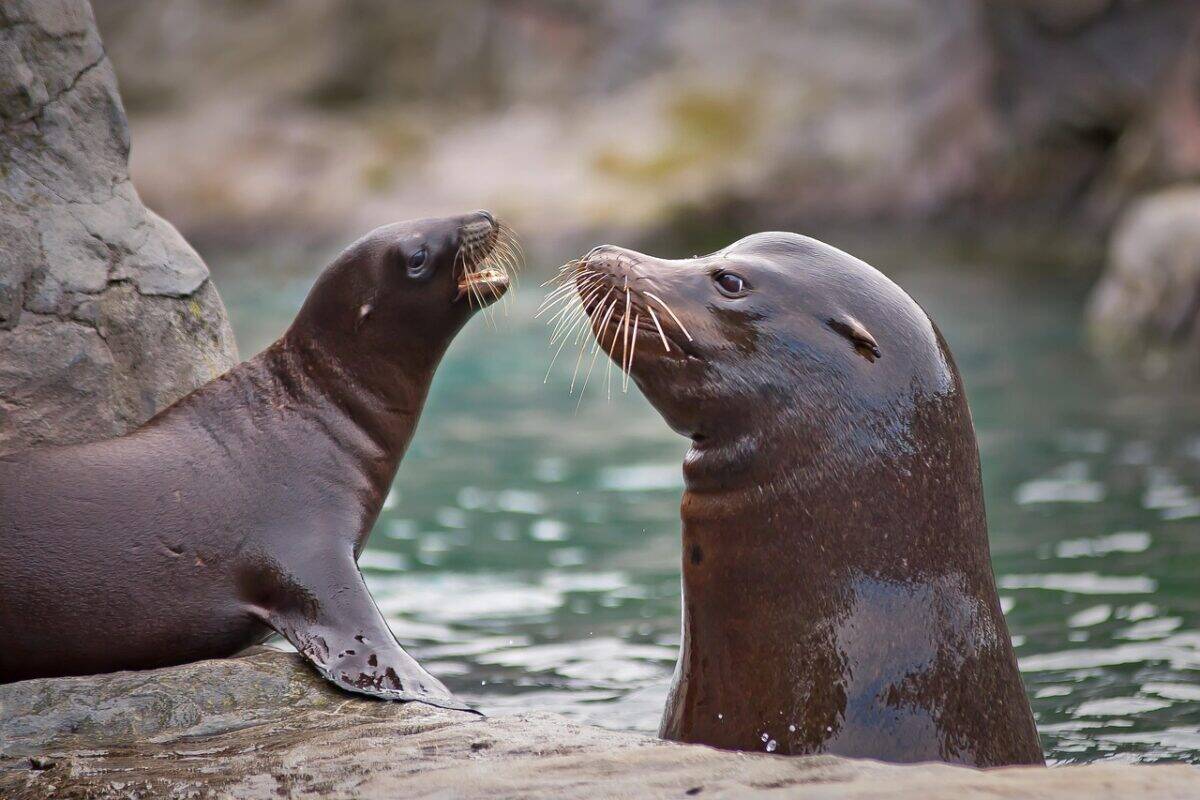
Marine biologists have identified several distinct types of alliances among seal populations worldwide. Foraging alliances represent one of the most common forms, where multiple seals coordinate their hunting efforts to corral fish or target larger prey that would be impossible for a single individual to capture. Protection alliances form particularly among female seals with pups, creating defensive groups that take turns watching over young while others feed, significantly increasing offspring survival rates. Researchers have also documented male coalition alliances, especially in species like elephant seals, where multiple males of similar size and strength form partnerships to challenge dominant beach masters for mating access. Perhaps most fascinating are the cross-species alliances occasionally observed between seals and other marine mammals like dolphins or sea lions when facing common predators such as orcas or sharks. Dr. Karina Acevedo-Whitehouse from the University of California, Davis, noted in her 2019 study that these varied alliances demonstrate remarkable flexibility in seal social strategies, adapting to specific environmental challenges and opportunities.
The Harbor Seal Study: Breakthrough Evidence

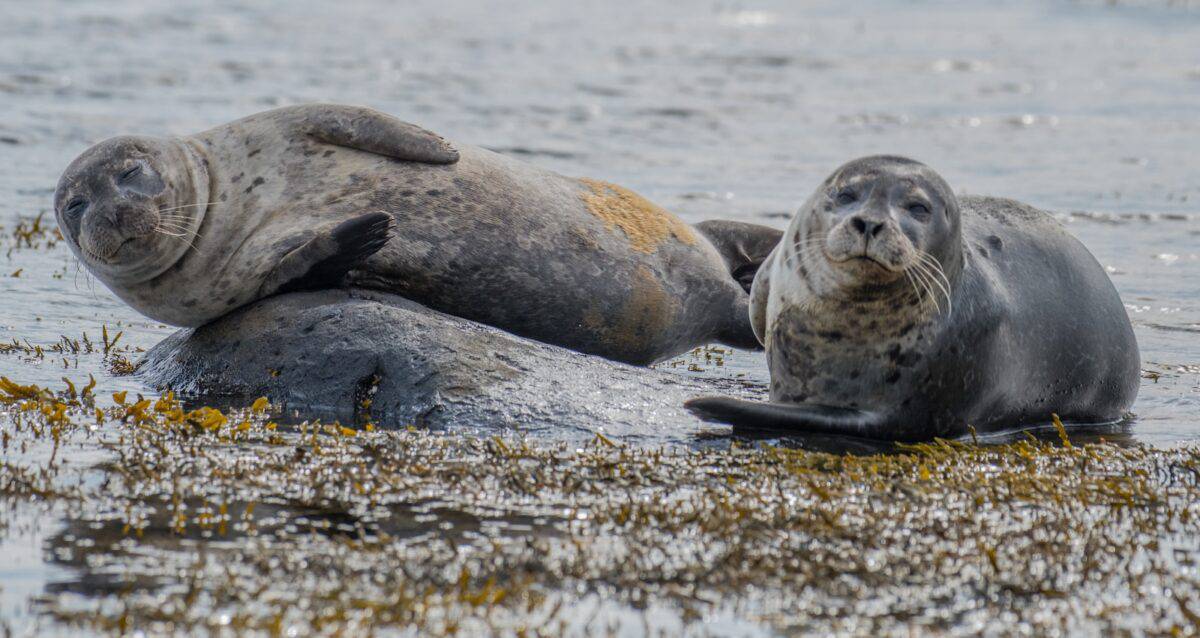
The groundbreaking research that firmly established seal alliance behavior came from a comprehensive ten-year study of harbor seal populations in Puget Sound. Marine biologists led by Dr. Emma Richardson deployed underwater cameras and individual tagging systems to track interactions among 187 harbor seals between 2010 and 2020. The results were extraordinary: researchers documented consistent partnerships between specific individuals that lasted for multiple seasons, with some alliances persisting for the entire decade-long study period. The data revealed that these weren’t random associations but deliberate partnerships with clear benefits. Allied seals showed 34% greater hunting success rates compared to solitary individuals and were 28% less likely to suffer predation. The study, published in Marine Mammal Science in 2021, provided the first comprehensive evidence of long-term, stable alliances among seal populations that dramatically improved survival outcomes. Perhaps most revealing was that when researchers temporarily removed one alliance partner (for routine health assessments), the remaining seal would often delay foraging activities until their partner returned, suggesting emotional bonds beyond mere practical cooperation.
Male Elephant Seal Coalitions
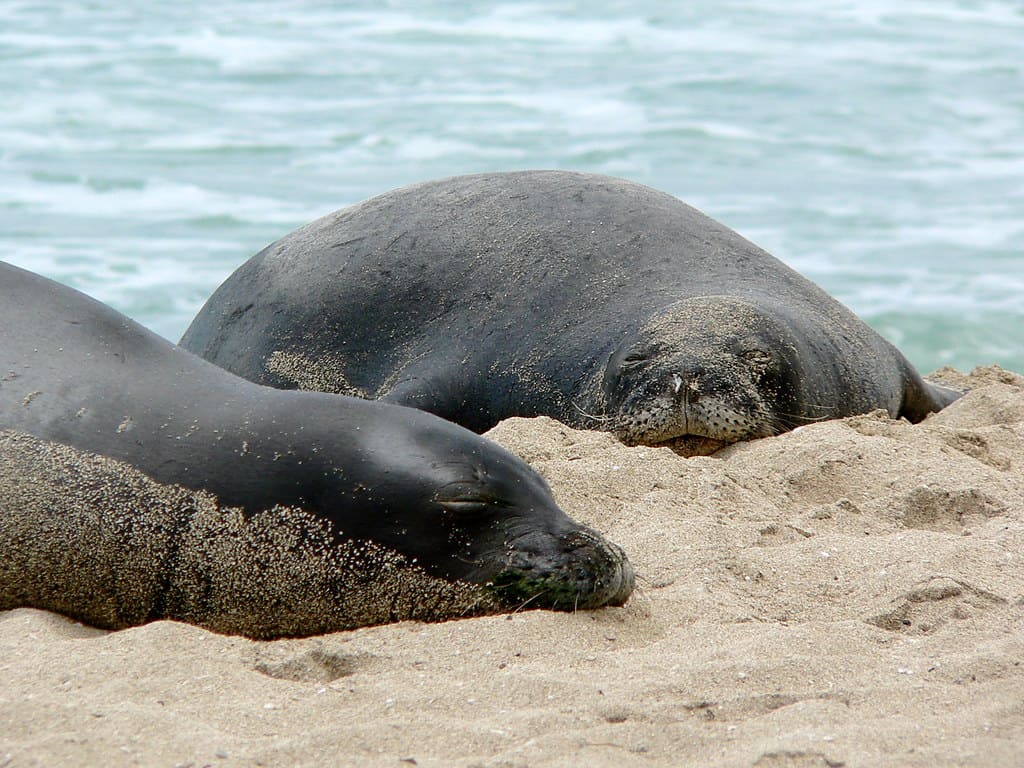
Among the most dramatic examples of seal alliances are the male coalitions formed by southern elephant seals. These massive mammals, with males weighing up to 8,800 pounds, typically operate under a strict dominance hierarchy where a single beach master controls access to dozens of females. However, research conducted at Península Valdés in Argentina has documented remarkable coalition behavior that challenges this understanding. Studies show that medium-ranked males frequently form alliances of two to four individuals who coordinate attacks on dominant males, successfully displacing them in 65% of observed contests. What makes these coalitions particularly fascinating is their stability—the same groups of males maintain their partnerships across multiple breeding seasons, suggesting recognition and trust. Dr. Martin Carlson, who has studied elephant seal behavior for over 15 years, notes that coalition members divide mating opportunities relatively equitably after a successful takeover, with the primary challenger typically gaining access to 40-45% of females, while secondary partners receive 20-30% each. This division suggests a sophisticated understanding of fairness and cooperation rarely documented outside of primate societies. Even more remarkably, these coalitions show evidence of reconciliation behaviors following conflicts within the group, with members engaging in specific contact behaviors that appear to repair social bonds.
Maternal Alliances for Pup Protection

Female grey seals have developed remarkable alliance systems centered around pup protection during the vulnerable breeding season. Research at the Isle of May breeding colony in Scotland has revealed that unrelated females consistently form groups of 4-7 individuals who coordinate supervision of young pups. These “nursery alliances” function through a rotation system where some females remain with the clustered pups while others feed at sea, significantly reducing predation by gulls and ravens. Long-term studies by the Sea Mammal Research Unit found that pups raised within these cooperative structures had an 83% survival rate compared to just 52% for pups of solitary mothers. What makes these alliances particularly interesting is their selective nature—females appear to choose specific partners based on previous interactions, avoiding individuals who failed to reciprocate protection duties in past seasons. Marine biologist Dr. Sarah Conner documented through behavioral observation that these female alliances maintain their integrity even in years of resource scarcity, when cooperation would seemingly be most difficult. Remarkably, the same alliances often reform year after year, even after months of separation during non-breeding seasons, demonstrating both social memory and preference for specific partners based on established trust rather than mere convenience.
Communication Systems Supporting Alliances

For alliances to function effectively, seals require sophisticated communication systems—and research has revealed they possess exactly that. Studies using hydrophones and underwater cameras have documented extensive vocal repertoires among allied seals, with partners developing specific calls that appear to function as individual identifiers. Harbor seals maintain an average of 7-12 distinct vocalizations used consistently with alliance partners, while grey seals demonstrate remarkable flexibility in their underwater communication patterns. Research from the University of St. Andrews’ Sea Mammal Research Unit has shown that allied seals synchronize their vocal patterns when cooperating, creating matched calls that strengthen coordination during hunting or defense. Beyond vocalizations, seals utilize complex body postures and tactile signals, with specific behaviors like “flipper touches” serving as apparent reassurance between partners during stressful situations. Dr. Leah Thompson’s acoustic research with Weddell seals revealed that allied individuals can recognize their partners’ vocalizations from over 500 meters away in noisy underwater environments, demonstrating remarkable auditory discrimination. This communication sophistication provides the fundamental infrastructure necessary for coordinating the complex cooperative behaviors observed in seal alliances across multiple contexts and environments.
Cognitive Requirements for Alliance Formation
The ability to form and maintain alliances demands significant cognitive capabilities that were once thought to be exclusive to primates and a few other highly intelligent species. Seal alliance behavior demonstrates that these marine mammals possess several sophisticated cognitive traits. First, they show evidence of individual recognition, remembering specific allies across seasons and years—a feat requiring substantial memory capacity. Second, seals demonstrate reciprocity tracking, monitoring whether partners contribute fairly to cooperative efforts and adjusting future interactions accordingly. Studies at the Marine Mammal Cognition Laboratory at the University of Southern Denmark have documented seals preferentially cooperating with individuals who previously aided them while avoiding those who failed to reciprocate. Third, researchers have observed that seals appear to engage in third-party relationship tracking, adjusting their behavior based on observed interactions between other community members. Perhaps most impressively, allied seals show evidence of delayed gratification—the ability to forego immediate individual benefits for greater collective rewards through cooperation, a cognitive ability previously thought limited to humans and great apes. These cognitive capacities combine to create the foundation for the sophisticated alliance networks observed across multiple seal species and ecological contexts.
Cultural Transmission of Alliance Behavior

One of the most fascinating aspects of seal alliances is evidence suggesting these behaviors are culturally transmitted rather than purely instinctual. Longitudinal studies of harbor seal populations in the Moray Firth, Scotland, have documented how juvenile seals learn alliance formation through observation and guided participation. Researchers noted that young seals initially observe adult alliances before participating in “practice” cooperative activities with peers under adult supervision. As they mature, these practice groups often transition into functional alliances that persist into adulthood. Different seal colonies show distinct “alliance cultures,” with some populations exhibiting more extensive cooperative networks than others, even when facing similar ecological conditions. This variation suggests that alliance formation represents a learned tradition rather than a universal response to environmental pressures. Dr. Helen Marston’s 2018 study published in Animal Behaviour documented how relocated seals adopted the alliance patterns of their new colony within 1-2 years, providing compelling evidence for cultural transmission. The documentation of this cultural learning process has significant implications for understanding the evolution of cooperation across species and suggests that seal societies possess a form of cultural knowledge that accumulates and transmits across generations, much like human cultural traditions.
Comparing Seal and Human Alliances

The parallels between seal and human alliance systems are striking in their structural similarities. Both species form cooperative relationships based on mutual benefit, trust, and repeated interactions. Human anthropologist Dr. Robert Sapolsky, who has studied both human and animal social systems, notes that seal alliances demonstrate five key characteristics found in human cooperative structures: partner selection based on past reliability, punishment of non-cooperators through exclusion, reconciliation following conflicts, alliance stability across changing circumstances, and graduated commitment where partners test cooperation in lower-risk situations before engaging in more consequential joint activities. Like humans, seals appear to balance self-interest with cooperation, creating alliances that benefit individual participants while solving collective challenges. Both species show evidence of emotional investment in partnerships, with physiological stress responses when separated from established allies. The primary difference appears in scale and complexity rather than fundamental structure—human alliances extend to much larger groups and more abstract purposes, while seal alliances remain focused on concrete survival advantages. Nevertheless, the structural similarities suggest that certain principles of cooperative alliance formation may represent convergent social solutions that emerge independently in intelligent, social species facing complex environmental challenges.
Evolutionary Advantages of Alliance Formation

The persistence of alliance behavior across seal species suggests powerful evolutionary advantages driving its development. Statistical modeling based on longitudinal studies indicates that allied seals enjoy significantly improved survival rates compared to solitary individuals. Research at the Seal Conservation Society found that harbor seals in established alliances demonstrated 42% higher caloric intake efficiency through cooperative hunting, translating to improved body condition and reproductive success. Allied females showed 37% higher lifetime reproductive output compared to non-allied counterparts. From an evolutionary perspective, these alliances represent a fascinating example of reciprocal altruism, where temporary individual sacrifice leads to mutual long-term benefit. Genetic studies suggest that alliance formation may have developed independently in multiple pinniped lineages, representing convergent evolution in response to similar ecological pressures. Marine ecologist Dr. Jonathan Stern proposes that seal alliances emerged during the mid-Pleistocene period (approximately 700,000 years ago) when changing ocean conditions created more complex hunting challenges that favored cooperation. The persistence of these behaviors across changing environments demonstrates their fundamental adaptive value in marine mammal survival strategies. Unlike temporary aggregations seen in many animal species, the stable nature of seal alliances suggests they represent a sophisticated evolutionary adaptation that fundamentally reshapes how these animals navigate their social and ecological landscapes.
Research Challenges and Future Directions

Despite growing evidence of seal alliance behavior, researchers face significant challenges in fully documenting and understanding these social systems. The marine environment presents substantial obstacles to continuous observation, with most studies limited to breeding colonies or specific coastal areas where seals congregate. Advanced technologies are beginning to address these limitations, with satellite-linked GPS tags, underwater drones, and animal-borne cameras providing unprecedented insights into seal social dynamics in remote oceanic environments. These new research tools have revealed that alliance behaviors likely extend far beyond coastal observations, with preliminary data suggesting cooperative hunting occurs regularly in deep-water environments previously inaccessible to researchers. Future research directions include exploring the neurobiological basis of seal alliances through non-invasive hormone sampling and portable imaging technologies. Scientists are particularly interested in levels of oxytocin—often called the “bonding hormone”—in allied seals compared to solitary individuals. Additionally, researchers are developing machine learning algorithms to identify subtle interaction patterns in thousands of hours of underwater footage that human observers might miss. Conservation implications are also driving research, as scientists investigate how human disruptions to marine environments might impact the formation and maintenance of these crucial social bonds among seal populations worldwide.
Conservation Implications of Seal Alliances

Understanding seal alliance behavior has significant implications for conservation efforts worldwide. Traditional marine protection approaches have focused primarily on habitat preservation without considering the social dynamics essential to seal population health. Recent research suggests that disrupting alliance networks through selective hunting, habitat fragmentation, or climate-induced distribution changes may have far more devastating effects than previously recognized. A 2020 study by the Marine Conservation Society documented how seal populations with disrupted social structures showed 58% lower recovery rates following environmental disturbances compared to populations with intact alliance networks. Conservation biologists are now incorporating social network preservation into management plans, ensuring that protected areas encompass entire social communities rather than just habitat requirements. This approach represents a fundamental shift in marine conservation thinking, recognizing that preserving animal cultural knowledge and social structures is as important as protecting physical environments. Marine protected area designers are now mapping social alliance networks alongside traditional ecological factors when establishing boundaries. Additionally, rehabilitation efforts for injured or stranded seals now consider alliance relationships, with some facilities working to release recovered individuals near their previous social partners rather than at random locations, significantly improving post-release survival rates. This evolving understanding demonstrates how uncovering the complex social lives of marine mammals directly translates to more effective conservation strategies.
Conclusion: Rethinking Animal Sociality Through Seal Alliances
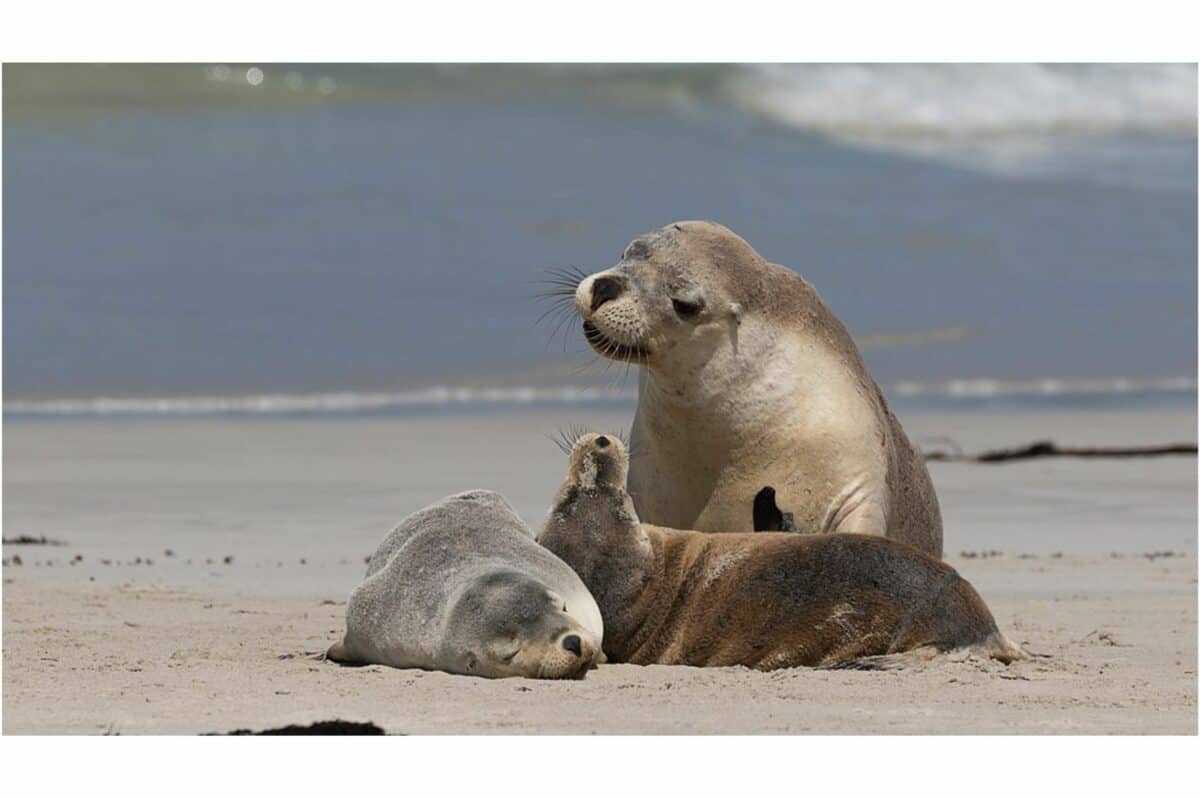
The discovery and documentation of sophisticated alliance behavior among seals fundamentally transforms our understanding of animal sociality and cognition. What was once considered the exclusive domain of primates and a few other highly intelligent species has now been conclusively demonstrated in these marine mammals, suggesting that the capacity for complex cooperation may be more widespread than previously recognized. The remarkable parallels between seal and human alliance structures—from partner selection based on trust to reconciliation behaviors that repair social bonds—highlight universal principles of successful cooperation that transcend species boundaries. These findings challenge us to reconsider traditional hierarchical views of animal intelligence and social complexity, suggesting that different evolutionary paths can lead to surprisingly similar social solutions. For conservation science, recognizing the sophisticated social lives of seals creates both new challenges and new opportunities, demanding protection strategies that preserve not just individuals and habitats but entire social systems and their accumulated cultural knowledge. Perhaps most profoundly, understanding seal alliances offers a humbling reminder that humans are not alone in our capacity for complex cooperation, and that beneath the waves, societies with their own intricate social contracts have been quietly thriving for millennia.

- The Secret Language of Dolphins Decoded by Researchers - July 20, 2026
- 7 Animals That Can Survive Extreme Environments You Couldn’t - July 20, 2026
- The Longest Snake Ever Found in the U.S. - July 20, 2026