

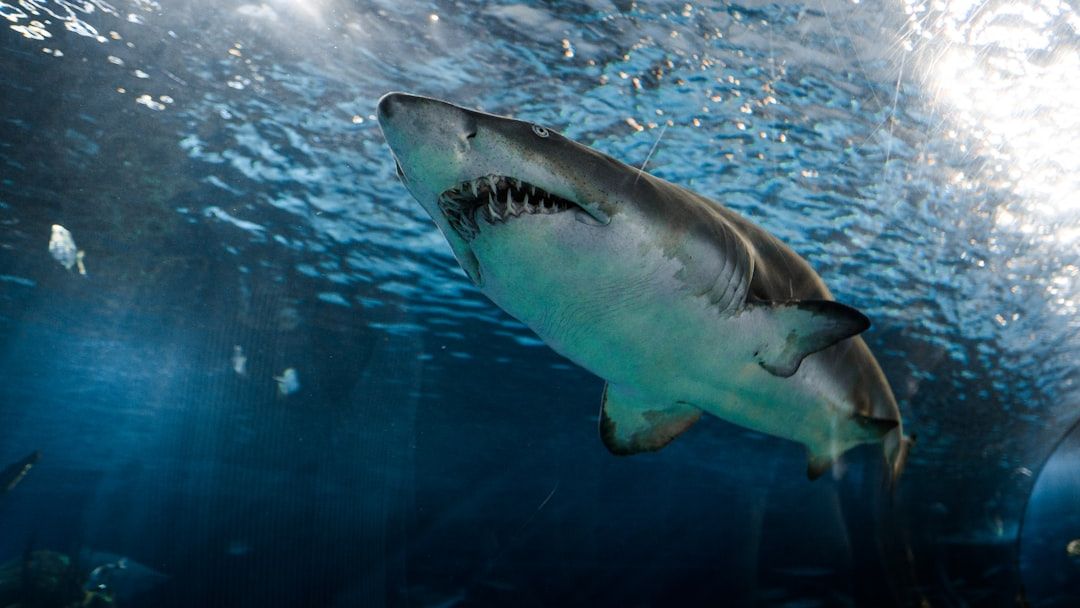
A 39-year-old man has died following a shark attack near Australia’s Great Barrier Reef, marking the country’s second fatal shark attack in just over a week and reigniting debate over marine safety in some of Australia’s most popular coastal waters. The incident occurred on May 24 near Kennedy Shoal, a shallow reef system off the coast of Queensland in northeast Australia.
According to Queensland Police, the man had been participating in a group spearfishing trip with three other men when the attack happened around midday local time. Witnesses reportedly pulled him from the water after he suffered a critical head injury believed to have been caused by the shark. Emergency responders later met the group at the Hull Head boat ramp near Tully, but the victim was declared dead shortly after reaching shore. (reuters.com)
Attack Happened Near Kennedy Shoal Off Queensland Coast
Authorities said the attack took place at Kennedy Shoal, located roughly 45 to 50 kilometers offshore between Cairns and Townsville in Far North Queensland. The area is known among divers and recreational fishers for its rich marine life and proximity to the Great Barrier Reef. It is also frequented by spearfishers, an activity experts say can sometimes increase shark encounters because struggling fish and blood in the water may attract predators.
Queensland Police Inspector Elaine Burns described the incident as traumatic for the victim’s companions, who reportedly did everything possible to save him after the attack. Officials confirmed that support services would be offered to the victim’s family and the other men involved in the trip. Investigators are still working to determine the species of shark responsible, though bull sharks and tiger sharks are commonly found in the region’s warmer waters.
Australia Has Seen Multiple Fatal Shark Attacks In Recent Weeks
The Queensland tragedy comes only days after another fatal shark attack near Rottnest Island in Western Australia. In that case, 38-year-old spearfisher Steven Mattaboni was killed after reportedly being attacked by a 13-foot shark while diving near Horseshoe Reef on May 16. Witnesses and friends attempted CPR after pulling him into a boat, but he later died from his injuries.
Earlier this year, a 12-year-old boy named Nico Antic also died following a suspected bull shark attack in Sydney Harbour, adding to growing public concern over shark incidents along Australia’s coastline. According to data from the Australian Shark-Incident Database, fatal shark attacks remain relatively rare despite the attention they receive, though Australia averages several deadly incidents each year because of its vast coastline and active ocean culture.
Debate Over Shark Safety And Culling Intensifies
Following the latest attack, Australian politician Bob Katter renewed calls for shark culling programs in Queensland waters, arguing that local communities and tourism operators are increasingly worried about rising shark activity. Some charter operators have also claimed that aggressive bull shark behavior has become more common around fishing zones.
Marine scientists and conservation organizations, however, continue opposing widespread shark culling, arguing that sharks are essential apex predators that play a critical role in maintaining healthy ocean ecosystems. Researchers also note that shark attacks remain statistically extremely rare compared to the millions of people entering Australian waters each year. Many experts instead advocate for improved education, non-lethal shark monitoring systems, drone surveillance, and greater awareness around high-risk activities such as spearfishing in shark-prone areas.
Investigations Into The Fatal Attack Continue
Queensland authorities are preparing a formal report for the coroner as investigations continue into the circumstances surrounding the attack. Officials have not yet released the victim’s name publicly, and the exact shark species involved remains unknown.
The incident serves as another stark reminder of the risks associated with entering wild marine environments, particularly in regions famous for large shark populations. While encounters remain uncommon, experts continue advising swimmers, divers, and fishers to avoid murky waters, remain cautious during dawn and dusk hours, and exercise additional care when carrying out activities that may attract sharks.
For many Australians, however, the tragedy also underscores a difficult balance between ocean recreation and respecting the realities of nature. Australia’s coastlines remain some of the most beautiful and biodiverse waters on Earth — but they are also home to some of the ocean’s most powerful predators.

- 30 Plants That Absolutely Love Full Sun - July 15, 2026
- 25 Houseplants That Will Transform the Way Your Home Smells - July 15, 2026
- 25 Dog Breeds Perfect for Families With Kids - July 15, 2026