


The involvement of animals in military operations is a subject that dates back centuries and continues to spark debate today. Throughout history, animals have played critical roles in warfare, from ancient battles to modern military efforts. As we delve into this topic, we will explore the historical significance, ethical considerations, and the evolving role of animals in today’s military strategies.
Historical Context of Animals in Warfare

Animals have been central to military operations throughout history. In ancient times, horses were essential for cavalry, elephants were used by armies like those of Hannibal, and pigeons served as messengers. The reliance on animals was indispensable due to the lack of advanced technology, making them crucial for communication, transportation, and combat.
The Roles Animals Have Played

Animals have donned numerous roles during wartime. Dogs have served as messengers, scouts, and sentries, while dolphins and sea lions have been used for underwater mine detection. Animals’ natural abilities, such as dogs’ keen sense of smell, have made them invaluable in roles that require precision and reliability.
Modern Military Uses of Animals
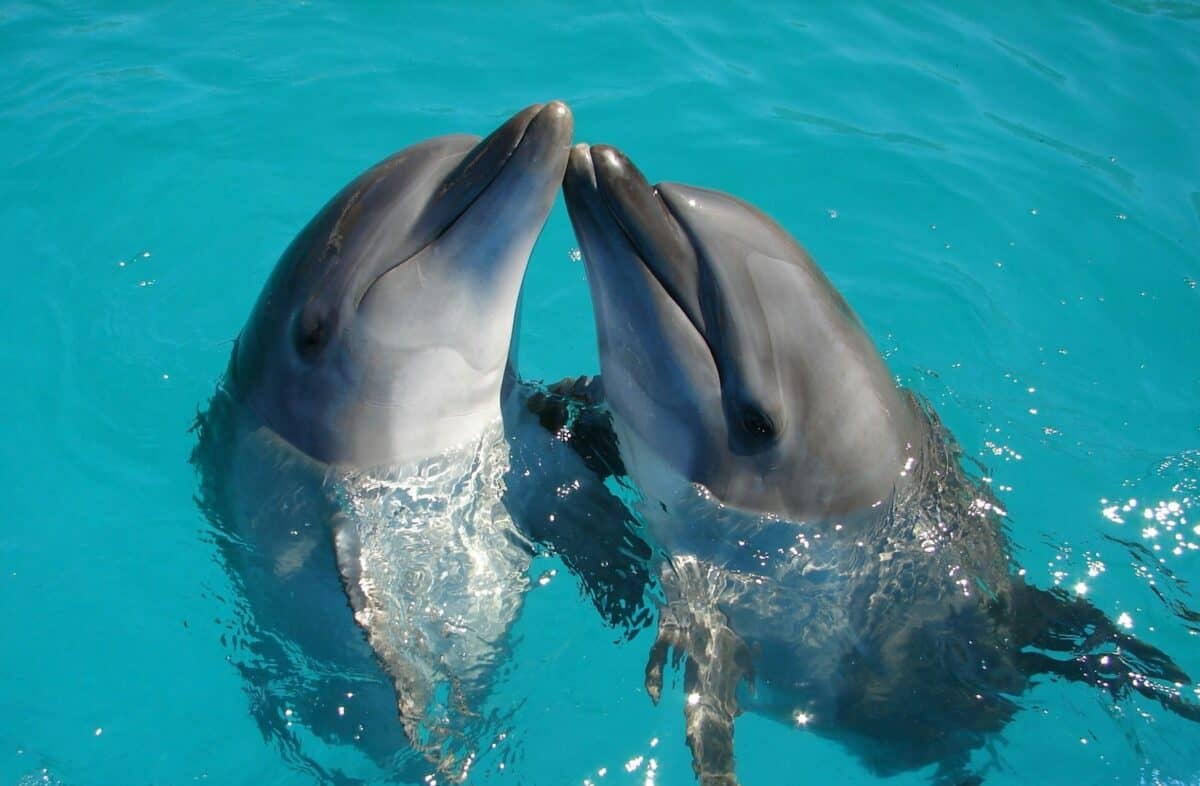
In contemporary military operations, animals continue to contribute, though their roles have evolved. Dogs, for example, are used in bomb detection and search-and-rescue missions, utilizing their acute senses to identify threats that humans or machines might miss. Marine life forms like dolphins are still employed for underwater reconnaissance tasks that demand nimbleness and flexibility.
Technological Advancements and Their Impact

As technology has advanced, the necessity of using animals has diminished in some areas. Drones, robotics, and other technologies now fulfill many functions that were once assigned to animals. However, there remain tasks where the adaptability and instincts of animals remain unmatched.
Ethical Considerations in Using Animals

The use of animals in military operations poses significant ethical questions. Concerns about animal welfare, consent, and the potential for harm raise moral dilemmas. The balance between leveraging animals’ natural abilities for human benefits and ensuring their humane treatment is a contentious issue that continues to be debated.
The Psychological Impact on Animals

Warfare environments can be stressful and damaging, not only for humans but also for animals. The loud noises, chaos, and potential for injury can have severe psychological effects on animals, akin to post-traumatic stress disorder experienced by human soldiers. Understanding and mitigating these impacts is a crucial concern for military handlers.
Training and Selection of Animals
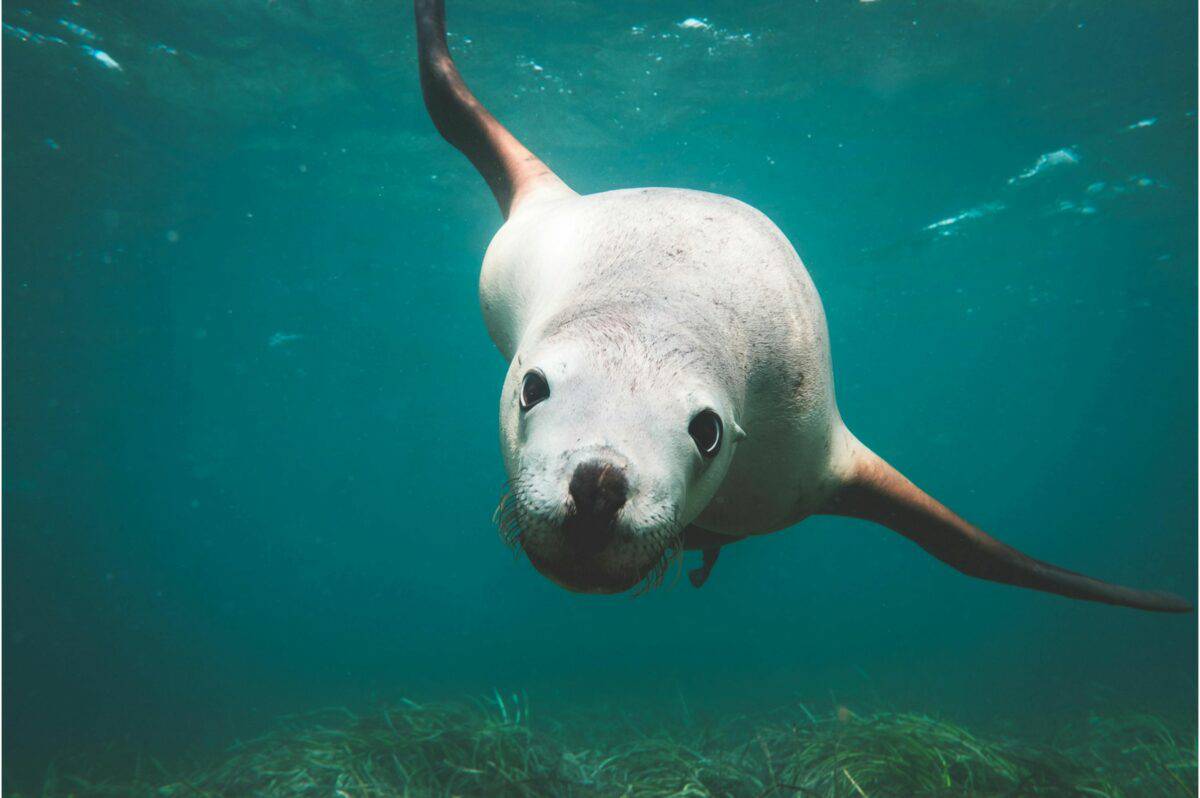
The process of selecting and training animals for military operations is rigorous. Animals that are chosen undergo extensive training to condition them for their specific roles, whether it be detecting explosives or navigating terrain. The selection ensures that only animals with the right temperament and physical capabilities are integrated into military efforts.
The Contributions of Animals to Human Safety
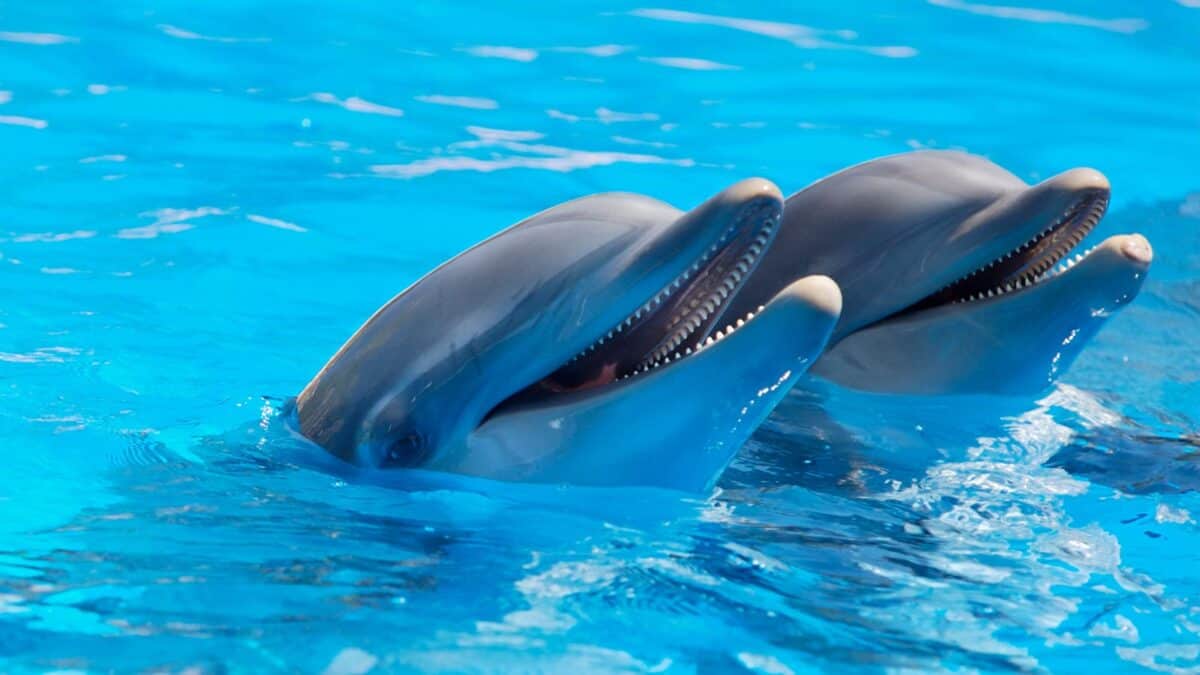
Despite ethical concerns, the contributions of animals to military operations often prioritize human safety. Animals can access environments or detect threats that are difficult for humans. This not only aids in mission success but also helps save human lives by preventing casualties from hidden explosives or other dangers.
Successful Missions Involving Animals

There are numerous instances where animals have played pivotal roles in successful military operations. Canine units, for instance, have been instrumental in bomb disposal missions, using their advanced olfactory senses to locate and identify explosives. Such contributions have rendered them heroes in the eyes of military personnel.
The Future of Animals in Military Strategy

As military tactics evolve, the role of animals is adapting alongside technological advancements. While technology may eventually replace some animal roles, there is still a recognition of the unique capabilities that animals bring. Future military strategies may see a hybrid approach, where animals and technology complement each other.
Public Perception and Support
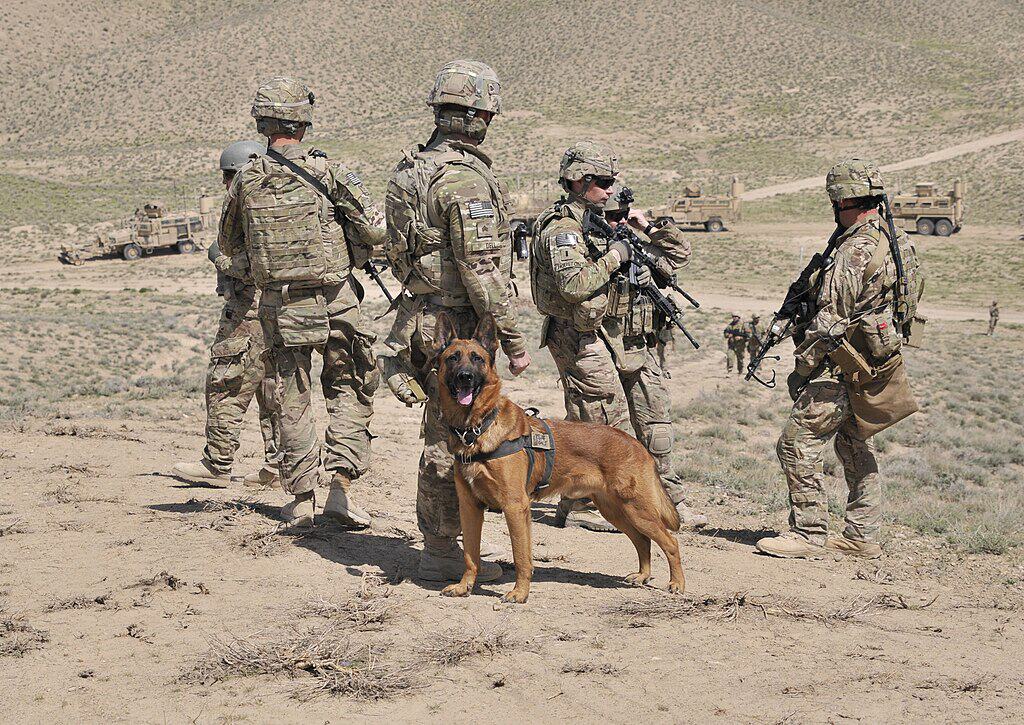
Public opinion on the use of animals in military operations varies greatly. Some see it as a necessary aspect of defense strategy, while others view it as an unnecessary exploitation of animals. Advocacy for animal rights has influenced policies and practices, emphasizing the need for ethical treatment and the minimization of harm.
The Role of Legislation and Regulations
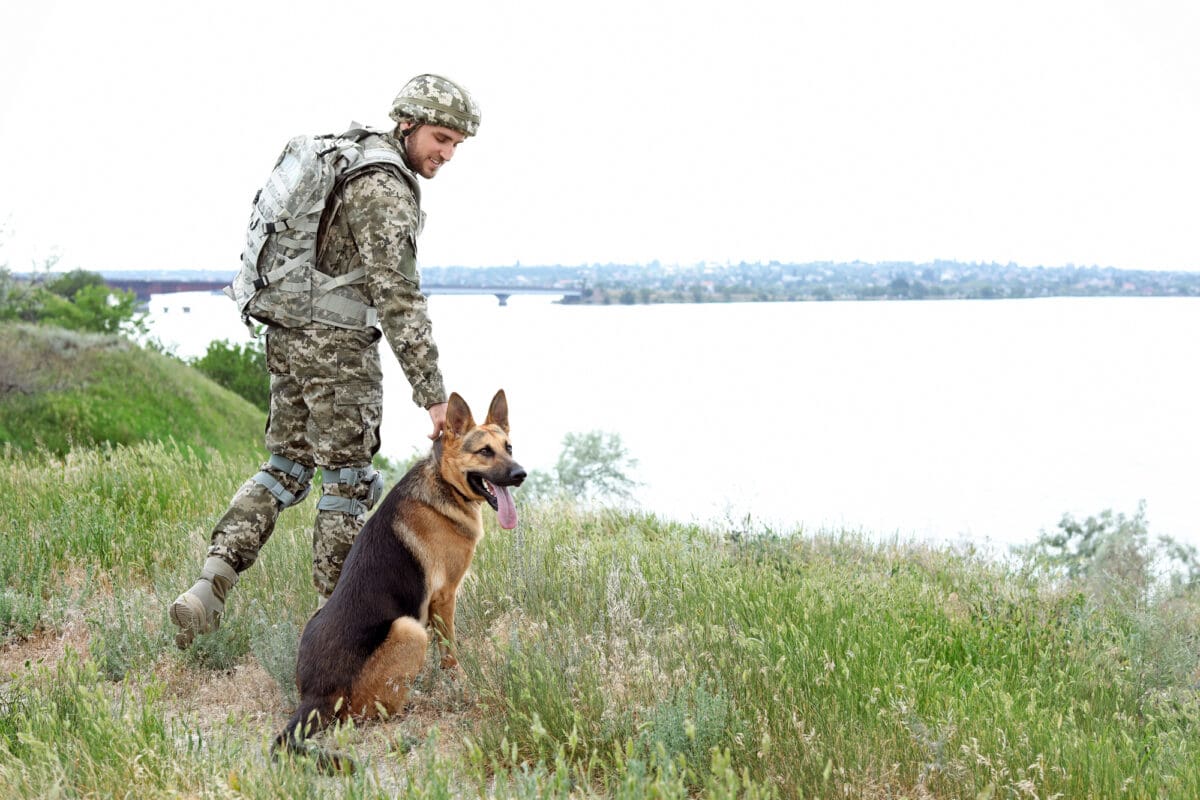
Legislation plays a crucial role in regulating the use of animals in the military. Policies are designed to ensure ethical treatment and accountability. International agreements may also influence the guidelines that govern how animals are utilized within military frameworks around the world.
Conclusion: Weighing the Pros and Cons
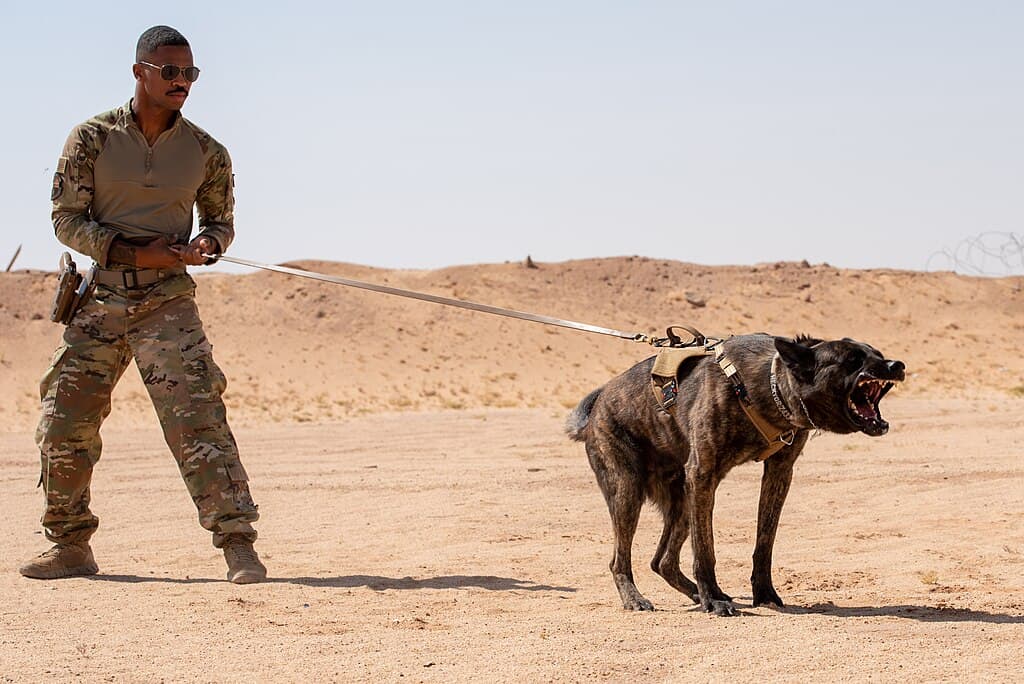
The debate over the use of animals in military operations is complex, encompassing historical significance, ethical considerations, and the challenges posed by modern warfare. While animals have undoubtedly played critical roles, the ethical implications cannot be ignored. Balancing the strategic advantages with humane treatment remains a crucial issue. As military strategies continue to evolve, so too will the ways in which we integrate animals into these endeavors, ensuring that their contributions are recognized and their welfare is prioritized.

From exploring the marine wonders in the Azores and witnessing the vast savannas of Kenya, to delving deep into the rich biodiversity of South Africa and traversing iconic landscapes in Australia and the US like Yellowstone, Chris's experiences are vast.
With a penchant for diving alongside sharks, the ocean holds a special place in his heart.
Through his academic insights, he champions wildlife conservation, striving with 'Animals Around The Globe' to cultivate a profound connection between humans and animals, enhancing our mutual appreciation.
Connect with him at Feedback@animalsaroundtheglobe.com.
- This Monkey Has a Mustache - July 21, 2026
- How Steve Irwin Changed the World’s View of Wildlife - July 21, 2026
- The Catfish That Caused Earthquakes in Japanese Folklore - July 21, 2026